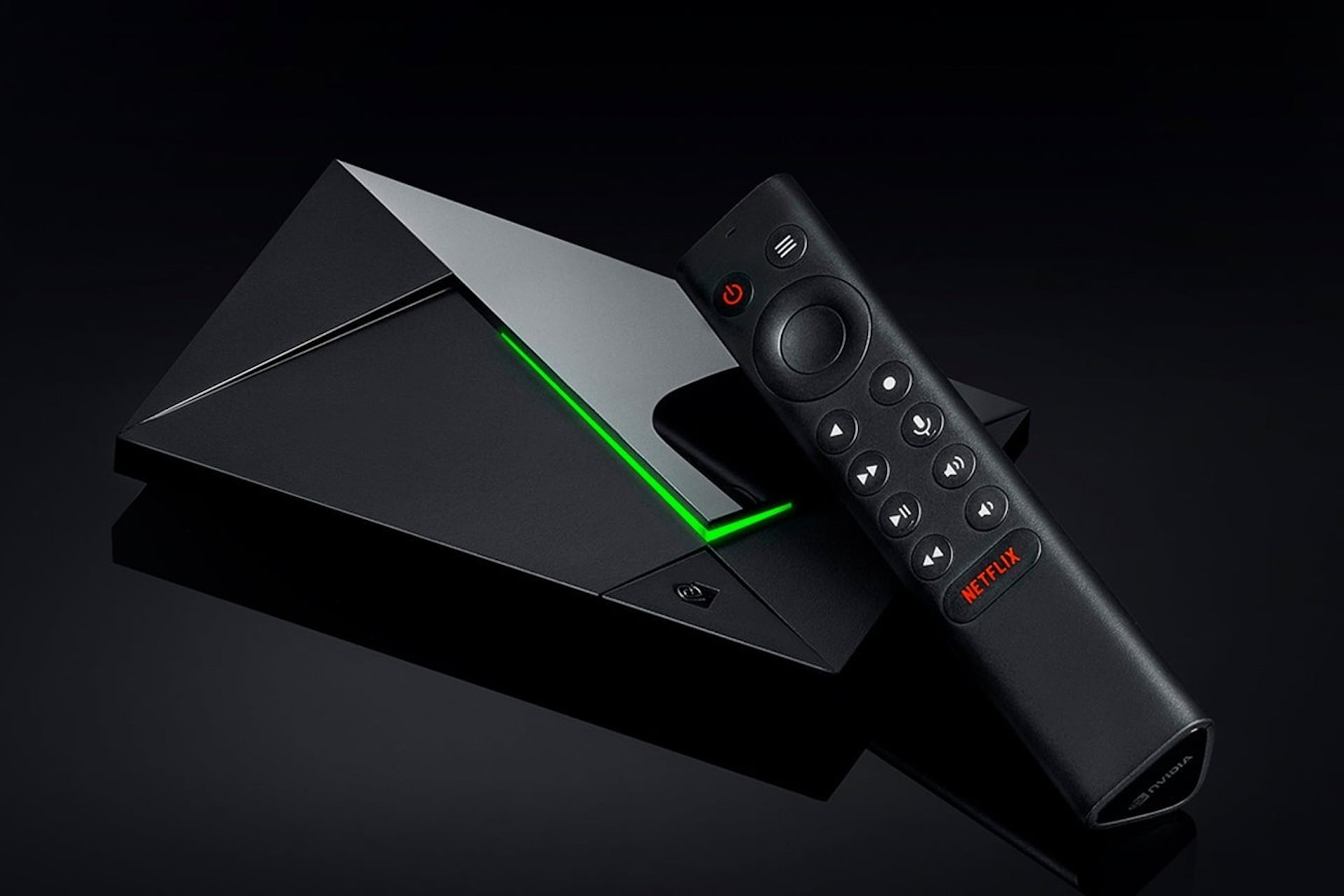
If there’s any one device that represents the Nvidia of ages past, it’s the Nvidia Shield TV set-top box, a TV streamer the company has promised to keep actively updated from now until eternity. If we’re looking for a new symbol to describe how Team Green has changed from a gaming group to an AI monolith, Nvidia has declared it’s no longer planning to sell its base gaming-focused TV streamer and will be hiking prices on the more expensive model.
After trying its hand at various kinds of controller-based handhelds, Nvidia first brought us the original Shield TV in 2015. It kept updating its device and introduced various form factors over the years, but the base box reigned supreme. The problem is, likely in large part, to the ongoing memory shortage, and even the base Nvidia Shield TV’s mere 2GB of RAM with 8GB of storage couldn’t keep it safe. In a statement provided to Gizmodo, an Nvidia spokesperson provided the following statement:
“The cost of components, including memory, has increased substantially across the industry. We’ve also stopped producing the standard Shield TV model as we focus on production for Shield TV Pro.”
Nvidia loves their Shield. It was designed as a quasi-gaming console, the one Nvidia longed to make but never did. It first hit the scene in 2015, but Nvidia has continued to support the device with new SoCs and software updates since then. Though Nvidia confirmed it intends to sell the Shield Pro, that model is currently listed as out of stock. That higher-end set-top box now costs $300, up $100 from before. The Pro streamer packs in 3GB of RAM and 16GB of storage and runs on the Tegra X1+ processor, the same CPU as the now-discontinued Shield TV box.

So while you can still buy a Shield, it’s not exactly a bargain. Google’s TV Streamer box now costs $150, which is $50 more than at launch due to its own memory-induced price hikes. But unlike Google—a company that is prone to abandon products at the drop of a hat—Nvidia made it a statement that it would keep the Shield TV going. Ars Technica once quoted senior VP of hardware engineering, Andrew Bell, about Nvidia’s continuing support for Shield. Bell said that company CEO Jensen Huang once pledged it would update Shield “as long as we shall live.”
Nvidia may continue to provide its Shield devices with software updates. However, Nvidia will inevitably find that support hard to justify if it’s not actually selling something other than a means for gamers to play GeForce Now—of which there are many. In the meantime, Nvidia recently hit a near $4.5 trillion market cap. Economists now value Huang at more than $200 billion. You would think if he loved Shield so much, he could personally keep the base and Pro products stocked up and not even feel a twinge in his purse strings.
This move is a depressing turn for Nvidia, even if it’s unsurprising considering the current state of its consumer brand. The company’s RTX 50-series GPUs across all major AIC (add-in card) makers now cost hundreds or even thousands of dollars more than they did at launch. A GeForce RTX 5090, which launched for $2,000 in 2025, now costs well over $7,000 or close to $9,000 by some makers.
This post was updated to include a statement from Nvidia.