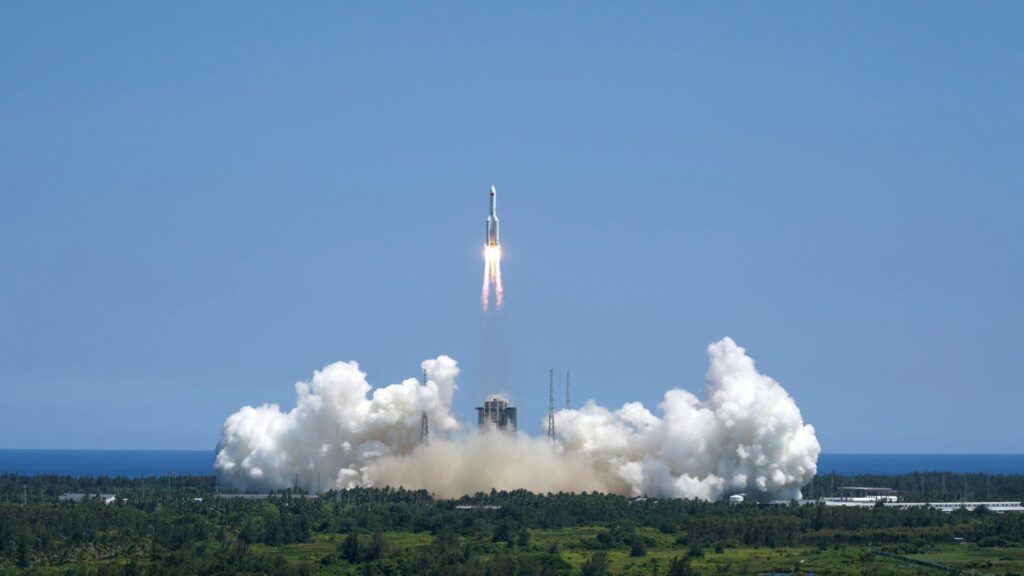
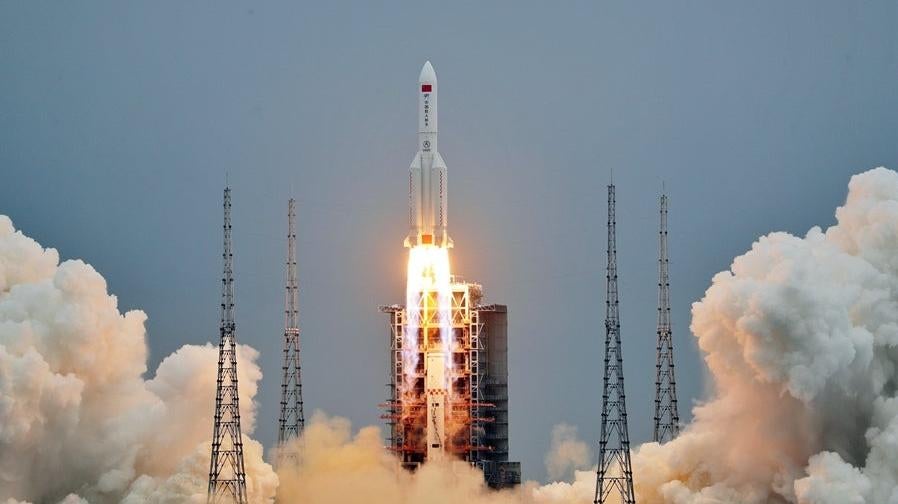
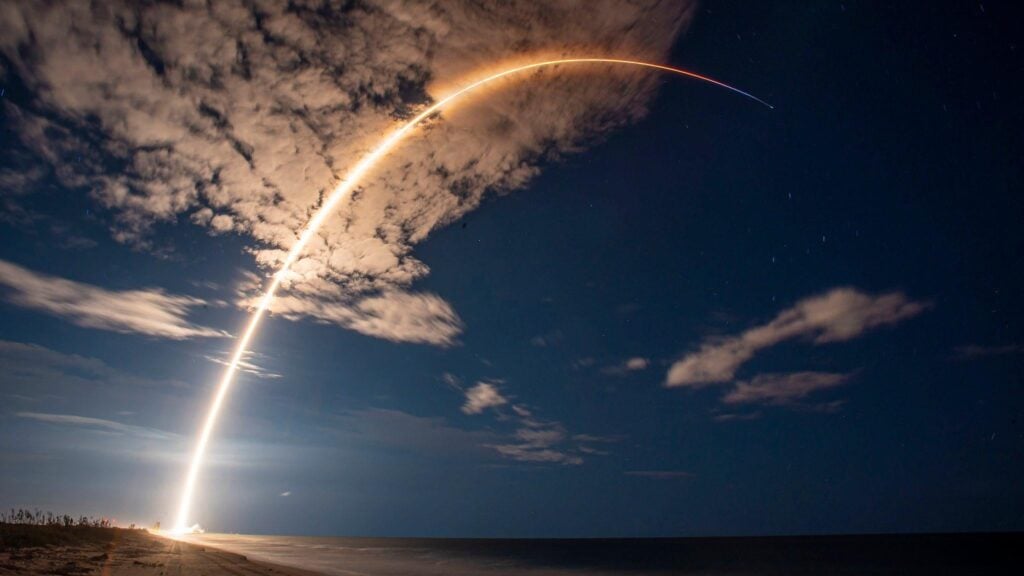
New research states there’s a 10% risk in the next decade that falling rocket parts will cause casualties, especially for nations in the southern hemisphere.
The asteroid could've swallowed the OSIRIS-Rex spacecraft, according to a new study.
The 269-square-foot space kite launched aboard a Long March 2D rocket in late June.
The proposed 1,300-foot-tall lunar structure would spin three times every minute, generating Earth-like gravity for its inhabitants.
NASA will release the rest of this first batch of images tomorrow morning.
The finding could add credence to the 'RNA world' hypothesis about the origin of life on Earth.
Roscosmos released photos of its astronauts holding flags of occupied Ukrainian regions, but NASA responded only after the media made inquiries.
The telescope team is releasing the long-awaited pictures on Tuesday, July 12.
Expendable resupply vehicles are on their way out as orbital garbage trucks, suggests a recent test involving a new airlock and a big bag of trash.
The Moon-bound spacecraft is apparently healthy and gearing up for its first trajectory correction maneuver.
An early prototype of the motorless sailplane took flight while tethered to a balloon.
These gorgeous images of the sky are shortlisted in Royal Observatory Greenwich’s annual Astronomy Photographer of the Year competition.
The spacecraft has seen a lot over the course of its sixteen year, 4.8-billion-mile journey to the outer solar system.
The four-day test involved a fleet of robots that included other rovers, a stationary lander, and a centipede-like crawler.
The smart device will travel to the ISS to measure the difference between astronauts' sleep on Earth and in space.
An anti-fungal molecule produced by the Streptomyces bacteria could enable supercharged biofuels.
The probe successfully escaped Earth's gravity yesterday but has since gone silent. Ground teams are now trying to reestablish contact.
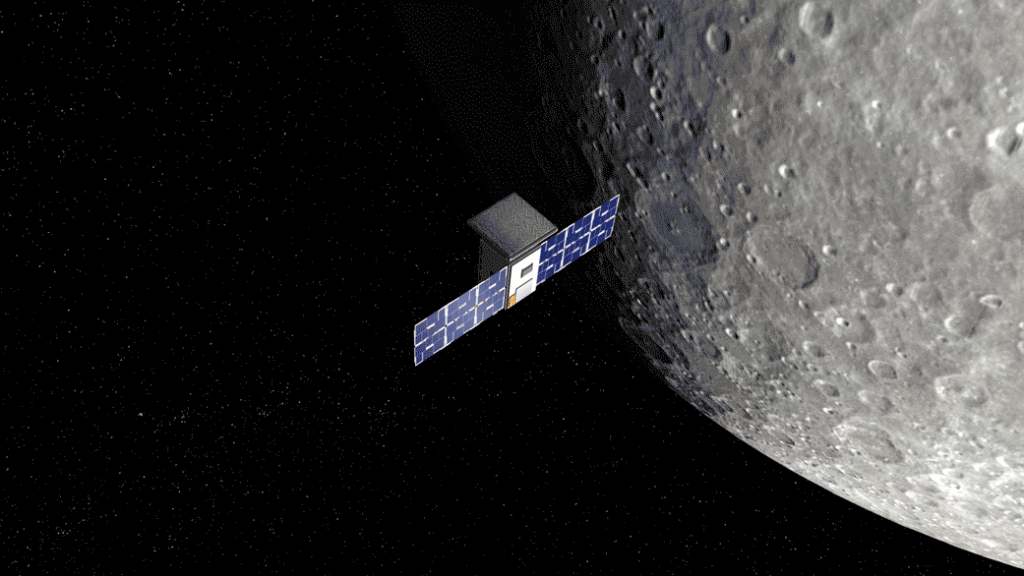
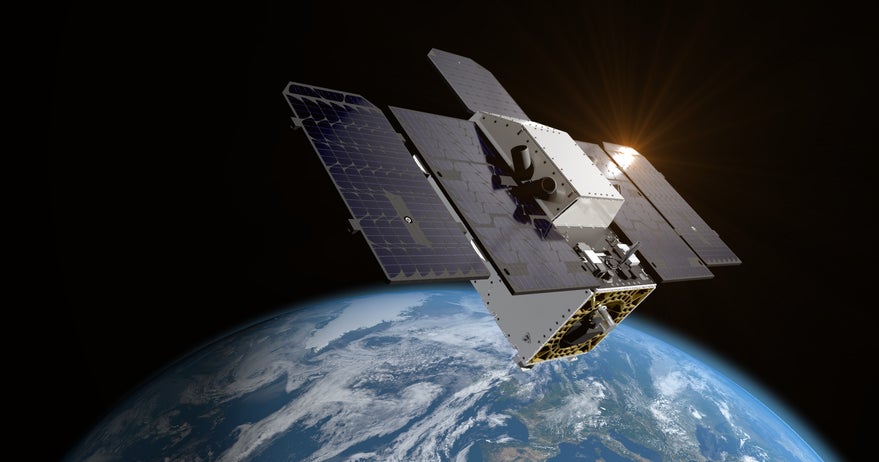
The microwave-sized satellite is on a pathfinder mission to evaluate a unique orbit for an eventual space station at the Moon.
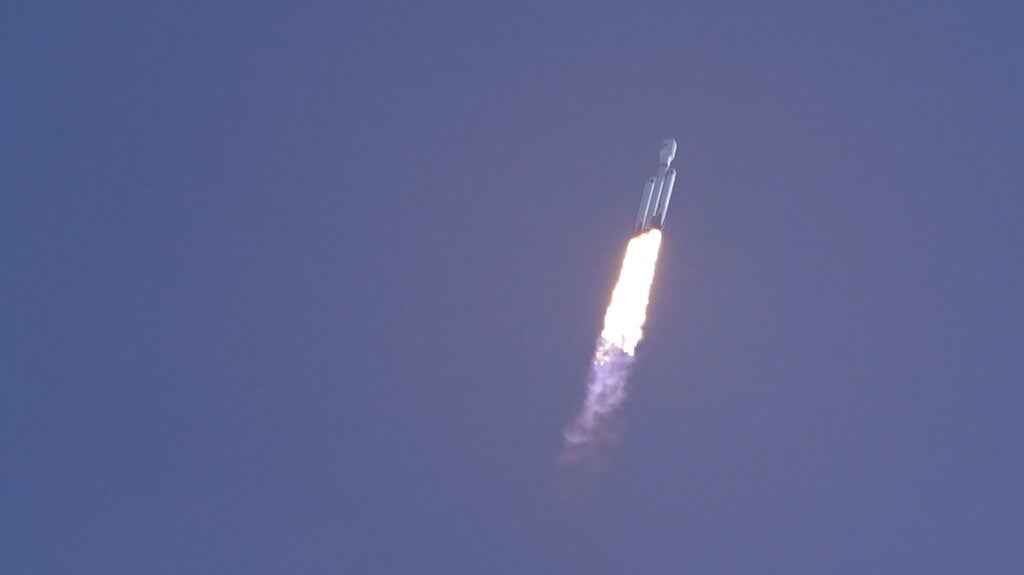
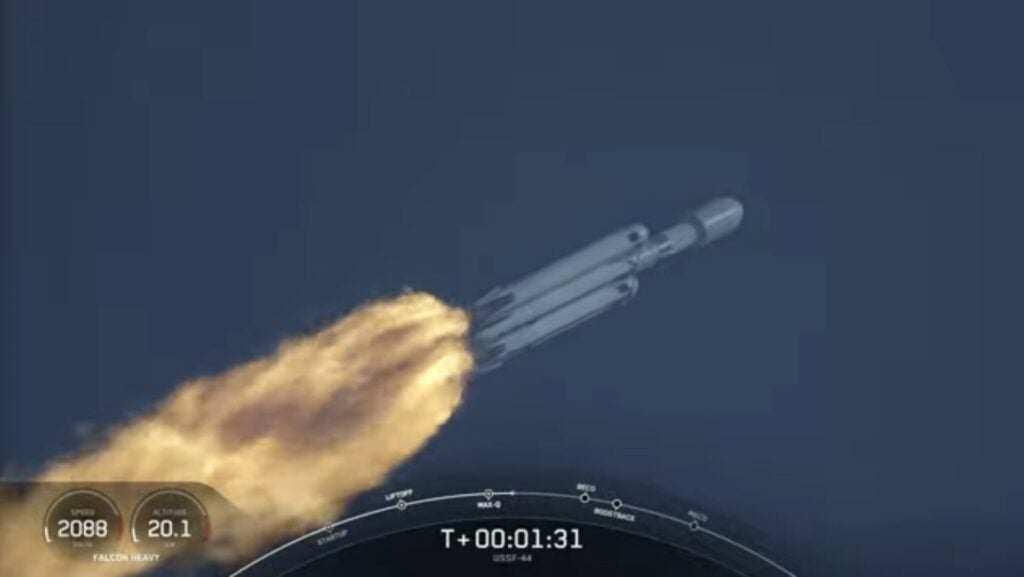
Whether it's to deliver satellites to orbit or astronauts to the Moon, the next generation of rockets are poised make space more accessible.
In orbit since 2019, LightSail 2 is expected to burn up in the atmosphere at some point within the next few months.