The winning concept would ideally be ready for launch by the end of the decade.
The Mars probe will continue scientific operations until late August at least, NASA said.
A problematic hydrogen leak and incomplete countdown rehearsal means a fifth SLS wet dress rehearsal is a distinct possibility.
The private space company launched Starlink satellites, a military radar satellite, a satellite that takes pictures of Earth, and a mystery payload, perhaps.
An attempt to use the Cygnus freighter as an ISS booster was supposed to last for 5 minutes, but it had to be terminated after just 5 seconds.
The astronauts will launch to the International Space Station on a two-week mission.
SpaceX's next generation of Starlink satellites could pose an even greater threat to astronomical observations.
The dress rehearsal for Artemis 1 starts on Saturday, with propellant loading expected on Monday.
The flying observatory expanded what we know about astrophysics and planetary science, but NASA could no longer justify the project.
NASA's Perseverance rover spotted what appears to be a precariously balanced rock amid a larger outcrop.
Staff members circulated an internal letter asking their company to adhere to its own “zero tolerance” policy with the company's CEO.
The replica spacesuit was put together by Mythbusters host Adam Savage, with the real version expected in 2023.
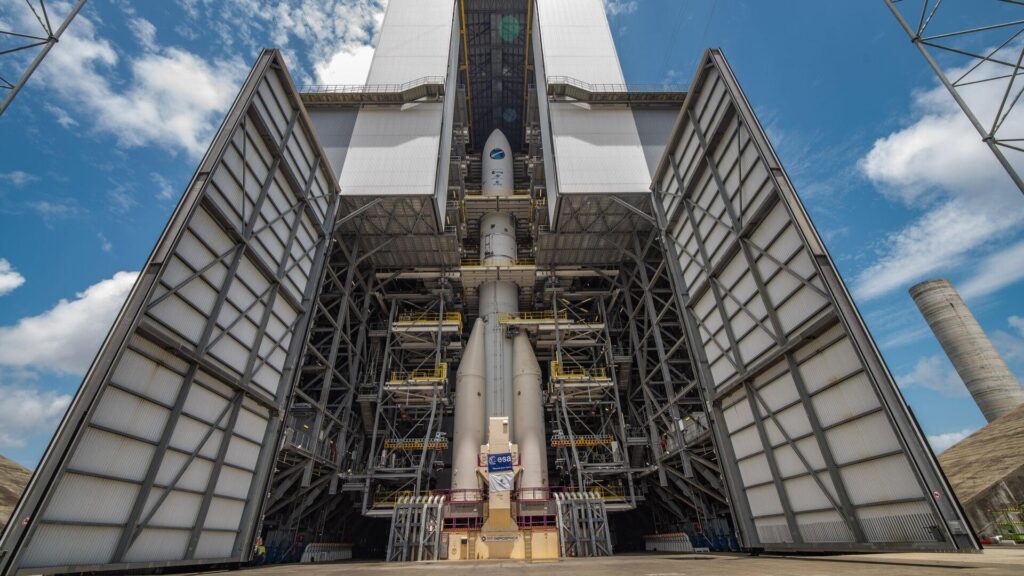
Vega-C is scheduled to launch from French Guiana in July.
Observations from a radio telescope almost certainly aren't evidence of aliens, but we'd love to know more about these alleged signals.
Emboldened by the FAA's recent decision, the SpaceX CEO figures he's now on the verge of launching Starship rockets, but plenty of hurdles remain.
The private aerospace company also confirmed a proposed launch schedule for its upcoming spaceplane, Dream Chaser.
The upcoming Polaris Dawn mission aims to fly higher than any other Crew Dragon mission before it—and even perform a spacewalk.
Once built, the futuristic system would use satellites to transmit solar energy to receiving stations on Earth.
ESA's Gaia detected unusual 'starquakes' during its third survey of the galaxy.
The propellant leak and ensuing investigation has resulted in a one-month delay to the CRS-25 cargo mission.