A big solar flare from November 28 will arrive on Earth overnight, potentially creating opportunities for aurora sightings across the northern United States.
An unstable gyroscope has forced NASA's Hubble Space Telescope to enter safe mode, resulting in a temporary suspension of its scientific observations.
The second test of SpaceX's Starship was one of many eye-catching moments from a memorable month in spaceflight.
The artificial aurorae could be an issue for astronomers and communication systems.
NASA has postponed the launch of its Dragonfly mission to Titan until 2028, with formal confirmation of the project not expected until later next year.
Work is underway on a modified version of the Starship upper stage, aimed at enhancing its performance and reliability.
Under a bilateral NASA agreement, the Italian Space Agency and Thales Alenia Space are collaborating to create the first permanent human habitat on the Moon.
The officials criticized the cuts and urged NASA leadership to reconsider the move.
“We are back on track towards resecuring Europe’s autonomous access to space.”
Astronomers are trying to figure out what could have emitted a cosmic ray with such extraordinary energy.
Now in development, the Delta class spaceplane will pack more passengers, fly four times as often as its predecessor, and possibly be profitable.
Following a dramatic launch that ended in a double explosion, SpaceX’s Starship program faces new challenges as the company prepares for a third test flight.
As the International Space Station approaches its retirement, there is concern that commercial alternatives might not be prepared in time.
The Orion capsule's heat shield suffered some unexpected damage at the conclusion of the Artemis 1 mission.
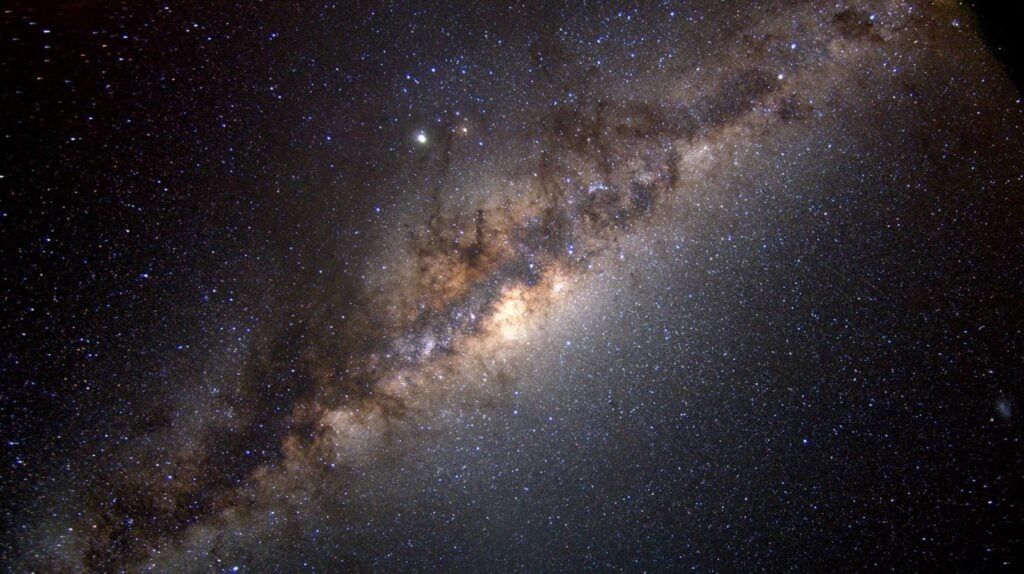
Using its near-infrared camera, the Webb telescope has revealed never-before seen features in the galactic center.
The rocket blasted off on Saturday, with both stages exploding several minutes after liftoff.
The space agency has toyed with big ideas over the years, but some things are even too NASA for NASA.
Both stages of the megarocket exploded during the 8-minute mission, but not before the successful implementation of a novel hot-staging maneuver.
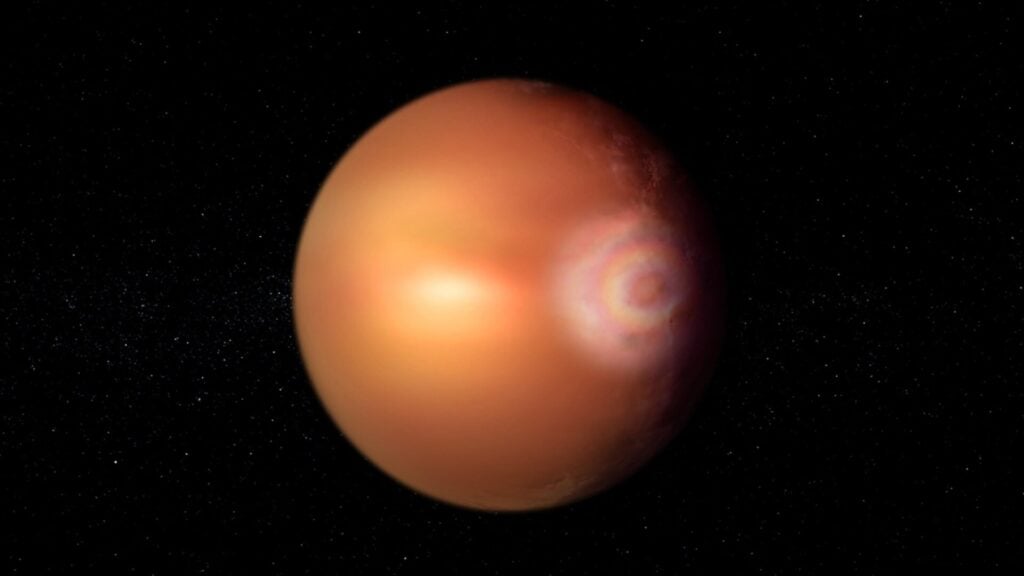
The transiting world is Earth-like…but roughly 500° Fahrenheit.
The annual sky show peaks in mid-November, and it's a spectacle you won't want to miss.