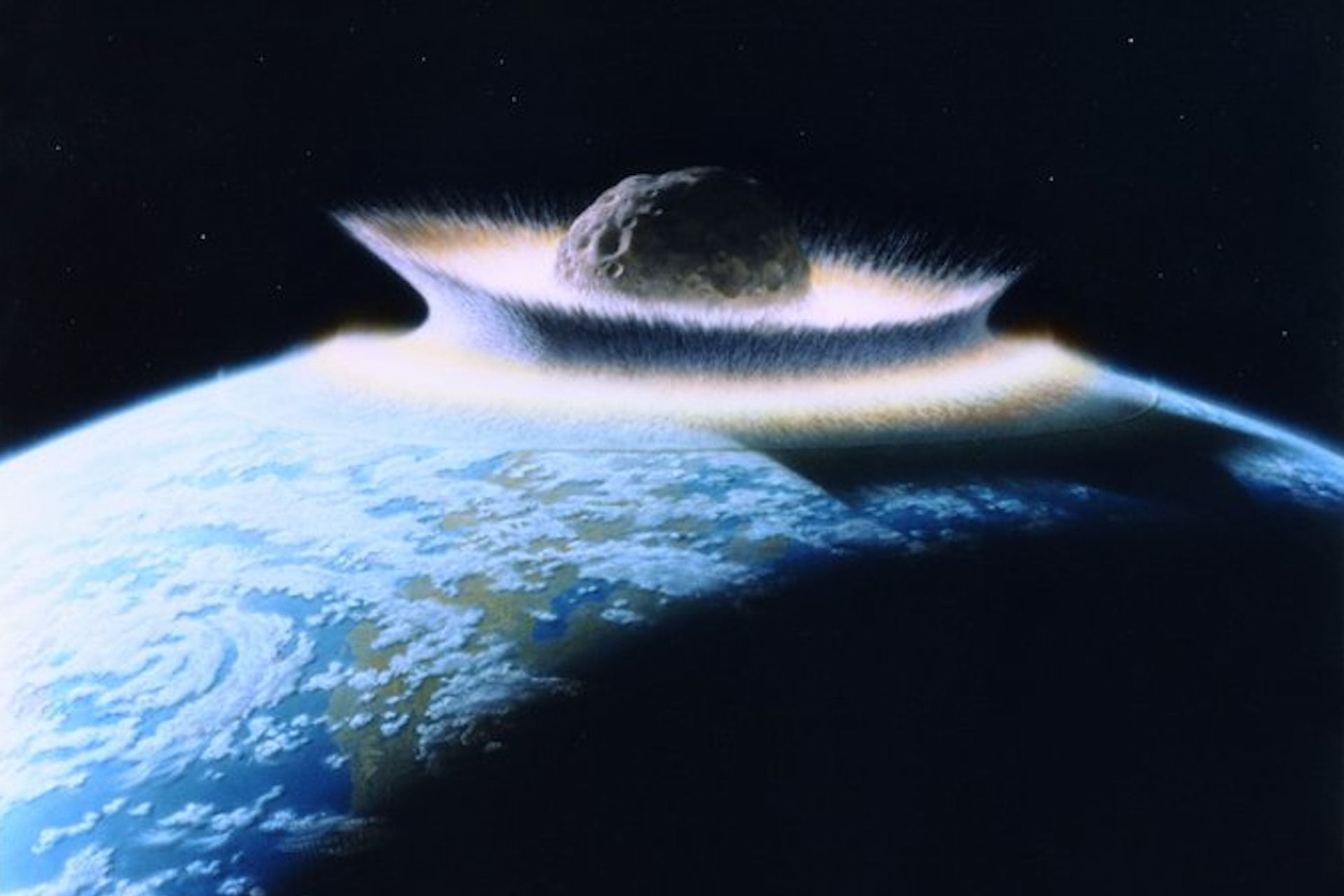
Scientists in China say a nuclear explosion could be the most effective way to stop a large asteroid—and they may have identified the best strategy for making it work.
A recent study published in Space: Science & Technology proposes a new approach for planetary defense. In response to the threat of an asteroid impact, the researchers, led by Wang Xiaowei from the China Academy of Launch Vehicle Technology, suggest carving a crater into the asteroid and placing a nuclear warhead inside it before detonation.
This approach could destroy or deflect asteroids roughly 330 feet (100 meters) wide, which would otherwise wreak havoc on our planet.
Incoming threat
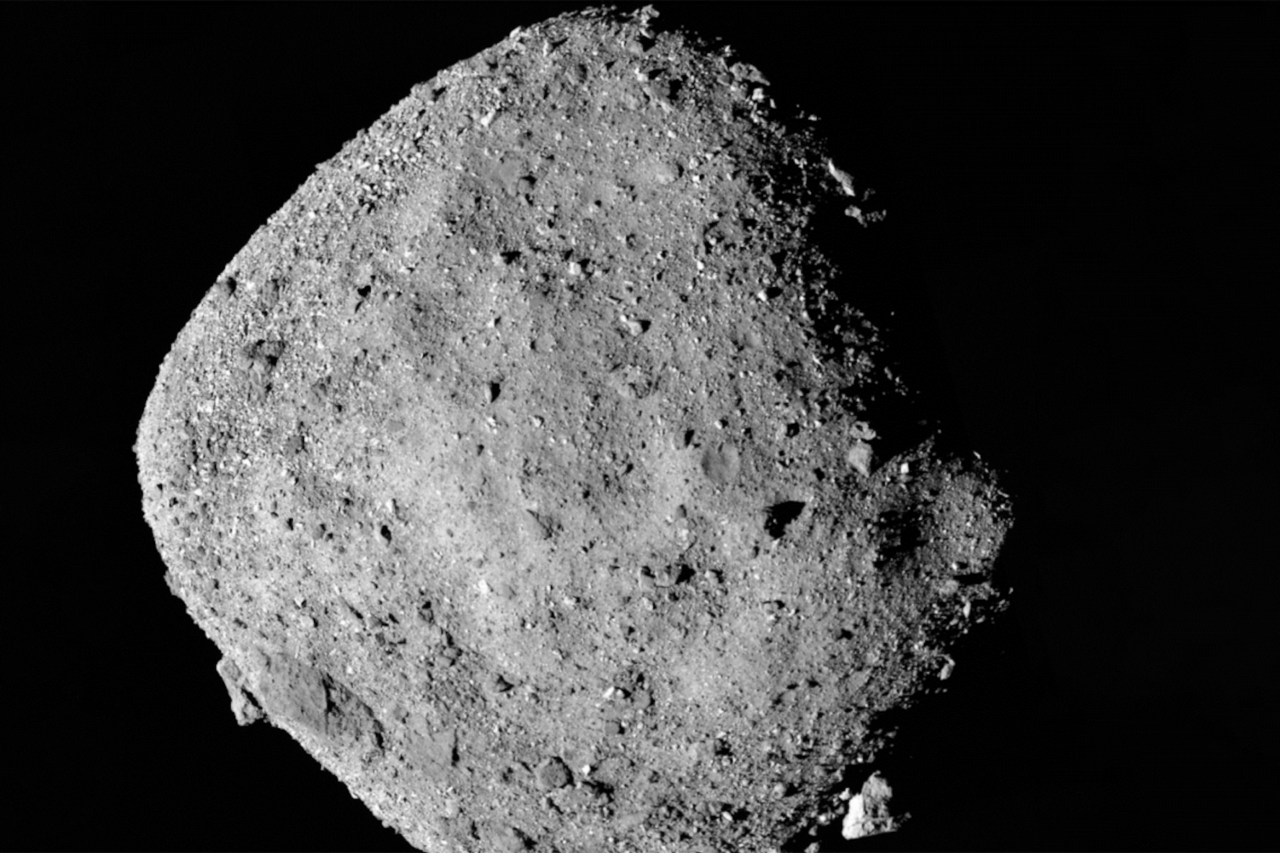
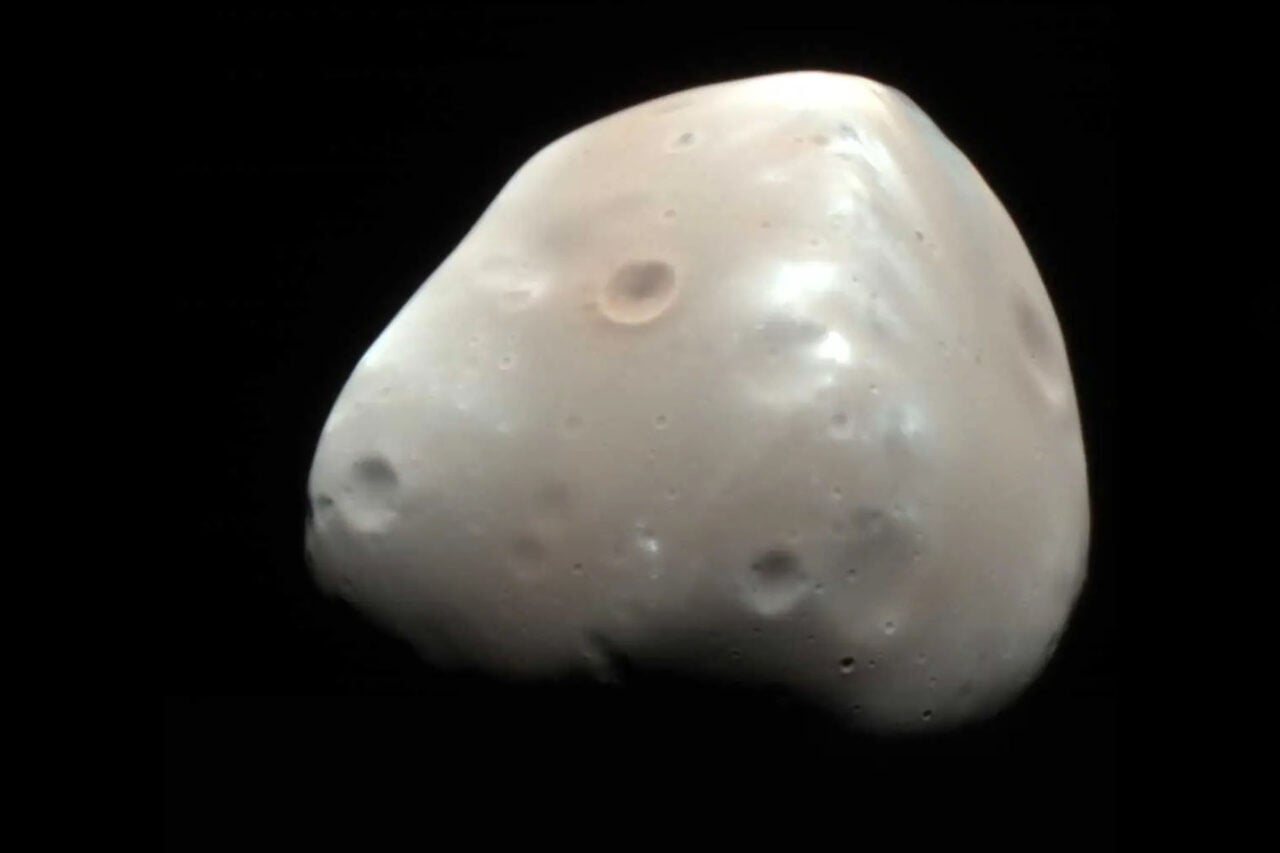
Asteroids are the leftover material from the formation of the solar system around 4.6 billion years ago. These rocky remnants orbit the Sun on an elliptical path, traveling through our solar system.
There are around 16,000 known near-Earth asteroids, and 1,784 of them are potentially hazardous, according to NASA. A potentially hazardous asteroid is one with an orbit that comes within 0.05 AU (about 4,650,000 miles or 7,480,000 kilometers) of Earth’s orbit and is typically larger than about 500 feet (140 meters) across. That doesn’t mean the object is necessarily a threat to Earth but simply one that scientists should keep an eye on.
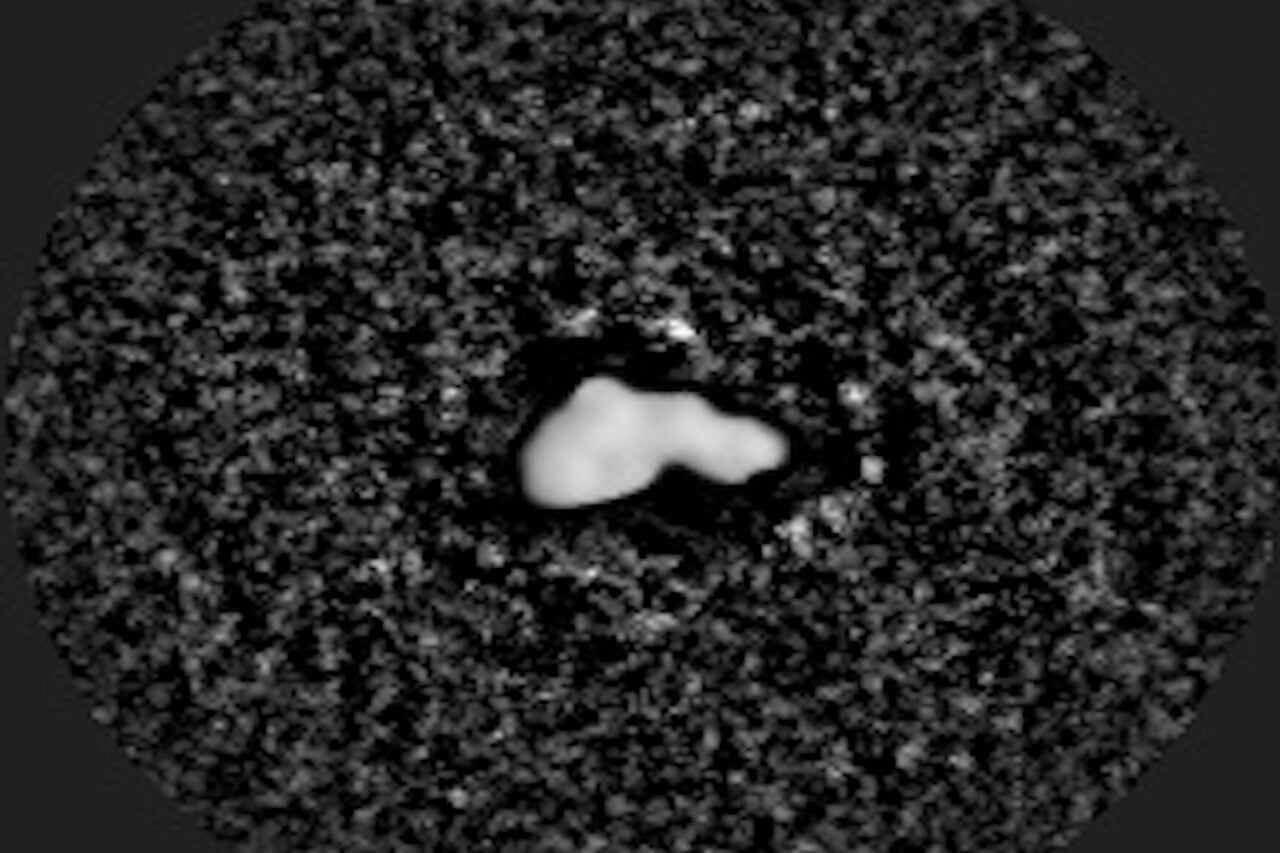
NASA and other agencies keep a close watch on these space rocks to get a heads-up should one be on a collision course with Earth. Last year, asteroid 2024 YR4 caught the attention of astronomers as it initially had a 3.1% chance of hitting Earth in 2032. Fortunately, those odds later dropped to near zero, leaving Earth in the clear—for now.
If an asteroid were headed for Earth, however, we’d need a plan.
Nuke them all
NASA demonstrated kinetic impact through its DART mission in 2022, crashing a spacecraft into an asteroid to alter its trajectory. The researchers behind the new study argue that for asteroids larger than 330 feet (100 meters), deflection methods or using kinetic impact may not be successful on a short timescale.
Instead, they suggest “using the enormous energy generated by nuclear detonation to directly destroy or rapidly deflect the asteroid’s orbit,” the researchers wrote in a statement. The researchers put forth two defense modes for an asteroid threat.
The first is a direct-impact detonation method, which strikes the asteroid’s surface to create a small crater and place a nuclear device. The second method uses a penetration device to create a deeper crater for a nuclear warhead. This pre-excavation detonation approach ensures the asteroid is blown to bits from the inside.
The researchers modeled the damage done to the space rock using a virtual threat asteroid database under various yields and burial depths. They found that the pre-excavation detonation method is the best option to destroy a large, incoming asteroid.
“The results demonstrate that the flyby pre-excavation detonation mode, due to its ability to autonomously select the cratering location and achieve deep detonation, offers stronger energy coupling,” the researchers wrote.
Earth may not be in danger right now, but it’s always a good idea to be prepared.