At long last, Snap is ready to sell AR glasses to the masses. This week, it took the wraps off its Specs AR glasses, a commercial, non-developer version, which cost an eye-watering $2,195 and are slated to be released this fall.
There’s a lot happening with Snaps’ new Specs. The company is promising a spatial computing experience in a device that’s a small fraction of the size of XR headsets like the Vision Pro or Meta Quest, and it’s positioning its AR glasses as something you’d potentially want to wear on all occasions—for work, for play, for just puttering around. In its own words, Snap thinks its Specs are a “wearable for everyday life.”
As far as public opinion goes, none of that really matters, though, because the only thing most people can think about is how they look on your face—or more specifically, how ridiculous they look on your face. On social media, people have wasted absolutely zero time skewering Snap’s Specs for being bulky and generally dorky-looking, and Snap’s CEO Evan Spiegel is at the center of most of that commentary.
You’re telling me there’s not a single person at Snap brave enough to tell Evan Spiegel that these glasses look atrocious?
Looks like 3D glasses at an IMAX theater pic.twitter.com/qH8KGYbQhj
— Alex Cohen (@anothercohen) June 17, 2026
I can’t say for sure, but I am going to go ahead and assume these are not the launch reactions that Snap had hoped for, especially considering a few facts. Fact one: this version of Specs is actually much smaller than previous ones. While a developer version weighed 226g, this lighter, more wearable version weighs 132g, if we’re talking about the smallest, 47mm model. It’s a drastic reduction in weight in Specs terms, but apparently not a drastic enough one to elicit cheers in general, regular people terms.
Fact two: these aren’t just glasses you’re supposed to wear at home. Specs, as shown in Snap’s keynote and its own messaging, are supposed to be for everyday wear. Unlike Apple’s Vision Pro or the Meta Quest, Snap doesn’t want you dorking around at home with its Specs, it wants you dorking around in real life in front of other people. In that way, the visceral reaction to the look of Specs isn’t just an aesthetic problem—it could be a fatal one. People do not like to look stupid. Period. Especially if they have to pay thousands of dollars to do so.
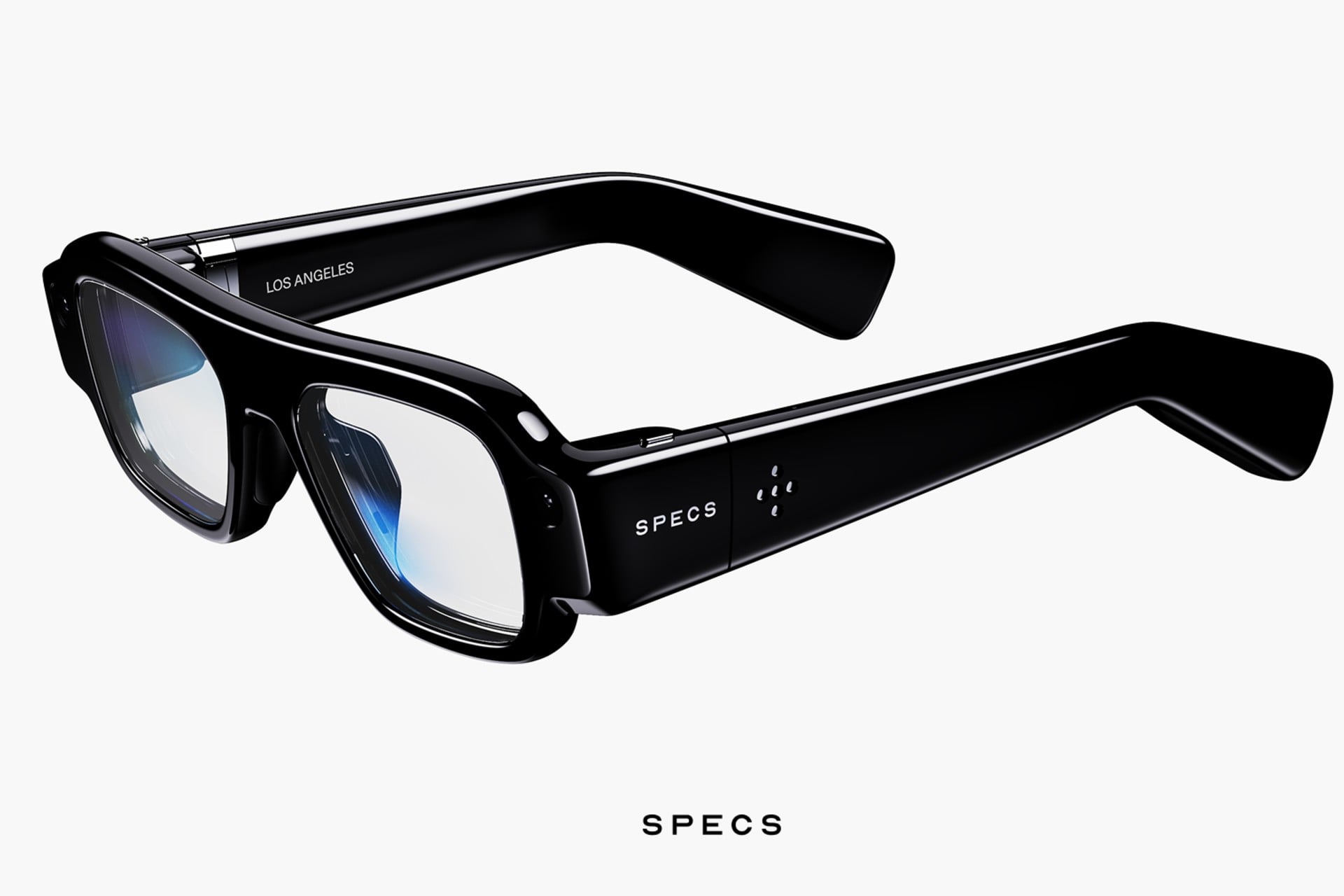
It’s a rough start for Specs, but the fact is, Snap isn’t alone in its optics issue. In their current state, AR glasses are a tough sell to say the very least.
I’ve worn versions of AR glasses from TCL’s RayNeo and Inmo, a crowd-funded AR glasses company, and the pain points are palpable—like, literally speaking. They’re heavy on your face, not at all discreet, and the battery life leaves a lot to be desired. Meta hasn’t released its Orion glasses to the public yet, but from afar, they look like they may share similar problems.
All of those issues say nothing of the actual software part of things, too. Like most nascent gadget categories, AR glasses have a dearth of developer support, which, for early adopters, can probably be forgiven. The issue is, for AR glasses, the fields feel particularly barren.
In Snap’s own keynote, it showed some applications—mostly AR experiences developed in Snap’s Lens Studio—but for the most part, killer, practical use cases were left up to the imagination, outside of navigation and measuring things in 3D space. In a briefing ahead of the Specs launch, I was told that more news on apps would come later this year. I guess we’ll see?

AR glasses are still very much a work in progress, and in Snap’s defense, its plans for Specs are ambitious. Unlike smart glasses, this is not a device that relies on your phone for compute; it’s a standalone gadget that is meant to do everything all on its own. That’s a tall order, and when you compare across the spectrum to devices like Google’s and Xreal’s Aura glasses, the size of the challenge crystallizes even further. Aura are tethered glasses that rely on a separate, wired compute puck to work, and they’re still, even with shifting compute to a separate piece of hardware, not nearly as light and comfortable as a regular pair of glasses—not even in the same ballpark.
Given the ambition of Specs, it almost feels unfair to dunk on Snap’s AR glasses so hard. Then again, Snap chose to enter the market knowing all of the constraints I’ve just listed above. Maybe it’s hoping that people’s tolerance for wearing heavy, dorky-looking hardware on their faces has shifted in its favor, and to some extent, Snap may be right. Meta has sold quite a few Quest headsets over the past few years. But right now all I see is a lot of snark and a few sparse reasons to give AR glasses the old college try. For $2,200 that’s not the kind of publicity that bodes well—lofty goals or not.