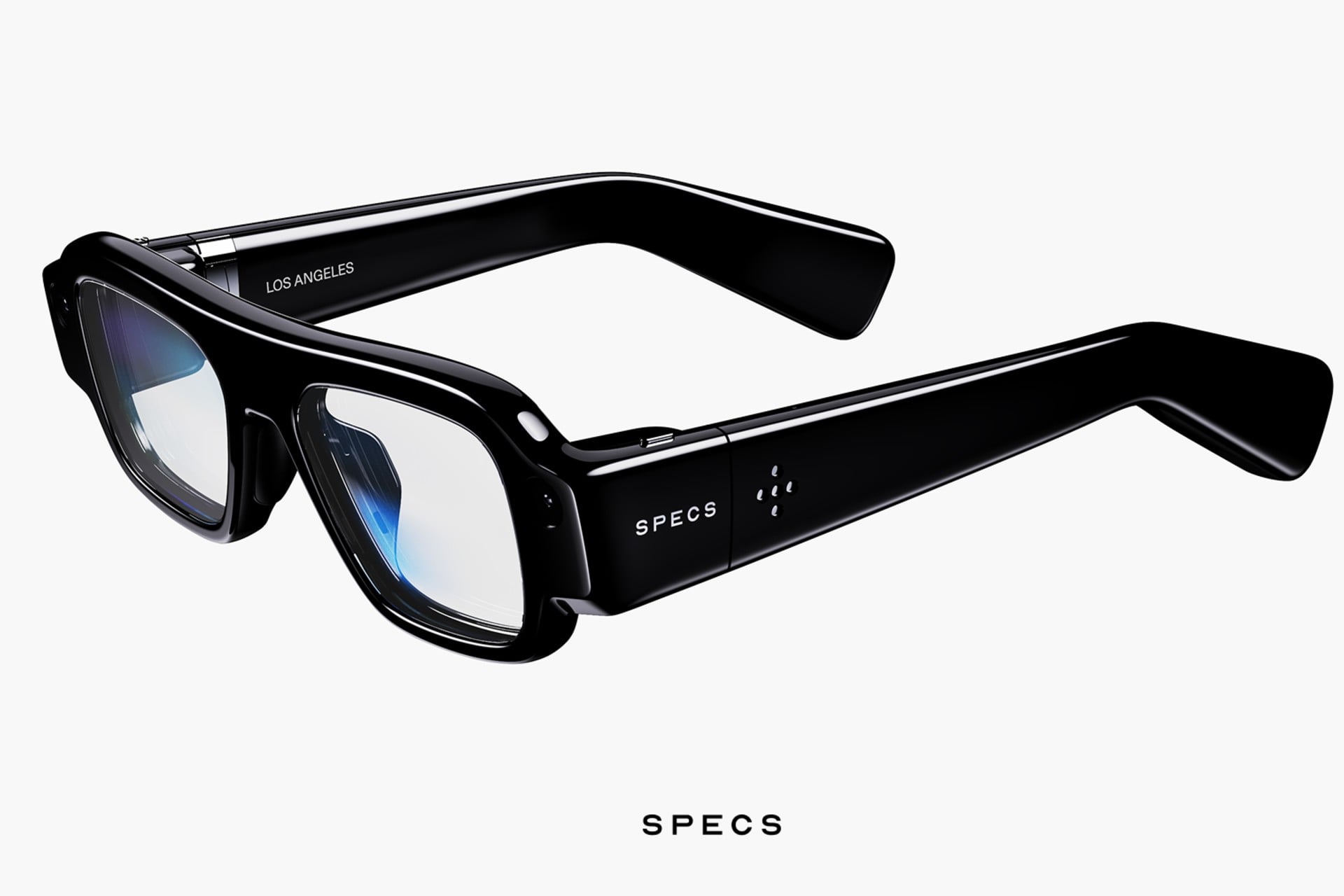
Snap’s AR glasses aren’t just for developers anymore. Today, as a part of Augmented World Expo (AWE) 2026, Snap unveiled a consumer version of its Specs AR glasses that anyone with deep enough pockets can actually own and wear.
The first thing you need to know is that these $2,195 Specs are as ambitious as they are expensive. Unlike Meta’s current crop of display glasses, which are basically 2D screens for things like notifications, the new Specs, like the previous developer version, are more like a Meta Quest headset—they’re made for spatial apps rather than for use as a “heads-up display.” They’re also, unlike smart glasses, not reliant on your phone for computing, nor on a puck like Xreal and Google’s Project Aura. In a lot of ways, Specs are aimed more at future products like Meta’s Orion AR glasses than they are existing smart glasses.
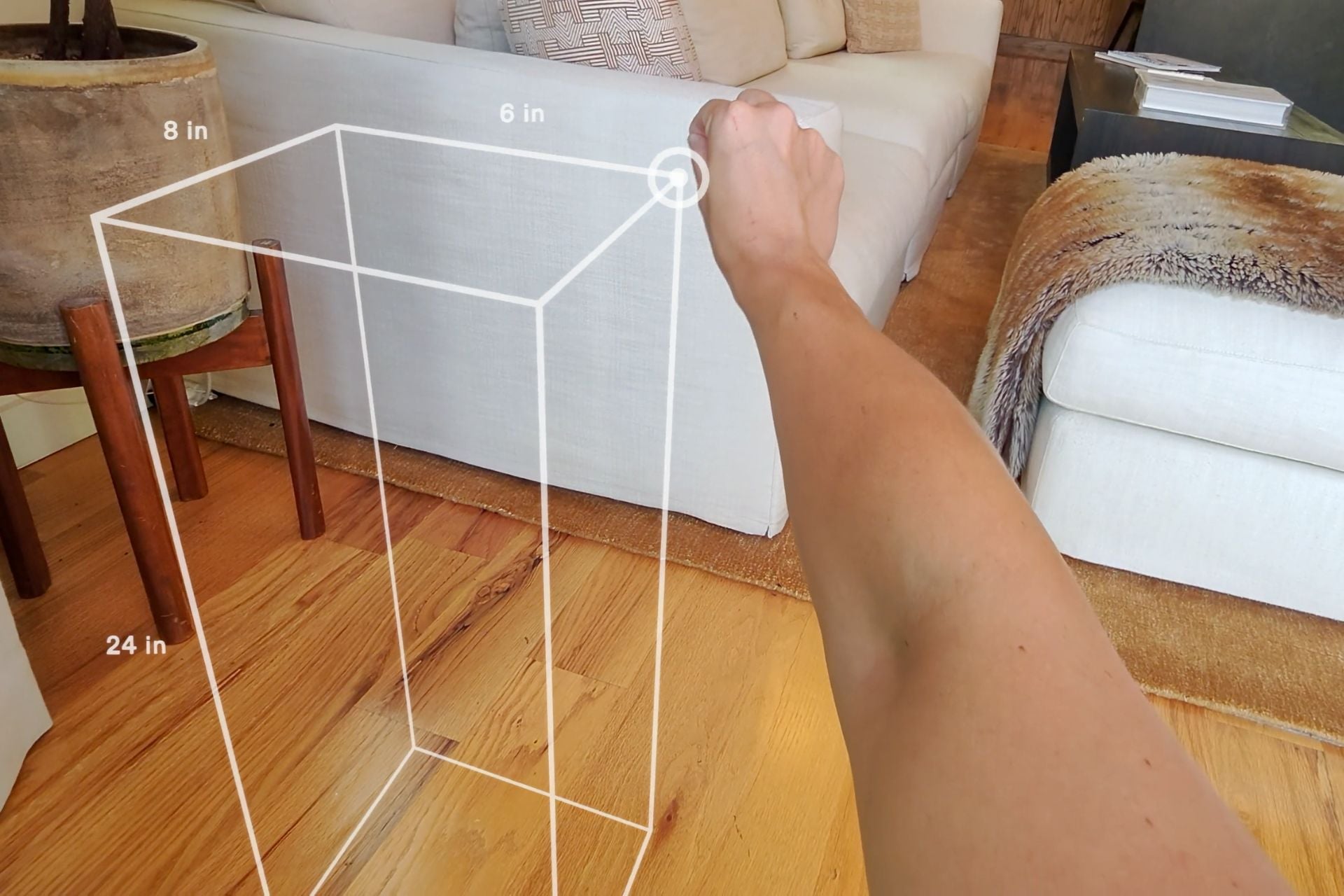
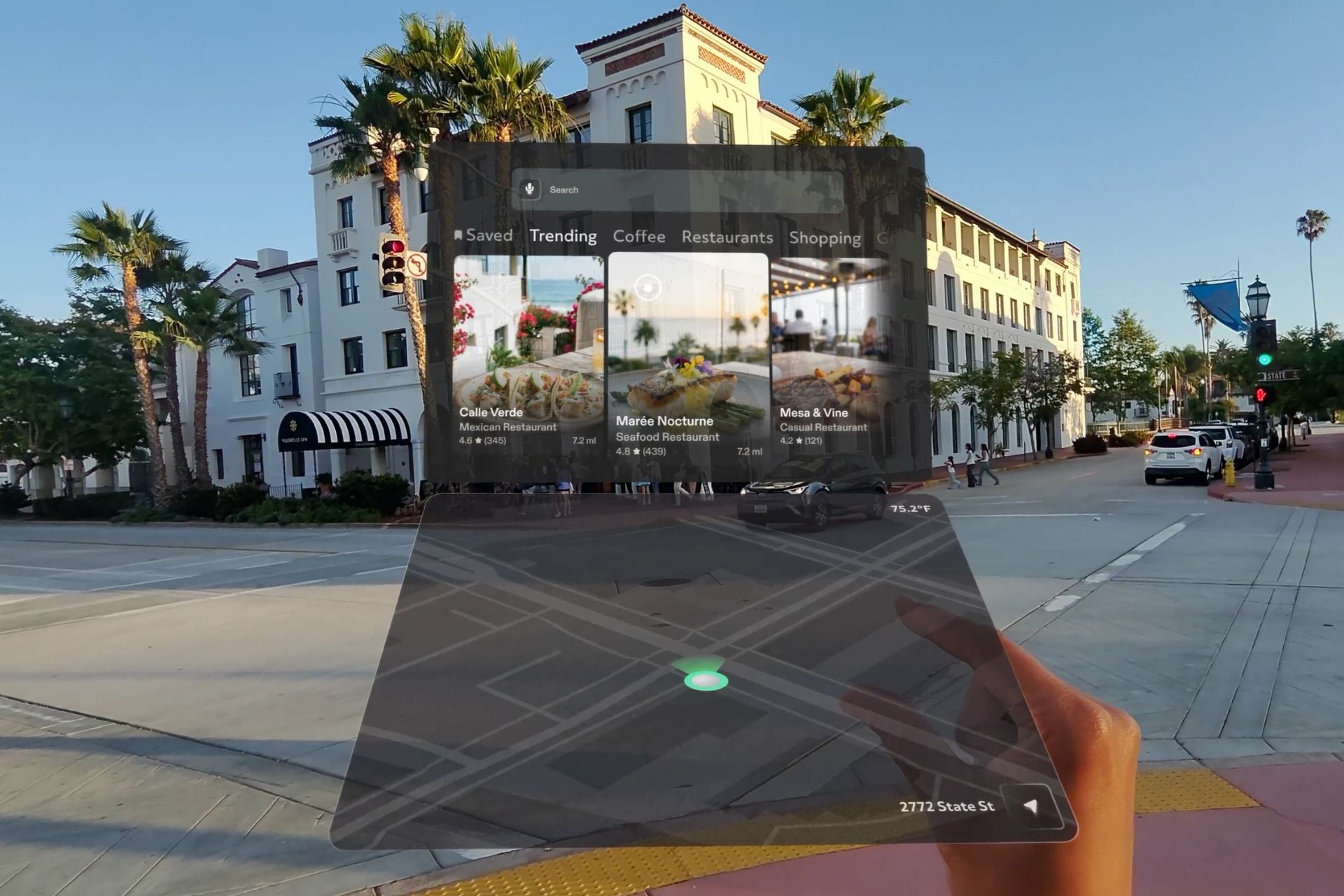
In the app department, Snap didn’t have much insight to offer. Specs app examples include a virtual measuring tape that can understand 3D space or turn-by-turn navigation and augment directions onto your environment. Snap also highlights the device’s abilities to stream content and run applications, such as casting a screen from another device or opening a whiteboard for collaboration in a virtual space. Naturally, you’ll be able to take advantage of creations made in Snap’s Lens Studio, where devs have been building AR experiences since 2017.
Outside of that, though, apps are a bit of a question mark. I asked Snap what apps will be available on the Specs at launch, but it said it will have more information later this year. And no, Snap wouldn’t tell me if Snapchat was in the cards.
Hardware-wise, the Specs have taken a step forward from their developer-only days. For one, the consumer-facing Specs are lighter: 132g instead of 226g. They’ll also come in two sizes, 47mm and 52mm, which is a wise choice, since small differences in eye distance can drastically affect how well one sees a screen at this distance. Speaking of screens, the display is a liquid-crystal-on-silicon panel with a 51-degree field of view. Snap is adding electrochromic lenses this time around, which transition when they’re in the sun. Snap says Specs can switch from clear to tinted in 10 seconds, which is important for contrast if you’re planning to use the AR glasses outside. The company currently isn’t sharing information on display resolution or max brightness, though.
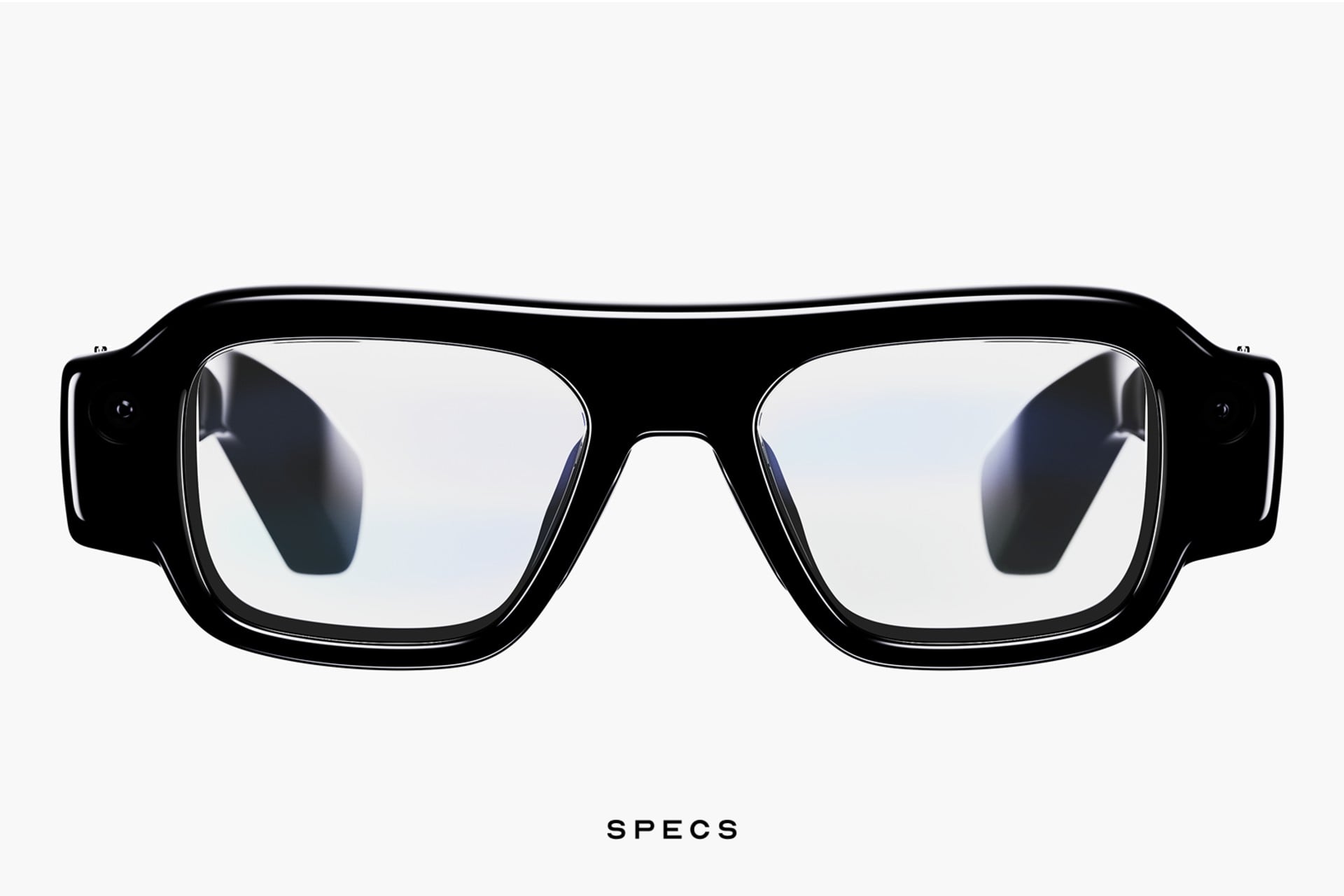
Like other AR and smart glasses, these models have cameras that enable spatial experiences, and Snap says they can capture photos and video, though it didn’t say much beyond that. Like Meta’s competitors, the Specs have an LED indicator that lights up when photos or videos are being captured, indicating that recording is in progress. Whether that is sufficient to warn people that they’re being recorded is another question entirely, but it’s at least the bare minimum at this stage for face-worn computers. Snap says it will have more information on the photos and videos front later this year.
Battery life is, unsurprisingly, fairly short. Snaps says you’ll get about 4 hours on a single charge, though that’s extended by a charging case that provides 20 hours of juice.
As important as screens and apps are, controlling a device that lives on your face is just as critical. While Meta has opted for an additional wristband in its Meta Ray-Ban Display—the Neural Band—Snap says hand tracking will be the main input method. There’s a 7-millisecond photon latency, which is actually faster than the Vision Pro’s 12-millisecond latency.
Whether Snap’s Specs feel materially different from competitors like the RayNeo X3 Pro or (God forbid) the Inmo remains to be seen, but Snap has certainly had a long time to think about its hardware. I won’t know until the day I actually get to test the hardware myself, but at least the moment of truth feels imminent. Snap says Specs are slated to arrive this fall, and if you’re dying to be first in line, you can put down a $200 refundable deposit today.