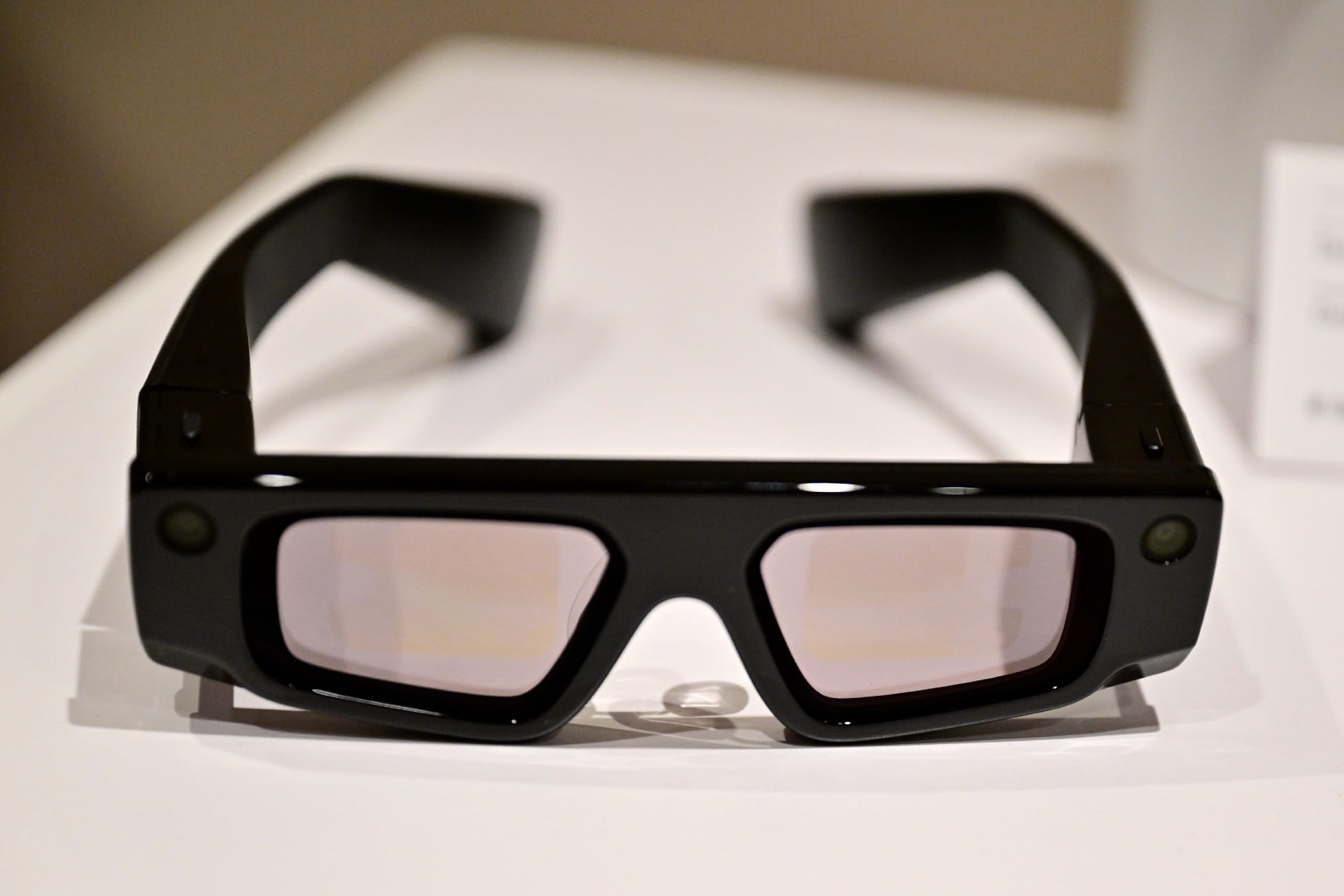
Snap has been cooking up consumer-facing AR glasses for quite a while at this point, but the development stage may finally be nearing a close. According to a report from Alex Heath’s Sources newsletter (via UploadVR), Snap will launch its first consumer-level Specs AR glasses this fall, with an unveiling as soon as June (probably at AWE 2026).
Heath also reported a target price for the Specs in October, though it flew under the radar—I certainly missed it. Snap will reportedly aim for a starting production of 100,000 units of its Specs at an eye-watering $2,500. I don’t think I need to even write this, but… that’s a lot of money, even compared to standalone AR/XR smart glasses and headsets.
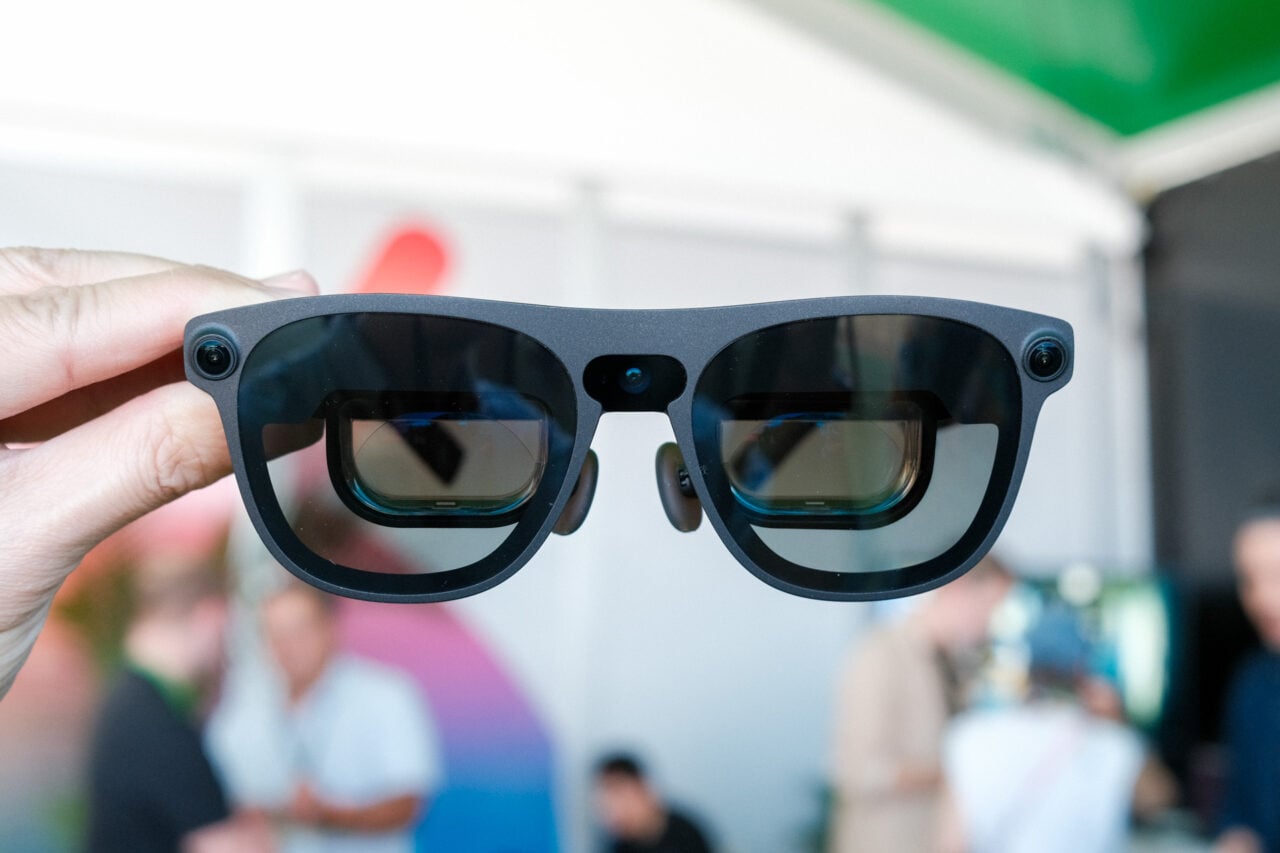
While there admittedly aren’t many standalone AR glasses out there, save for some pairs that I’ve reviewed that I would not recommend buying (Inmo’s Air 3 AR glasses or even RayNeo’s X3 Pro), $2,500 is still a hefty chunk of change. It’s a bulkier headset, but Apple’s Vision Pro, for instance, costs $3,500, which is obviously a good deal more money. Still, I highly doubt that Snap’s Specs will be able to do half of what Apple’s XR headset does—it certainly won’t have the same support or developer ecosystem, especially at launch.
The proposition gets even tougher when you consider headsets like Samsung’s Galaxy XR, which has a premium display like the Vision Pro and lots of the same capabilities, but costs $1,800—yes, less than Snap’s reported starting price. Then there are incoming XR glasses like Google and Xreal’s Project Aura, which don’t have a price yet but are estimated to cost anywhere between $1,000 and $1,500 at launch. Those can run spatial apps in a glasses form factor, though they are tethered and come with a compute puck.

Snap’s argument will be that none of those devices are quite like its Specs, and it does have a point. Specs are expected to be standalone (no puck, battery pack, or wires that connect to your phone/computer), and they’re also expected to be much less bulky than a full-blown headset—almost glasses-like. Similar to what Meta is pursuing with Orion. Sure, they’ll still likely be much bigger than the Meta Ray-Ban Display, but Meta’s smart glasses just have a 2D display with a 600 x 600 resolution and no support for spatial apps or anything.
Either way, if the $2,500 price tag ends up being correct, it will be an uphill battle for Snap, though I shouldn’t get ahead of myself. Maybe all that time developing Specs will actually pay off.