A new chemical and microscopic analysis of Pompeii residues documents a sacrificial rite that had only been previously described by ancient Roman writers and artists.
Seems like Europeans were playing blocking games centuries earlier than previously thought.
Mount Vesuvius preserved the ancient city's water system, including evidence of filth.
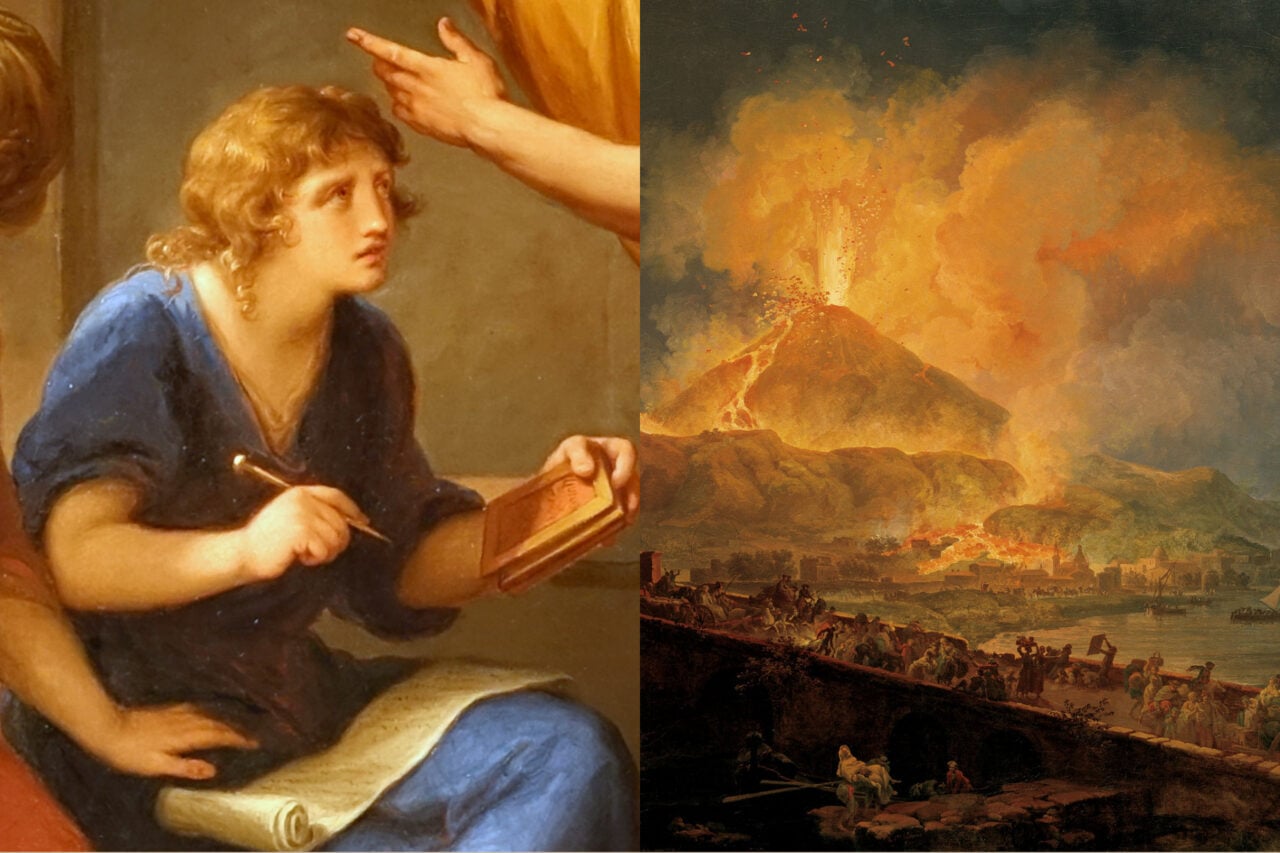
Despite the fact that Mount Vesuvius triggered one of the most infamous ancient tragedies, not everyone agrees on exactly when it took place.
How often do you think of ancient Roman cement?
A new study identified over 68,000 more miles of ancient Roman roads than were previously known.
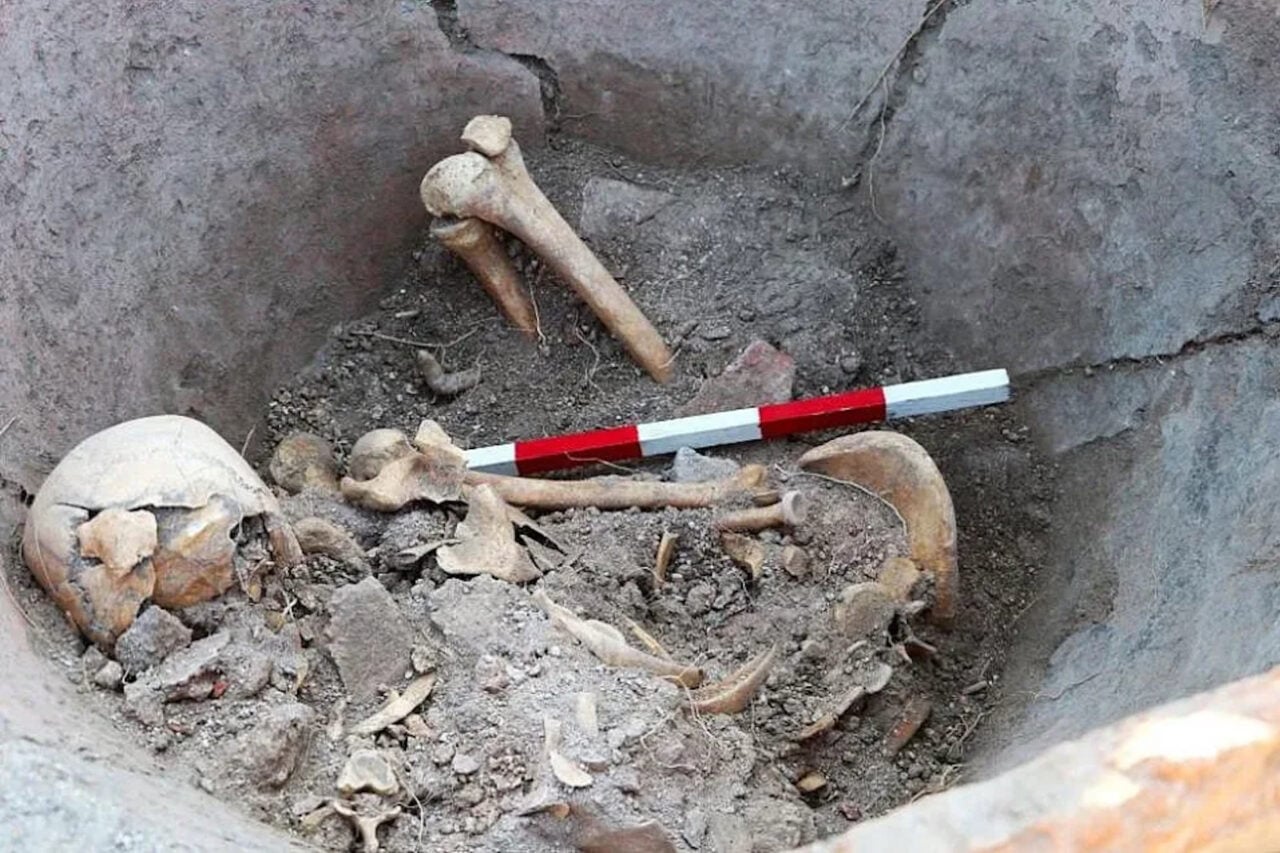
1,700-year-old ancient Roman burial grounds have come to light in southern France.
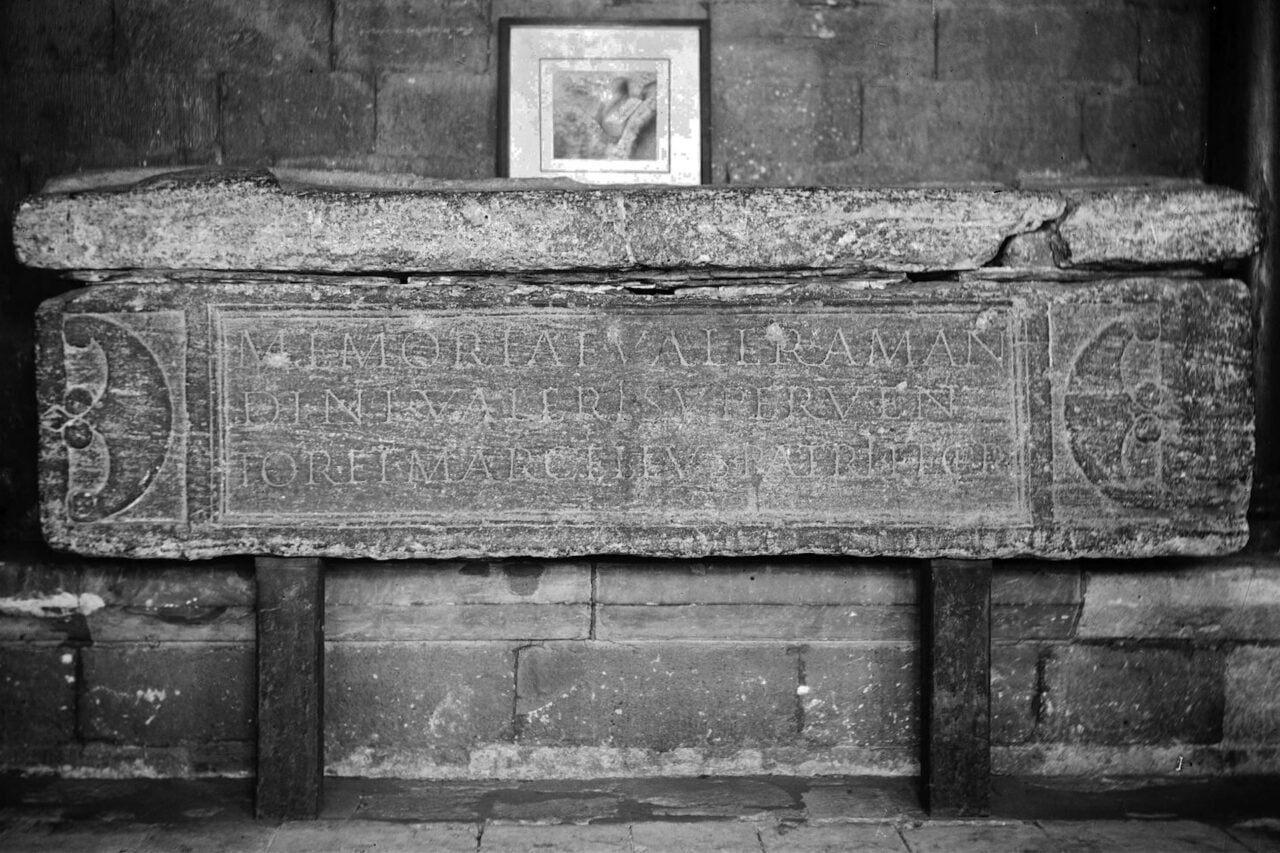
Homeowners found a marble slab carved with inscriptions while clearing out undergrowth in their yard. Turns out it was 1,800-years-old.
There is mounting evidence that after the Romans left Britain, the region's economy didn't suffer as badly as once thought.
Ancient Romans may have worn sandal straps between their second and third toes.
The Romans may have treasured the trilobite fossil for its presumed magical or protective powers.
Roman salting plants processed fish so thoroughly that researchers struggle to identify the species once used in ancient condiments.
A study of animal remains from an ancient trash pit in Mallorca suggests thrushes were once a staple of Roman street food culture.
A recent excavation reveals that a large building excavated in 1966 was just a part of an even grander ancient complex.
Almost 2,000 years after Mount Vesuvius exploded, scholars continue to uncover extraordinary archaeological remains immortalized in ash and pumice.
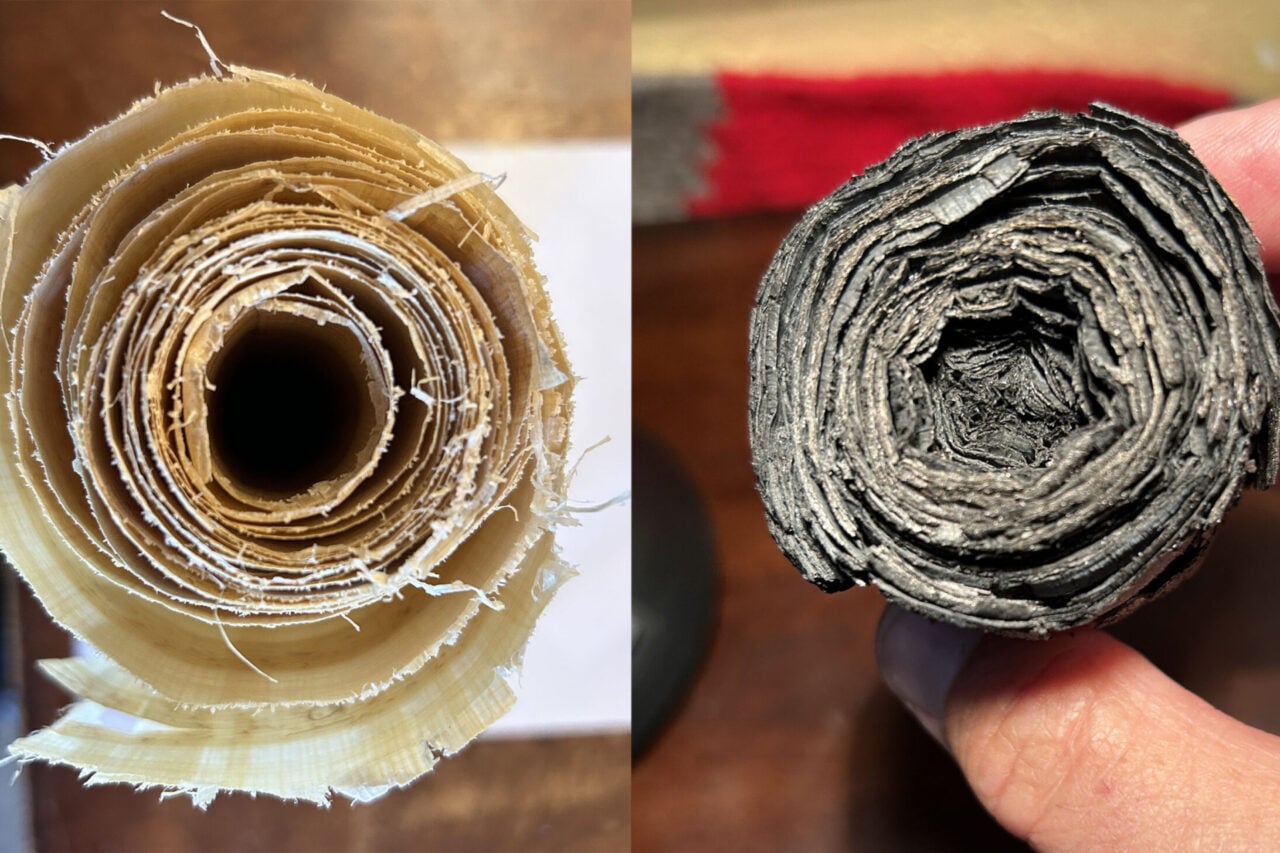
A sealed Herculaneum scroll yields its secrets—revealing a lost philosophical treatise by Philodemus through virtual unwrapping.
Researchers compared puncture marks on an 1,800-year-old skeleton in the UK to various animal bites, and concluded that the individual was likely bitten by a lion.
A construction project in Stuttgart, Germany, resulted in the discovery of the ancient site.
The remains belonged to around 150 men between the ages of 20 and 30—all victims of a fierce battle.
Thousands of years ago, Greco-Roman statues offered viewers a multi-dimensional experience that also called to our olfactory senses.