A newly described species from the Burgess Shale had three eyes, clawed limbs, and a tail full of gills—plus internal organs preserved in stunning detail.
The ancient, gilt creatures represent a new species, and hint at the anatomy of an iconic group of arthropods.
Arthropleura were huge, had a bunch of legs, and likely scavenged on dead bodies. How charming. And now we know what their faces looked like, thanks to new research.
Discovered over a century ago, paleontologists think they've finally cracked the code of the wacky creature's morphology.
The ever-brighter nights on Earth are making it hard for luminous insects to find each other.
Researchers say Culex lactator is the latest invasive bug to call Florida home. It's not yet known whether it poses a disease risk to humans.
A giant lacewing hadn't been collected in the eastern U.S. for more than 50 years—until a scientist stumbled upon a specimen at a Fayetteville Walmart.
Three of the Sheriff's deputies were allegedly allergic to bee stings and one was sent to the hospital.
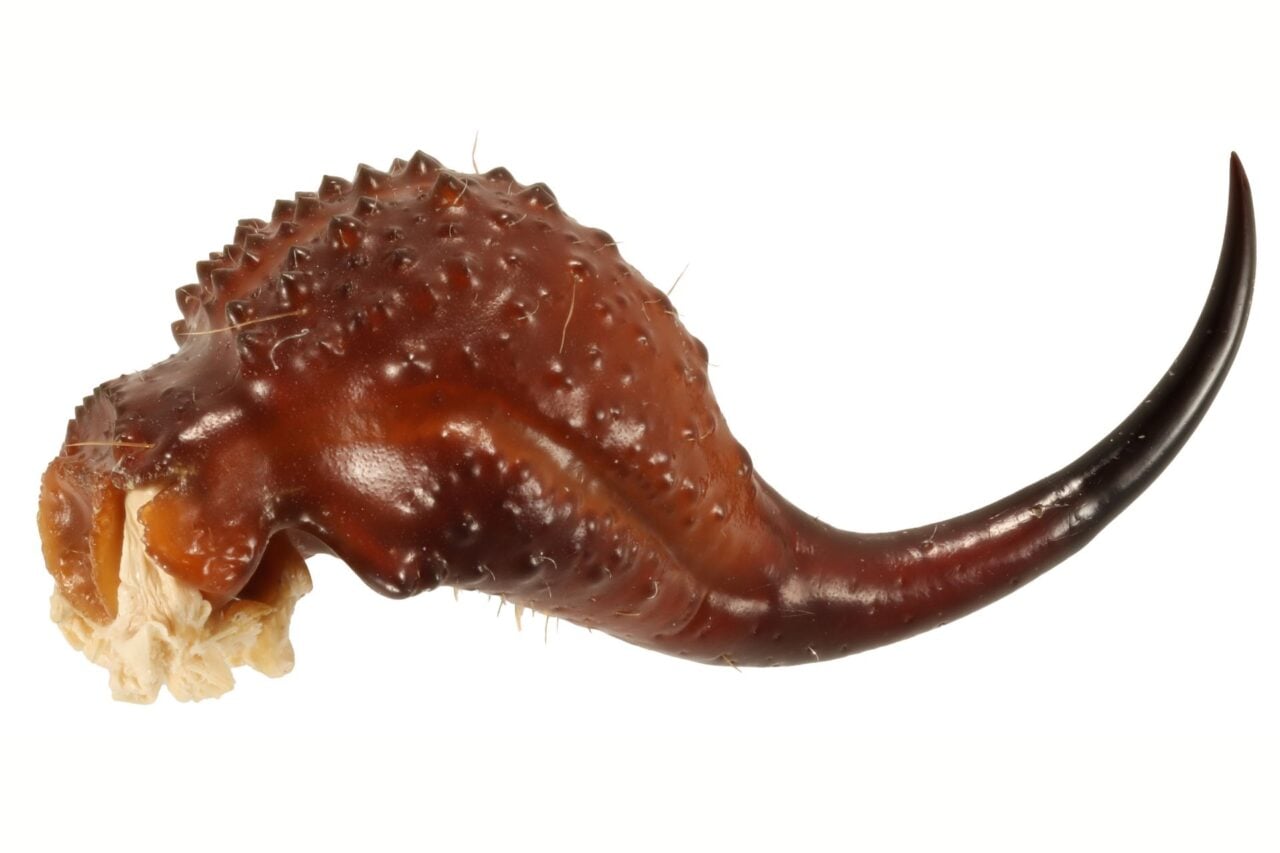
Following a 90% population reduction in just two years, the state has cancelled snow crab season for the first time ever.
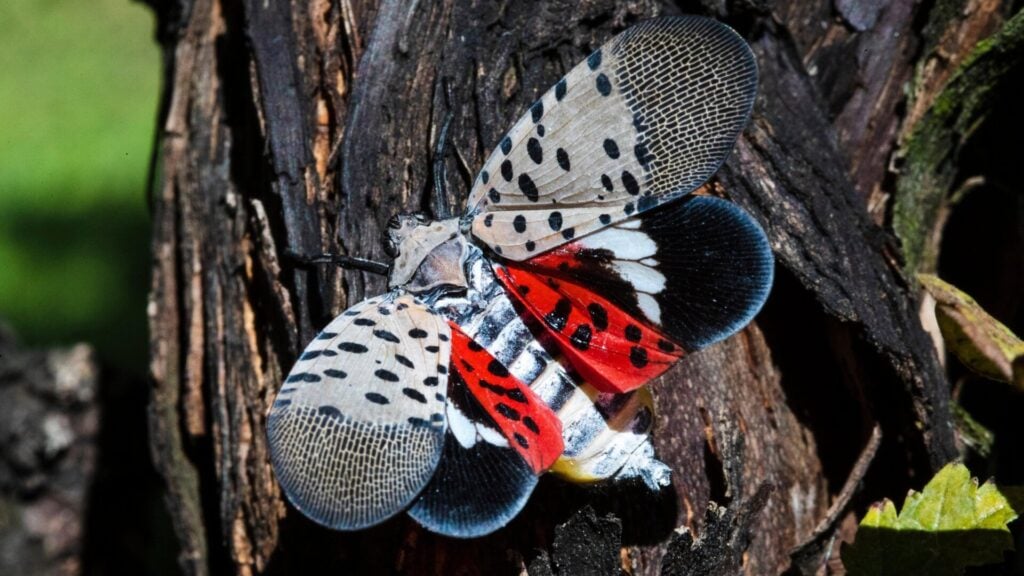
The invasion of the spotted lanternflies is intensifying, and if you haven't been doing your part to kill them, it's time to step up.
A recent census of bees in the state found disturbingly few of the insects.
So devastating is this fungal pathogen to invasive crazy ants that it sometimes leads to the extinction of local populations.
The smell of hornet sex may be entomologists' best bet for culling these giant invaders.
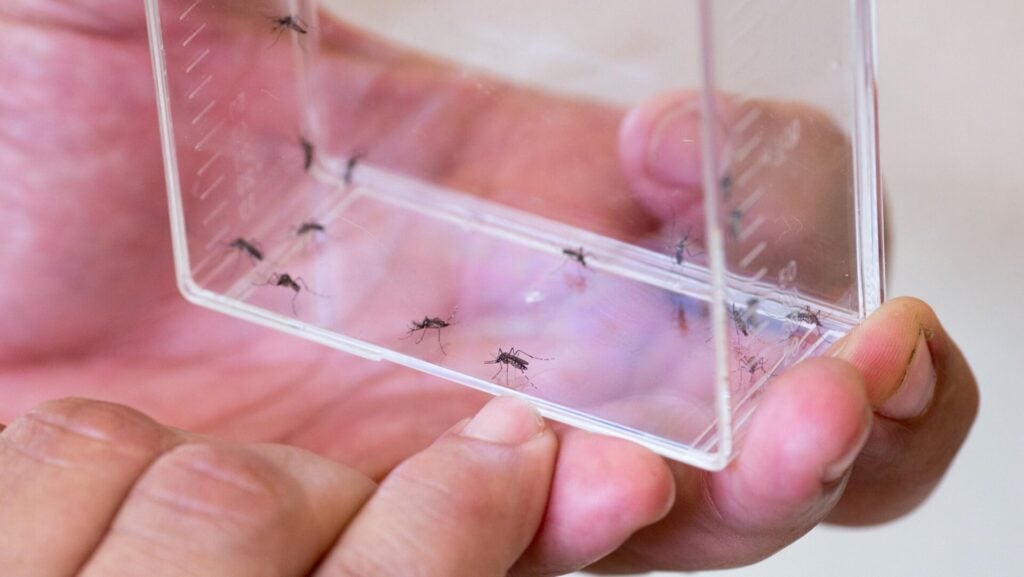
The EPA has approved Oxitec's modified skeeters for release into the wild, as part of a strategy to reduce mosquito-borne diseases.
Despite their name, none of the leggy arthropods had made it to 1,000 legs before now. This one has 1,306.
Wildlife officials in Texas found a fish with its tongue cut off and replaced by a crustacean parasite—all part of the circle of life.
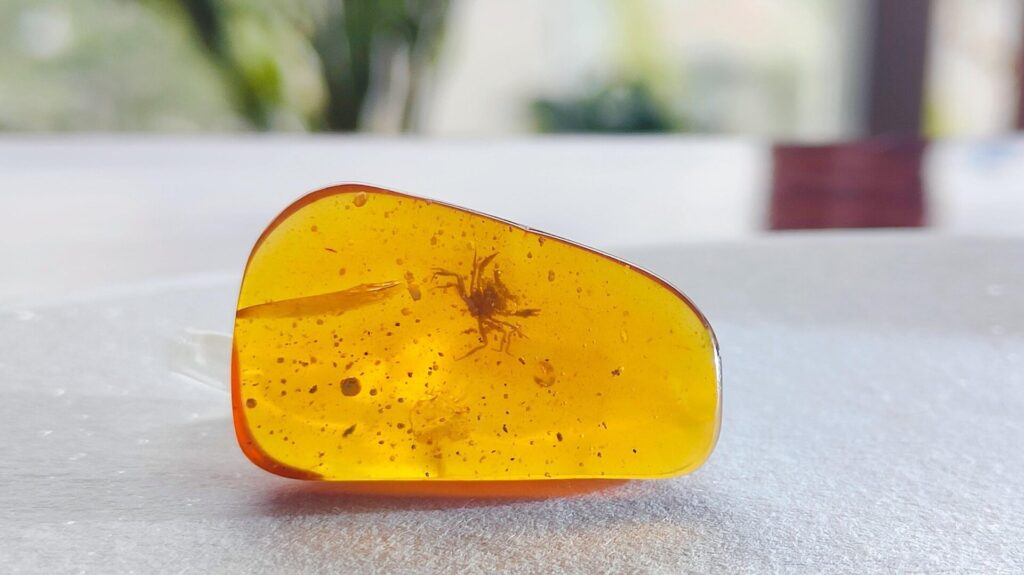
The crab’s antennae, large eyes, and fine hairs are all clearly visible.
The crustaceans’ anatomy divulges little of their age, so scientists checked their DNA.
Scientists were surprised to discover wasp nests glowing brightly under a UV flashlight.
The white, red, and black invasive bugs are taking over the East Coast. Officials say you should kill them.