
The Artemis 1 spacecraft is returning from its historic trip to the Moon, with splashdown scheduled for Sunday, December 11 at 12:40 p.m. ET.
The exciting finale of the Artemis 1 mission will involve a reentry technique never attempted for a passenger spacecraft.
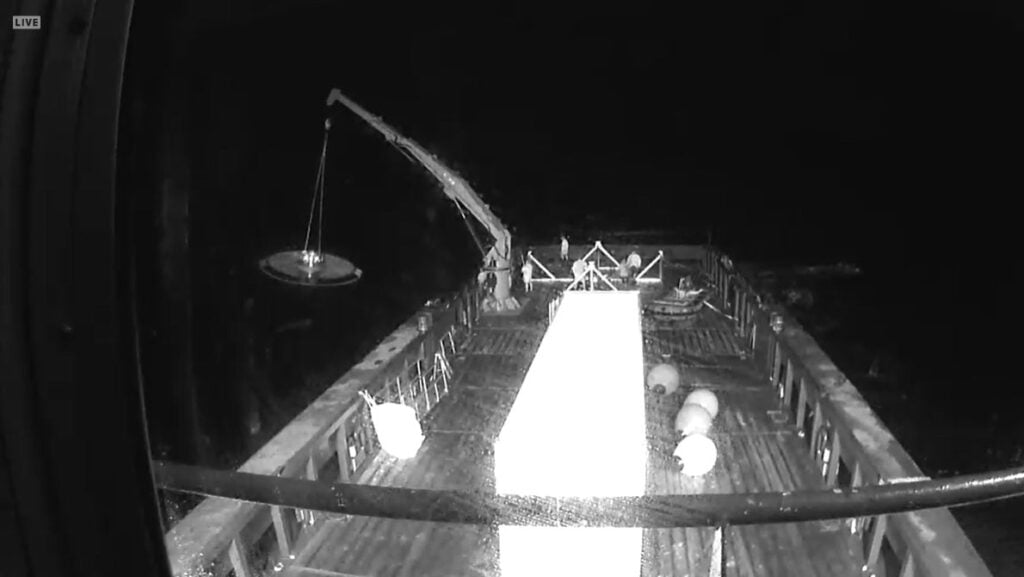
The debris, found floating in the South China Sea, is suspecting of being a remnant of China's problematic March 5B rocket.
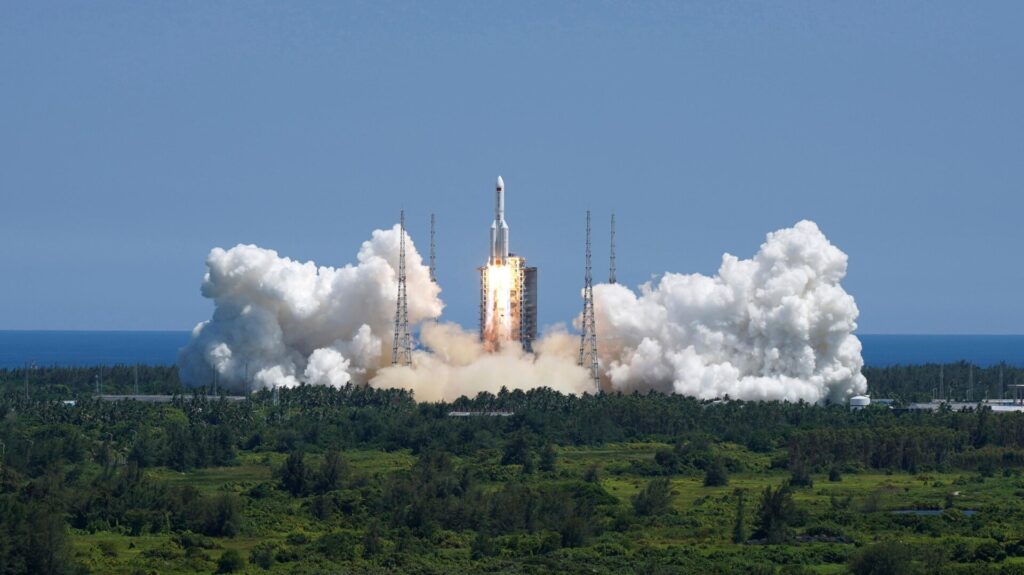
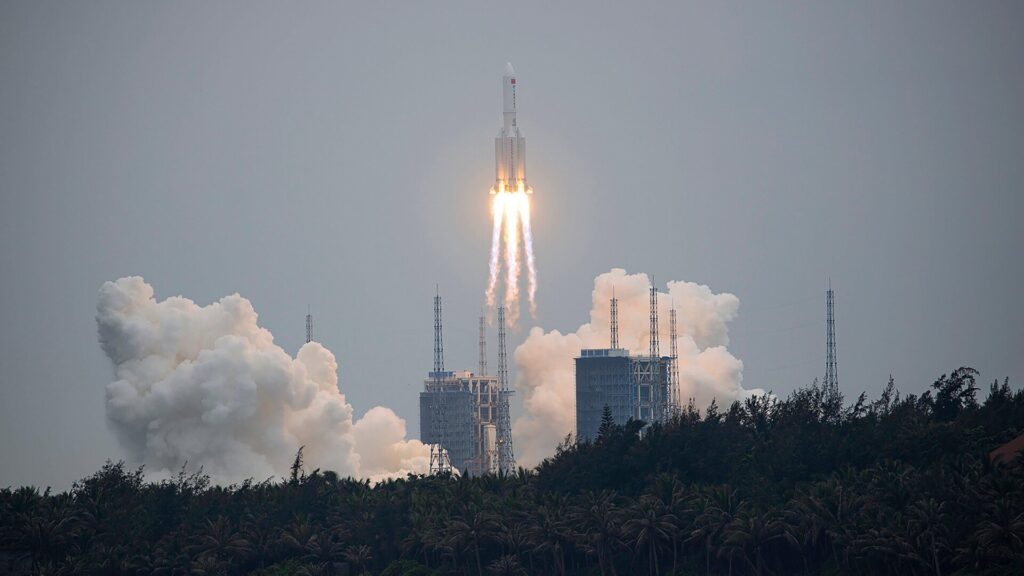
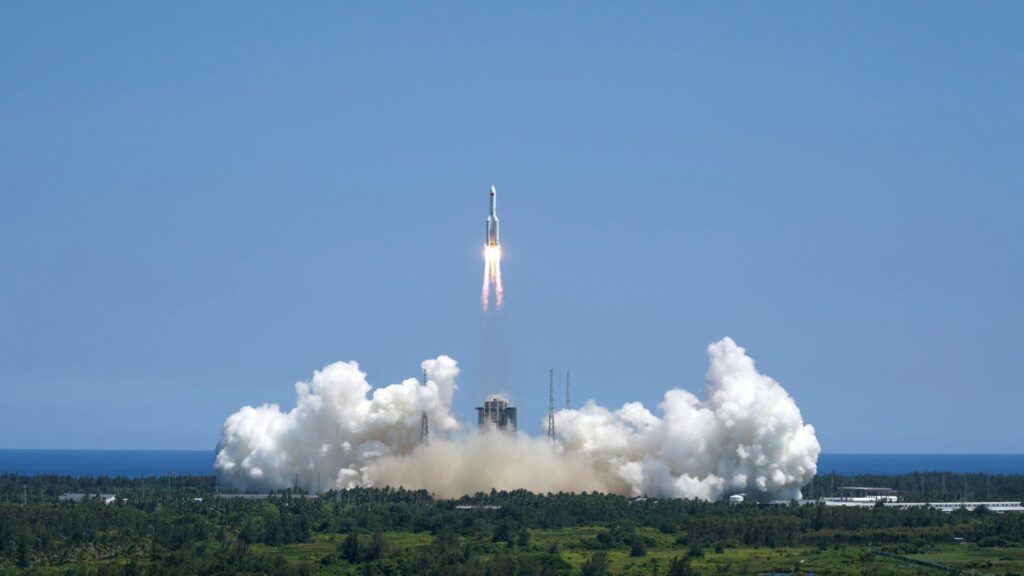
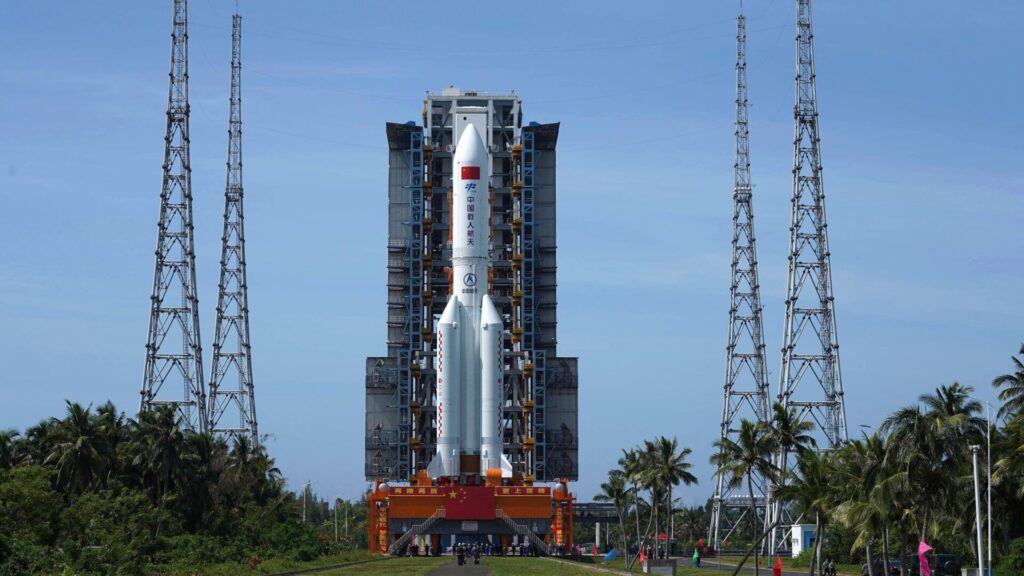
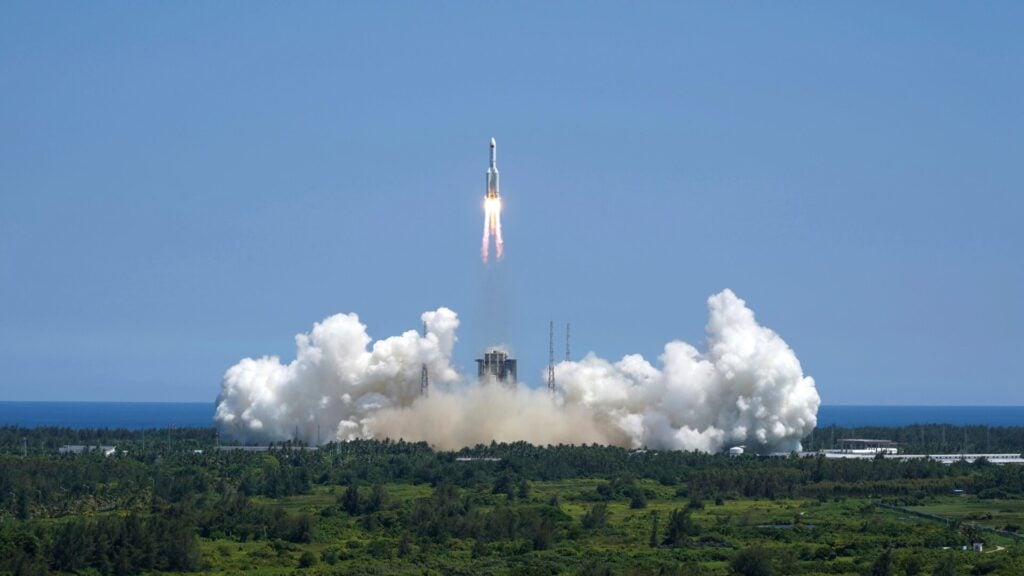
The core stages of the rocket have performed four uncontrolled reentries to date, posing a potential threat to human lives and property.
The inflatable shield's ceramic fiber is designed to withstand the scorching temperatures of atmospheric reentry.
The out-of-control core stage fell harmlessly into the ocean, but not before forcing airspace closures in Europe.
Complex variables are making it nearly impossible for experts to narrow down where and when China’s rocket will crash on Friday.
It's still too early to tell where the Long March 5B core stage might fall, but estimates will improve in the coming hours.
Made from ceramic fiber, the inflatable decelerator can be packed into a tight space and inflated for atmospheric reentry.
The Long March 5B core stage reentered Earth’s atmosphere on Saturday, lighting up skies across parts of northern Borneo.
The 25-ton core stage reentered over northern Borneo, but it's not yet known if the falling debris crashed onto populated areas.
The latest prediction has the giant booster falling to Earth on Saturday, but the impact location is still unknown.
There’s a slim but nonzero chance that debris from the 25-ton core stage will land on inhabited areas.
It’s too early to know when or where the rocket core stage might crash, but it could happen within a week.
New research states there’s a 10% risk in the next decade that falling rocket parts will cause casualties, especially for nations in the southern hemisphere.
The 269-square-foot space kite launched aboard a Long March 2D rocket in late June.
This marks the second time in two months that pieces of rocket debris have crashed onto India.
If confirmed, it would mark the second recent incident in which Chinese rocket parts performed problematic reentries into Earth's atmosphere.
U.S. Space Command says a rock that hit Earth in 2014 came from another star system, but researchers told Gizmodo the claim "isn’t science."
The upper stage spent nine days in a deteriorating orbit after a failed engine burn.