

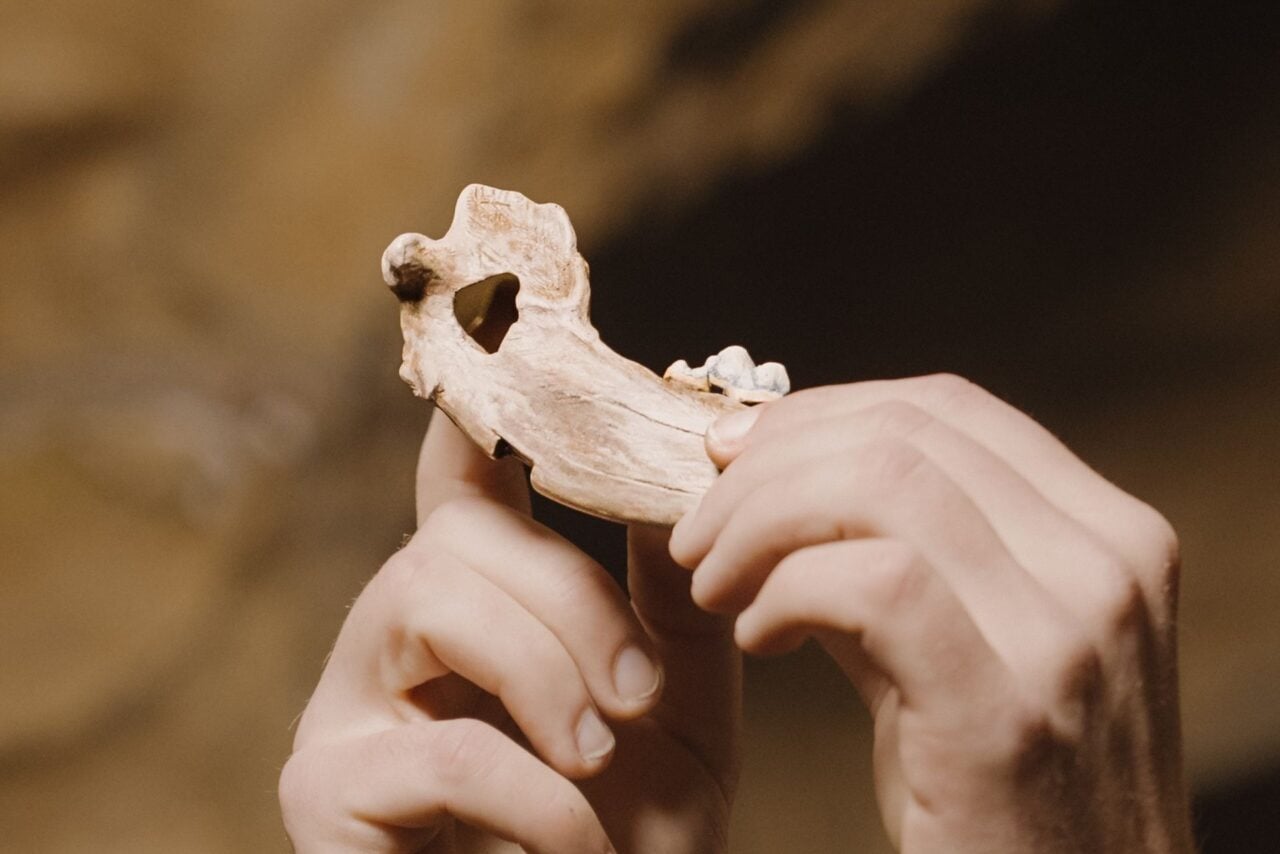
Some bones indicate that the hunter-gatherers of the time fed dogs fish. Their remains were also treated in similar ways to those of humans in death.
Bulldogs and pugs are far from the only dogs frequently suffering from breathing problems, new research shows.
Six-year-old Woody has recovered well enough to take his daily walks again.
Gifted word learner dogs seem capable of eavesdropping about as well as 18-month-old toddlers, the study researchers say.
Dogs can exhibit obsessive behaviors around their favorite toys, new research suggests.
'Poltergeist,' 'Peanuts,' duck quacks, and plenty of treats helped bring Ben Leonberg's haunted-house tale to the screen.
New research from the Dog Aging Project found that average trainability scores declined after 2020, but ticked back up again in 2023.
These dogs did something wrong? Prove it.
Many dog-specific TV programs are available today, but not all are suited to your unique pet.
The cherished pet continues to guard her in the afterlife as it likely did when they were both alive.
Researchers in the U.K. analyzed vet records from over two million dogs to uncover the messy truth about canine diarrhea.
Scientists have just isolated a genetic variation that explains why Turkey Pointers have such unique noses.
Scientists have pinpointed the precise spot in parks where dogs are most likely to pick up the parasite.
New research suggests humans and labradors might be predisposed to gaining weight for similar reasons.
A popular theory suggests wolves domesticated themselves for human food scraps—and new simulations suggests it's paw-sible.
Dogs living near the Chernobyl nuclear plant aren’t radioactive mutants—but their genetic differences reveal a surprising story.
The surprising artifact could be evidence of fertility rituals—or just one of history’s strangest good luck charms.
The video is pretty emotional.
In a new report this week, the FDA highlighted several serious adverse events and deaths associated with the drug Librela. The drug's maker, however, claims that it remains safe and effective.
Bones from the turn of the Holocene indicate that humans were feeding canines—including wolves and coyotes—fish over 10,000 years ago,