
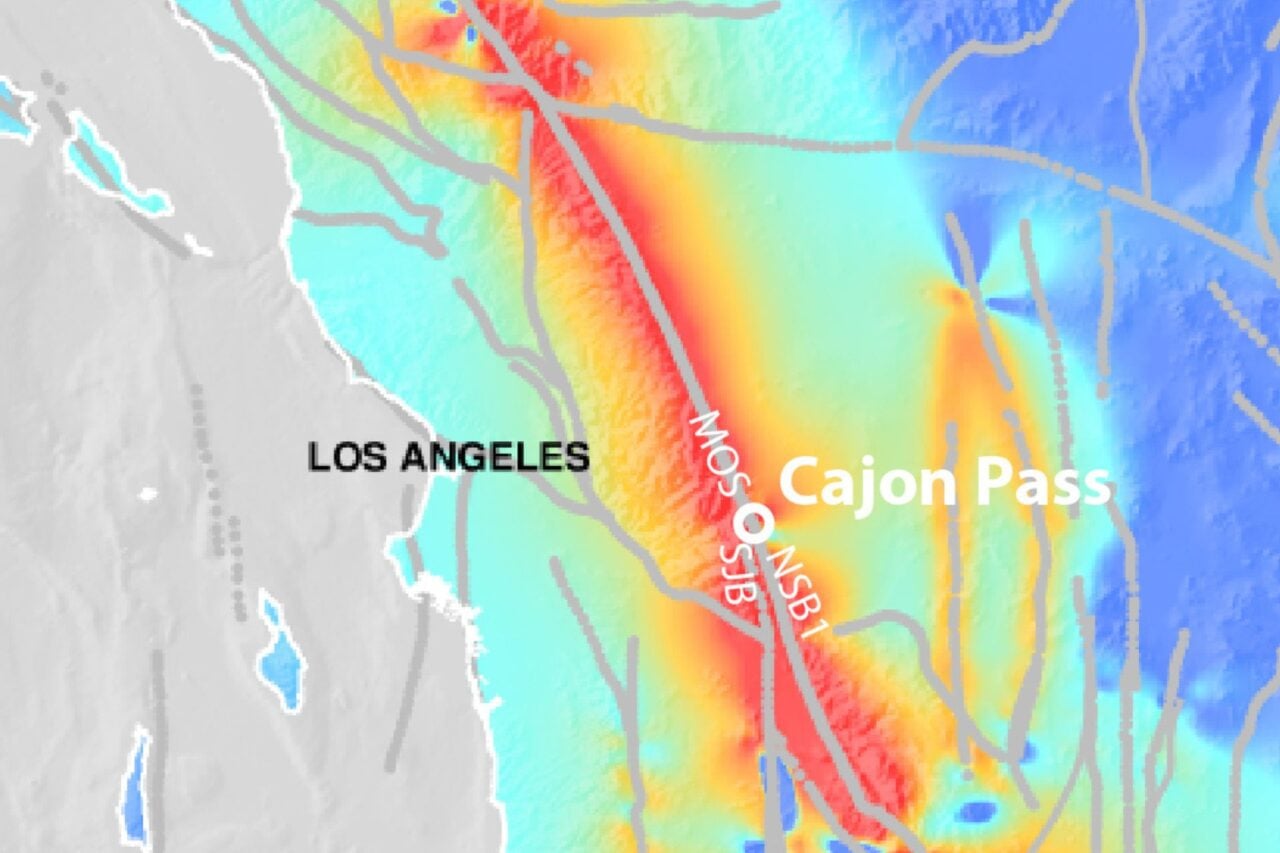

Make no mistake—this doesn’t mean there is no danger. The researchers urge policymakers to treat seismic risk as a constant.
Researchers say a deadly earthquake in Japan and 2023’s most powerful solar flare occurring back-to-back can’t be a coincidence—but other experts say it probably was.
The 2025 tsunami is shattering old models, thanks to observations from space.
Scientists uncover new evidence of undocumented glacial earthquakes in Antarctica.
"Please stay prepared to evacuate immediately if you feel any shaking, while continuing your socioeconomic activities.”
Funding and staffing cuts are shuttering the monitoring stations that sustain this life-saving early warning system.
A miniature quake-in-a-lab enabled scientists to quantify an earthquake’s energy dynamics for the first time.
Myanmar's Sagaing Fault ruptured more than 124 miles (200 km) farther than seismologists had predicted. California should take notice.
A state-of-the-art ocean-observing satellite recorded the massive wave rippling out from the epicenter of this major quake.
Now-famous CCTV footage from March confirms faulting dynamics that researchers could previously only infer.
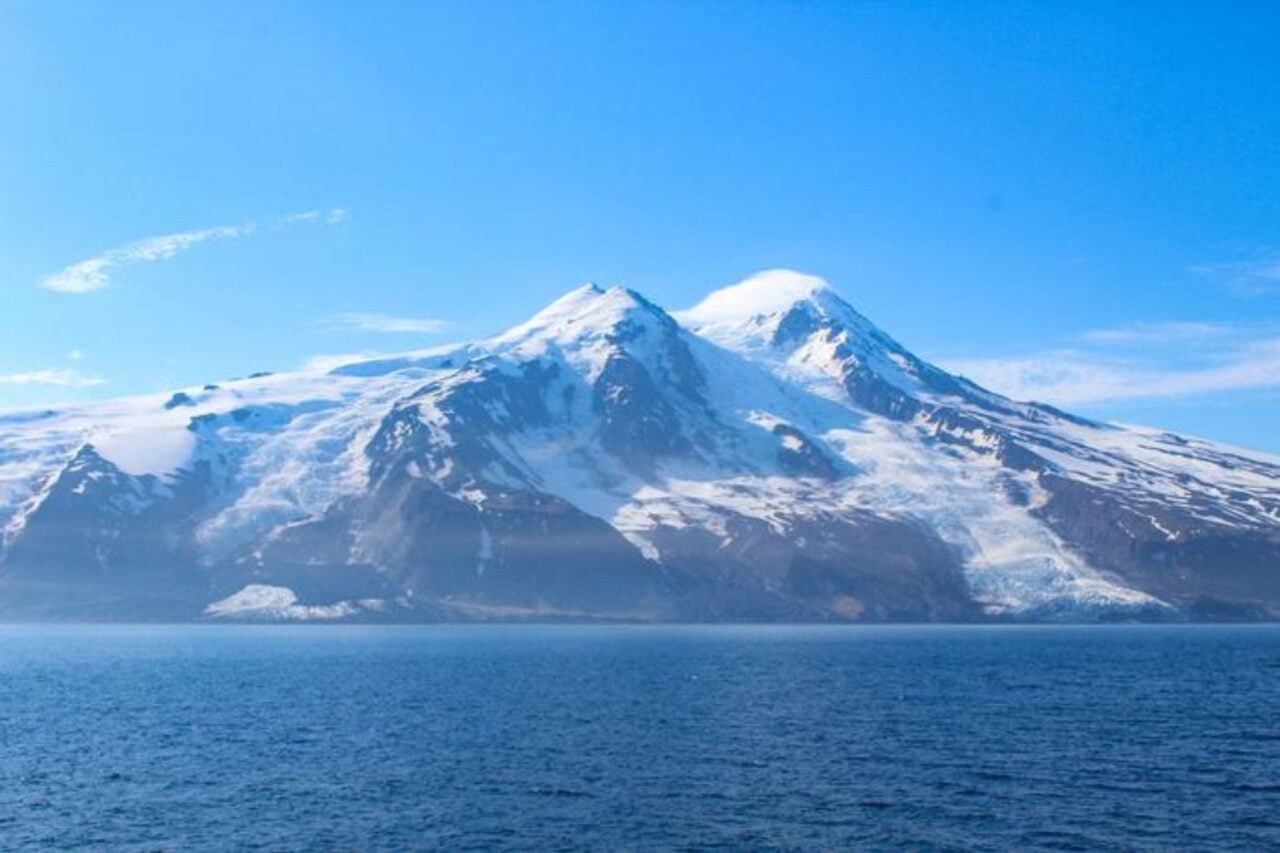
Seven volcanoes in the area erupted simultaneously, and for the first time in almost 300 years.
The Tintina fault hasn’t produced a large earthquake in 12,000 years, but that could soon change, researchers warn.
Researchers used machine learning to reanalyze Yellowstone's historical earthquake data, revealing that humans may have missed a few things.
The southern part of the earthquake’s rupture moved at speeds of over 3 miles (4.8 kilometers) per second.
The quake that struck Alaska’s southern coast on Wednesday, July 16 is part of a larger sequence that may continue to unfold in destructive ways.
The Android Earthquake Alerts (AEA) system proved to be as efficient as traditional seismic networks.
A potentially first-of-its-kind video filmed on a solar farm captures the strike-slip motion of the recent 7.7 magnitude earthquake.
Computer models that factor in the Sun's impact on Earth's surface temperatures are providing more accurate simulations of past earthquakes.
The rotation speed and shape of Earth's deepest layer has been experiencing some surprising changes.
Minutes after a magnitude 4.5 earthquake hit Iran on October 5, 2024, rumors swirled that it wasn’t natural—claims that scientists have now shown to be false.