

The hectocotylus is both a reproductive and sensory organ, Harvard scientists and others have found.
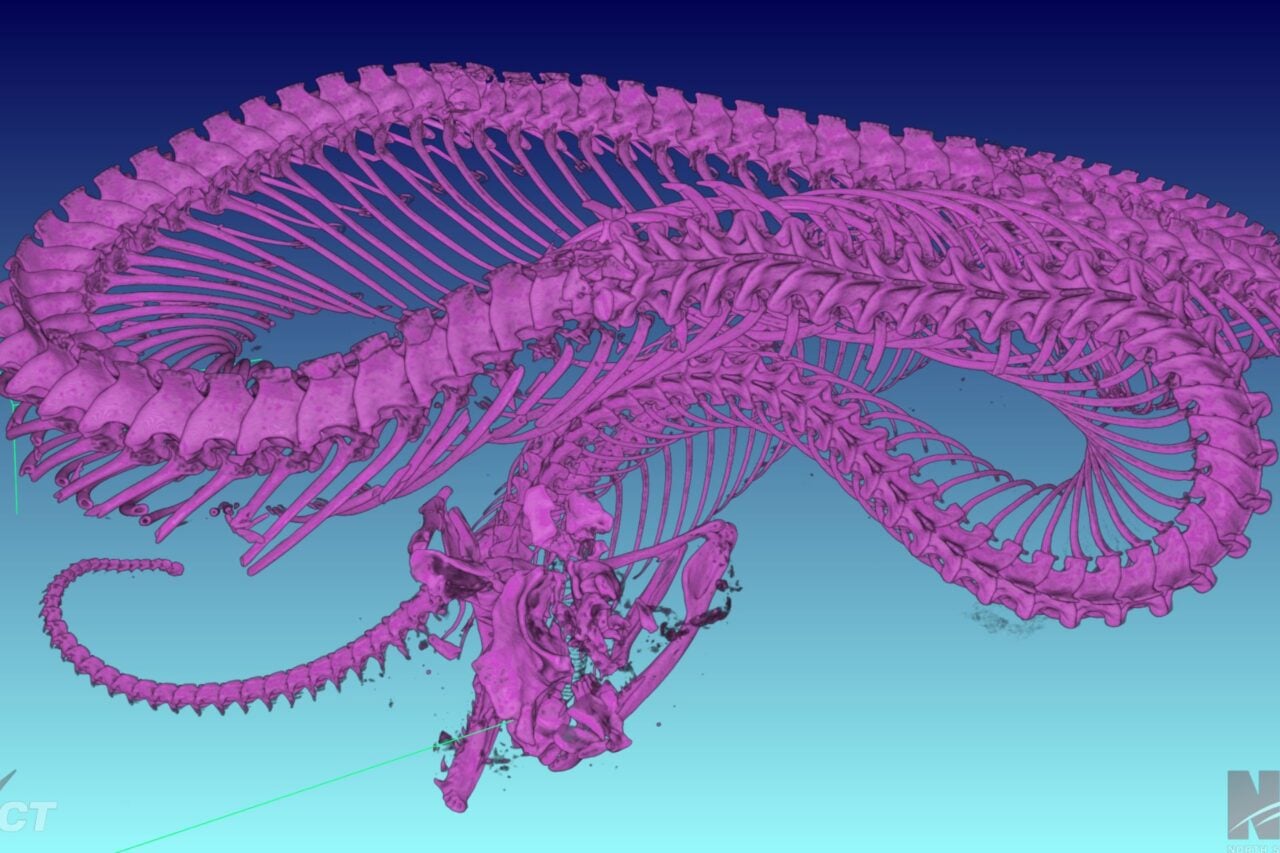
It's a snake-eat-snake world.
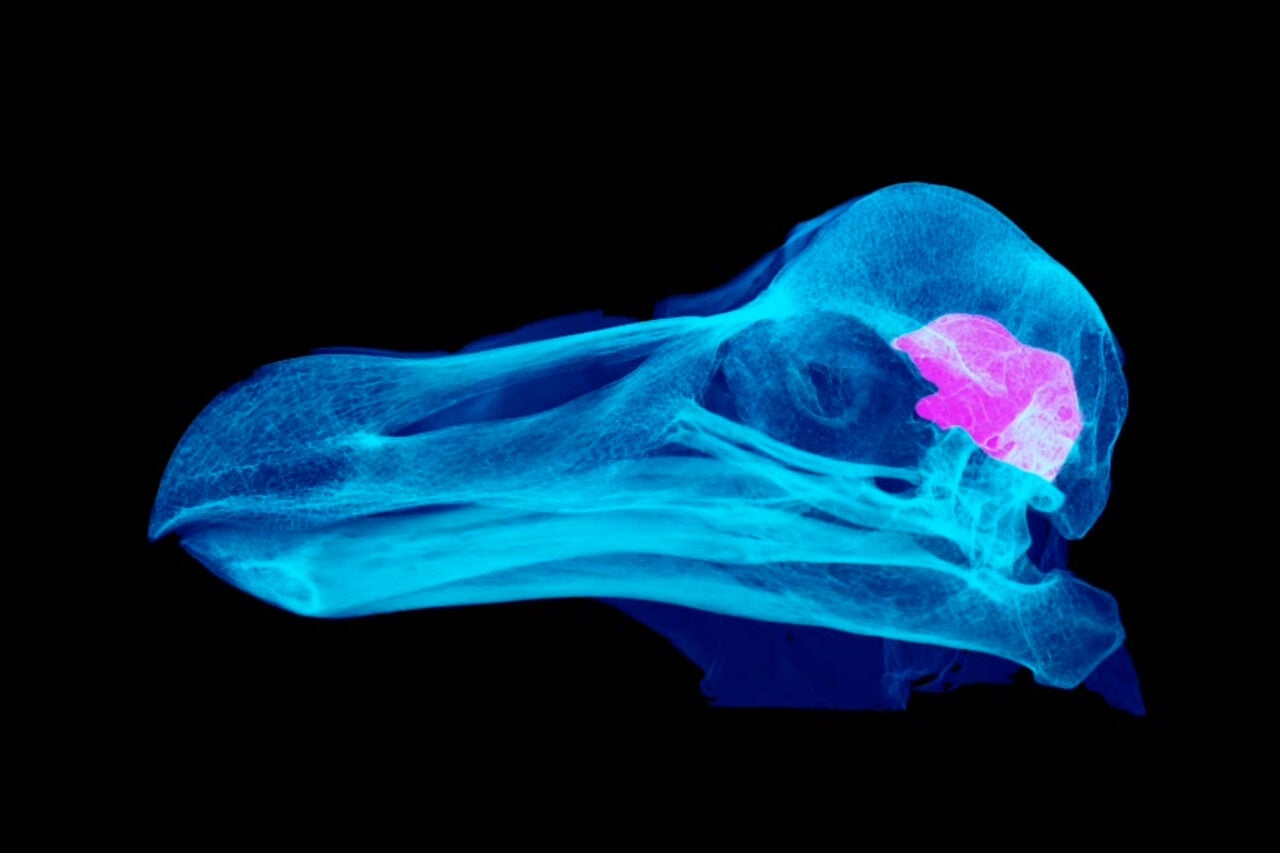
With no humans to leave behind scraps, this urban bird evolved and developed a longer beak, which shrank again once people came back.
Scientists have found genetic evidence that cat domestication didn't start as early as commonly assumed.
Smooching might be a familiar behavior, but it's more mysterious than you would probably imagine.
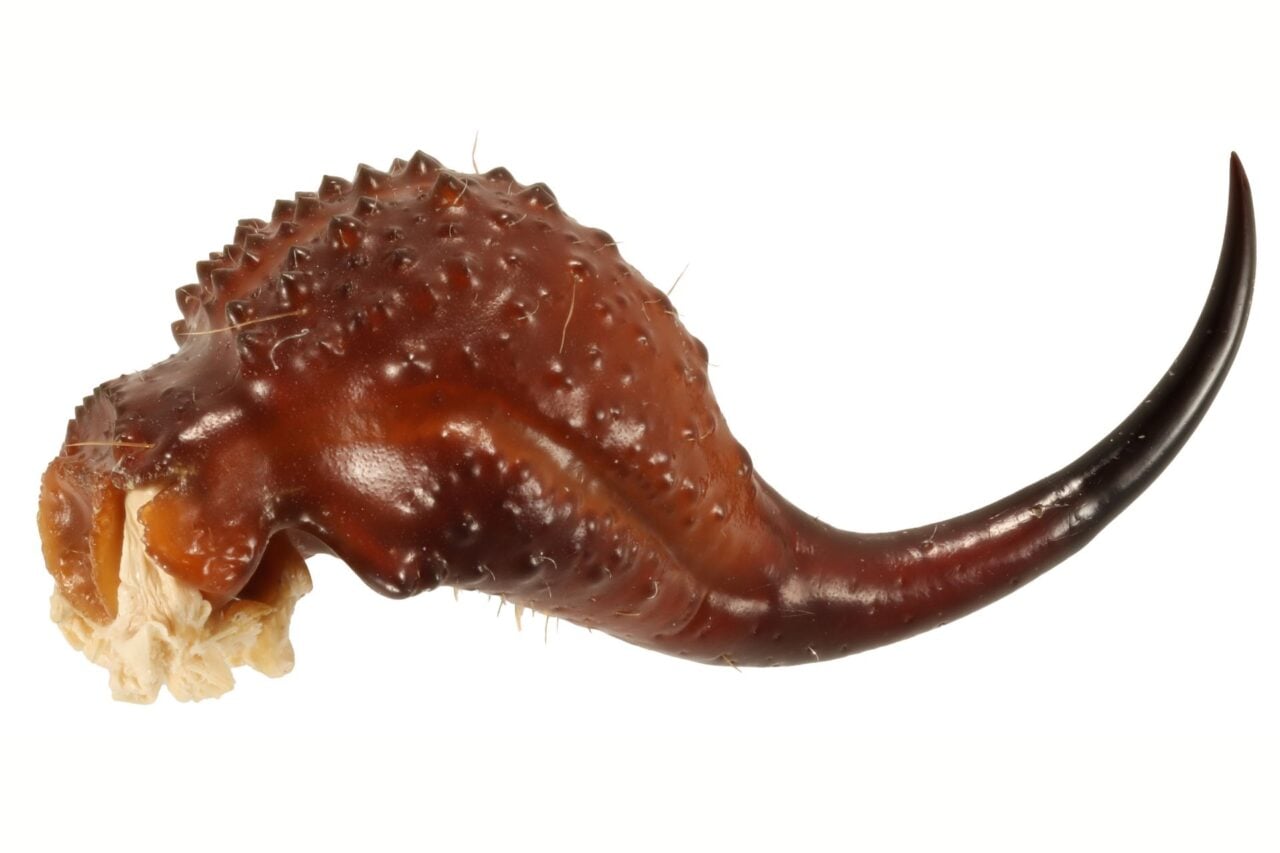
Researchers studied the male spotted ratfish's tooth-covered forehead appendage, which flares out to ward off rivals and grip onto females.
Queen Iberian harvester ants are capable of storing and cloning the sperm from a cousin species, spawning hybrid offspring to take on the hard work of keeping the colony intact.
“Next time you eat potatoes, thank a tomato."
The brain of an ancient sea creature bears an uncanny resemblance to those of modern spiders, challenging the conventional notion of where spiders originated.
Researchers discovered two previously unknown species of parasitic fungi inside ancient amber fossils.
Scientists have confirmed that two invasive termite species are interbreeding, creating a destructive new hybrid that could spread across the U.S.
Fossilized footprints from Australia are forcing paleontologists to rethink the tetrapod family tree.
CT scans, UV light, and careful prep work uncovered feathers that may have given the ancient dinosaur liftoff.
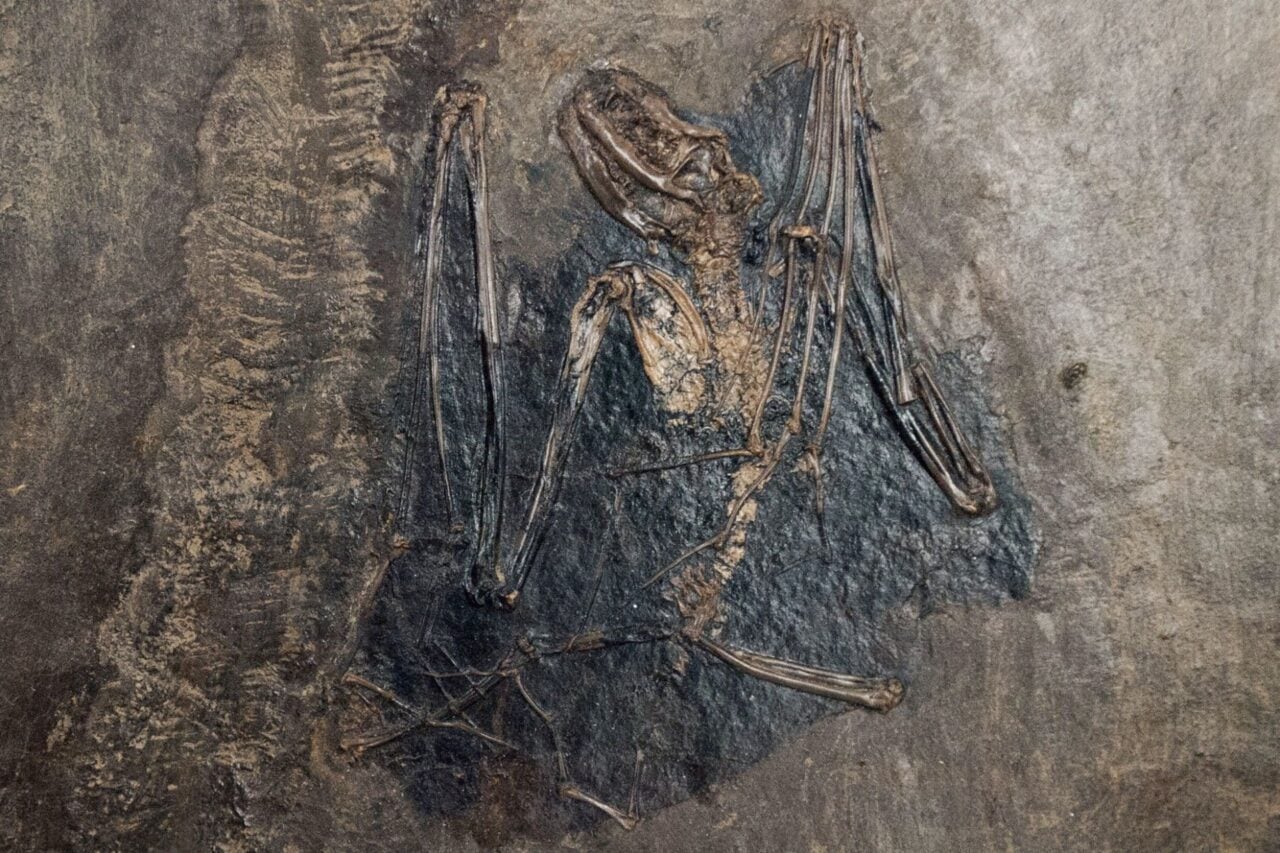
Researchers suggest that ground-based mammals fared better than their arboreal relatives during the end-Cretaceous extinction thanks to their lifestyle.
New research suggests that Dipteryx oleifera trees, after being struck by lightning, are 14 times more likely to produce offspring.
The fully formed galaxy is remarkably teeny, raising new questions about how galaxies emerge and evolve.
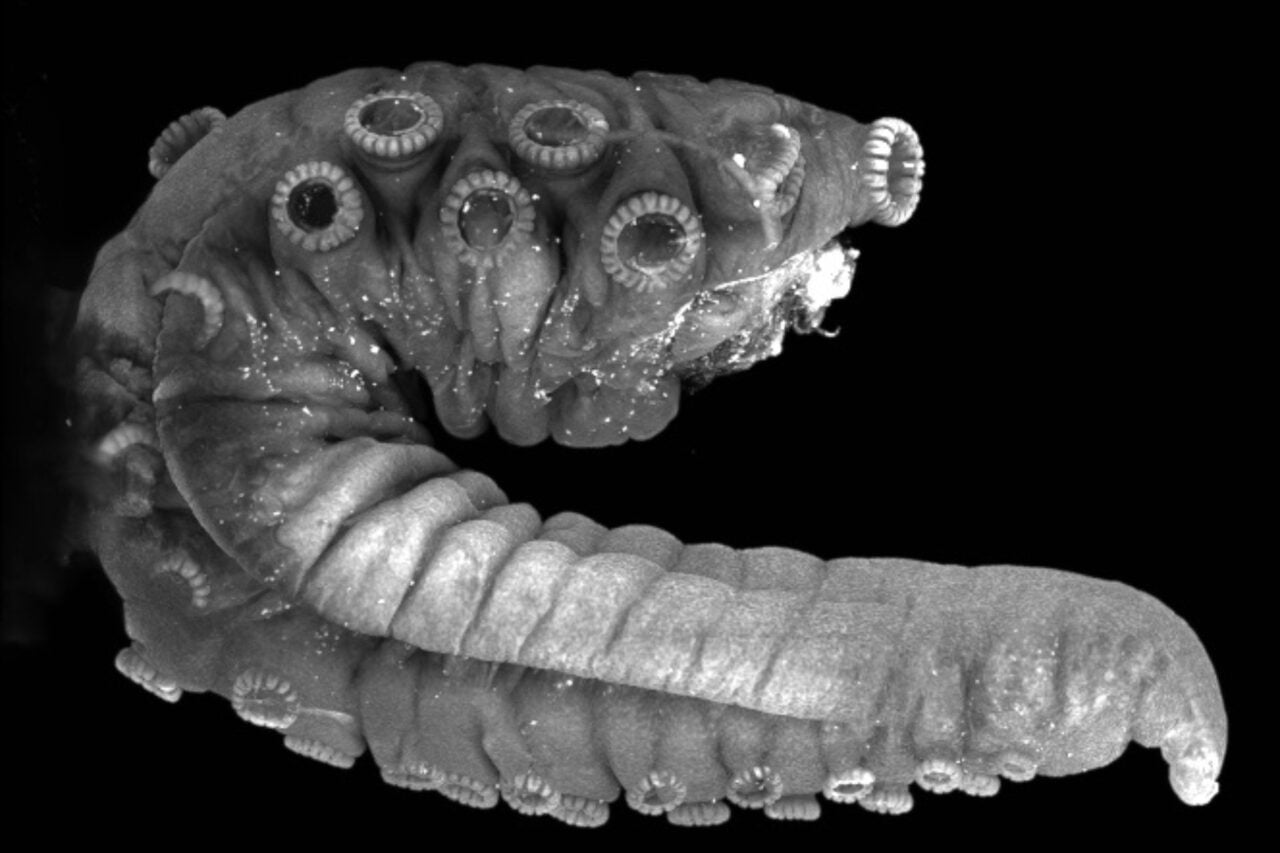
Researchers working in Morocco have discovered fly larvae that excel in the art of disguise.
A bizarre creature from the Permian pushes back the timeline of our four-legged precursors.
Researchers have found that bottlenose dolphins make a distinct open mouth gesture when playing with other dolphins, similar to how humans smile and laugh with each other.
Sea robins are weird animals who use leg-like appendages to walk on the seafloor. Now, scientists know why they evolved those limbs.