


Honoring the year’s most creative and influential projects in science, spaceflight, health, and climate.
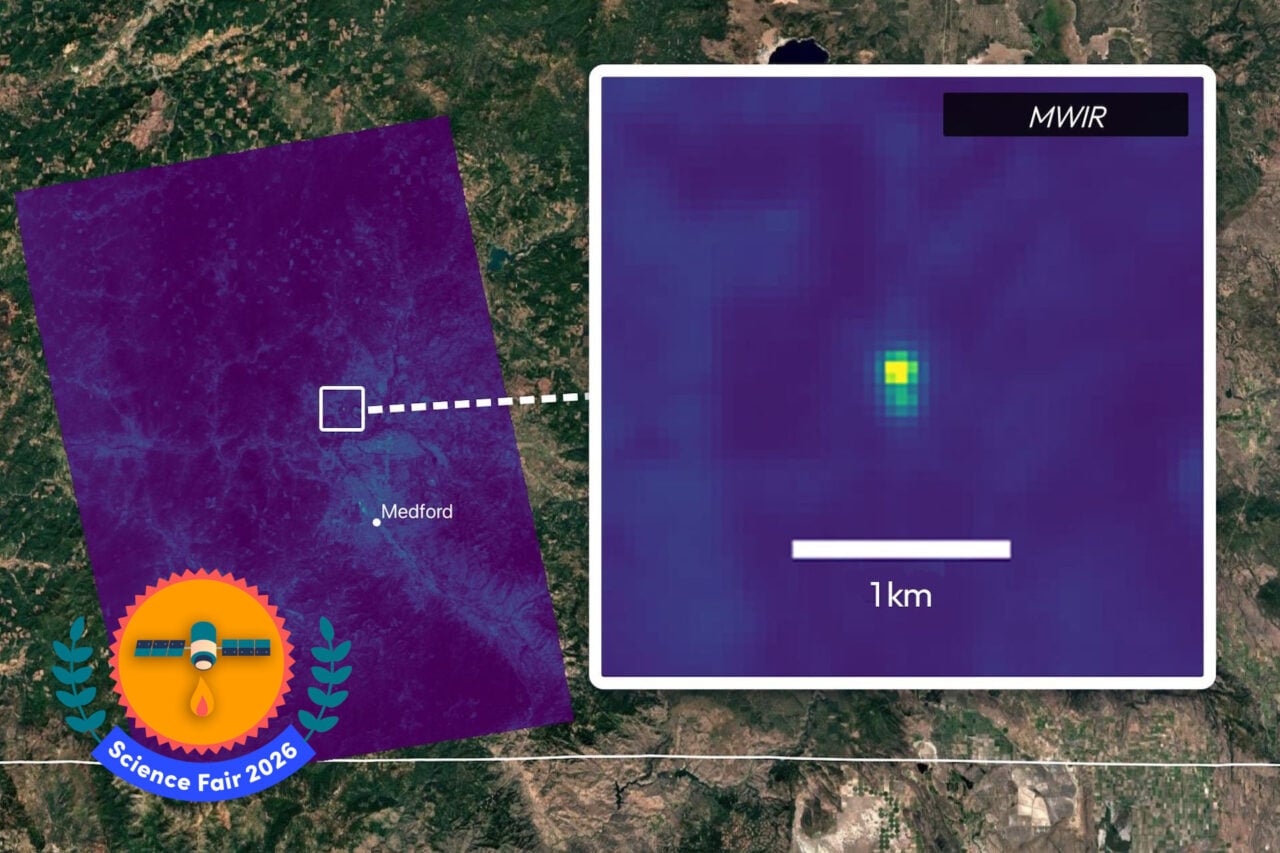
Astroscale aims to tackle the growing problem of space debris, one rocket part at a time.
CALEC could become one of the first major examples of stem cell therapy's potential to repair once-unfixable injuries.
Researchers developed an atmospheric water harvester so effective it was able to extract moisture from the air in Death Valley—one of the driest places on Earth.
A particle physics team at CERN turned lead into gold 80,000 times per second.
An innovative method for trapping lithium ions has led to a promising technology for extracting precious lithium isotopes—a crucial ingredient for fueling nuclear fusion experiments.
Using supersonic shockwaves for combustion, the groundbreaking design could allow aircraft to travel up to six times the speed of sound.
Minesto, a Swedish energy company, is bringing tidal kite turbines to the Faroe Islands.
Researchers invented a water- and oil-resistant material that could replace harmful plastic and PFAS coatings in food packaging.
Analytical chemists successfully reproduced the smells of Ancient Egyptian mummies—without ever having to touch the artifacts at all.
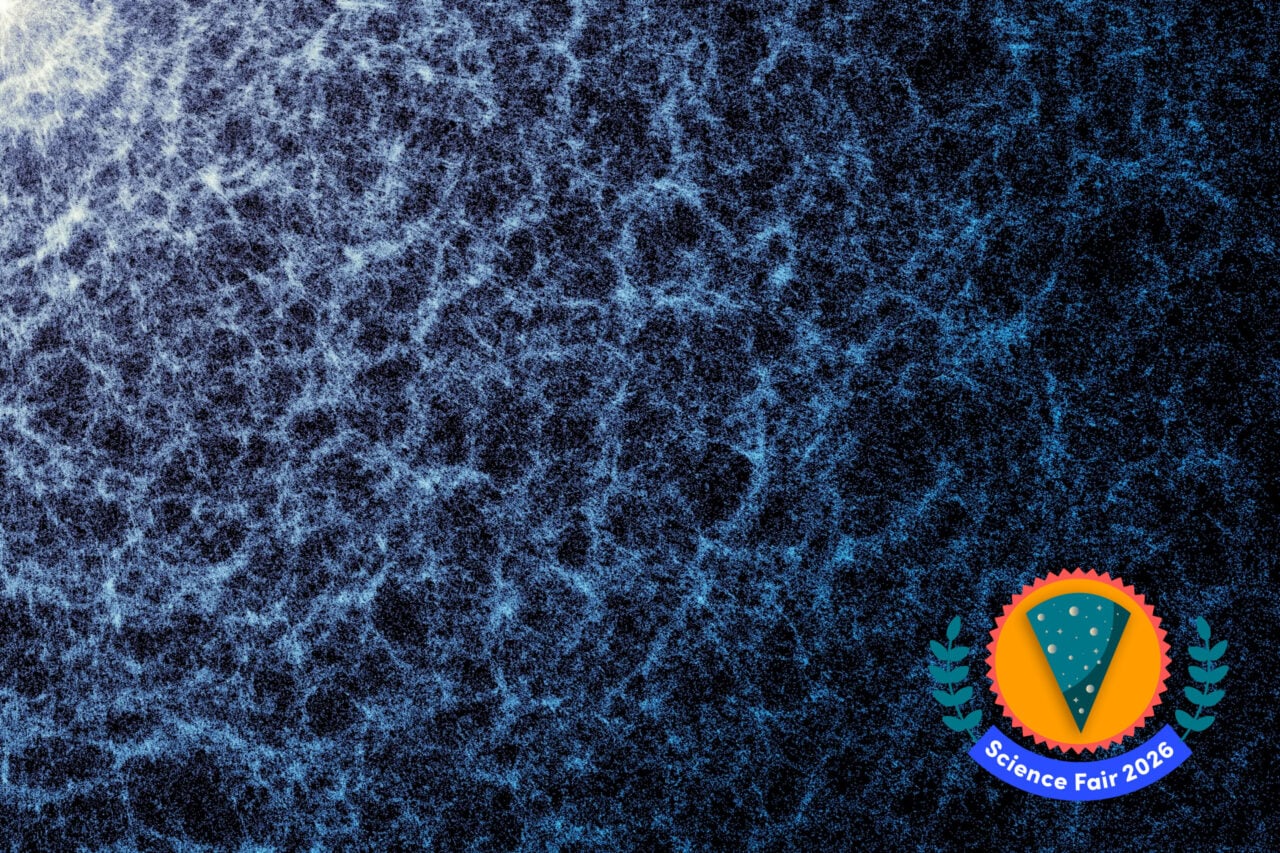
Using the world’s largest digital camera, Rubin will capture a full view of the southern sky every three days.
A California-based startup broke new ground in processing material in orbit and returning it to Earth.
A vaccine that shields mice from yeast infections could eventually protect humans against a broad range of deadly fungi.
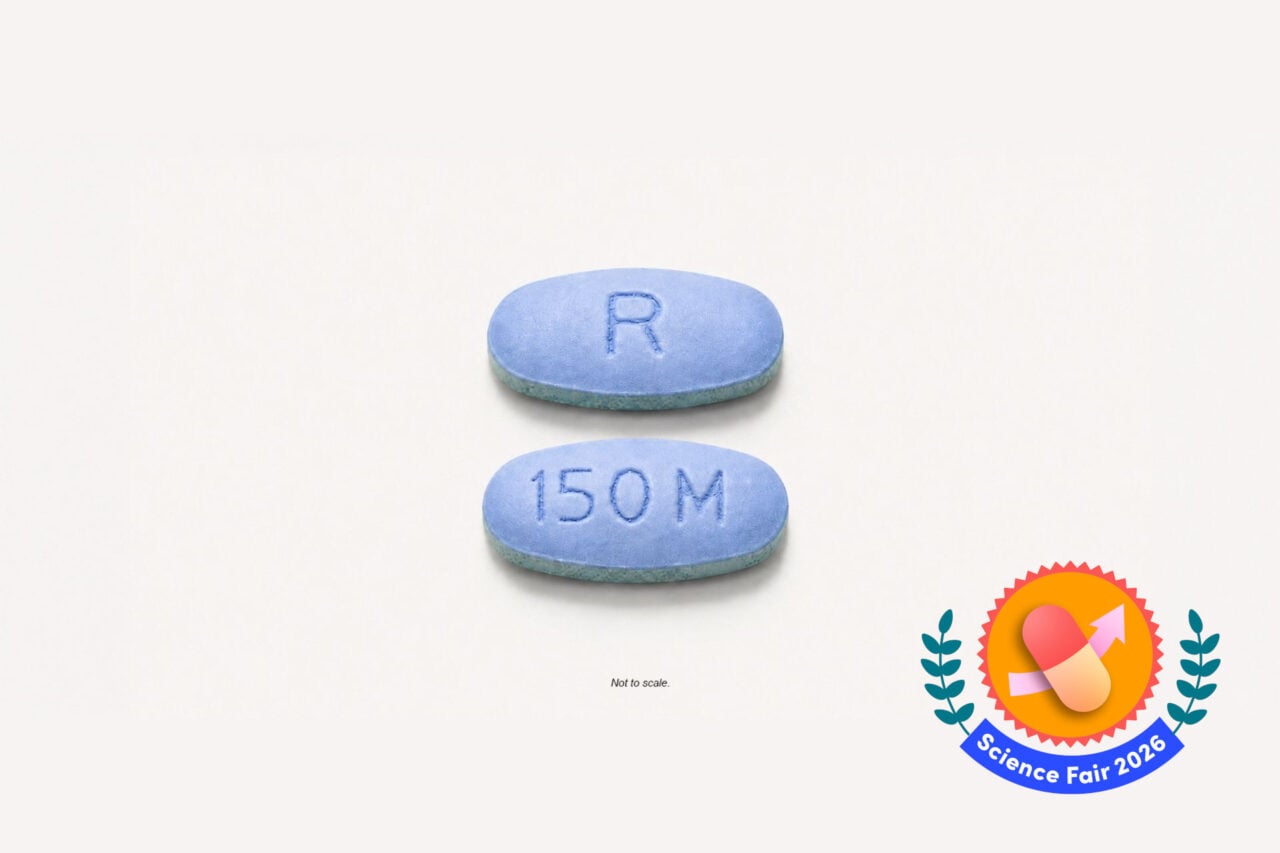
Cobenfy is the first approved drug in about 50 years to treat schizophrenia with a novel approach.
"A Sign in Space" simulated an extraterrestrial communication to see whether humans are prepared for the real deal.
Researchers managed to retrieve single-stranded genetic material from a Tasmanian tiger specimen in a museum.
Scientists at the West Virginia University Rockefeller Neuroscience Institute hope to unlock the true potential of drugs designed to target Alzheimer's.
The biotech company Loyal is developing several drugs that will try, for the first time, to directly extend a dog's life.
A materials science team at UT Austin developed a two-step system that dramatically speeds up oil spill cleanups, while recovering almost 99% of the oil to be reused.
A groundbreaking plastic made with E. coli can be infinitely recycled and outperforms traditional fossil fuel-based plastics.
NASA's Quesst mission seeks to validate a quiet supersonic technology, which could change FAA rules about flying faster than sound.