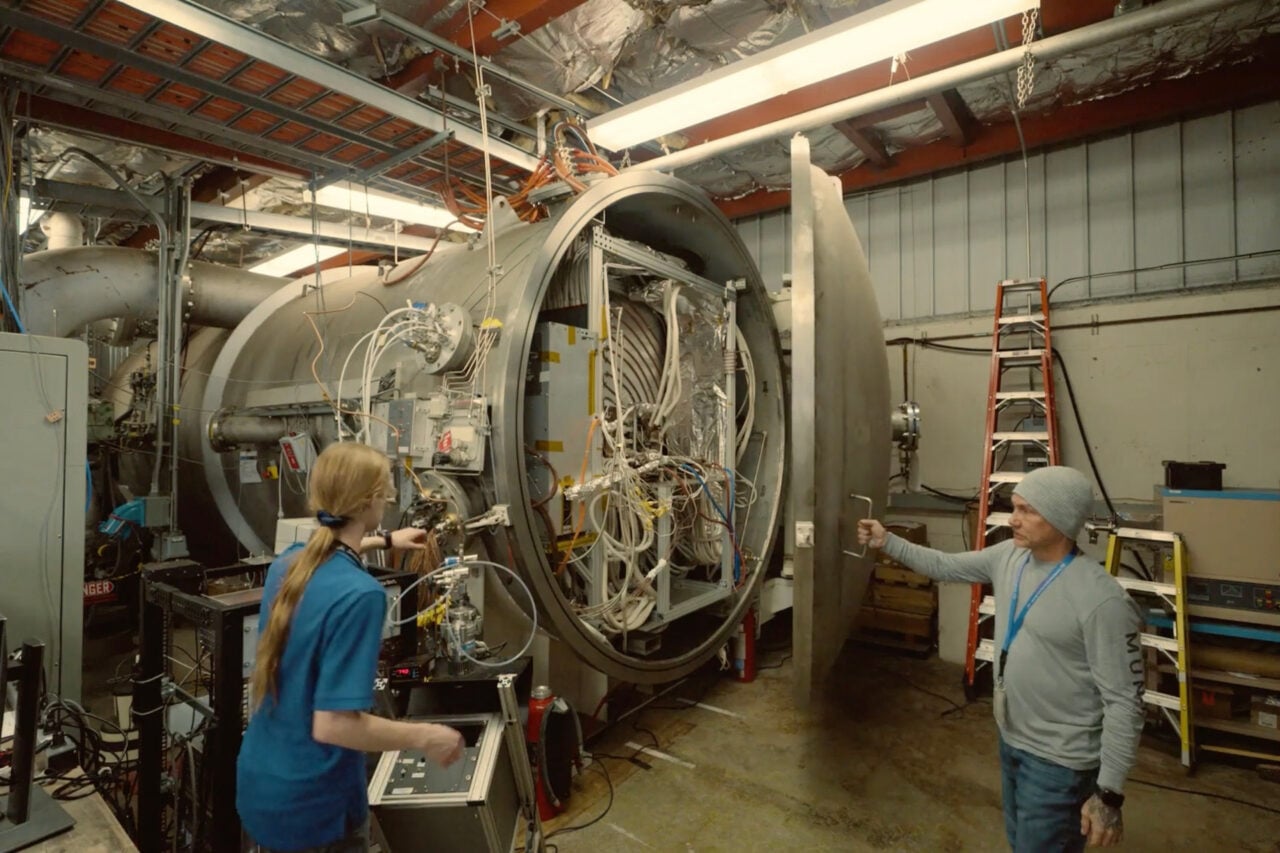
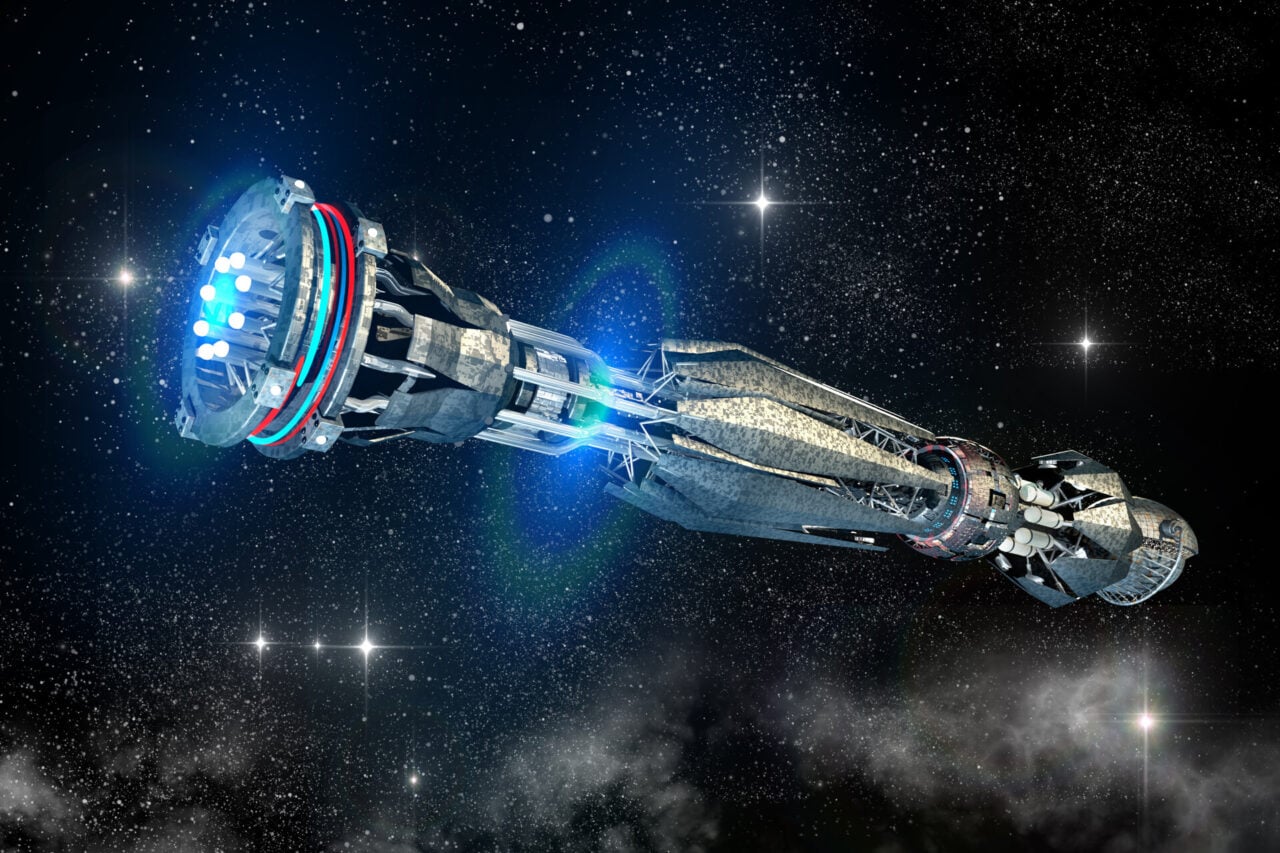
The newly developed concept uses liquid uranium to heat rocket propellant.
Frightening video shows what appears to be the rocket booster crashing down on a populated area, trailed by a yellow-ish cloud.
The mission rode aboard Rocket Lab's Electron, reusing one of the rocket's boosters for the first time.
Spaceplanes seemed out of favor when the Shuttle was retired in 2011. They now seem to be making a comeback.
The company's Electron rocket launched four satellites that will monitor orbital traffic to avoid collisions in space.
The Gravity-1 rocket successfully launched on Thursday, carrying three payloads into orbit and establishing new benchmarks along the way.
The new design could help address the growing problem of space debris, with the rocket devouring itself before reaching orbit.
SpaceX rival Rocket Lab is ready for its latest Electron mission, targeting a launch window opening on Thursday, three months after a previous launch failure.
Both stages of the megarocket exploded during the 8-minute mission, but not before the successful implementation of a novel hot-staging maneuver.
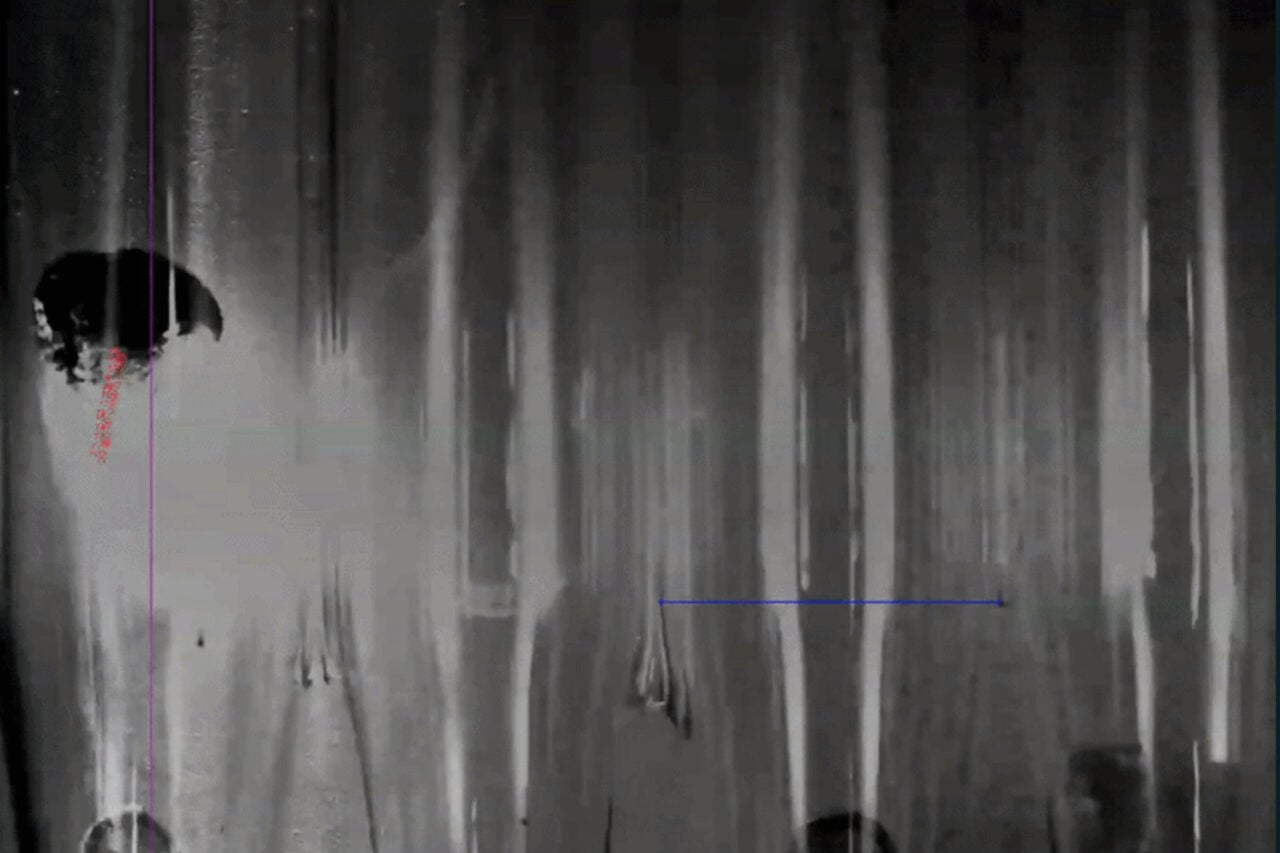
The lightweight aluminum engine nozzle is designed with small internal channels to keep it from melting during liftoff.
Bad things do seem to come in threes and recent events in the launch industry have certainly proven that point over the past several days.
Rocket Lab's Electron rocket experienced an anomaly shortly after stage separation, leading to a mission failure and a 20% drop in the company's stock value.
The prototype upper stage vehicle leapt just 30 feet into the air, but the successful test suggests Stoke Space is heading in the right direction.
New conceptual art suggests intriguing modifications for Neutron, potentially bolstering the forthcoming rocket’s reliability and landing capabilities.
A recovery team retrieved the company's Electron rocket booster from the ocean, which could be a major step towards its reusability.
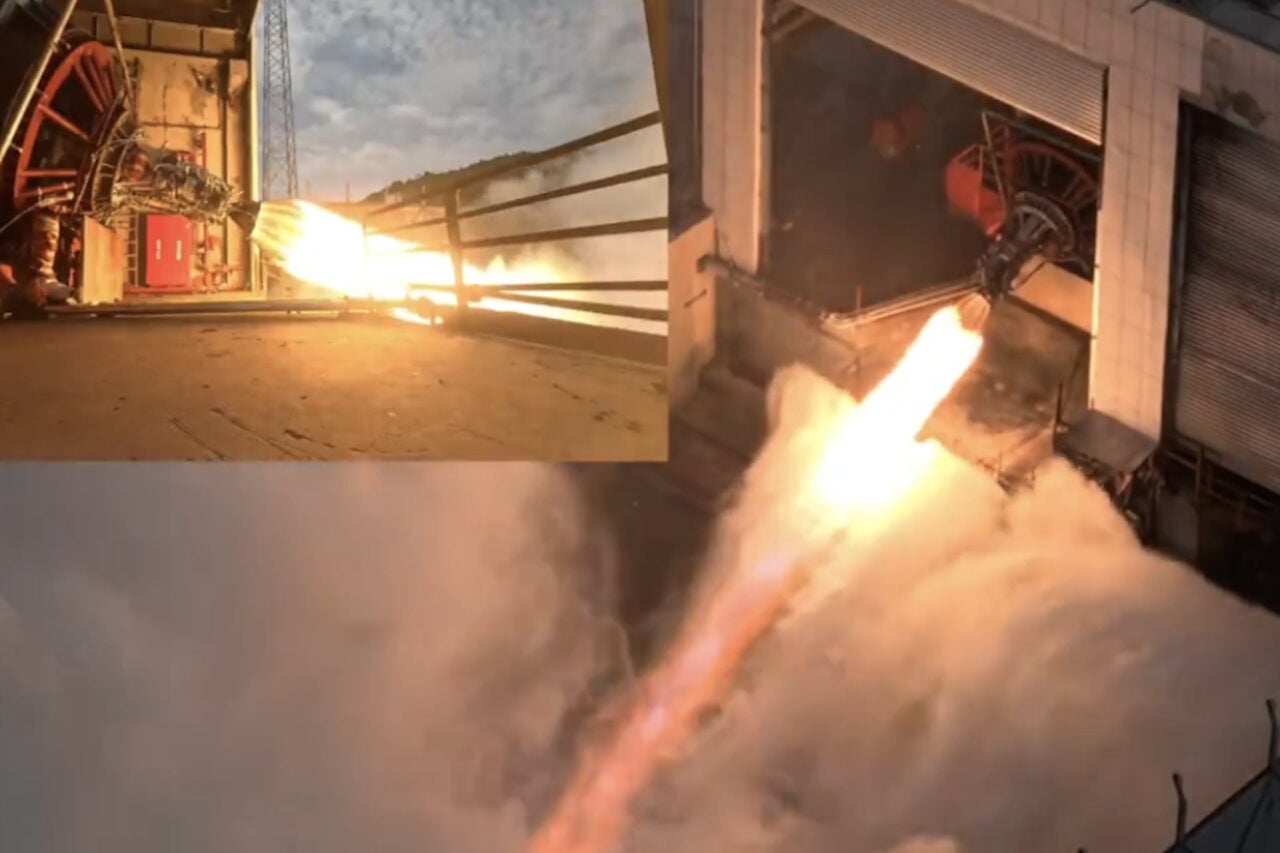
The Zhuque-2 rocket beat other methalox-fueled rockets, such as SpaceX's Starship, to orbit.
China’s Landspace is targeting Wednesday for the second launch of its Zhuque-2 rocket. Should it reach orbit, it’ll be the first methane rocket to do so.
The parachute system helps to control where falling rocket boosters land on Earth, steering them away from populated areas.
It’s now the highest undergraduate-built liquid-fueled rocket ever flown, climbing 9 miles high at speeds reaching Mach 1.5.
The previously used Rutherford engine passed qualification tests and is set to make history as the first 3D-printed engine to reach space for a second time.