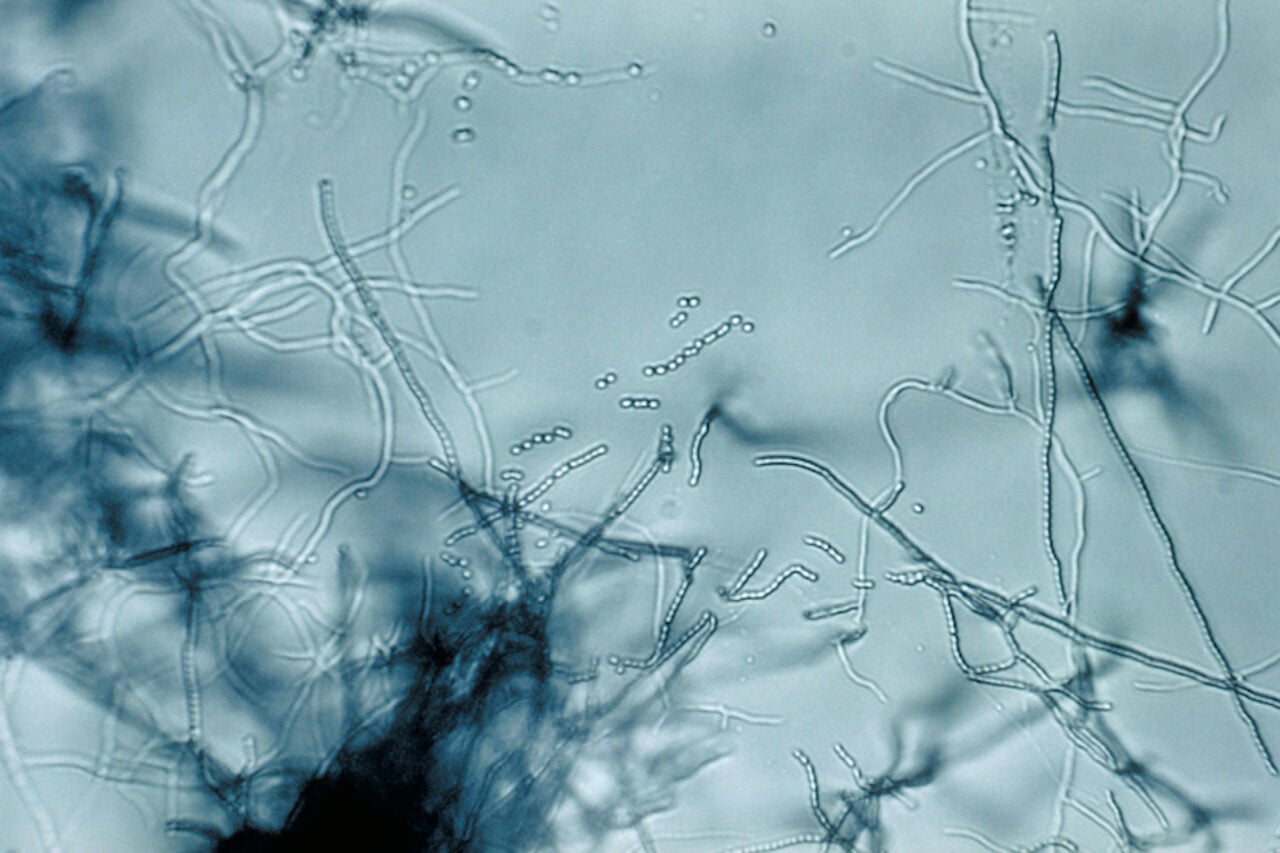
Underneath the parched sands of Atacama is a massive, diverse group of bacteria and a previously undetected biosphere, according to a new study.
Dark rocks spotted on the Moon could be magnetized, according to new research.
The heat dries up the land, making it unable to absorb water if heavy rainfall follows the extreme heat.
The space agency is hoping that future astronauts can use this technology for longterm habitation on the Moon as part of its Artemis program.
The plan would require city residents to separate leaves and other yard waste from regular garbage, in an effort to reduce rodent numbers.
Lead is not just a problem of the past. With these tips, you can help protect everyone’s future.
Scientists found a natural enzyme that can produce electricity from hydrogen in the atmosphere.
Anthrax, tetanus, and brain-eating amoebas are just some of the dangers that lie hidden in dirt.
Growing plants in lunar soil isn't easy, but new research suggests hydroponics, with some locally sourced nutrients, could prove to be a more useful technique.
Ohio governor calls on Congress to investigate how that could happen.
Gov. Kathy Hochul signed a bill that would legalize composting human bodies after death.
"The Midwest is losing soil, for most of these sites, about 100 times faster than it’s forming."
Nearly half the country’s waters could see an increase in toxic agricultural runoff, a study finds.
The EPA now calls PFAS 'hazardous substances,' but these chemicals widely contaminate our homes, workplaces, and bodies.
CDC officials documented melioidosis-causing bacteria in Mississippi. Two people were hospitalized and developed sepsis.
Yutu-2 has traversed more than 3,200 feet since landing in Von Kármán Crater in January 2019.
Climate change is erasing human history, one dried out bog at a time.
Cities are required to start rolling out their composting programs this year, but a lot of hurdles remain.
The 30 to 50 feral hogs tweet has never been more prescient.
The slithering creatures are valuable bioindicators for how an ecosystem is actually doing and are helping scientists keep an eye out for radiation hot spots.