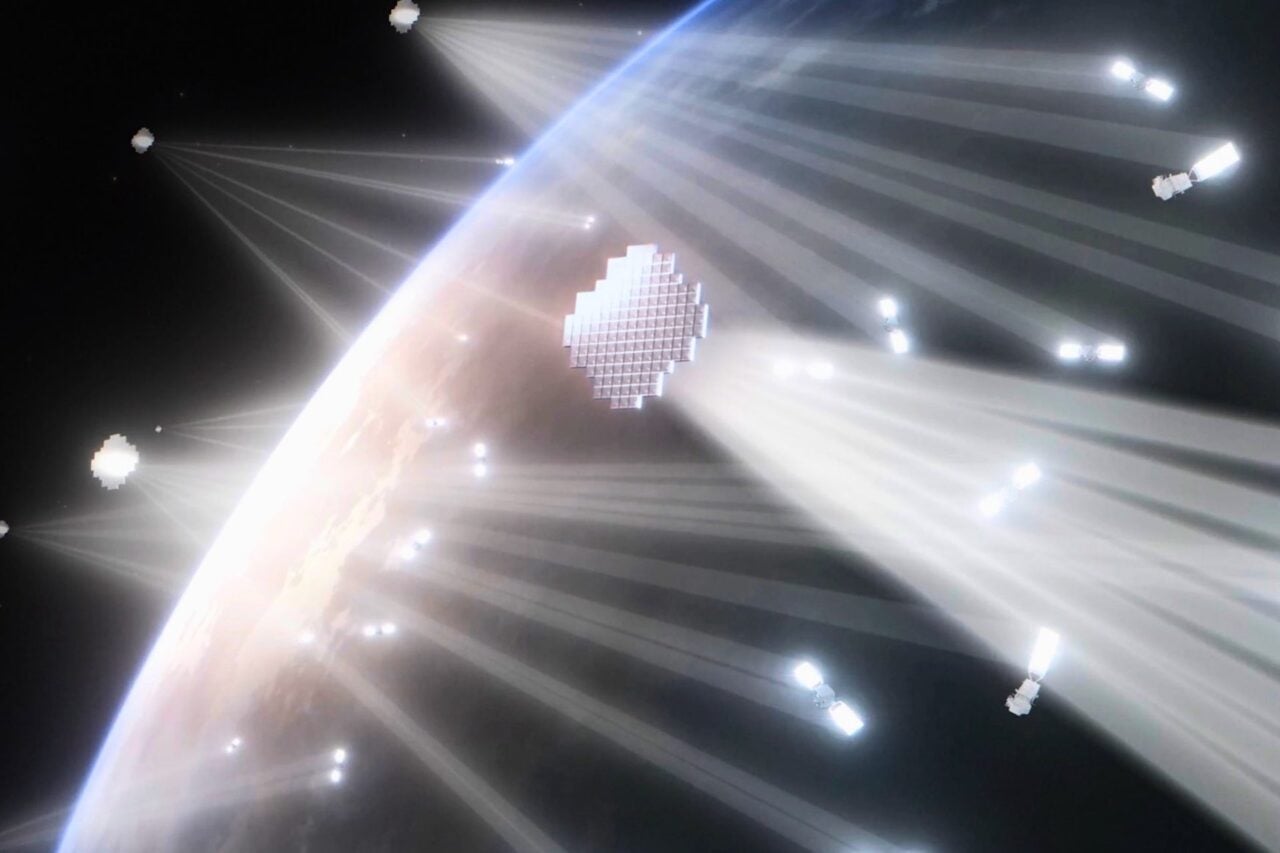

Mantis Space will use $10 million in seed funding to develop its prototype payload.
Someone's gotta keep an eye on things while you're away, and this tiny security cam from Baseus feels as good a pick as any.
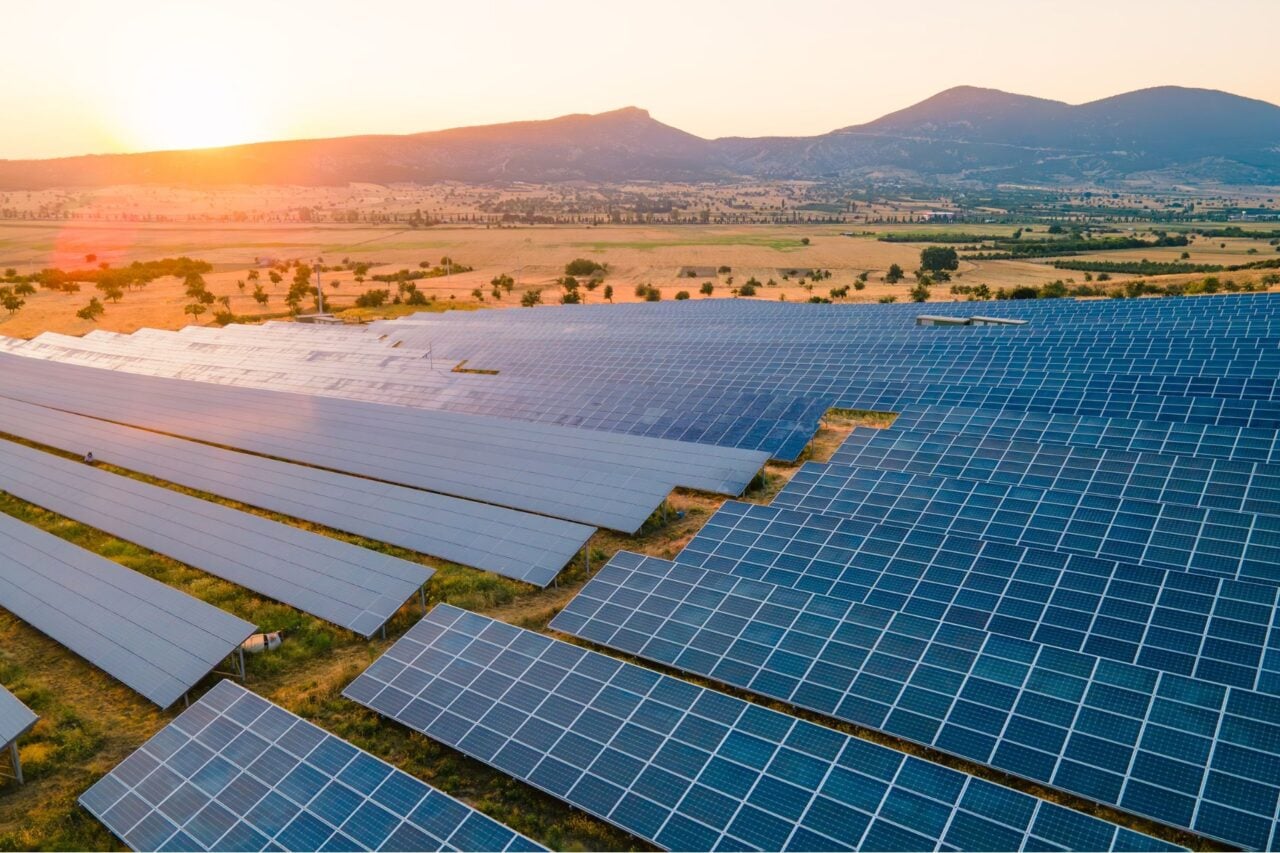
An engineering breakthrough involving lasers, black metal, and aluminum could boost solar power to 15 times what’s currently possible.
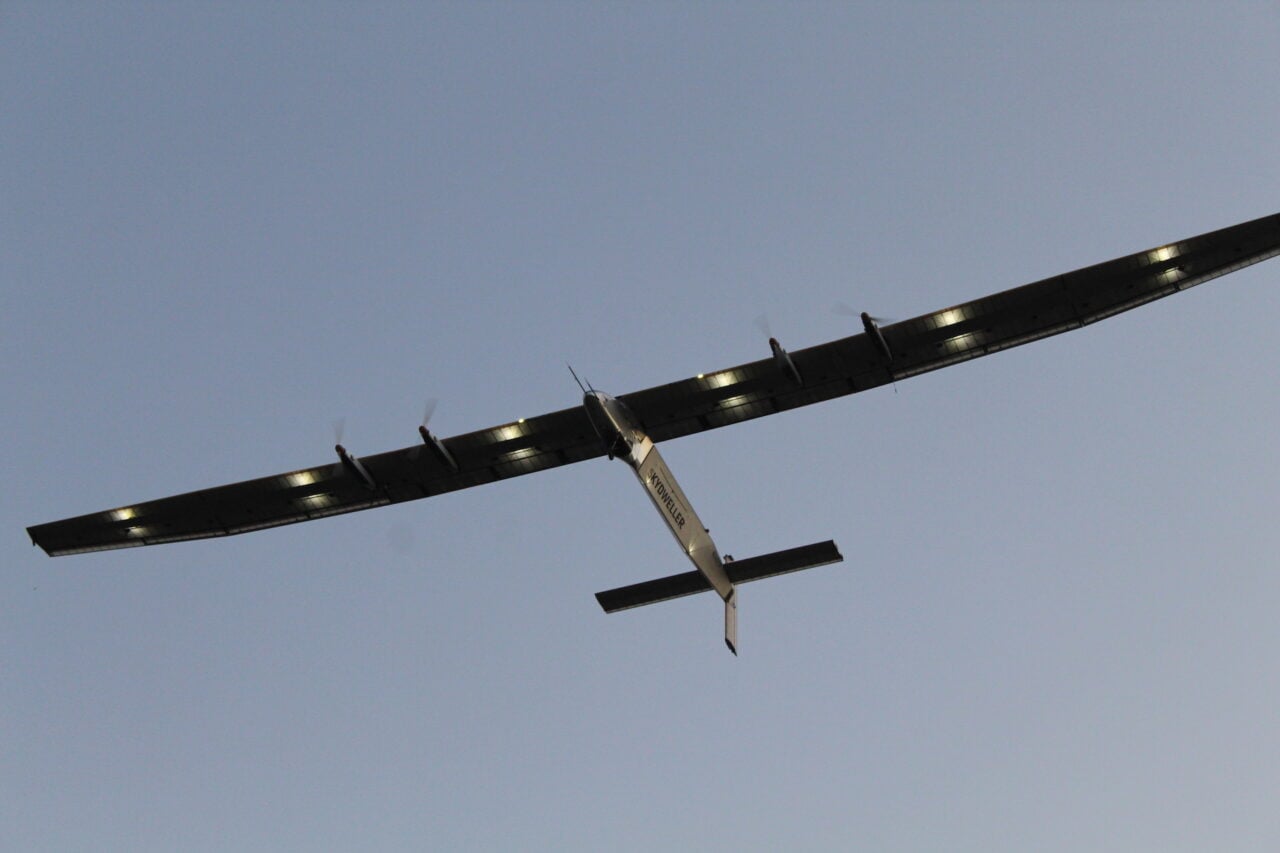
Engineers have crafted a tiny, lightweight device that only requires sunlight to explore parts of the atmosphere that are typically hard to reach.
Researchers have created a solar-powered reactor that collects CO2 by night and turns it into a useful gas by day.
The cost of renewables is plummeting, heat pumps are selling like crazy, and red states are raking in cash from the IRA.
Developed at Oxford, the cells are just 1 micron thick, but they match conventional materials in efficiency.
The 43-year-old man left letters threatening to “destroy or explode everything here in whole America."
If intelligent civilizations exist out there, they may not rely on amounts of energy that would make them visible to us.
Orbital Composites and Virtus Solis are collaborating to construct a satellite constellation that will transmit solar power to ground stations on Earth.
Caltech's recent breakthrough has moved us closer to achieving the transformative potential of space-based solar power.
Our power grid is in a precarious state, according to a report from the North American Electric Reliability Corporation.
Companies that make textiles, apparel, and furniture would benefit the most from solar energy, according to new research.
An analysis finds that almost all the coal plants in the U.S. are pricier to run than building new renewable energy facilities.
Pumped storage hydropower could make solar and wind energy available for nighttime use and cloudy days.
The company already has virtual power plants in California and Australia.
The United States Consumer Product Safety Commission recalled SunVilla's LED umbrella last Thursday due to battery problems.
Once built, the futuristic system would use satellites to transmit solar energy to receiving stations on Earth.
Solar power makes most sense near the Martian equator, but nuclear power remains a smart option at the poles, according to new research.
Renewables are catching up in a country where coal is still king.