Slasher movies came to power in the late 1970s and early ‘80s; though most critics sneered at them, studios kept cranking them out because they were reliably profitable. And though the trend eventually faded (before reviving in the ‘90s), there will always be an audience obsessed with this subgenre—especially the classics that established its best-known tropes, including the fiercely resilient Final Girl.
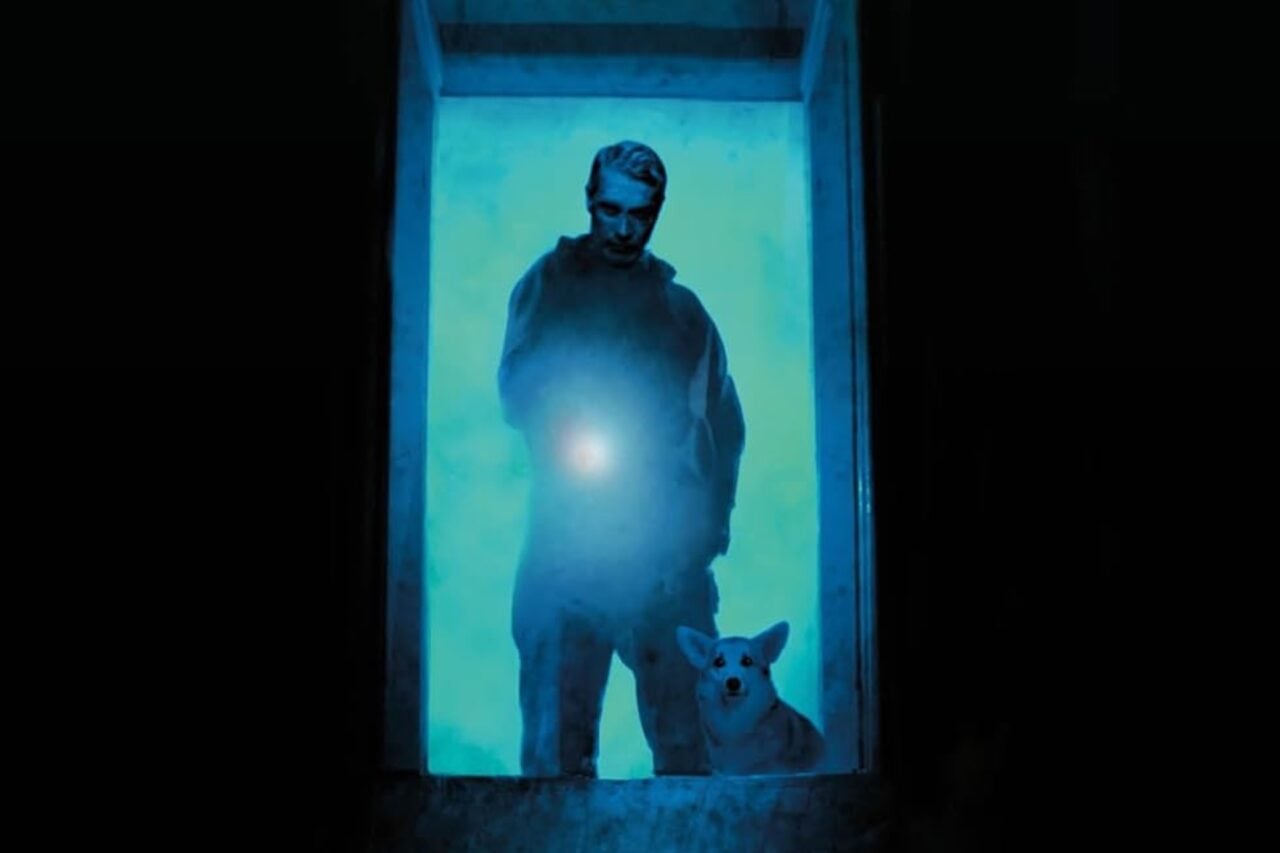
You can tell Teenage Sex and Death at Camp Miasma writer–director Jane Schoenbrun is among the slasher faithful right from the opening credits, which introduce you to the film’s fictional Camp Miasma franchise through imagery that pays eerily accurate homage to how Friday the 13th and its ilk were marketed back in the day. We see Camp Miasma posters, lobby cards, newspaper ads and clippings, an arcade game, a board game, and other tie-in trinkets. There’s also a huge stack of VHS tapes that illustrate the increasingly silly path taken by the Camp Miasma sequels.
And there’s more recent history and context given, as a series of blog posts reveal that there’s fresh interest in the Camp Miasma films. They’ve carved out a cult following despite containing transphobic and homophobic messaging that hasn’t aged well—a problem the studio seeks to remedy by hiring a queer “Sundance wunderkind” to direct a “woke” reboot, retooling the origin story of the franchise’s problematic villain, Little Death. What better way to heal those old wounds while also cashing in on an IP that could be making money off new generations?
With We’re All Going to the World’s Fair and I Saw the TV Glow, Schoenbrun was established as a uniquely gifted artist. Teenage Sex and Death at Camp Miasma further showcases their strengths, particularly the ability to blend dazzling visuals with stories that start off in the real world but soon escape into wilder, scarier, far more thrilling places.
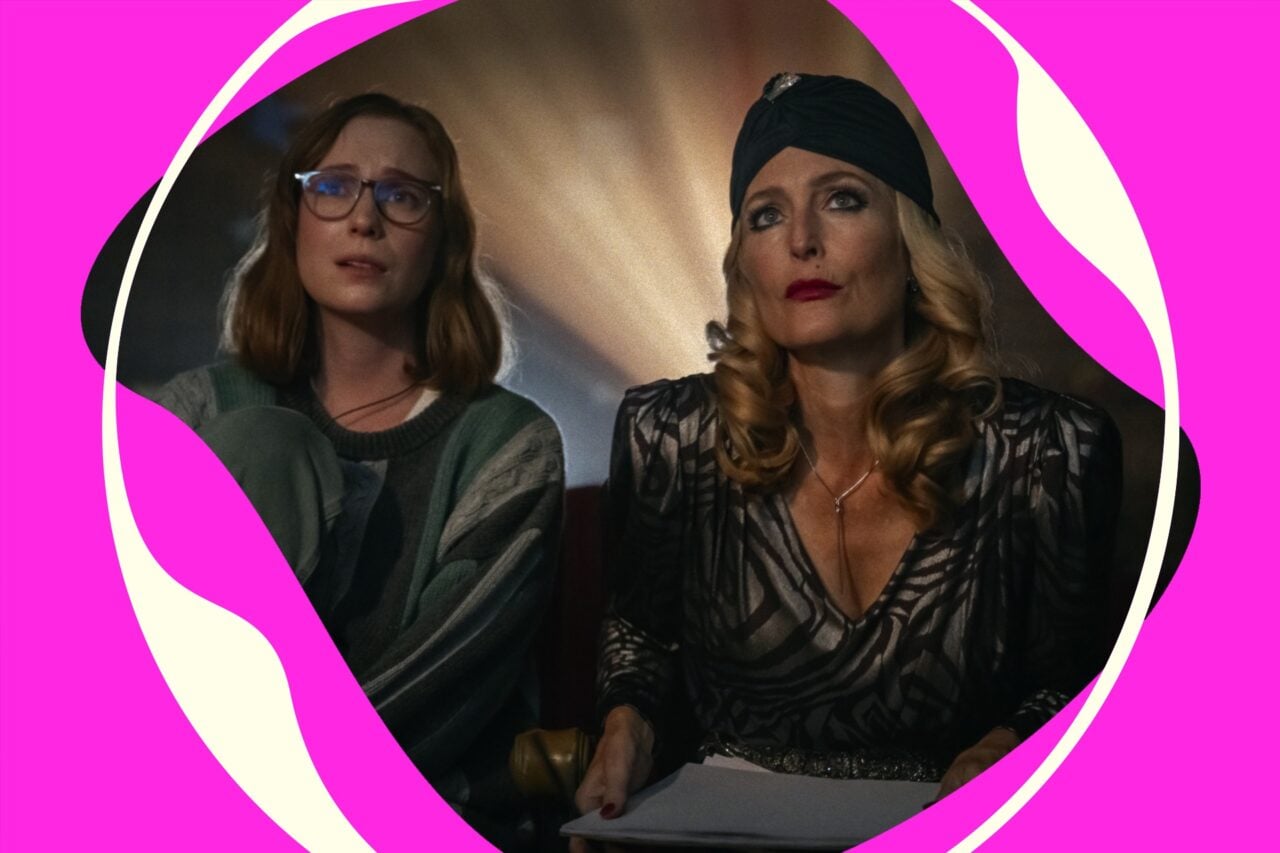
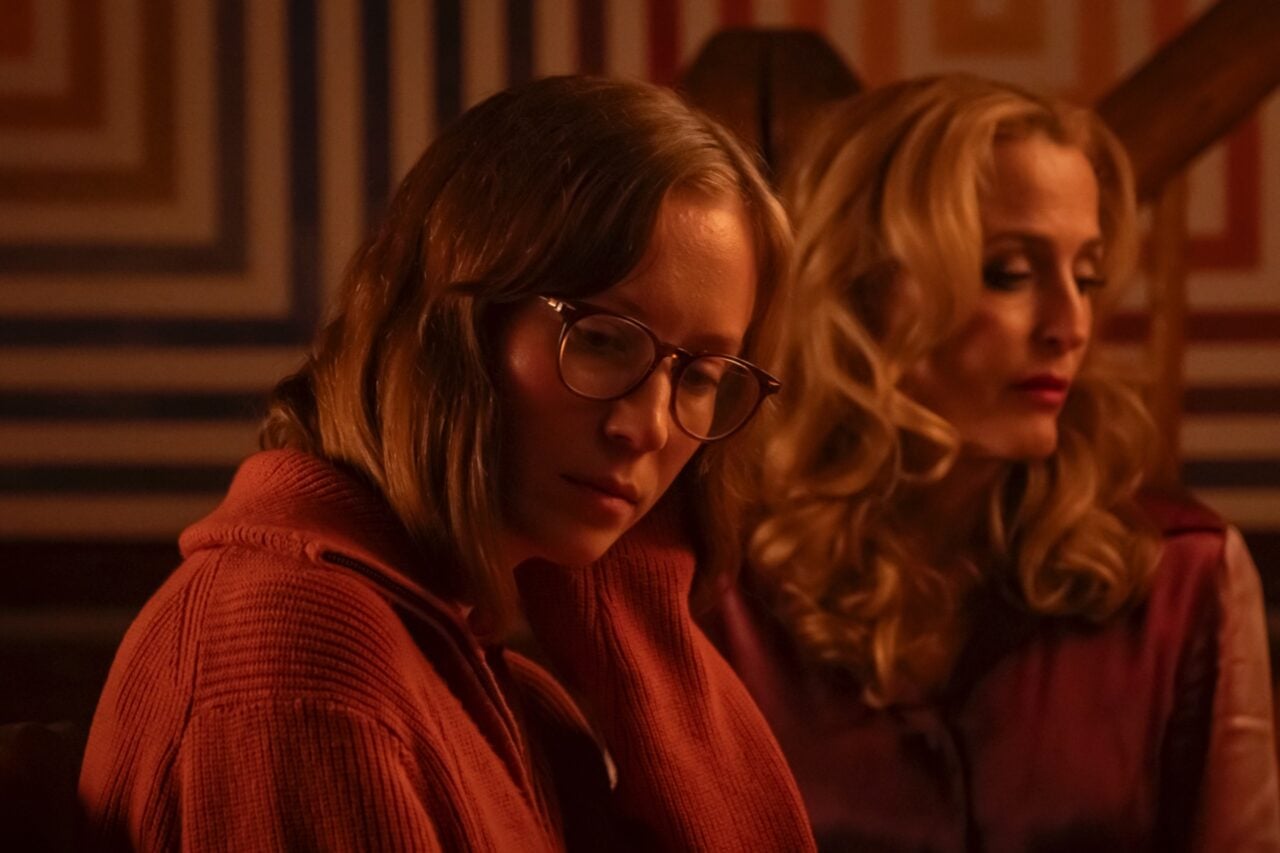
Their deep, affectionate knowledge of slasher films—the attention to detail cannot be overstated—makes this latest release feel like their most personal story yet. And despite all the geysers of blood, Teenage Sex and Death at Camp Miasma is actually very sweet, as Kris Williams (Hannah Einbinder) realizes her big break as a director has nudged her into a journey of self-discovery she never thought possible. It’s also extremely horny, helped along by the casting of Gillian Anderson as Billy Presley, the reclusive, glamorous, endearingly weird star of the original Camp Miasma movie. The seductive Dolly Parton accent is never explained, but it proves an inspired choice.
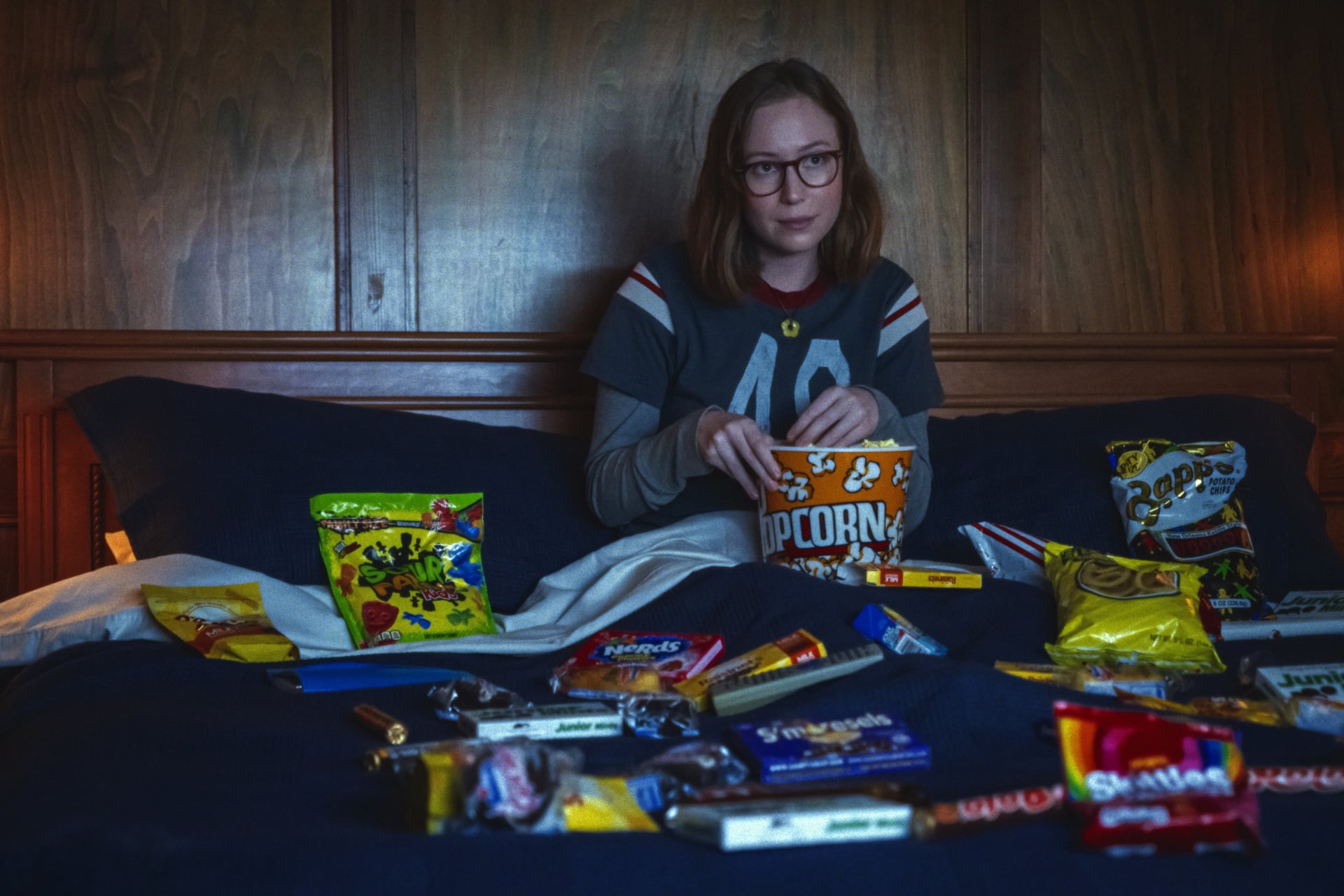
After stocking up with an unhealthy amount of candy—sweets are a close second to slasher movies in the fetish pecking order here—Kris drives into the snowy wilderness to meet Billy, intent on convincing her to sign on for her Camp Miasma reboot. But this is no ordinary work meeting, as Kris initially understands it to be; for one thing, Billy lives at the old summer camp that served as the backdrop for the first Camp Miasma movie.
Speaking of that retro classic, we get a glimpse of a good chunk of it, thanks to Billy’s insistence on screening it for Kris, even though Kris can recite all the lines by heart. Watching the film where it was made, sitting next to the woman who starred in it (the haunting Amanda Fix plays the young Billy), helps Kris begin to unlock a part of herself that has nothing to do with patronizing studio executives or her pushy agent (literally entered in her phone as “Your Agent” and played by the satirically spot-on Sarah Sherman).
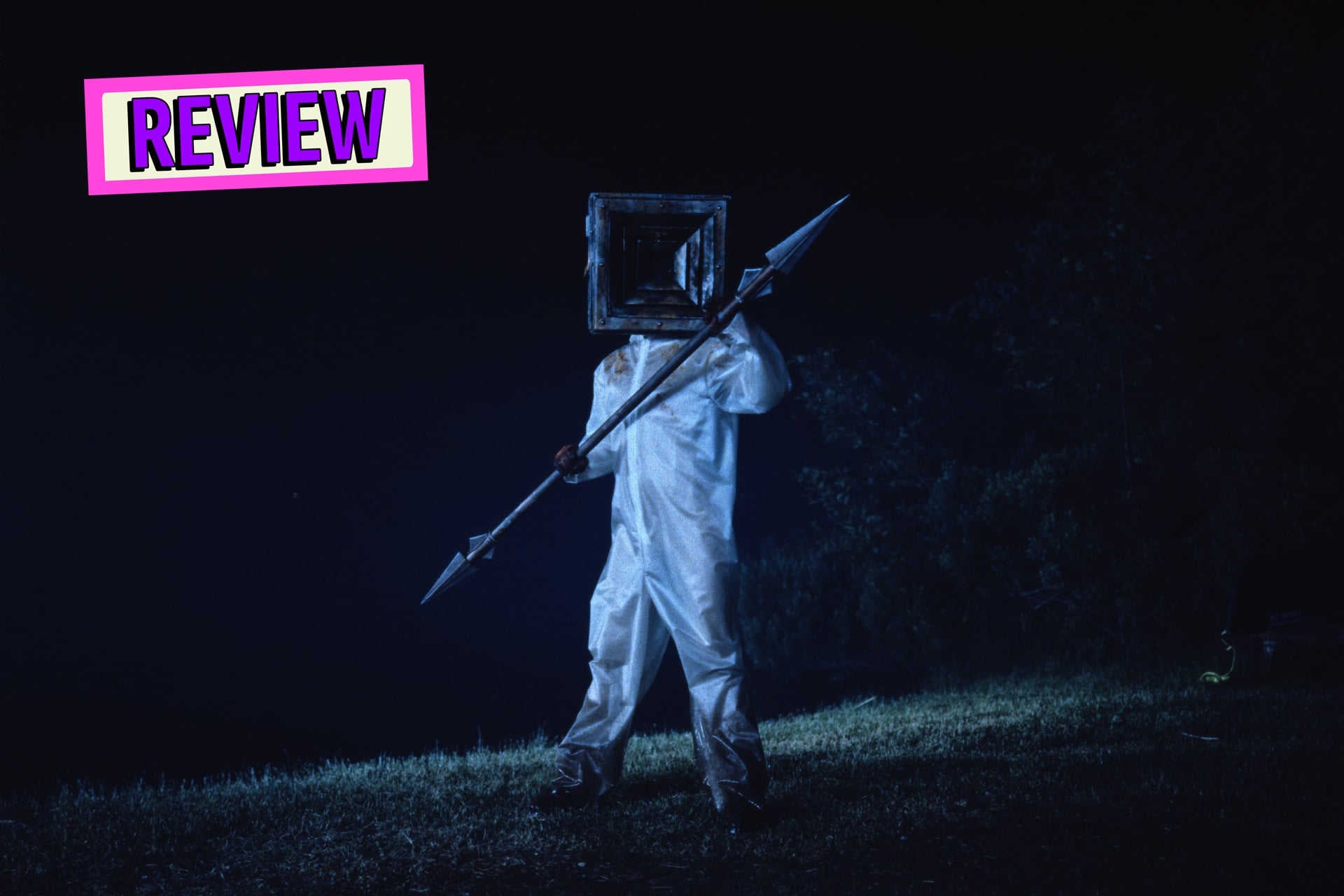
She’s sought out Billy, hoping to woo her out of retirement; it’s just one piece of her plan for reclaiming her favorite slasher series. “I’m going to beat Hollywood at their own game,” she tells Billy and explains that her work focuses on “queerness and cultural depictions of monstrosity,” not to mention “the gender trouble inherent in the slasher genre.” And when we hear how Camp Miasma portrayed Little Death (played by I Saw the TV Glow‘s Jack Haven, who’s mostly obscured by the killer’s bulky vent mask), anyone who’s watched Sleepaway Camp will understand where Schoenbrun got the inspiration.
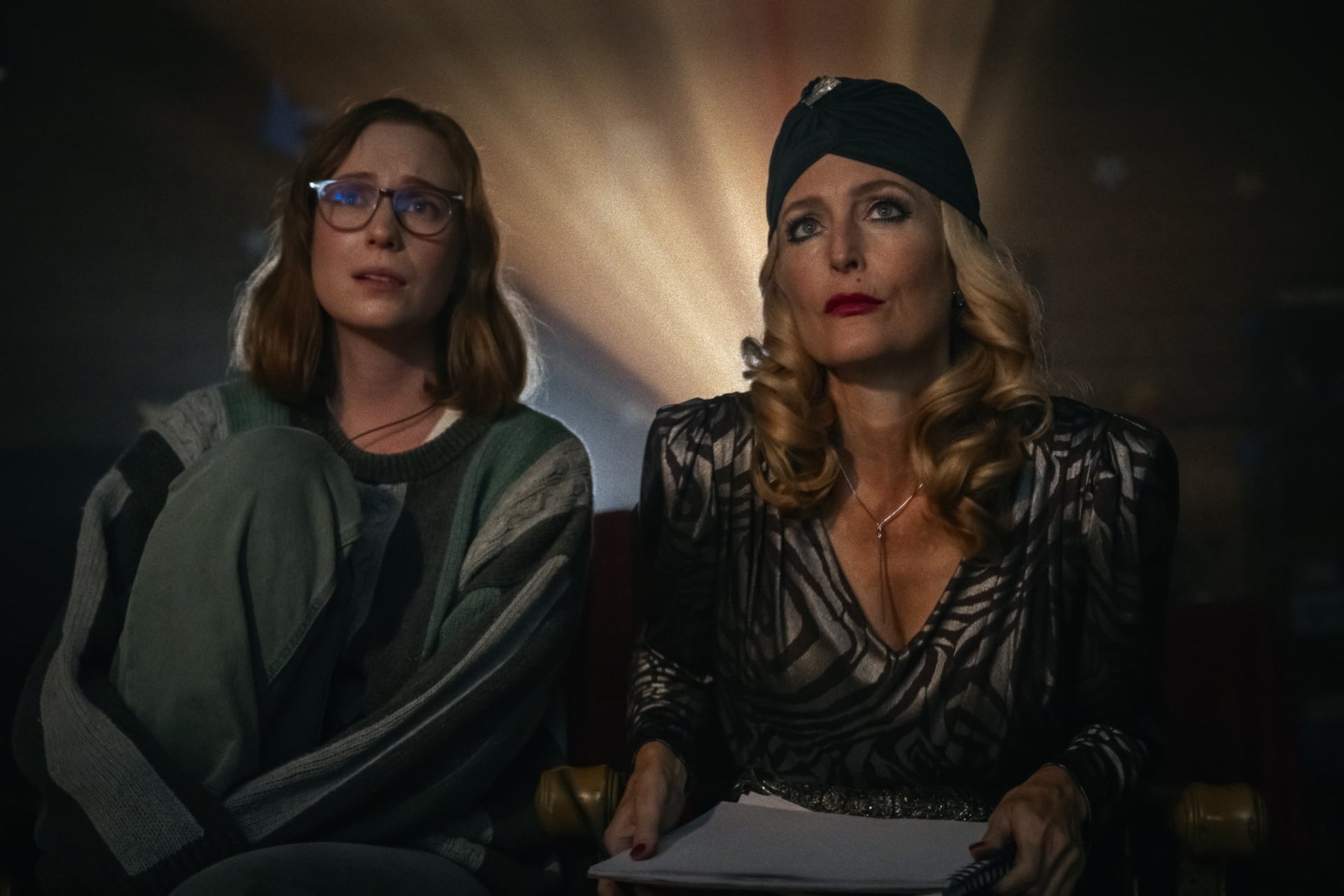
But Billy’s more complicated than Kris initially realizes. She’s not just an alluring former movie star; she’s unusually in tune with Little Death, who might be real, and who might just be capable of tapping into the slasher film’s signature use of point-of-view camerawork—letting the audience see through the eyes of the killer—to help the sexually repressed learn to blossom. It could be the ultimate form of fan service.
And, yes, there are both orgasms, as Little Death’s name promises, and operatic bloodshed to go with that ooey-gooey stuff. One splattery spree set to an unexpected Counting Crows track is a Teenage Sex and Death at Camp Miasma high point, illustrating Schoenbrun’s ability to capture not just sex and death but perfectly calibrated oddball humor too. The slasher genre is lucky to have them and to have this subversive yet earnest tribute now in the pantheon.
Teenage Sex and Death at Camp Miasma is now playing in select cities and will expand starting August 14.
Want more io9 news? Check out the best movies and TV shows to stream this month and all the upcoming sci-fi, fantasy, and horror books that should be on your radar.