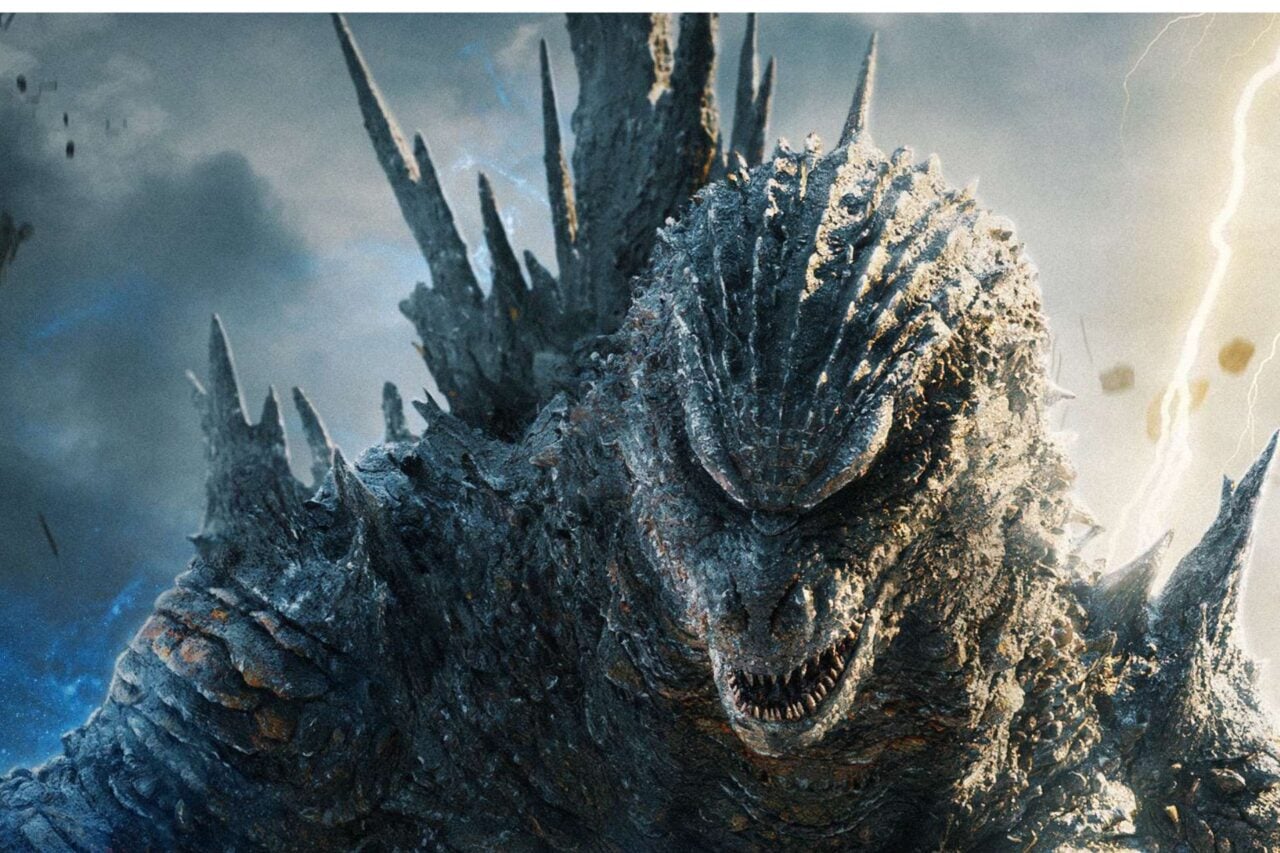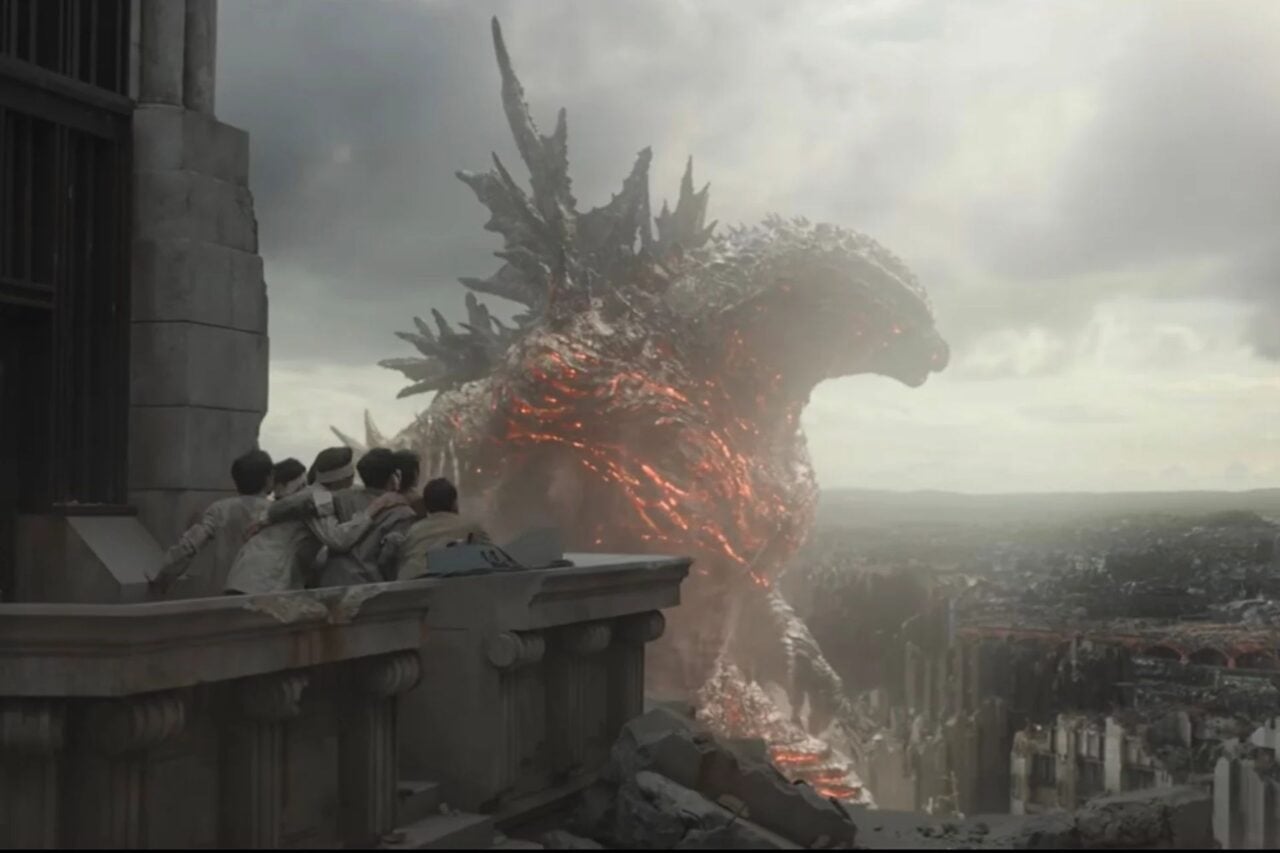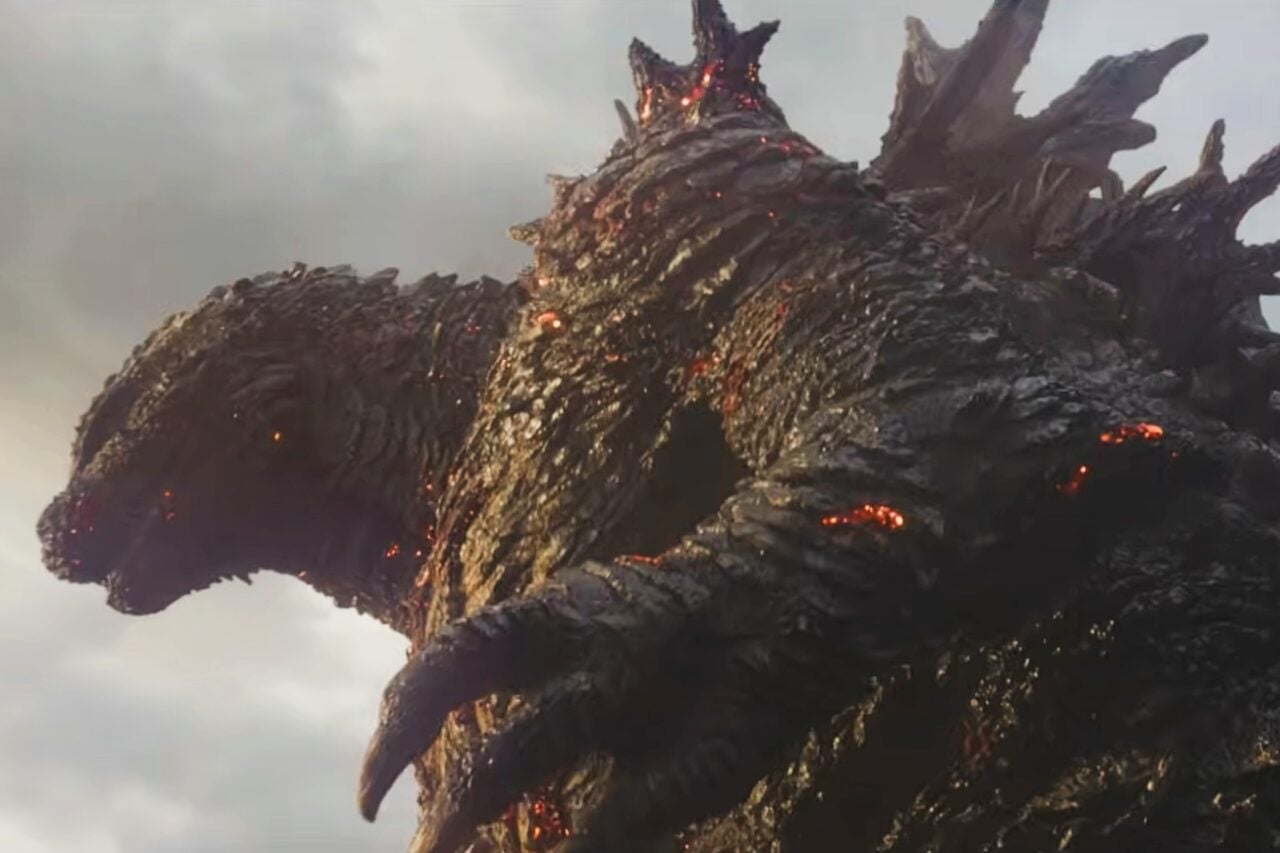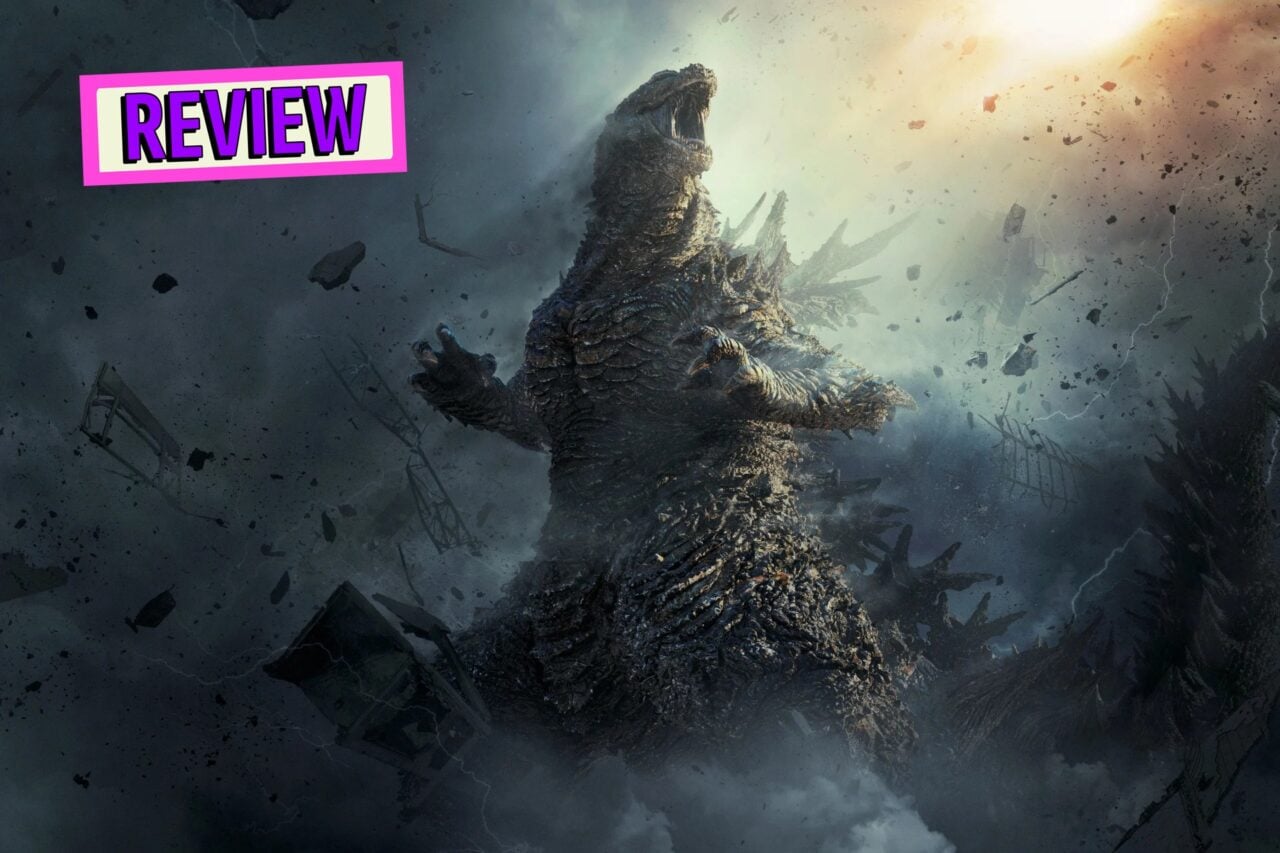
Godzilla Minus Zero is out now, and like its predecessor, it’s got quite a bit going on for the humans. The Shikishima family unfortunately find themselves at the forefront of the government’s efforts to repel the newly emerged Ghidorah and eventually Godzilla, and not just because Kōichi (Ryunosuke Kamiki) defeated the latter once before.

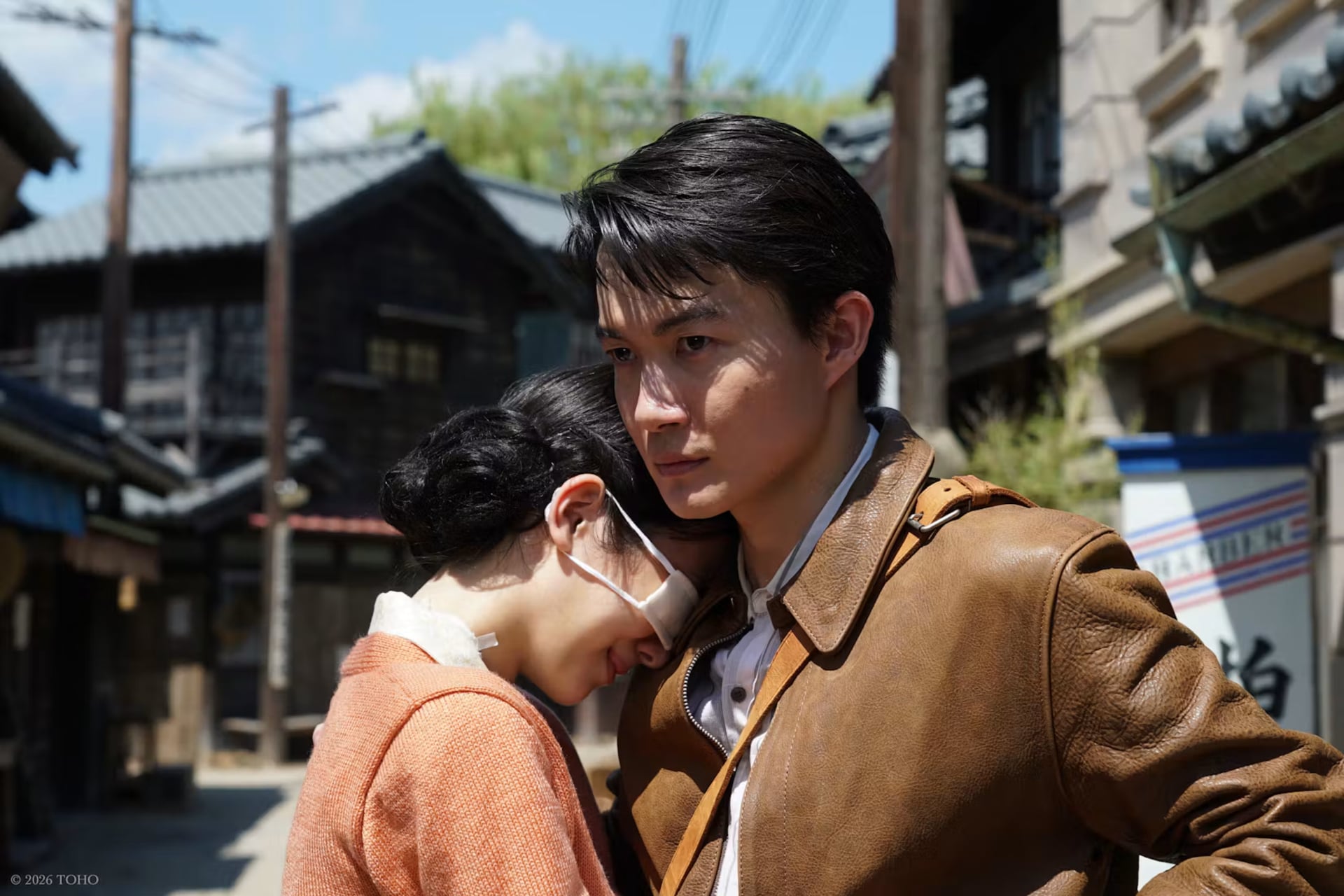
Halfway into the film, we learn that Noriko (Hamabe) has G-cells in her bloodstream. Of those who survived the devastation of Ginza in Godzilla Minus One, she’s the only one who hasn’t died from the radioactive cells, which has also affected her body and one of her eyes. Talking with Inverse, director/writer Takashi Yamazaki revealed two things about this plot point: it came about accidentally, and it’s not something he came up with on his own.
To the first point, he said the black mark on Noriko’s neck when Kōichi reunites with her “was not planned” during Minus One’s production. “In that film, she effectively dies, but when bringing her back, it felt like we needed some kind of reason as to why or how she survived,” he explained. “We had no idea that was going to play a very pivotal role in the sequel.”
As for that second part, Yamazaki credited 1989’s Godzilla vs. Biollante for introducing G-cells into the franchise. That film saw corporations fighting for Godzilla’s cells to use for their own ends, something Godzilla Minus Zero gestures at with Ghidorah absorbing G-cells to gain its own heat ray, and Murakami wanting to control Godzilla to destroy New York.
That fear of control leads Kōichi and Noriko to keep her condition a secret so she wouldn’t be studied by the government. The couple planned to go into hiding once they helped the Large-Scale Disaster Response Bureau deal with Godzilla and Ghidorah. But when it’s time to leave their adoptive daughter Akiko behind at the local orphanage, they can’t, and bring her along with them.
Kamiki told Inverse there were “two paths” to take, and that he was glad the film “took the path I hoped it would.” To him, leaving Akiko or taking her with them are each legitimate means “of protecting the family, whether they’re all together or not.” Even so, he acknowledged that what’s right for him may not be right for viewers.
Likewise, Hamabe noted their characters’ “very stern expressions” when the family rides off into the night. It might not be a happy ending in the traditional sense, but to her, it makes for a “very good ending, because what the future holds for each one of them is still a little bit unknown.”
That sense of unknown is literal, as Yamazaki’s currently focused on his next film, Grandgear. He’d sure like to come back to Godzilla eventually, and maybe even do an original kaiju, but it’s not his focus right now. Whenever that happens, Hamabe offered an interesting possibility for a sequel to play around with: “I think connections like [Godzilla and Noriko’s] couldn’t be a one-way street,” she said. “I think there’s some kind of symbiotic relationship happening on some level. So perhaps next time Godzilla appears or is close to the coast, I’m sure some change will happen within her.”
Want more io9 news? Check out the best movies and TV shows to stream this month and all the upcoming sci-fi, fantasy, and horror books that should be on your radar.