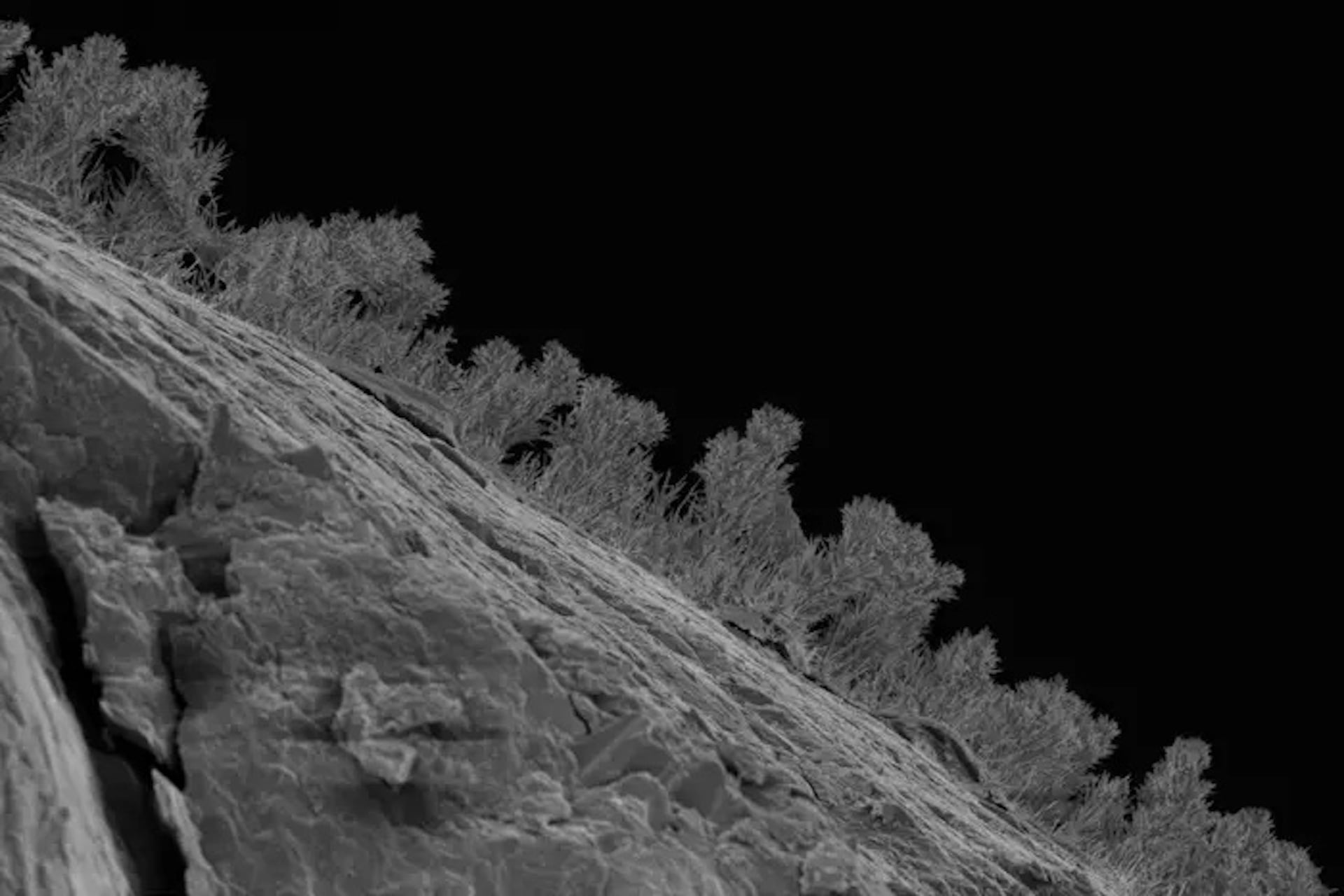
Hidden deep below the ground, a vast ecosystem of tiny organisms is reshaping scientists’ understanding of how life can survive in some of the planet’s most inhospitable environments.
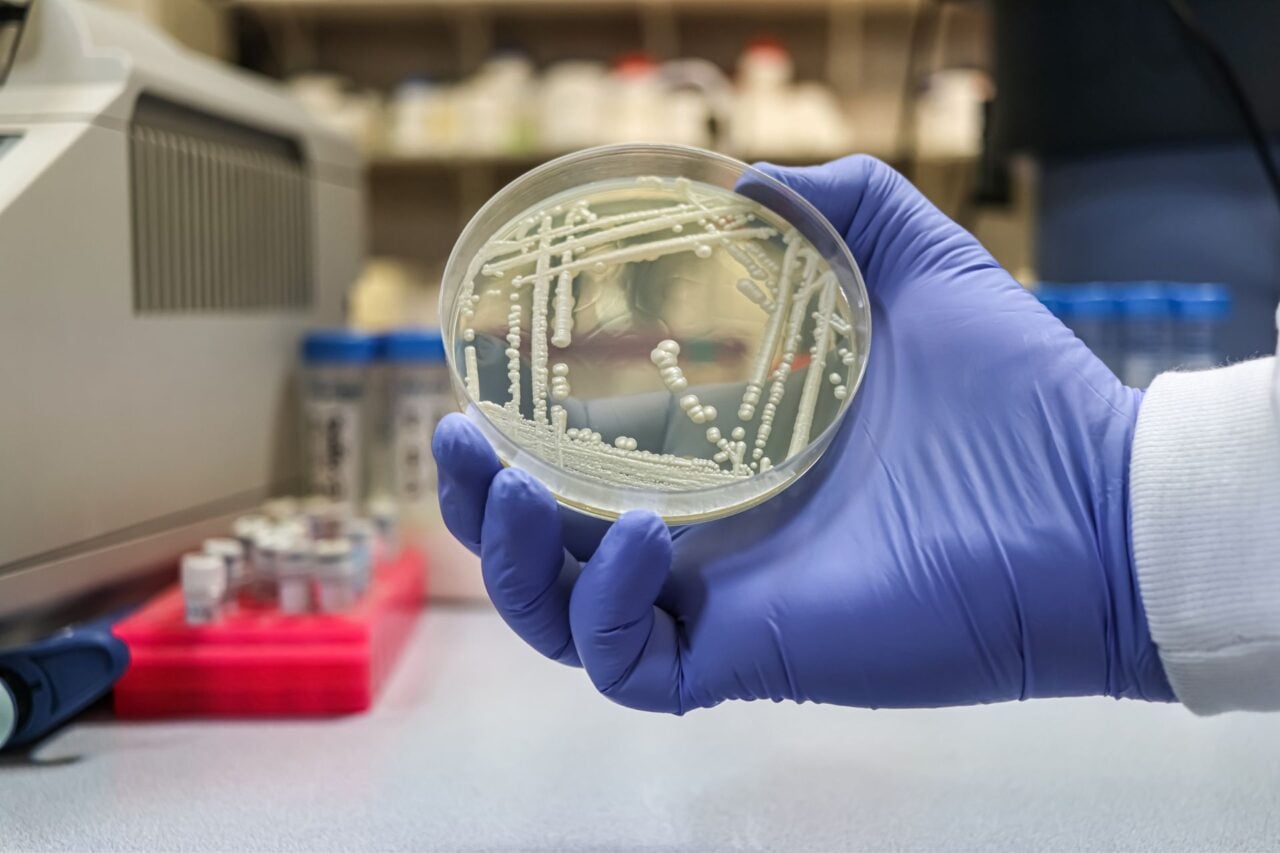
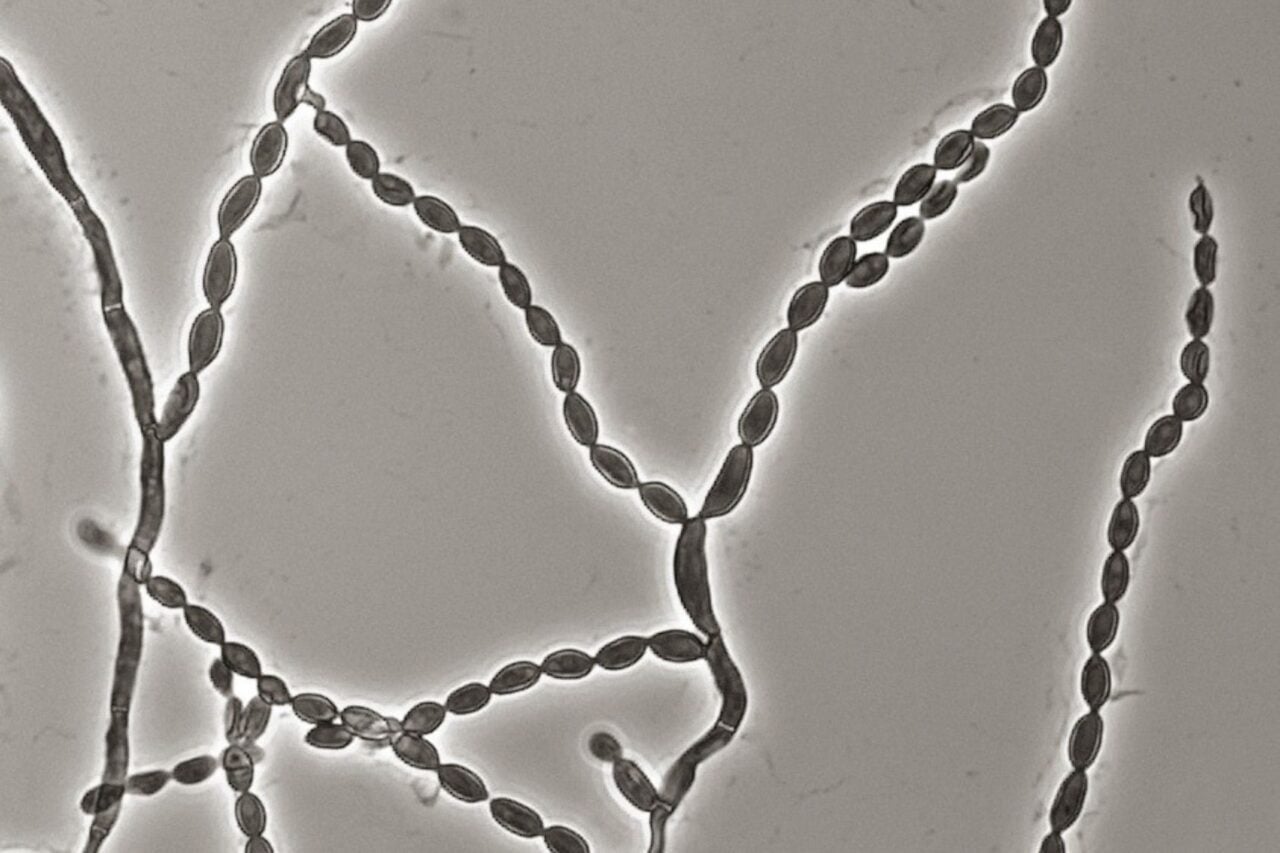
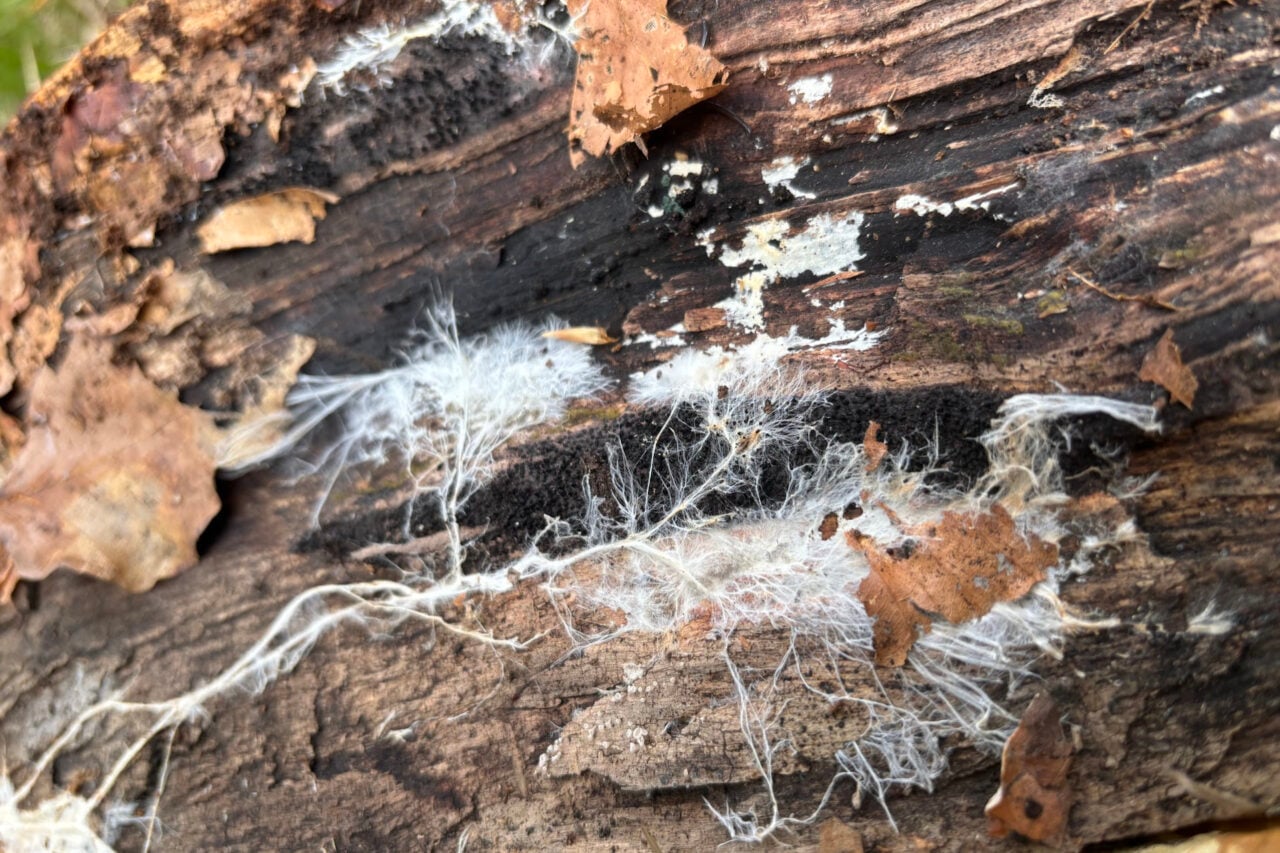
A team of researchers uncovered a hidden, yet thriving, world of rock-eating fungi, worms, and tardigrades buried hundreds of feet beneath the Great Lakes region. The findings, published in The ISME Journal, identified 689 unique fungi species, including 13 newly described species, in drops of water that hadn’t seen the surface world in thousands of years.
“The discovery opens a window into a world that is dark, ancient and almost entirely hidden—but is far from lifeless,” Quinn Moon, an environmental scientist at the University of Michigan (UM) and lead author of the study, said in a statement.
Digging deep
To examine life in the subsurface, the researchers behind the new study collected water from gas wells drilled into the Antrim Shale, a buried rock formation that stretches beneath much of the Great Lakes region. The wells reached depths ranging from 650 to 1,640 feet (198 to 500 meters).
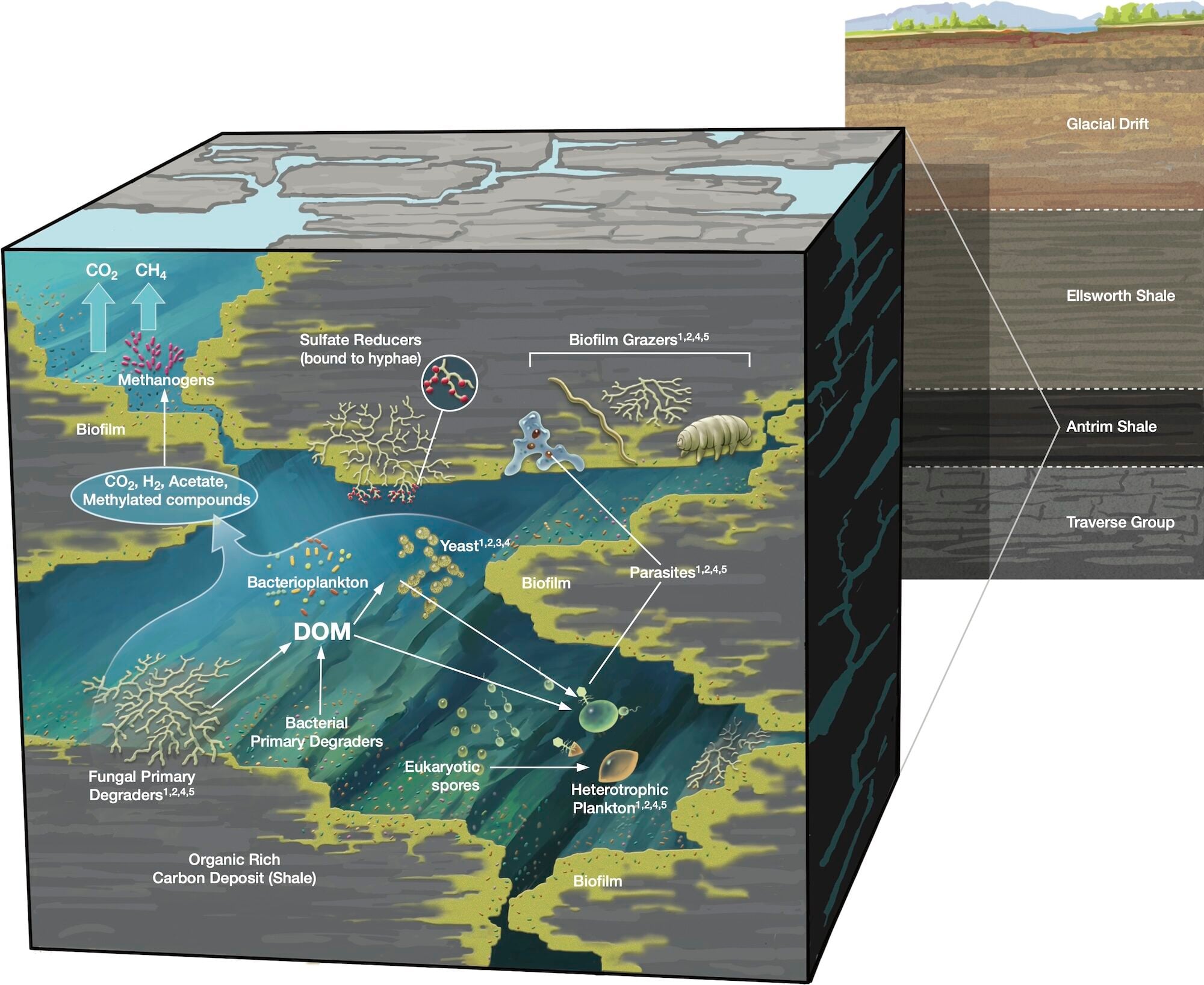
Isotopic dating traced the water all the way to the Ice Age, meaning that it likely came from the melting of ice sheets and was last in contact with the surface 11,000 years ago. As the glaciers melted, the water likely carried fungi and bacteria all the way down through porous and fractured rock layers. Once the microscopic organisms settled in cracks of the Antrim Shale, they began to feed on the organic material trapped in the rock.
A single drop of the collected water contained roughly 250 fungal cells, the same amount as a drop of ocean water, according to the study. Approximately 12 trillion cells would be found in an Olympic-sized pool.
“Our study challenges the idea that it’s inhospitable for more complex life like fungi in the deep subsurface,” Moon said. “We may be meaningfully underestimating the biomass and diversity of fungi on the planet because we’ve never incorporated the subsurface into estimates of global fungal biodiversity.”
Hidden world
The team also found other complex life forms, including the notoriously indestructible tardigrades, or water bears, and tiny segmented worms. Together, these tiny organisms appear to have formed an underground food web, with some eating others while some act as parasites.
The shale itself also acts as a food source for the underground ecosystem. The researchers are also suggesting that if the fungi, alongside bacteria and other organisms, convert some of that ancient material into gas, then underground carbon may be more biologically active rather than remaining trapped underground for long periods of time.
“Regardless of whether these fungi originated in or were introduced to these deep spaces, many fungi possess adaptations that allow them to grow and influence the carbon dynamics deep in the earth,” Tim James, professor of ecology and evolutionary biology at UM and senior author of the study, said in a statement. “Fungi need to be incorporated into models of carbon cycling and sequestration in the subsurface.”