Since we’re in the lead-up to the 25th anniversary of the September 11 attacks, the House Permanent Select Committee on Intelligence, which is currently led by Arizona Republican Rick Crawford, released a new review of the 9/11 commission report. It would be fair to say the committee is spooked about AI.
Minus endnotes, the report is about 56 pages long, and it looks like about 10% is AI-related. It covers assassination threats against President Trump, a whole lot about China, and relatively minor security issues like the threat posed by diabolical international intellectual property thieves. But it also contains lengthy warnings about AI and the “Black Swan” risks posed by its advancement.
Mostly, the AI sections of the report are about the possibility of AI-powered terrorism. AI models “have the possibility of making it significantly easier for any rogue actor, including terrorists, to develop and conduct more destructive attacks,” it says.
That includes, the report says, bioweapons. “Knowledge and techniques that can support vaccine development, disease detection, and medical innovation may also be misused by hostile states or non-state actors seeking to develop, modify, or disseminate harmful biological agents.”
And of course, there’s the threat posed by insufficient gusto in our own efforts to develop AI very, very quickly in order to “stay ahead of AI-enabled threats.” The intelligence community, we’re told, “must also invest in adopting advanced AI capabilities of its own—so that the United States maintains its edge over its adversaries who are rapidly integrating AI into their own operations.”
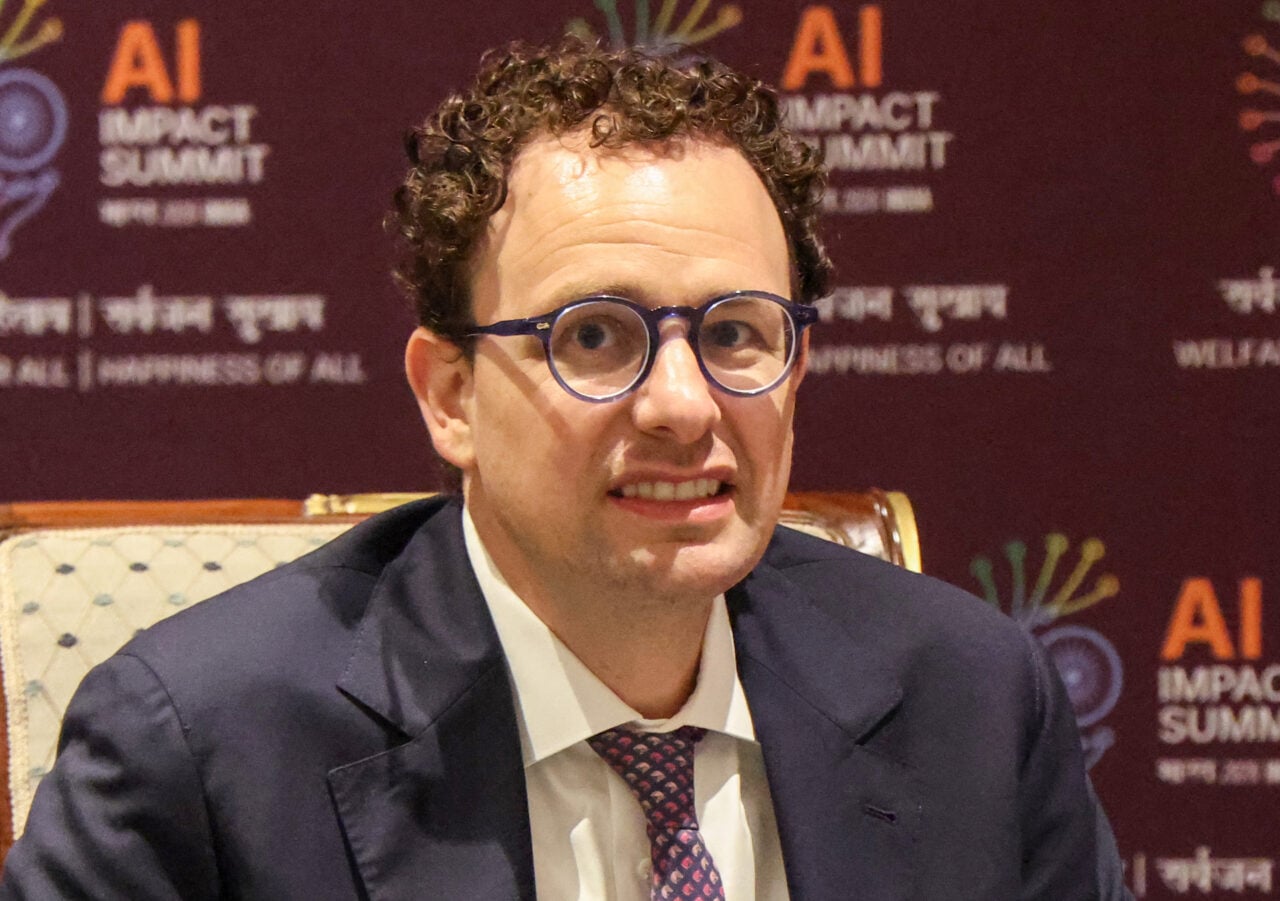
One of the AI sections highlights house testimony from Johns Hopkins international studies professor Dr. Benjamin Buchanan, who evoked the immediate lead-up to 9/11, when there was a “failure of imagination.” Specifically, Buchanan said, the governments inability to “connect information scattered across institutional seams led to devastating strategic surprise.”
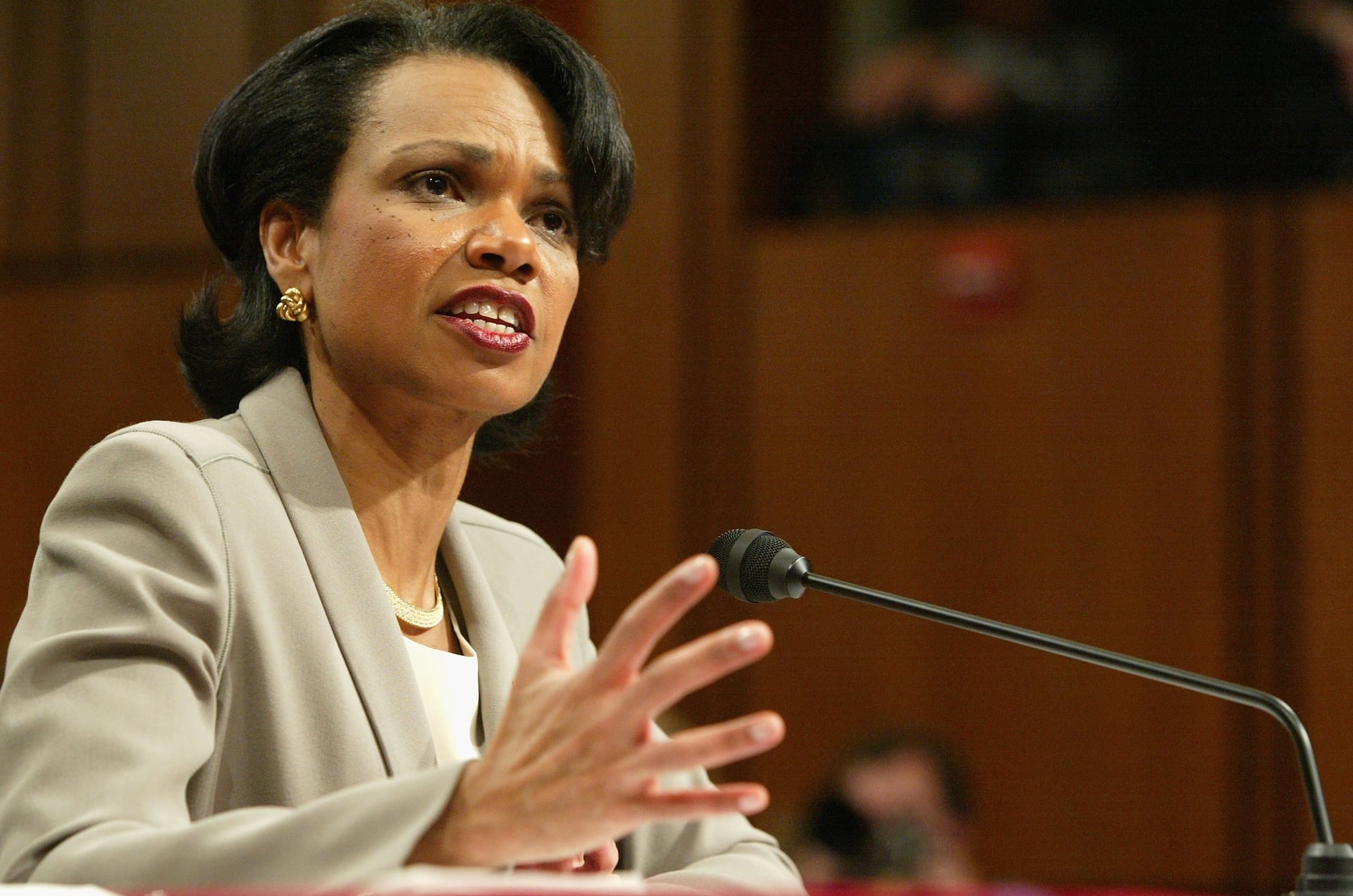
You probably remember the famous news clip from one of the 9/11 Commission Hearings in 2004 in which special prosecutor Richard Ben-Veniste asks George W. Bush’s National Security Advisor Condoleezza Rice for the title of a President’s Daily Brief (PDB) document provided to Bush a little over a month before the attacks.
Ben-Veniste: Isn’t it a fact, Dr. Rice, that the Aug. 6 P.D.B. warned against possible attacks in this country? And I ask you whether you recall the title of that P.D.B.
Rice: I believe the title was Bin Laden Determined To Attack Inside the United States. Now, the P.D.B.—
And then Ben-Veniste cuts Rice off, knowing he’s just clipfarmed his way to immortality.
And for sure, the original 9/11 Commission Report is pretty damning in this department. Chapter 8 is called “THE SYSTEM WAS BLINKING RED.” But the damning part is nothing as general as the Condoleezza Rice clip. It wasn’t that Rice knew about Bin Laden’s intentions, but that U.S. intelligence agents knew who his guys were, and had some idea of what they were up to, but they didn’t send in John Wick or whatever they’re supposed to do when they know something like that.
For instance, agents had tracked the eventual 9/11 hijackers Nawaf al-Hazmi and Khalid al-Mihdhar, stopped tracking them, and then blew chances to start again. “On four occasions in 2001,” the Report says, “the CIA, the FBI, or both had apparent opportunities to refocus on the significance of Hazmi and Mihdhar and reinvigorate the search for them.” And an agent in Crawford’s own state, Arizona, wrote a memo to FBI headquarters claiming that Arizona flight schools were being used to train al Qaeda members.
What “failure of imagination” might the intelligence committee be experiencing this time? What specific measure could the U.S. possibly take to prevent some kind of AI disaster? It’s a mystery. I guess I’ll just leave you, dear reader, with these two consecutive sentences from the report that I chose at random. I’m sure the secret is not buried in them anywhere:
“While there is no single approach to address this threat, the Committee believes the [intelligence community] and policymakers more broadly must carefully consider how to prevent AI tools from being leveraged for use by rogue actors, including terrorists. At the same time, the Committee believes the IC must accelerate its own responsible adoption of advanced AI capabilities so that the United States stays ahead of its adversaries.”