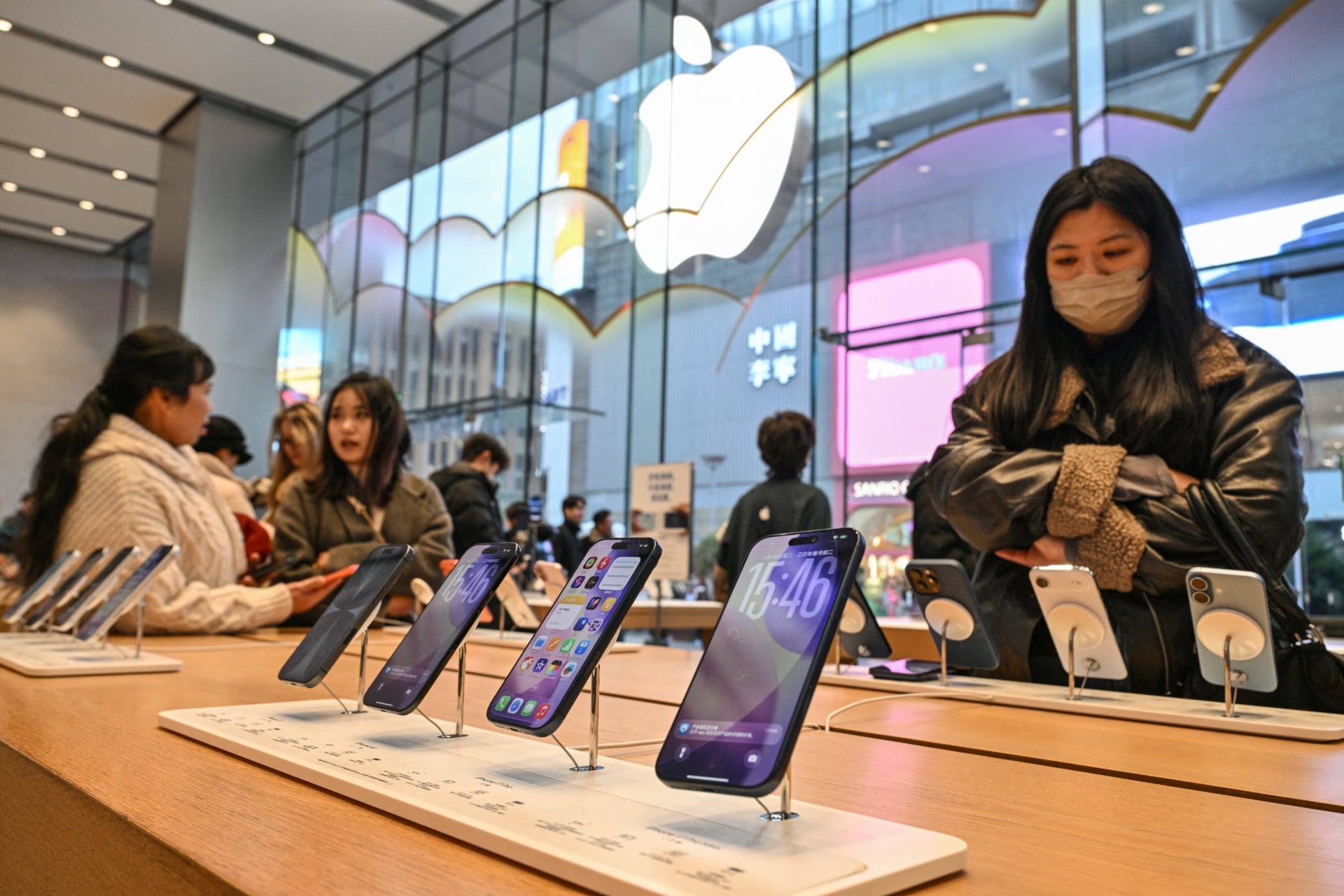
Global smartphone shipments fell 11% in the second quarter of this year, marking the lowest level since 2013, according to estimates from Counterpoint Research.
To blame are soaring smartphone prices, driven incrementally higher as a global memory chip shortage worsens.
“The global memory crisis has now overtaken every other factor as the single biggest drag on the smartphone industry,” Counterpoint Research senior analyst Shilpi Jain said in the release.
The AI boom and the unprecedented data center buildout have skyrocketed demand for high-bandwidth memory chips. With the trillions of dollars flowing into scaling AI globally, the top chipmakers have shifted their focus almost entirely to address the AI industry’s chip demand, albeit at the expense of consumer electronics manufacturers. With finite chipmaking capacity, consumer-level memory supply has dragged, causing delays and price hikes that have been undeniably passed on to consumers looking to buy gadgets that also rely on these memory chips, such as computers and smartphones.
But the impact is not dealt equally. Demand for smartphones from Samsung and Apple in the second quarter was still pretty resilient, Counterpoint claims, with both phonemakers experiencing growth. Driven by the flagship Galaxy S26 series and fewer price hikes than some competitors, Samsung experienced the strongest growth in shipments.
Meanwhile, Apple’s market share rose to a record 20%, probably thanks to its position as the only major smartphone manufacturer that has largely avoided price hikes. But that reality is looking likely to change with the upcoming iPhone 18, which recent reports claim could be priced at least $200 higher than the iPhone 17 Pro.
Apple CEO Tim Cook also told the Wall Street Journal last month that the memory chip shortage had become “unsustainable,” making price hikes for Apple products simply “unavoidable.”
“This is a hundred-year flood,” Cook told the WSJ. “I’ve never seen anything like it in any area in over 40 years.”
Instead of Samsung and Apple, the brunt of the decline in shipments was faced by smartphone makers that appeal to a more budget-conscious consumer, such as China’s Xiaomi and Oppo. Entry and mid-tier smartphones, which are priced considerably lower than the iPhone, experienced major price hikes because production became “structurally unfeasible at previous price points,” Jain said.
Analysts foresee the memory crisis continuing into next year and beyond, with some experts even seeing the shortage and the accompanying price hikes bleeding into the next decade. Top memory chipmaker SK Hynix’s CEO Kwak Noh-Jung told Reuters last week that he expects 2027 to be the worst year yet for the memory shortage.
“We forecast that next year will be the worst year in the industry’s history from the supply perspective,” Kwak told Reuters. “We still forecast that customer demand will remain higher than our supply capacity even beyond 2030.”
The Counterpoint report’s view is also pessimistic. As the shortage continues into next year, the researchers expect shipments to be down around 14% for the full year 2026.
“Overall demand recovery is unlikely until memory supply conditions improve substantially,” the company said. If AI hype and soaring financial commitments continue as is, that improvement in conditions is unlikely to happen any time soon.