Don’t ever say Donald Trump has AI psychosis. According to the American Psychological Association, “AI psychosis” is a notable term of recent origin, but “not a formal diagnosis.” It’s not yet clear, the APA writes, “whether these cases involve an unrecognized vulnerability to psychotic illness, acute AI-triggered episodes, or something else.” Plus, even if it were a diagnosis, the Goldwater Rule is a norm in the media world that makes it taboo to diagnose prominent politicians with mental disorders.
But here’s an even better reason not to brand Trump psychologically damaged by artificial intelligence: he calls it “Super Intelligence” on official documents, and now, thanks to his efforts, so does the leader of the second most populous country in the world, according to a fact sheet released by the White House last night. So there. He can’t have AI psychosis. Case closed.
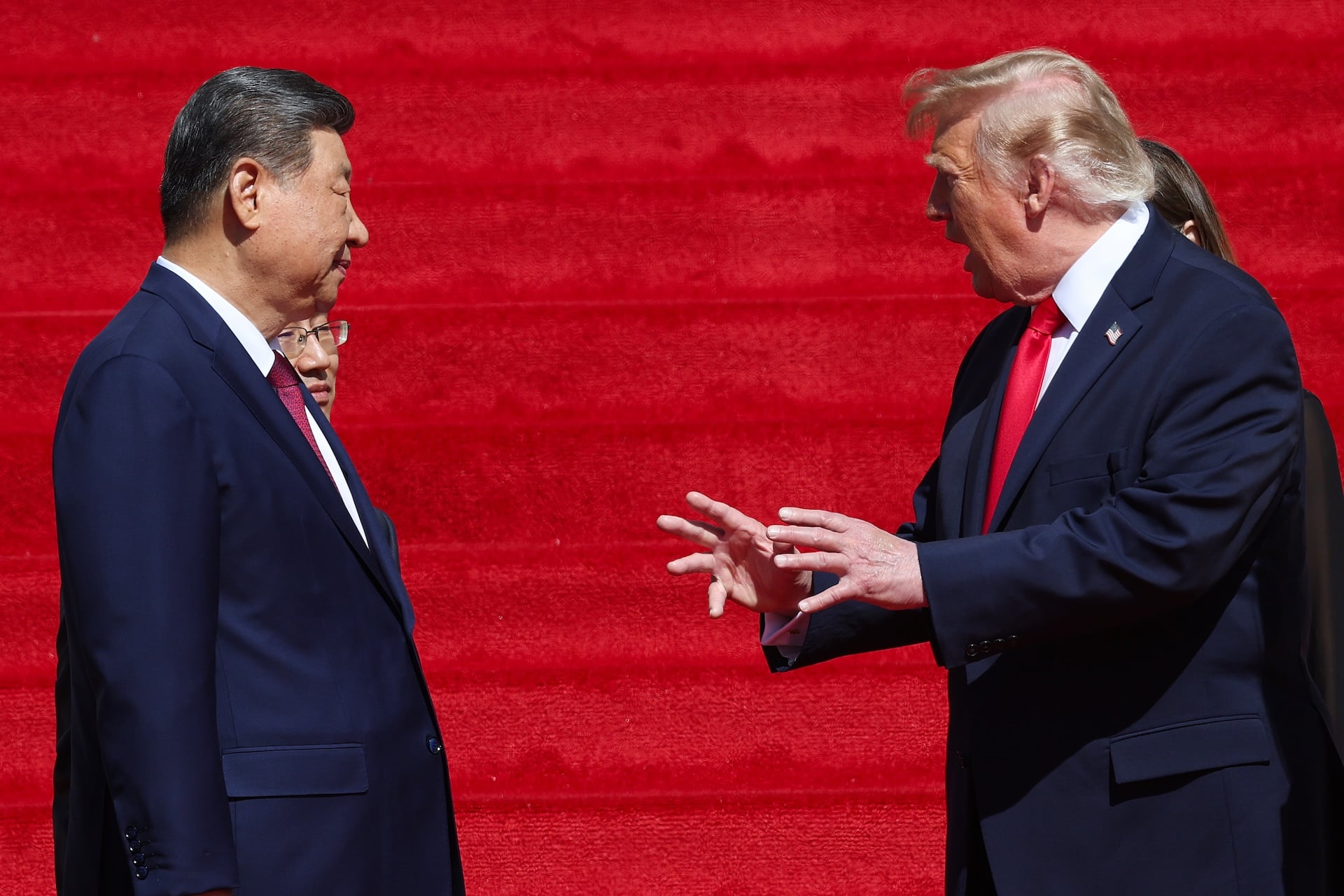
The first of three headings on the fact sheet about the President’s diplomatic accomplishments during Chinese President Xi Jinping’s state visit earlier this week reads “DELIVERING FOR AMERICANS,” and says Trump “advanced the U.S.-China relationship and put the American people first.” That section includes verbiage about the war on drugs, oil supply and “the arrival of two giant pandas,” not AI.
However, in a section on security, labeled “MAKING THE WORLD SAFER FOR AMERICANS,” Trump also delivered what matters to the citizens of the U.S.: namely, the document notes that “The two leaders agreed to use the term ‘super intelligence’ rather than ‘artificial intelligence’ to describe the applicable emerging technologies.” Finally. For three long days after the Trump Administration’s official rebrand of the technology, Xi had, one assumes, been using the obsolete term AI—whenever he didn’t use the term “人工智能” in the language he actually uses, that is.
“Super Intelligence” has been one of Trump’s preoccupations over the past week, starting with a poll last weekend, then more polls, after which he landed on “Super Intelligence” or “SI” which wasn’t part of the initial poll.
Administration officials are somehow managing to take this name change seriously, as we saw when Counterterrorism Director Sebastian Gorka insisted to Newsmax’s Ed Henry that the new official term be used on TV:
ED HENRY: This AI race–SEBASTIAN GORKA: No no no no no no no. Sorry. It's SI. As of this week, it's Super Intelligence.ED HENRY: Thank you for the clarification from the White House
Representatives from the U.S. and China will also, according to the White House fact sheet, meet in November to discuss “risks and benefits related to SI.”
There will also now be a communications channel for the U.S. and China to discuss safety-related “SI incidents” according to the fact sheet. According to the Associated Press, the meeting “produced no major breakthroughs,” but the analysts the AP spoke to claimed that expanding communication could at least “help prevent disputes from escalating.”