President Donald Trump was asked about a potential ban on diesel exports Tuesday, something that a number of prominent Republicans have called for in recent days. Trump insisted he’s called for a diesel export ban before (which isn’t true) and that he supports one now, but Treasury Secretary Scott Bessent chimed in to say they were studying the issue.
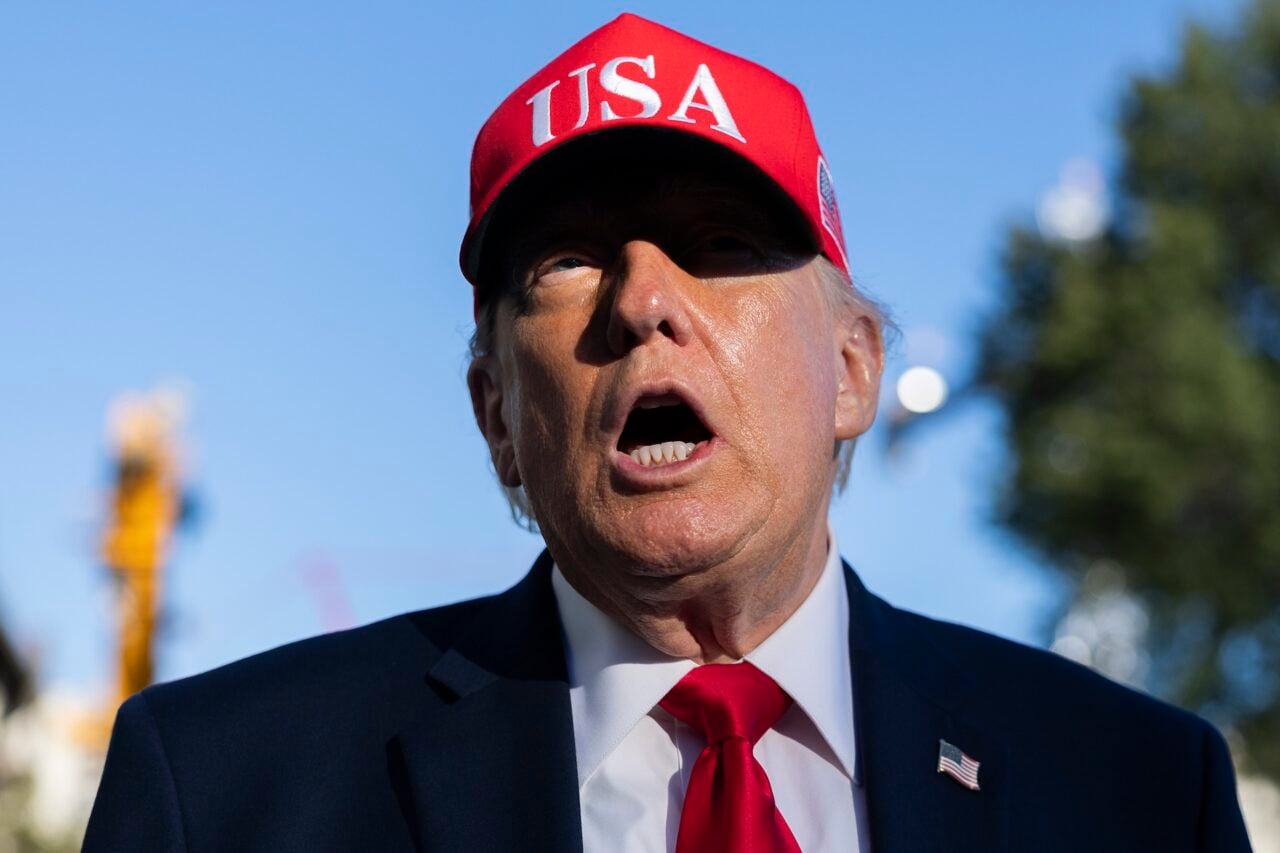
“Well, I’ve called for that too. I’ve said let’s not send out the diesel. We make a lot of diesel. That could have a little bit of an effect on regular automobile gasoline, but when you do that, you know, it’s a sort of a flow, it’s a balance,” said Trump
“But no, I’ve called for it, I’ve called for it within my people, I’ve been talking about it,” Trump continued, perhaps realizing that this is the first time he’s said it publicly.
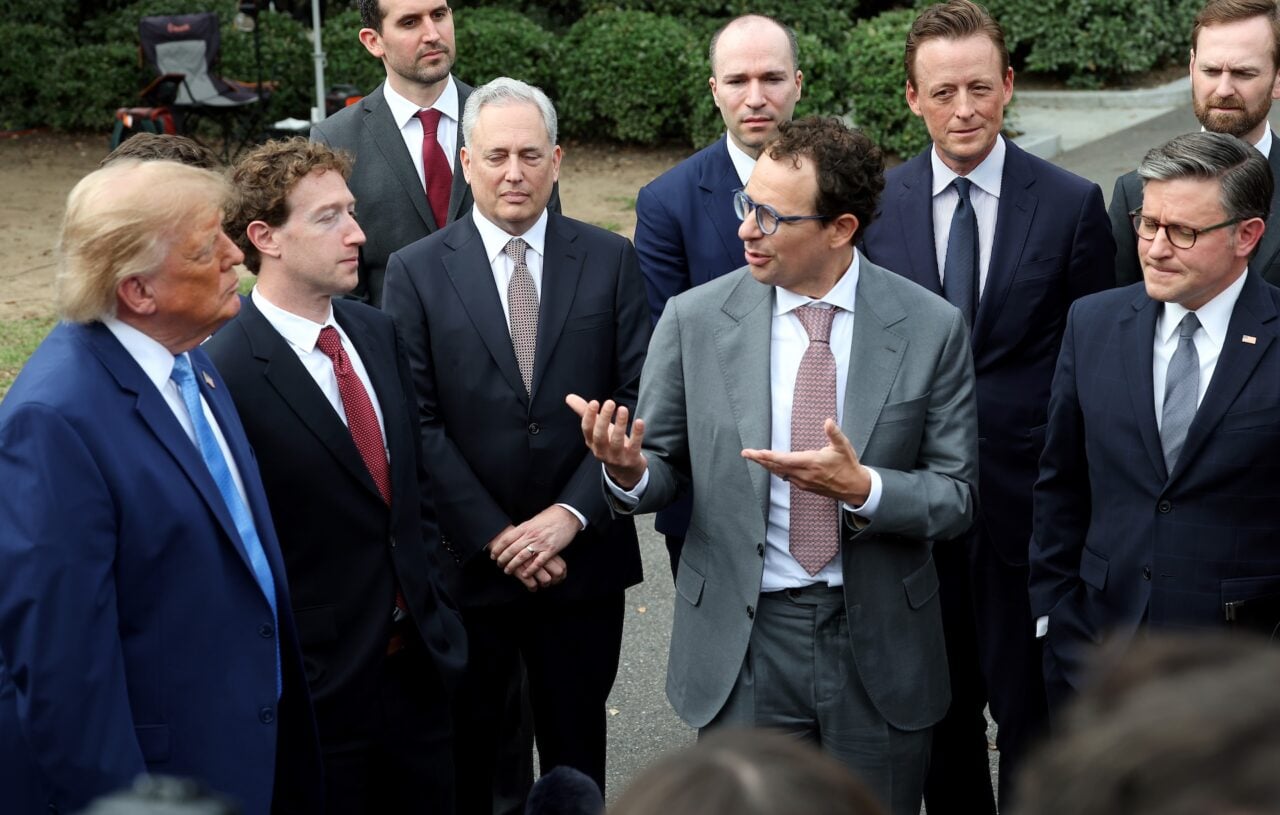
Trump made his remarks while taking questions during a meeting with Ukraine’s president Volodymyr Zelenskyy at the UN meeting in New York, where he was flanked by Bessent and other officials. Bessent said they were looking at a potential export ban while figuring out “whether it’s feasible in the overall refining capacity and whether a full or partial ban would work.” Trump said they’d decide on the export ban “fast, one way or the other.”
Trump endorses a ban on diesel exports: “I’ve called for that too. I’ve said, let’s not send out the diesel.” (Trump has in fact called for other nations to buy energy from the US!)
— Aaron Rupar (@atrupar.com) September 22, 2026 at 10:56 AM
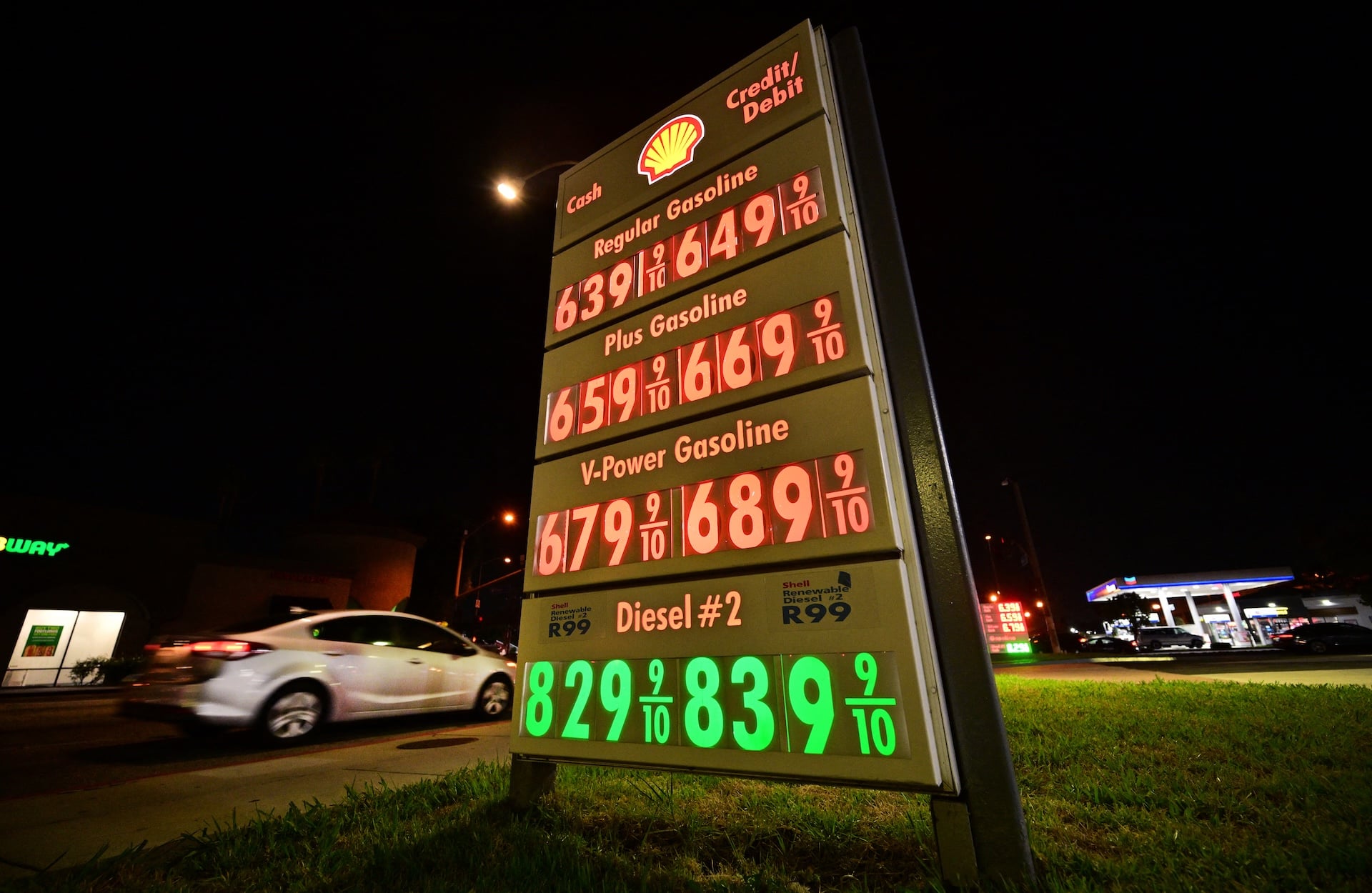
Diesel prices keep breaking new record highs in the U.S., currently sitting at $6.52, according to AAA. The price a year ago, before Trump started a fundamentally unwinnable war against Iran, was $3.68. Gas prices have also soared and Trump is clearly even more concerned with that, as he noted that a diesel export ban “could have a little bit of an effect on regular automobile gasoline.” The average price for a gallon of gas in the U.S. is $4.47. The price before Trump started his war on Feb. 28 was just $2.98.
Several Republicans have floated the idea of banning diesel exports as a way to lower the price for Americans, including Iowa’s 93-year-old senator Chuck Grassley, famous for his weird shorthand on X. Many of Grassley’s constituents in Iowa are farmers who would benefit from lower diesel prices.
“W diesel $6.57 in lowa why doesn’t Pres Trump put an embargo on diesel exports like presidents in the 70s put embargoes on ag products bc food prices were inflated. High diesel prices ARE KILLING FARMERS INCOME,” wrote Grassley while including the hashtags #cornwatch and #soybeanwatch.
Other Republicans who’ve supported a ban include Rep. Ashley Hinson, who’s running for the U.S. Senate in Iowa, Rep. Mike Rogers, who’s running for the U.S. Senate in Michigan, and Sen. Dan Sullivan, who’s running to keep his seat in Alaska. All three have close races against Democrats who are able to point at rising prices as a main reason not to elect Republicans this November.
Angry Trump supporters have taken to TikTok to express their frustration with the soaring cost of fuel. They’re particularly angry about the fact that Iranians pay very little for gas, a product of strict export controls in that country.
The oil industry is obviously not a fan of any potential export ban. Mike Sommers, the president of the American Petroleum Institute, wrote on X that there was an “unprecedented disruption to global refining capacity,” without naming the Iran War specifically.
“We understand the administration is looking at every option to deliver relief, but restricting U.S. energy exports would only compound the problem — exacerbating refining challenges and ultimately hurting consumers. The answer is more supply and more flexibility — not new restrictions that risk making a difficult situation worse,” wrote Sommers.
The American Petroleum Institute says that the U.S. supplies about 20% of the 8 million barrels of diesel traded globally by sea each day. Removing the single largest source of diesel on the world market would be “catastrophic” for the global supply, according to the trade group and just raise prices for everyone.
Banning the export of diesel in the U.S. would more than likely lower the price for Americans temporarily, but it could have consequences that should give the Trump regime pause. As the Wall Street Journal notes, the oil industry would likely lose the trust of international fuel buyers and domestic refiners would probably decrease their refining of both diesel and gasoline since they would have fewer customers. Cutting the amount of refining would keep the prices elevated.
Experts seem to agree that any export ban for diesel could potentially work for a couple of months but if the ban was temporary long term prices would just shoot back up. When you view it through that lens, it’s perfect for Trump. The most obvious reason for Trump to take an interest in lowering fuel prices is that the election is just 42 days away. Back in May, when there was still hope in some corners that the Iran War would end quickly, Trump told reporters: “I don’t think about Americans’ financial situation, I don’t think about anything. I think about one thing: You cannot let Iran have a nuclear weapon.”
Trump has repeatedly said in recent weeks that he believes the Iran War will come to an end after the midterm elections. But that seems very unlikely, given the reality on the ground. If the U.S. leaves, Iran controls the Strait of Hormuz and can charge tolls for any tankers transiting through. If the U.S. stays, it’s paying about $3 billion each month to help police the area and allow passage of some allied tankers. The war has cost the U.S. $43.6 billion so far, according to the New York Times, to say nothing of the human cost.
At least 22 or 23 U.S. service members have been killed since the start of the Iran War, according to the Washington Post, though the Pentagon’s official tally lists just 19 people. At least 3,375 people have been killed in Iran since the start of the war, according to the World Health Organization’s latest estimates, with over 33,800 injured.