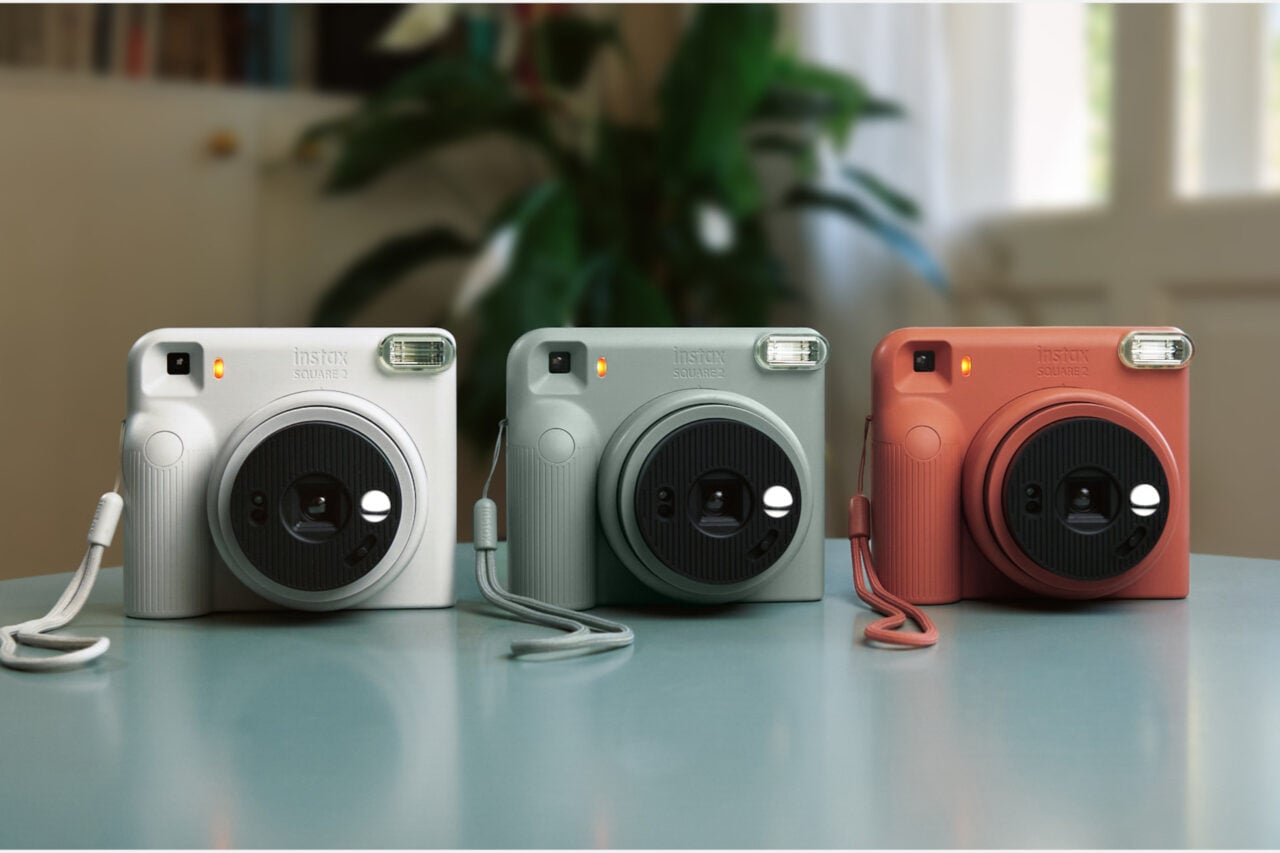
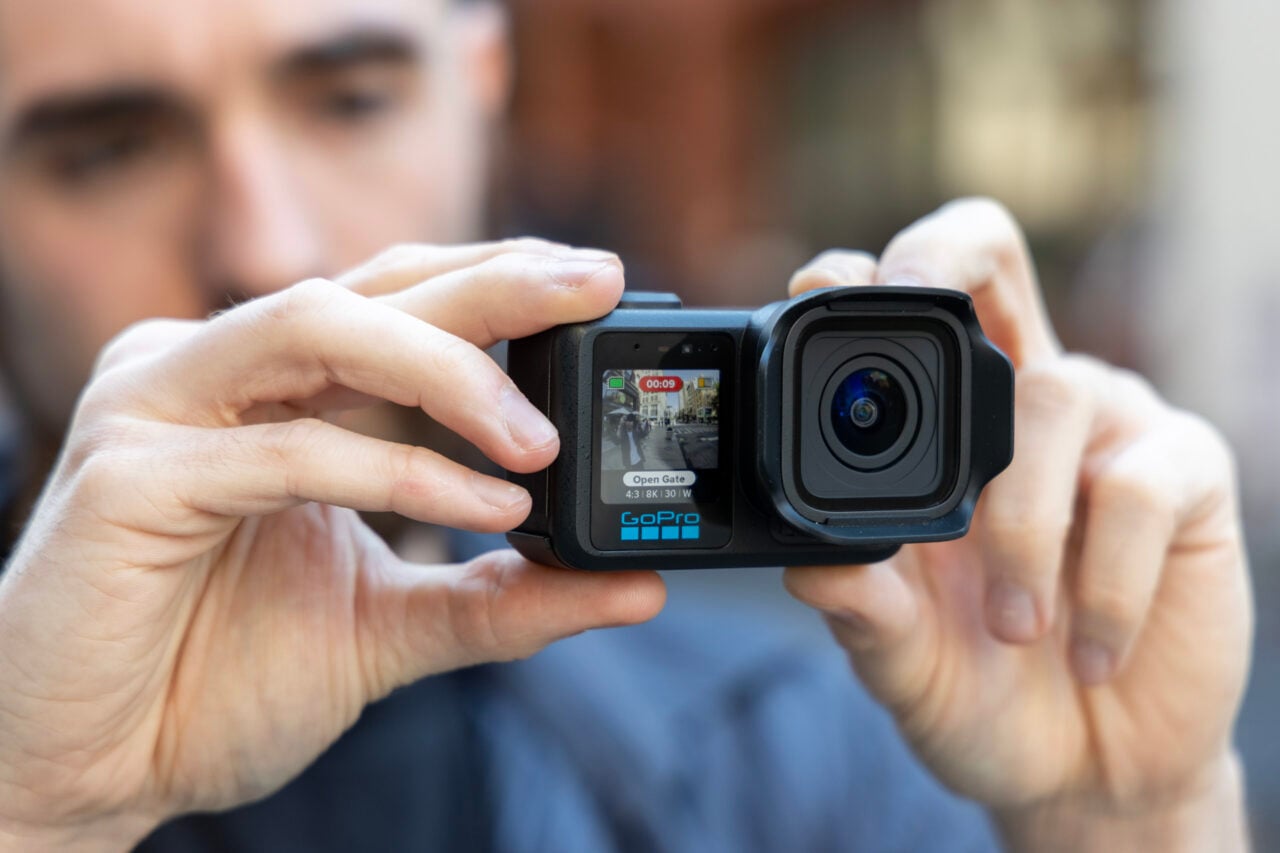
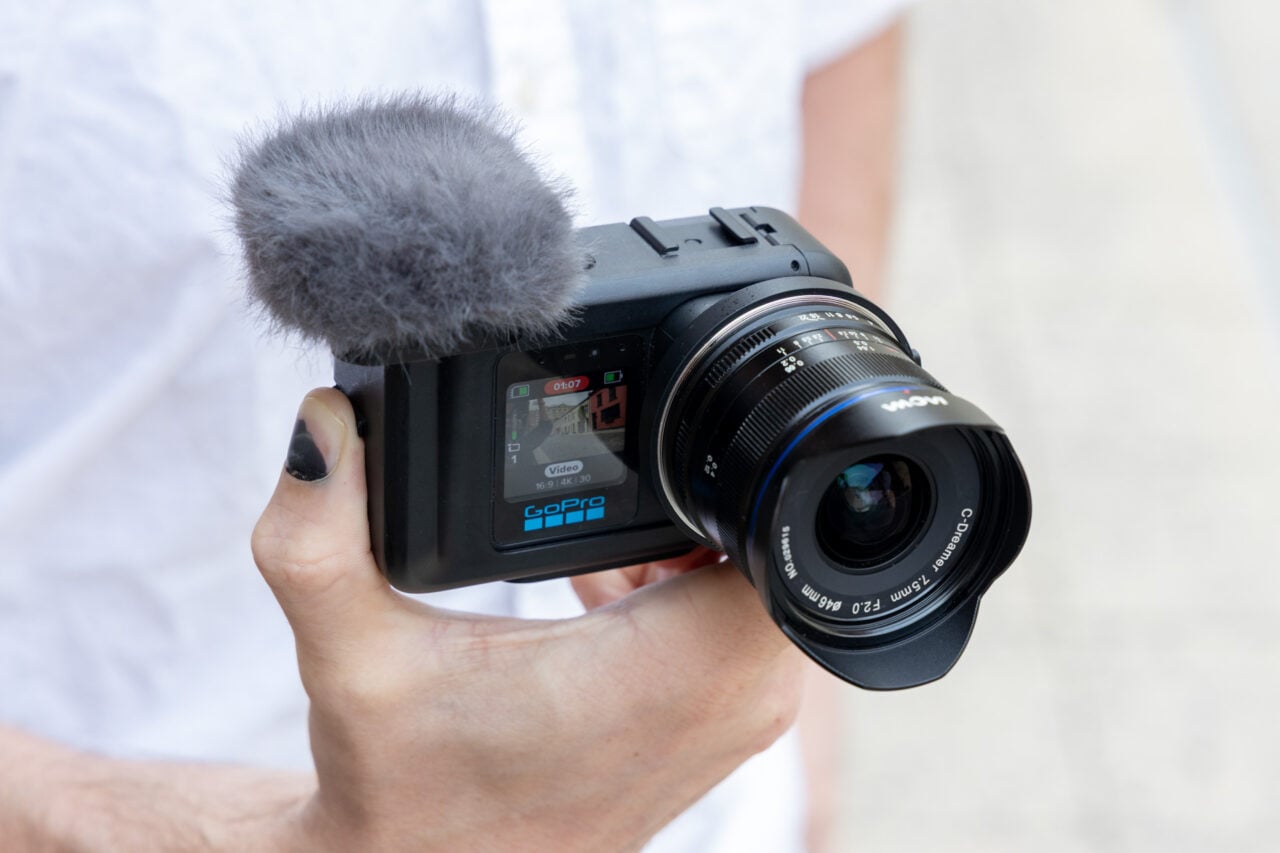
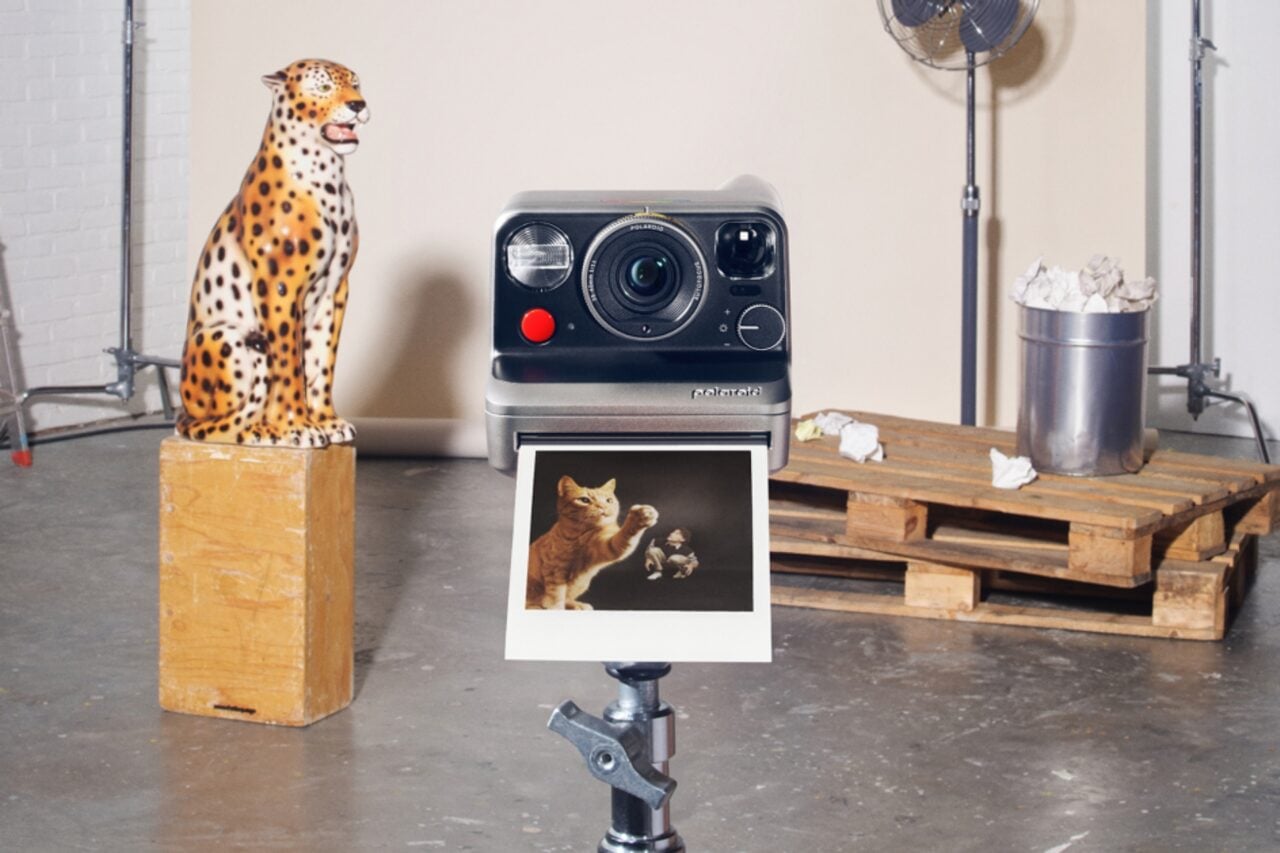
It’s Christmas, and we’re betting that at least some of you received new digital cameras (be they point-and-shoots or DSLRs). And if you’re a photography n00b, we’ve got a few tips to help.
Turn On Burst Mode
It’s harder to capture candid shots on point-and-shoots (let’s call em PASs) than DSLRs, but in either format you should turn on “burst mode” or “continuous shooting.” This allows you to keep the camera taking shots as fast as it can by holding down the shutter button. Even the greatest photographers don’t predict magical moments down to the millisecond—they let their camera do it for them. And with today’s cheap and gigantic SD cards, you can afford to waste plenty of shots to get the best.
Control the Color Temperature Yourself
Auto White Balance (AWB) does a good job on most cameras. But you know who can do a better job? You. Backing up for a moment, since every color has its own relative “temperature” that’s measured in degrees Kelvin, even the orangey glow of an incandescent bulb or the relatively bluish hue of the sun’s light can screw with your photos. Your brain factors it out when you’re looking around, but it’s important to notice whether the light falling on your scene is more yellow or blue, and to compensate.
Your camera uses auto white balance to get around this cacophony of color, but it’s not always right. On some cameras, you can actually use “manual white balance” (MWB), shooting a white patch, such as a piece of paper, in order to say “THIS IS WHITE.” That’s the most accurate way, though the simpler way found on most cameras is to manually select the best white balance by choosing the tiny icon that identifies your light source: a sun for direct sunlight, a cloud for cloudy, a round bulb for incandescent, a rectangular bulb for fluorescent, etc.
Keep ISO to 400 on PASs, 800-1600 on Low-End dSLRs
ISO, a carryover term from the days of film, essentially signals the sensitivity of the imaging sensor to light. A higher number means grainier (noisier) but better defined shots in low light; a lower number means smoother shots in decent light. Most cameras will crank this number in medium to low light situations so that it can capture a shot without blurring, but you will get a grainy image. This may just be a rule of thumb based on the cameras I’ve used, but for optimally crisp shots, don’t let the ISO exceed 400 on your PAS or 1600 on your DSLR. (In some older DSLR models, you probably shouldn’t exceed 800.)
Use Diffuse Flash, Or Just Turn it Off
Any way you cut it, flash is a problem. When used instead of ambient light, it pulls the color and texture from skin, turns eyes red (a phenomenon caused when the flash is too close to your lens, which it is in most cameras) and often erases the background ambiance from your shot. A few things you can do will help tame flash:
1. Check your manual for minimum and maximum flash distances—probably around 6 to 12 feet away—and stay in those constraints.
2. Diffuse the flash. A classic trick for DSLR owners is to put a cigarette carton on large flash attachments, but in the absence of a large flash—and a cigarette carton—try taping some kind of translucent paper over your flash.
3. Turn it off. Even a grainier high-ISO shot is better than a washed-out flash explosion. If you use a tripod, you can get nice low light shots without resorting to flash or upping the ISO. Most cameras now have a flashless “night mode” to automate this process.
Carry a Pocket Tripod
Ultimately, if you want to take good shots in dark environments, you need to allow light to hit your camera’s imaging sensor for a longer period of time. And the only way to keep your shots sharp in this scenarios is to stabilize your camera. Though even cheap cameras boast image stabilizers of all kinds, a $7 pocket tripod trumps all that marketing speak, allowing you to use a solid surface to set up the camera and then angle it to your liking. If you don’t have a tripod, try resting your camera on the side of a table, or up on a (preferably empty) water glass.
Protect Your Images From Lens Flare
In any situation where sunlight or some other bright light source is hitting your lens indirectly (not associated with your subject), you may lose part of your image to stray light. Sometimes this looks cool, of course, but not always. The best and most common solution is a lens hood. The second best solution (and the one that works for PASs) is your hand, a piece of paper, anything, between that light source and your lens.
Exhale, Then Shoot
ISOs and tripods aside, maybe the best tip I’ve ever gotten to taking great shots was to exhale, then take the picture. Right after you exhale, the tension is released from your body, and you’ll find yourself, for a brief moment, at your stillest and most relaxed. In low light especially, it could be the difference between getting a clear shot and getting a blurry one.
Use Sepia Filter Whenever Humanly Possible
Sepia is well known for making your lousy photography “deep.” Helllllooo precious moments! (OK, I sort of despise sepia because it’s been so overused, but that’s just me. It can be beautiful, of course.)
For DSLR Owners…Shoot in RAW, Shoot in RAW, Shoot in RAW
There are many advantages to the average DSLR camera, but the best, by far, unequivocally, is RAW shooting. If you save your pictures as JPEGs, they can be beautiful, but they’ve been compressed and packaged into a product. If you save in RAW, you have a picture, but you also have the cold clay that shaped it.
RAW is the data pulled right off the imaging sensor of your camera, before it gets run through a bunch of optimizer and compression algorithms. This data allows for a complete do-over on many aspects of the picture, like color temperature. In other cases, it allows a lot of room for fudging, as with exposure. You’ll need software that can handle RAW images—most cameras come with something proprietary, but Photoshop can also manage RAW from the major camera brands. Just don’t be scared by it. It’s why you’re holding that shiny new DSLR you have no idea how to use.
And Your Own…
I realize this list will seem too obvious to some, but the goal is to help those who didn’t know much to start with. Since we have more than our share of incredible photographers among our readership, I’d encourage any of you with pro tips to please offer them up in comments.