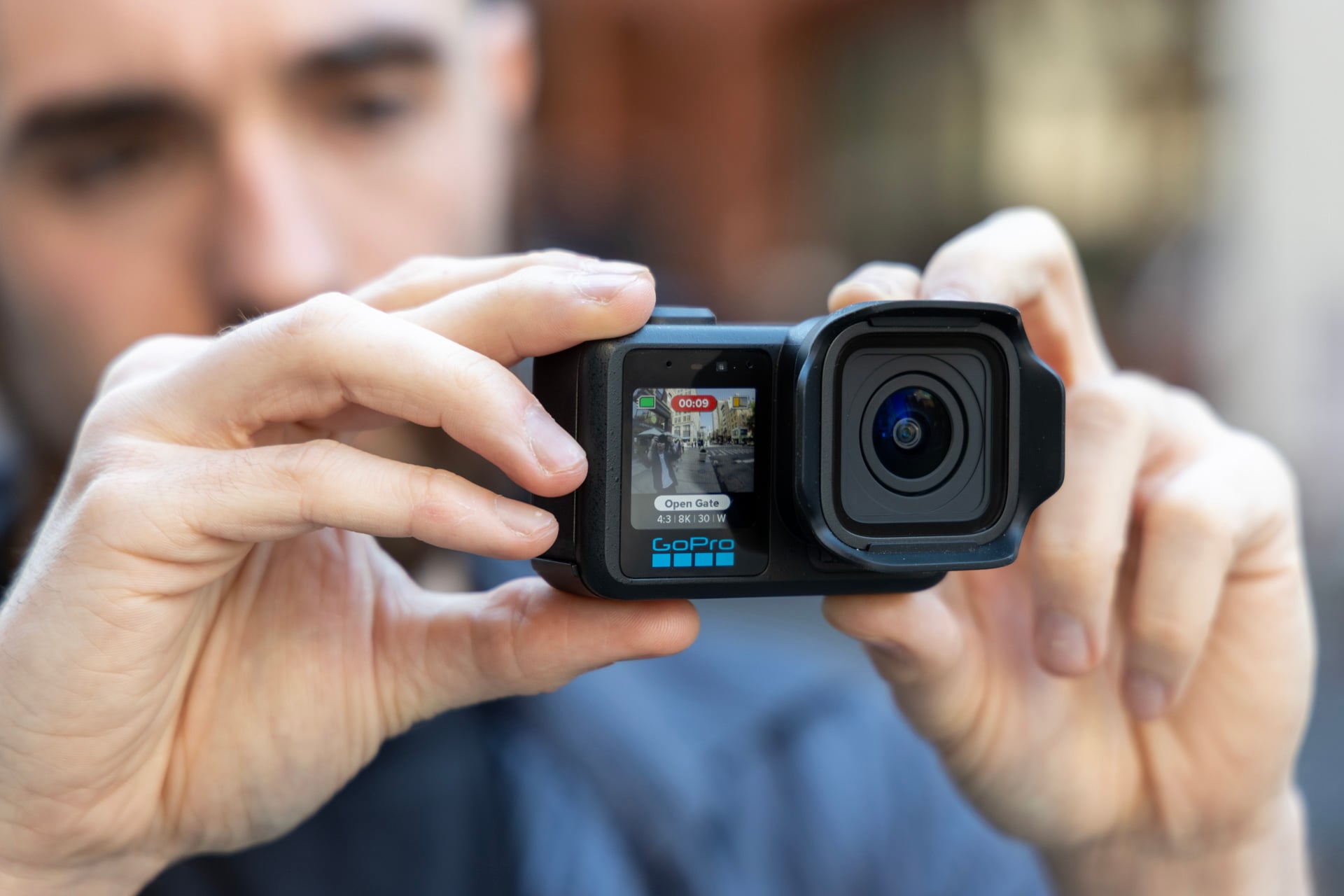
At launch, GoPro’s newfound fascination with “pro” cameras didn’t stretch to its durable action cams’ photo capabilities. Finally, thanks to a new update, GoPro has made its Mission 1 lineup much better at taking photos alongside their great low-light and slow-motion footage. What we have to ask ourselves is if GoPros can really be the “everything” cameras the company seems to imply they can be.
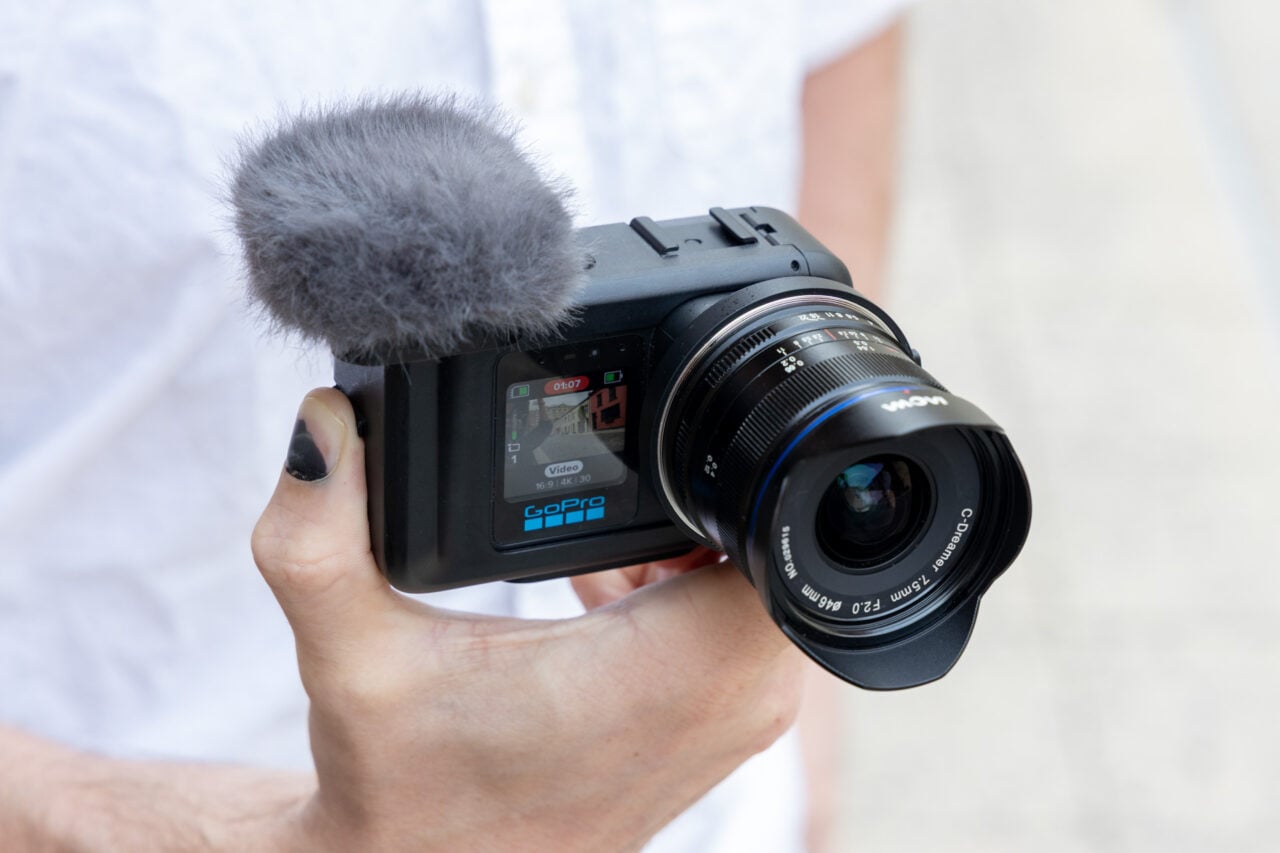
I had several good things to say about GoPro’s $700 Mission 1 Pro action camera. I had fewer positive spins on its similarly priced Mission 1 Pro ILS with its swappable micro four-thirds lenses. While the regular Mission 1 Pro is a great—though expensive—rugged shooter, the ILS trades in many of its durable capabilities and still doesn’t support any lenses with an electronic camera connection. That means you can’t use any lens with dedicated auto focus. It also means you have to manually input your focal length into the camera each time you pop in a new lens.
Both cameras suffered from low speeds when processing photos. A single 50-megapixel RAW image could take nearly four seconds to process between shots. This slow speed made each camera’s photo-taking ability pointless. In its latest firmware update, GoPro makes it far easier to capture multiple photos in rapid succession. Now, when you press the shutter button, the camera takes an instant photo and then loads it up in line. You can take as many photos as you want after that, and only when you stop for a few seconds will the camera process all those shots.
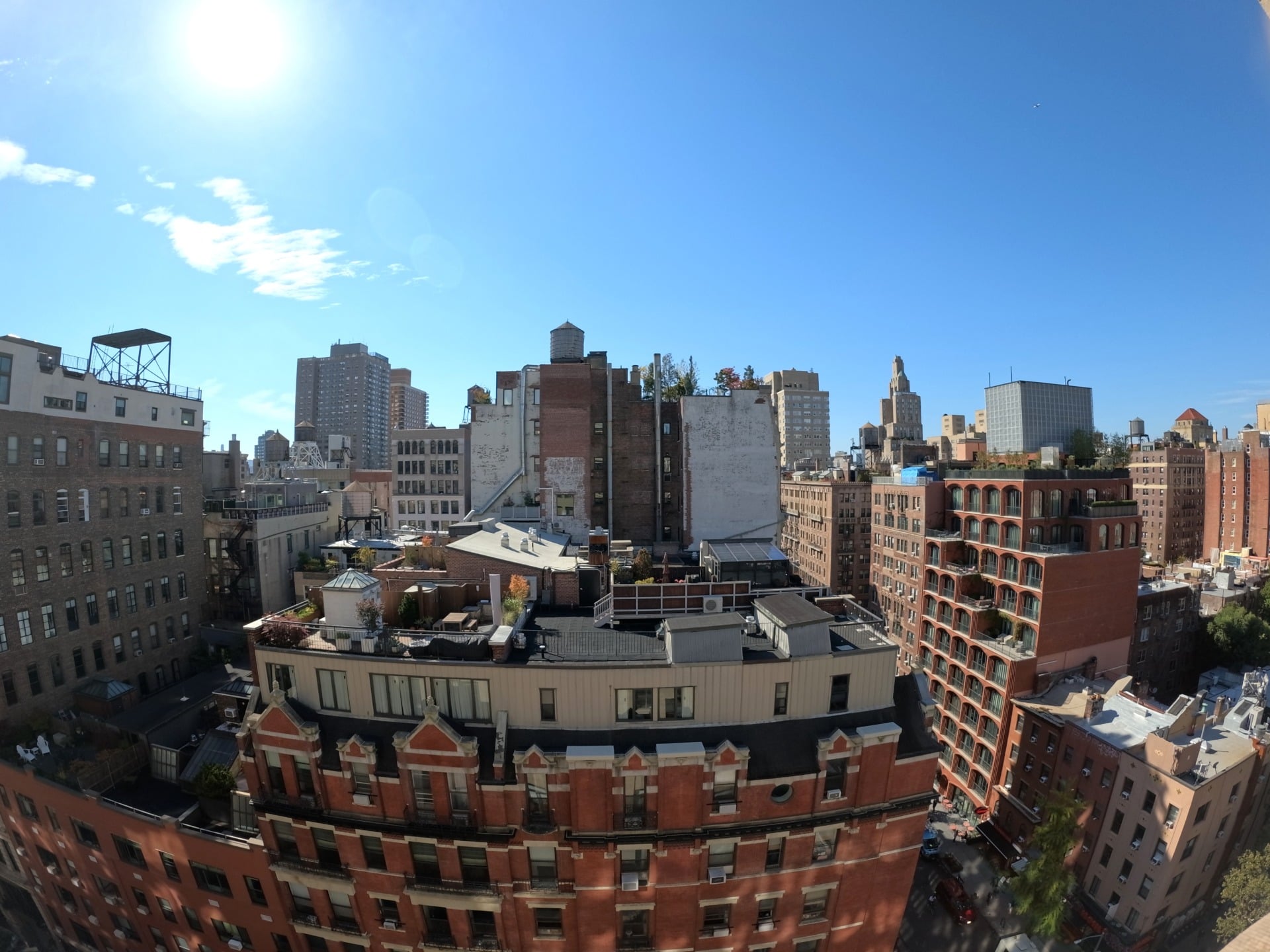
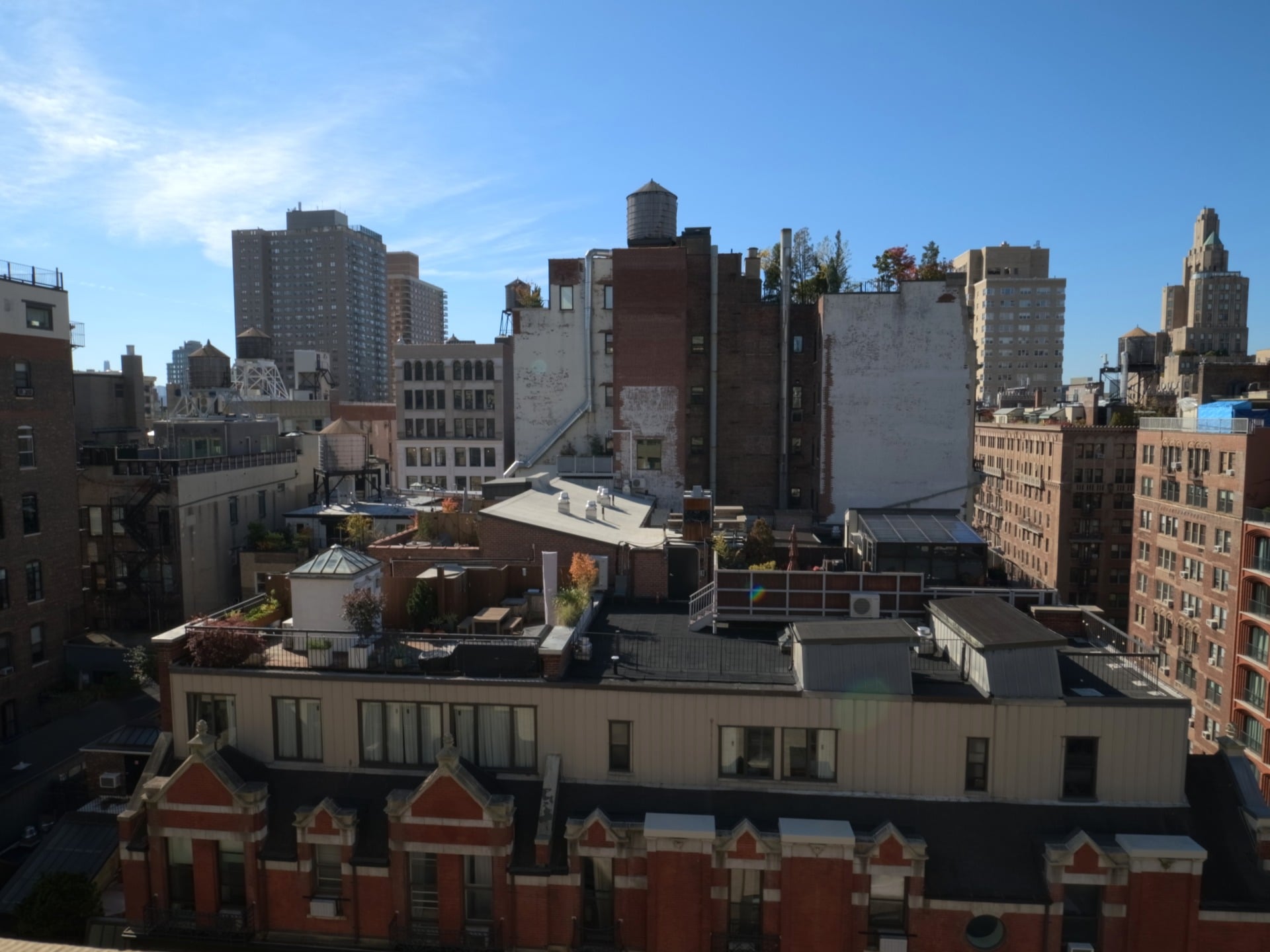
Left: GoPro Mission 1 Pro shooting 50 megapixels in RAW; right: a GoPro Mission 1 ILS shooting 50-megapixel RAW images using a 14mm lens.
In addition, now when you hold the shutter button, you can take a stream of photos in one go, with up to 50 photos at 12-megapixel size and 20 shots at 50-megapixel in RAW format. I’ve tried both capabilities, and there’s both a benefit and downside to this style of photography. It means you can take multiple photos in rapid succession without changing photo settings. The side effect of this is you can’t immediately look at each photo to fix problems between shots. You still have to slide up from the bottom of the Mission 1 Pro’s 2-inch OLED screen to tell if you actually got the shot you wanted.
So what does the change for photo capabilities mean for each camera? The base Mission 1 Pro still uses a wide-angle lens as the default. That means the camera is restricted to this fish-eye effect when taking pictures in a RAW format. You can instead snap JPGs in a linear mode, and that means it may be a useful alternative to your phone’s camera. Any dedicated photographer would rather want to capture RAW, and it’s why the ILS may be a better bet.
As for the ILS, nothing about these updates actually improves what kinds of scenarios the camera is best for taking footage. Instead, the ability to take multiple shots in rapid succession does mean it can act as a backup, small-body camera. I’m not nearly as annoyed by manual-only focus when taking stills versus shooting video.
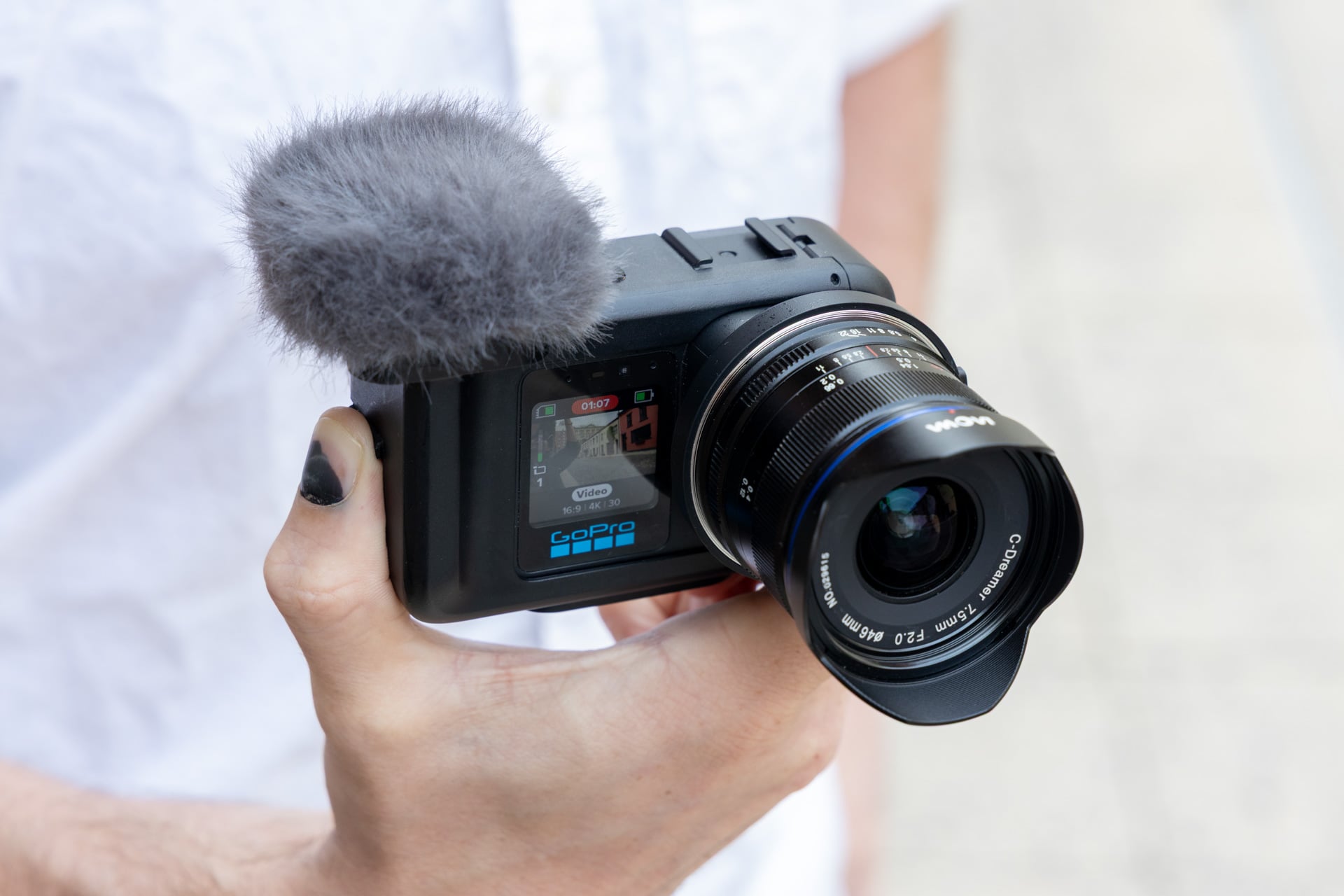
It’s still not quite the pocketable camera experience I want, especially not when I have my trusty Ricoh GRIIIx sitting in my bag. Having the option for multiple focal lengths can be an aid when snapping shots in the field, but the need to go into the drop-down settings menu just to change focal lengths, even if you’re not using a prime lens, is just too damn annoying. The limitations of GoPros versus any other camera mean the experience isn’t quite as premium as you would like, not when the camera still does not have any accessories that enable physical controls for ISO, shutter speed, or aperture.
GoPro’s most expensive cameras are now the most capable these rugged shooters have ever been. We can hope these ideas may transfer into less-expensive cameras in the future. The company recently went through a lot of hubbub after its stock price was pumped by YouTuber Markiplier only for Starman Optical to acquire the company for another $285 million. I would love to see GoPro keep its slow-motion and new photo software and apply it elsewhere, hopefully to something more people can afford.