
I’ve found in my robot-vacuum testing that just about every one of them has tradeoffs. One may have a killer mop, but it doesn’t reach the edges of your floor. One may have excellent object recognition, but not actually have the power to do much about it. Another may have a gimmicky robotic arm but sacrifice performance everywhere else. So while there’s still a ton of room for improvement in this whole category, I was relieved to finally find a robo-vac that does everything really well. Perfectly? Not even close. But the $1,600 Roborock Saros 20 is easily the best all-arounder I’ve ever tested.
Roborock Saros 20
While it still has some odd quirks, it’s currently the best robovac money can buy, with impressive cleaning ability and autonomy.
Pros
- Best-in-class suction power and excellent mopping pressure
- Cleans edge to edge very well
- Better obstacle avoidance
- 212°F mop washing
Cons
- Still gets stuck occasionally
- Sometimes eats cords when on patterned rugs
- Voice command could be better
What’s new? What’s better?
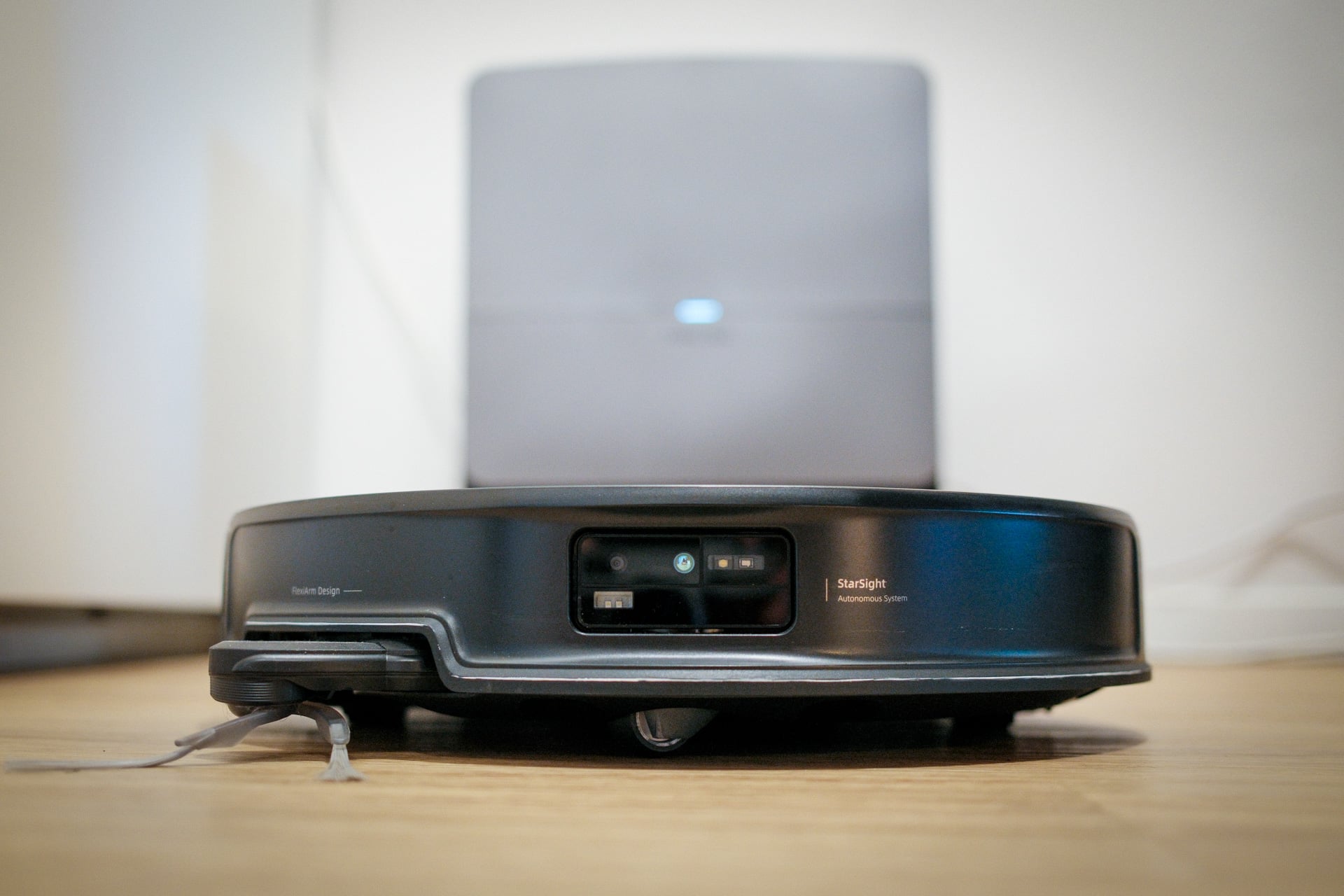
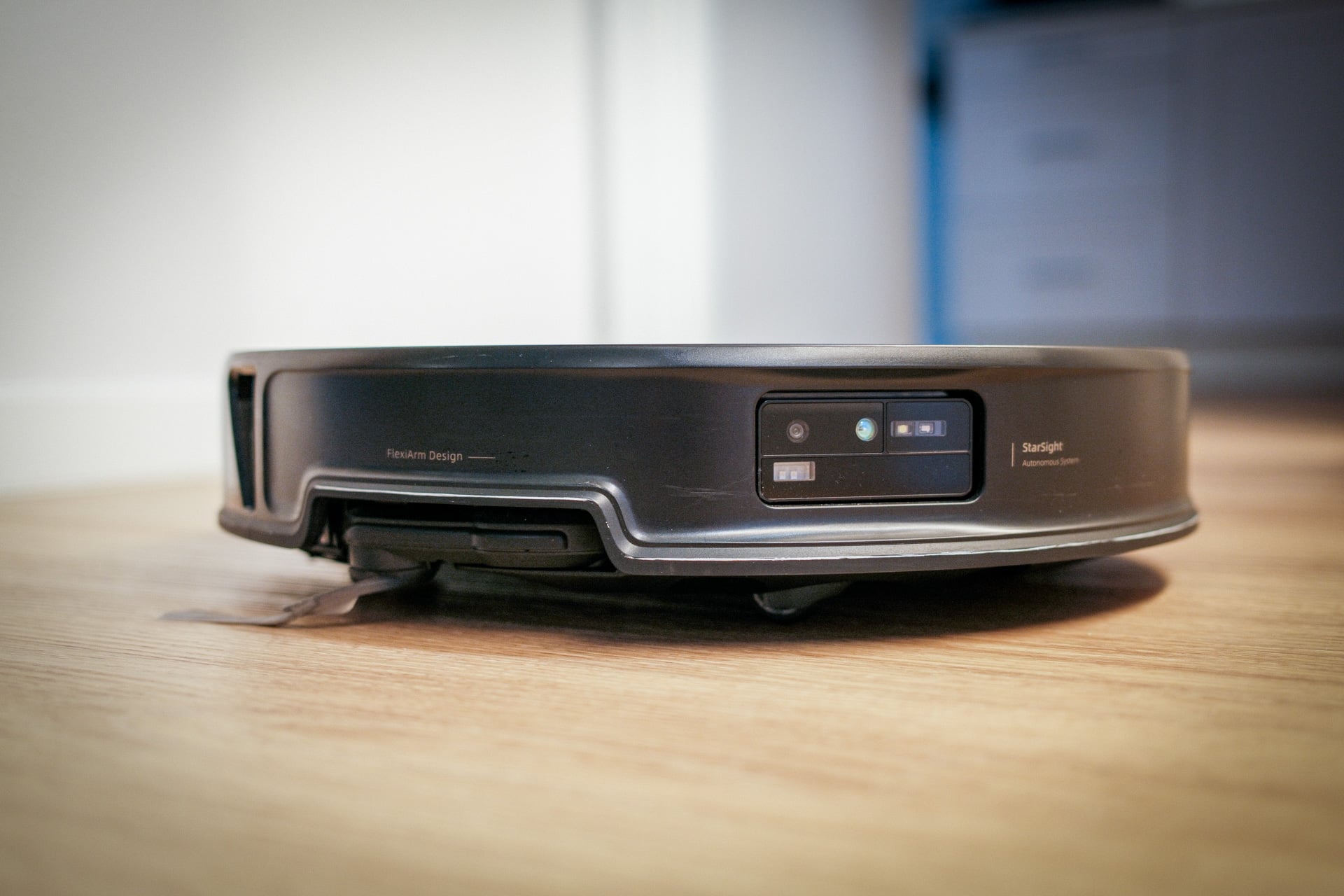
The Saros line is positioned as Roborock’s flagship series, with the Saros 20 sitting at the top. It features a whopping 36,000Pa of suction (just two years ago, 10,000Pa was considered premium); the new Adaptlift Chassis 3.0, which is capable of vaulting over a double-layer threshold up to 3.46 inches high (maximum 1.7 inches for one, which is plenty for most); as well as an updated StarSight 2.0 navigation system. That last bit allegedly allows the robot to recognize more than 300 types of objects, and it incorporates a new dual, solid-state LiDAR system on the front of the robot, as opposed to the old models, which used an LDS (Laser Distance Sensor) that spun on a small turret on top of the bot. This new system gives the robot a much sleeker profile, allowing it to clean under furniture with just 3.13 inches of clearance.
The dock has been rebuilt, too. It’s about as attractive as a robovac dock can get. It looks modern, with straight lines, but it has rounded corners that soften the look slightly, and it’s small enough that it doesn’t bring a lot of attention to itself. The real power is under the hood, though. It can now rapid-charge the vacuum back to 100 percent in just two and a half hours.
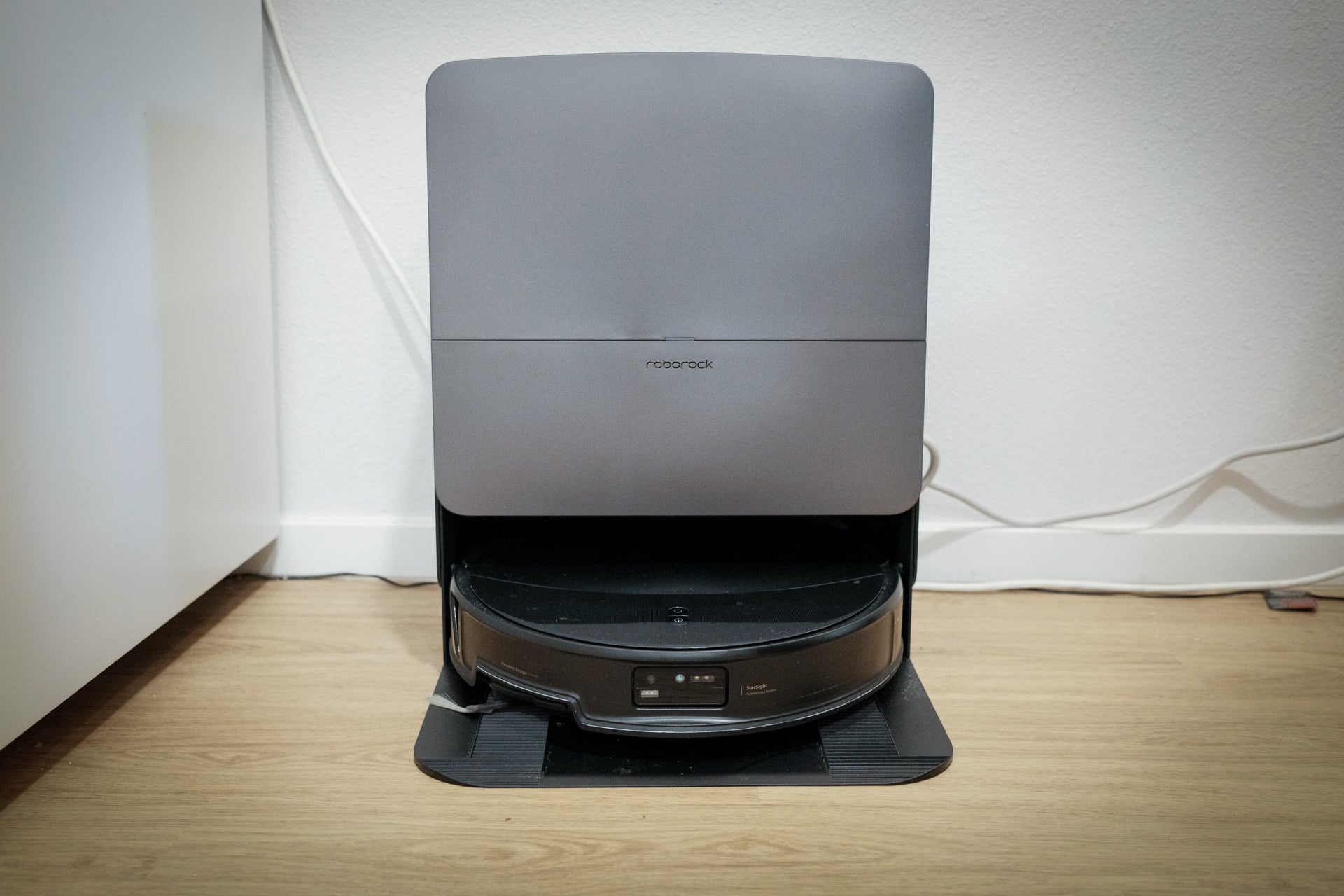
It has a 4-liter fresh water tank and a 3.5-liter dirty water tank, but most impressively, it heats the water to a full 212 degrees Fahrenheit (i.e., boiling), and it uses that to wet the pads before mopping as well as cleaning the pads after. That effectively re-sterilizes the pads every time it cleans, which means there’s no smell and you aren’t just spreading bacteria around your home. It then dries the pads with 131-degree Fahrenheit air, and it dries the dust bag, too, just in case some moisture gets in there. It also has a separate floor-cleaning detergent compartment, which I love, because that means you don’t have to refill the soap every time you refill the water. Depending on how often you set the robot to clean (and how dirty your floors are), you could theoretically go two months before you have to lift a finger.
Getting down and dirty
Setup with this thing is thankfully very straightforward. You just pull it out of the box, pull off the various protective stickers, fill the fresh water tank and the detergent tank (the latter being optional), then plug it in. You’ll have to set up an account and/or sign in on the Roborock app (iPhone and Android), then you scan the QR code under the robot’s hood, let it update its firmware, and slide it into the dock to fully charge.
From there, it’s time to scan your home, which happens with the press of a button on the app. The robot will exit the dock and start systematically wandering around your home, mapping the environment as it goes. It only took about 12 minutes for it to do my whole one-bedroom apartment, and it did a pretty good job of marking where furniture was. It even correctly identified my bed and couch, labeled the bedroom and living room respectively, and it marked where there’s carpet and where there’s bare floor. That said, the map still required a lot of editing. I had to manually draw lines to properly divide most other rooms and corridors, and I added furniture here and there, too, but after that you’re good to go.
For a first clean I always start out with a bot’s auto mode, which in this case is called “SmartPlan AI,” which does a full vacuum and mop. Immediately some of the upgrades became apparent. First, I love that the vacuum will leave the mop pads in the dock when it goes over carpeted areas to prevent dampening your rugs.
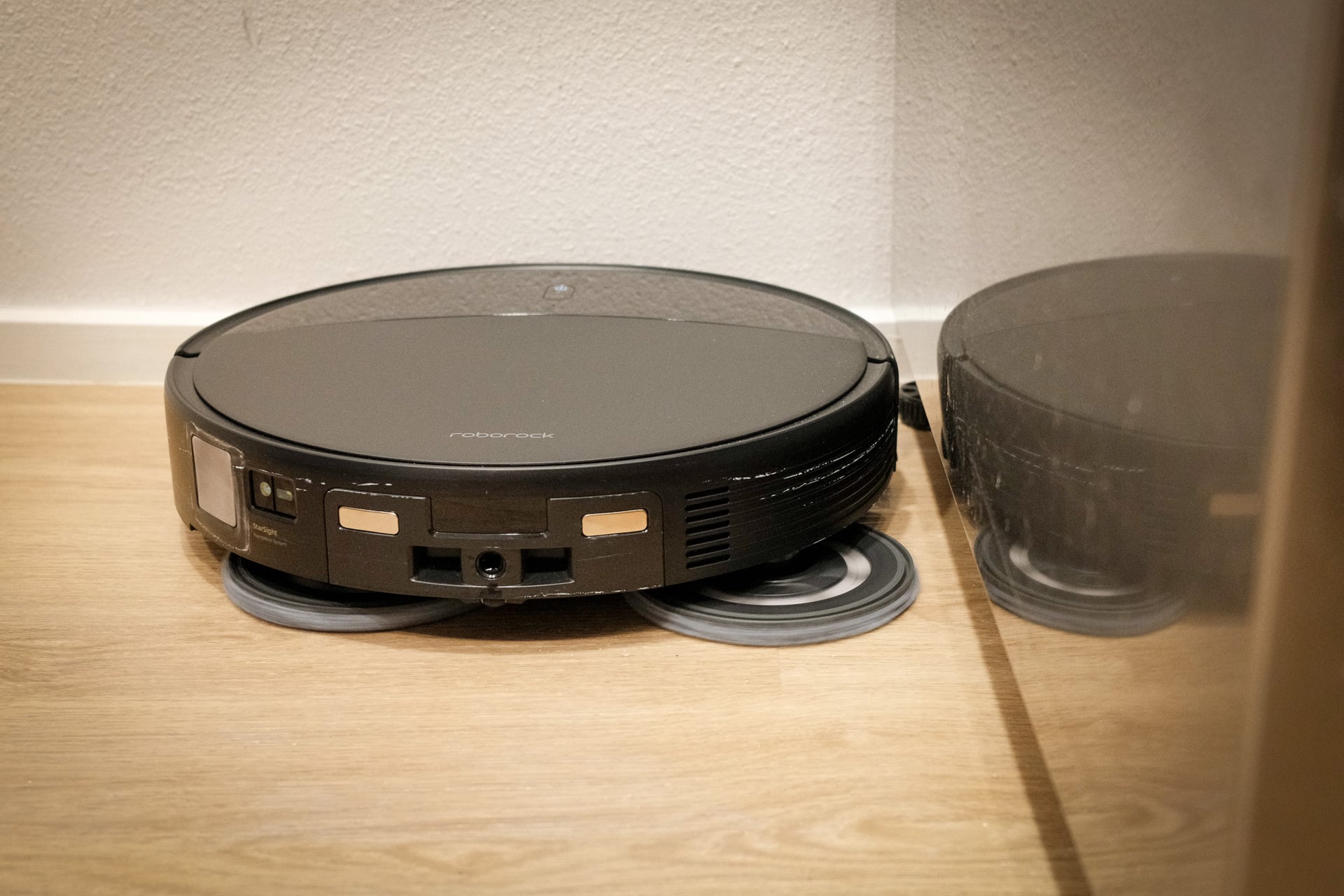
Second, the AI object recognition feature is genuinely impressive. It correctly identified a power strip, some cables against a wall, and even labeled my slippers (which I’d accidentally left under a table) as “footwear” and avoided these hazards. It also labeled my office chair as “easily trapped furniture,” which was a massive relief because I can’t tell you how many times I’ve come home to find a robo-vac stuck in the legs of that thing. I enabled a feature that has it snap a color photo of the objects it labels so I could check its work, and it was spot on.
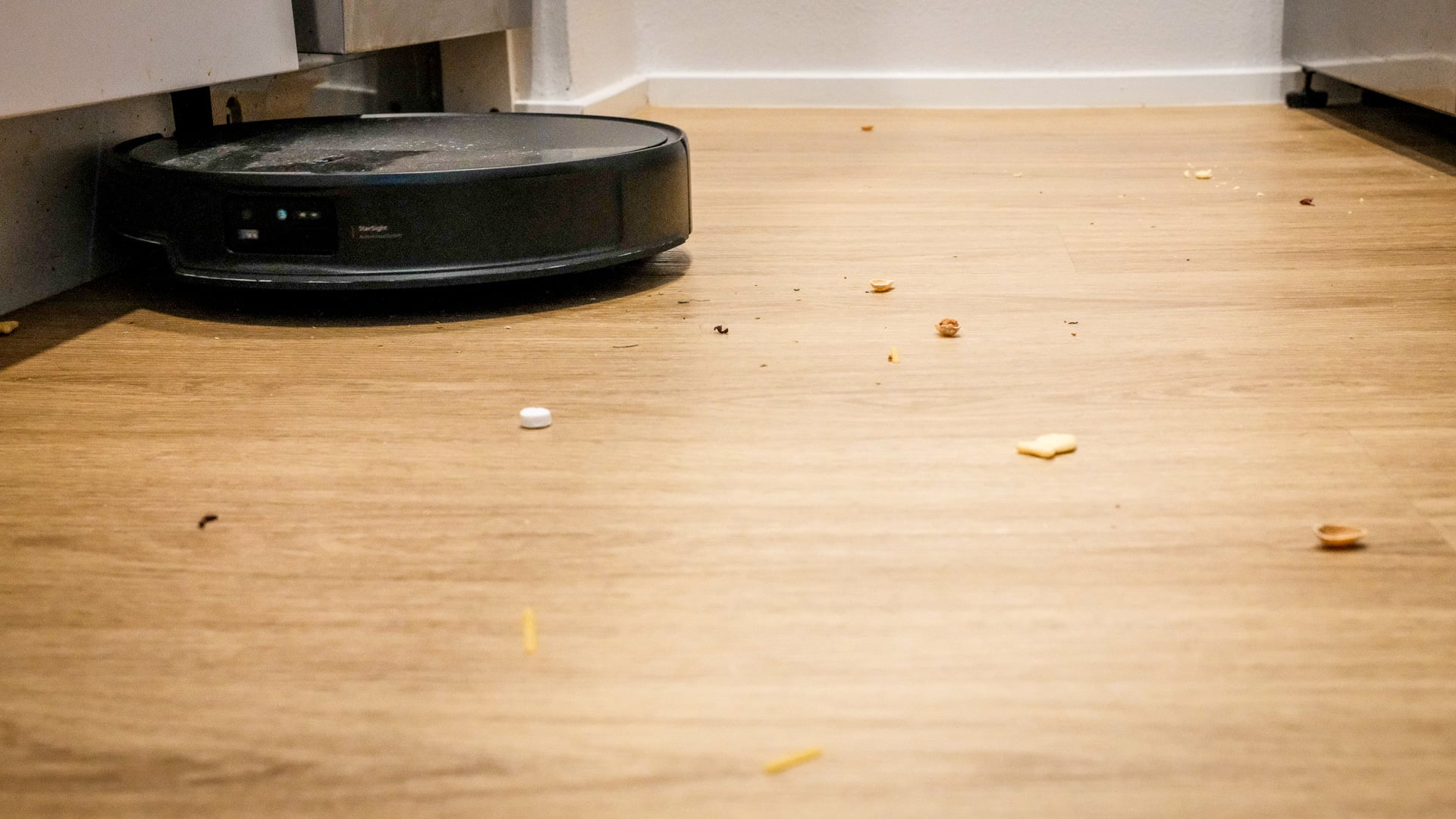
You can also assign it to just clean a specific room (or rooms) or a box-shaped zone that you select on the map. I used those for my patented Snack Gauntlet test, both on my fake hardwood kitchen floor and on my medium-pile living room rug. In the kitchen, to test the vacuum power, I laid out a bunch of Goldfish crackers, pistachio shells, some Altoids, a few bits of dried spaghetti, and a bunch of dried oregano; then I turned the vacuum up to Max+ (its highest setting) and let it go.
It outperformed every robo-vac I’ve tested, sucking up almost everything in its path. Almost. The sweeper arm (which extends out from the right side of the bot) got all the dried spices that were up against the walls and even in the corner of the room. Strangely, it left two pistachio shells and one Altoid that were right in the middle of the floor. I sent it back, and it got those last bits, so I think that must have been a mopping error. What impressed me most, though, is every other bot I’ve tested tends to choke a bit on those shells, but this one had no problem at all.
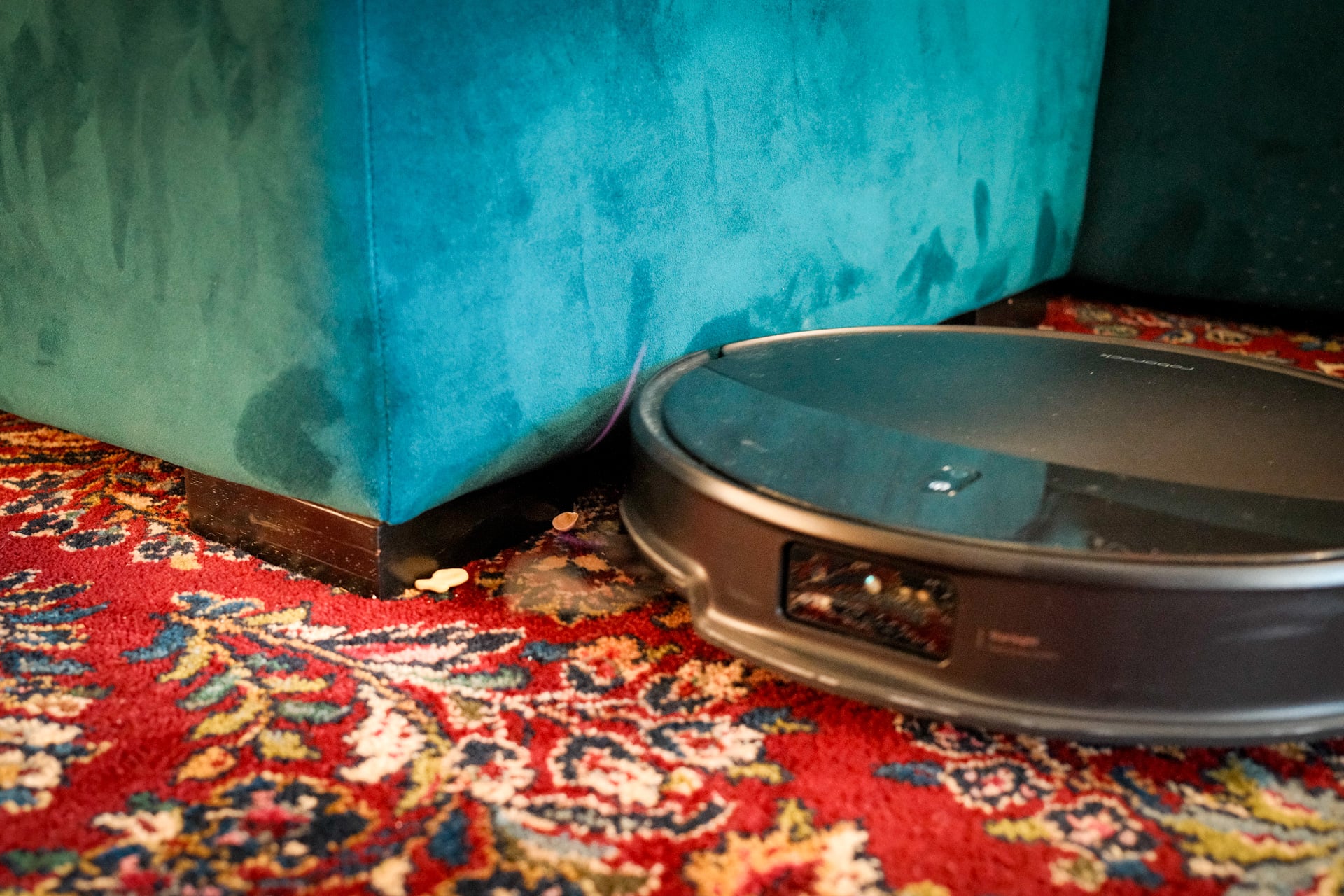
The results were similar on my carpet test, but this time I added some handfuls of sand and ash to the equation, plus a good helping of long hair. It got nearly everything. Long hair often trips these things up, but the split brush design here handled it without tangling. After it went through, all that remained was one Goldfish and one shell that were both pressed all the way up against the leg of my couch and a tiny smear of ash that was just under the overhang of my couch. Unfortunately, it seemed like the sweeping arm just kind of went over top of all those items so it didn’t push them into the path of the vacuum’s suction. Still, I could only spot three solitary grains of sand left afterwards, which is really impressive.
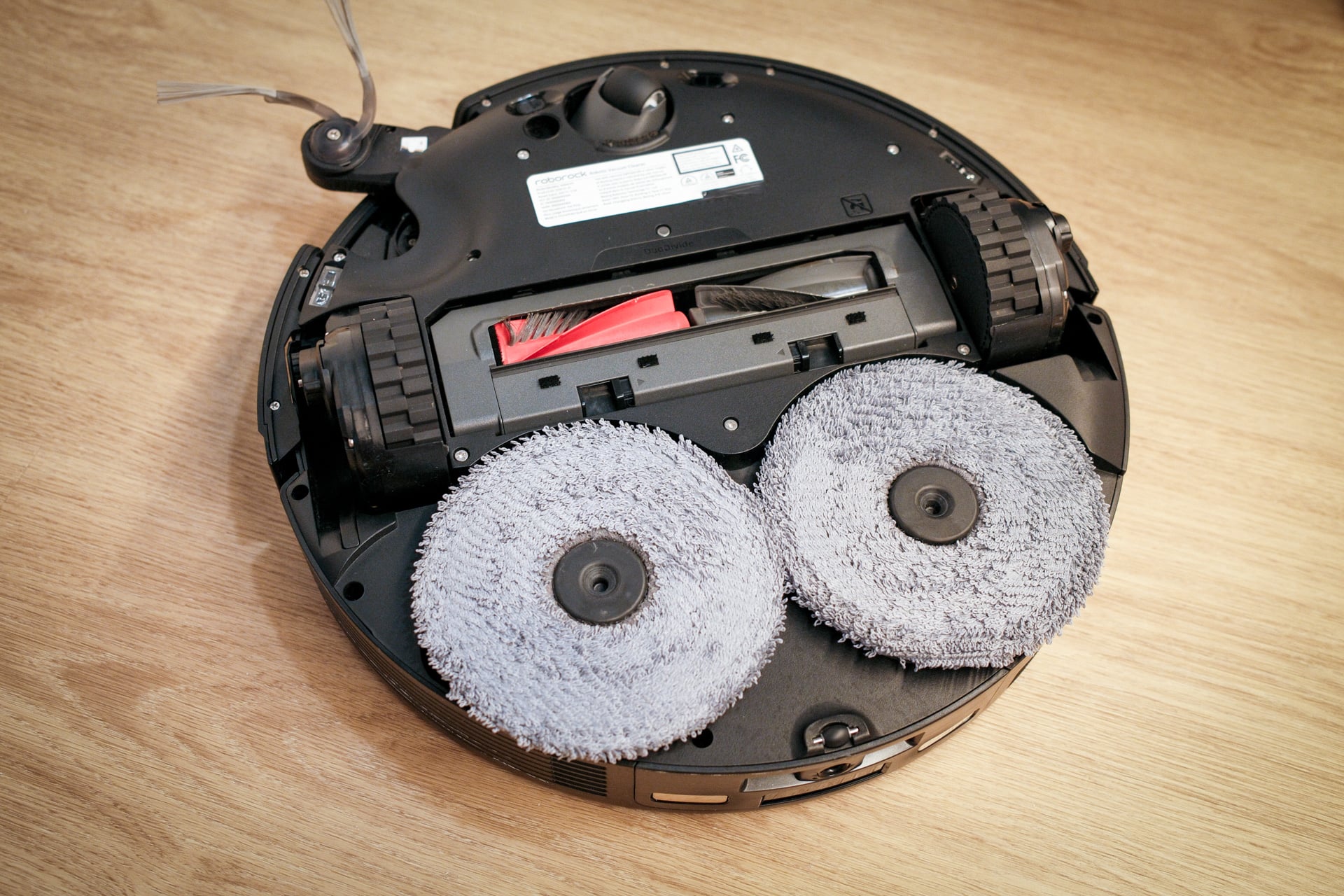
The mopping capabilities proved to be excellent as well. To test this, I let several splashes of sweet barbecue sauce dry on my kitchen floor for three hours, then turned up the mop’s water flow and sent it in. All of the spots in the center of the floor were gone on the first pass. There were two spots all the way up against the edge of the wall that it didn’t quite get all of, though, so it sent it back in. This time it managed to get one of them all the way, but it still left a bit of the last one. The Saros 20 has dual-spinning mop pads, with the one on the right being able to extend out to clean right up against the wall or under low overhangs. I suspect that it can’t exert quite as much downward force when extended out, though, so that’s why it struggled there.
To do a full cleaning of my one-bedroom apartment, the Saros 20 takes about 90 minutes, which is solid for how thorough it is. To clean just my kitchen (which is its most frequent task) only takes about five minutes, which is pretty fantastic when you’ve been cooking your face off and need to tidy up quickly before company arrives. It also has a feature that helps it detect spots that still need more cleaning. I found that worked some, but not all of the time. Better than nothing, though.
Despite being more powerful, both the vacuum and mop seem quieter than previous models, and I found that it wasn’t annoying even when I was writing this very article and it was vacuuming right behind me (but it’s very easily drowned out by music). It also has a remote control feature in the app, it can automatically take photos of your pets for you (if you enable it), and it has voice commands built in. So you can say, “Hello Rocky, clean my kitchen,” and it will hop to it without you needing to open the app. But there are caveats.
Room(ba?) for improvement
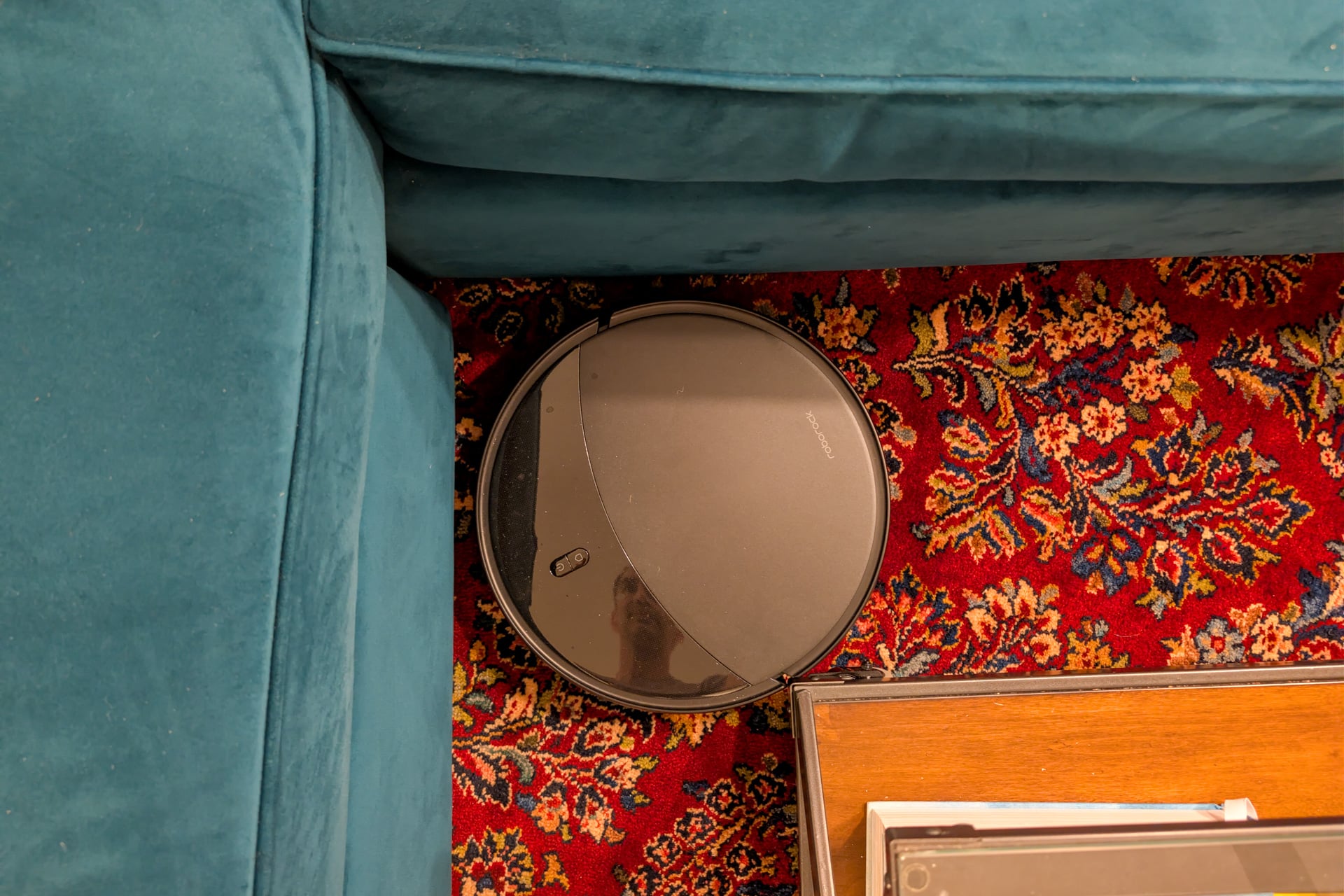
As good as this robovac is, remember that we’re still grading on a curve here, because it’s nowhere near perfect. When I was away for a week, I decided it would be nice to come home to a clean apartment, so I used the app to have it do a full cleaning. I came home to find that the bot had wedged itself between my couch and coffee table, didn’t know how to unstick itself, and drained its battery down to zero. First, StarSight 3.0 should be smart enough for it to know where it can and can’t fit, but, failing that, it should auto power-down. After I rescued it I had to wait for it to fully charge before I could attempt to clean it.
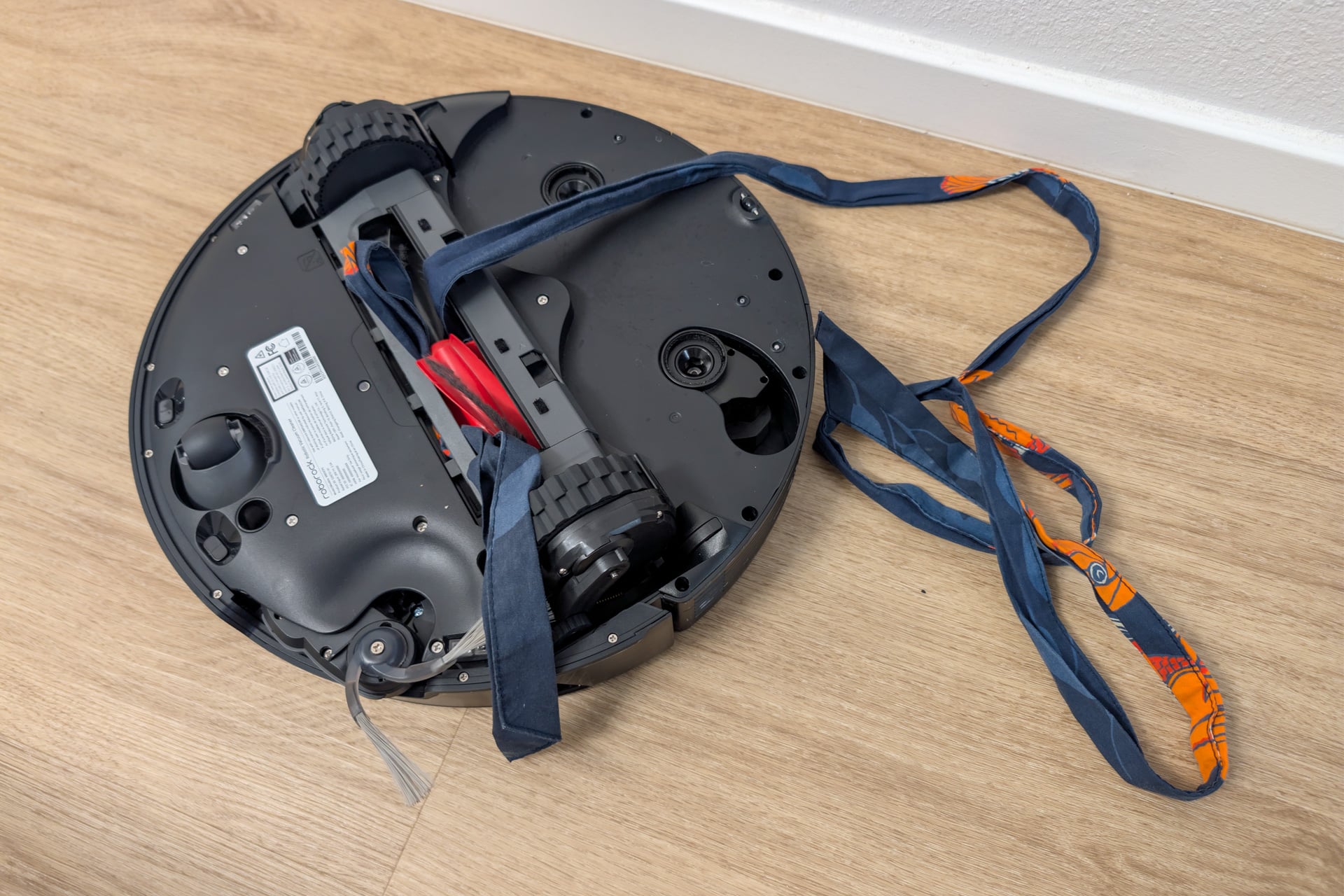
While its object recognition has come a long way, the Saros 20 still misses some things. Once I heard it making some strange noises in the other room. It had slurped up the belt from my bathrobe that I’d accidentally left hanging off the edge of my bed. It was wrapped in the roller brush, so it wasn’t spinning anymore. The vacuum didn’t seem to realize that, so it was just dragging the belt around, not really vacuuming much. It should be smart enough to sense that and call for help (via its built-in speaker and its app, ideally). While it successfully avoided power cables on bare floors, it had more difficulty on patterned rugs, and it hoovered up a black USB-C cable on mine.
It also has some odd anomalies. The other day I set it to vacuum a small zone in my living room where some popcorn bits were on the floor. It strayed outside of that zone by at least eight feet and was vacuuming seemingly random paths over there before I canceled and started the zone cleaning again, which this time it did perfectly. The voice recognition is a nice feature, but it seems to mishear me a lot, sometimes waking up when I’m not asking it to do so. I’ve also asked it to “vacuum the kitchen,” but it does a full cleaning with mopping, which wasn’t what I wanted. Placing furniture in the app could still be a lot better, too.
(Vacuum) Bag it up
Those gripes aside, the Roborock Saros S20 is hands-down the best robot vacuum I’ve tested, and it’s honestly not that close. Yes, there are plenty of ways it could be better, but it cleans more thoroughly than any I’ve tested, with excellent vacuum and mop power, even managing to get debris from the edges of your spaces. It doesn’t get stuck as much, is less likely to eat something it shouldn’t, and looks good while doing it. It’s really hard to not really like this thing.