This week, Amazon finally debuted a device that we in the gadget-reporting community had already assumed had been tossed onto the junk heap of bad ideas. Now that the Amazon Ring Drone Cam is real, and you can buy it starting in January, we do wish it would have remained on the refuse pile.
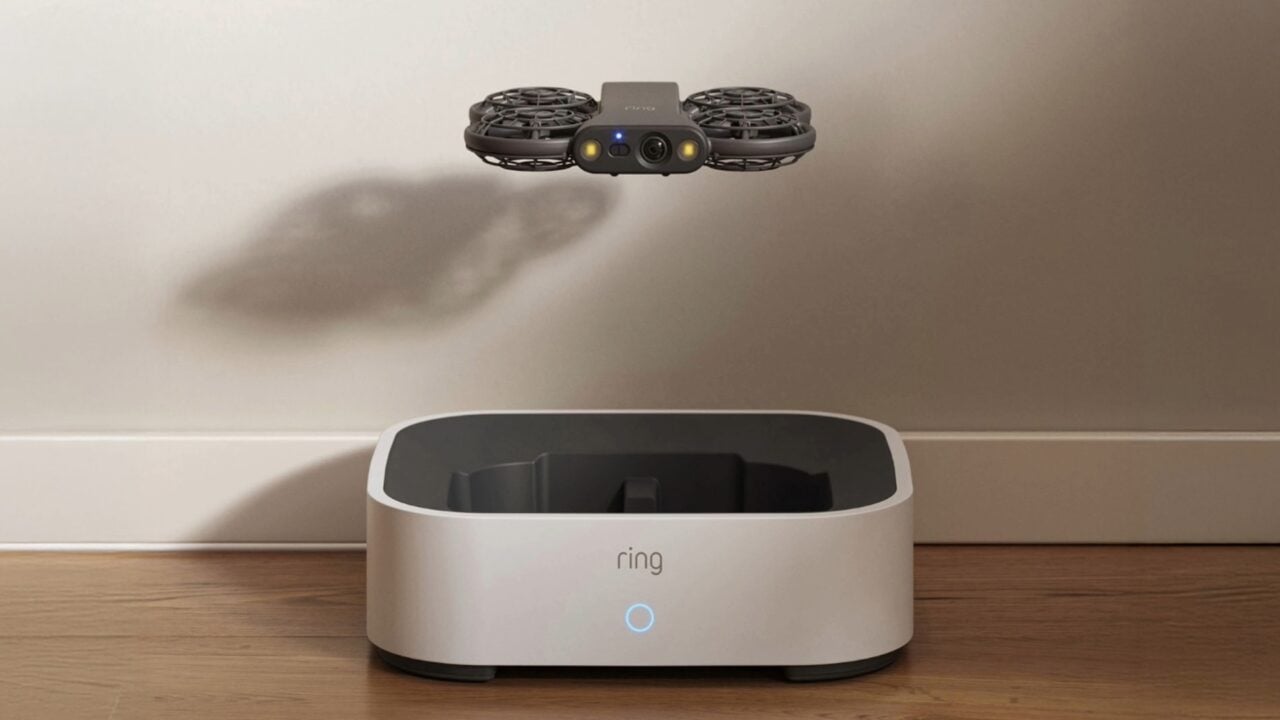
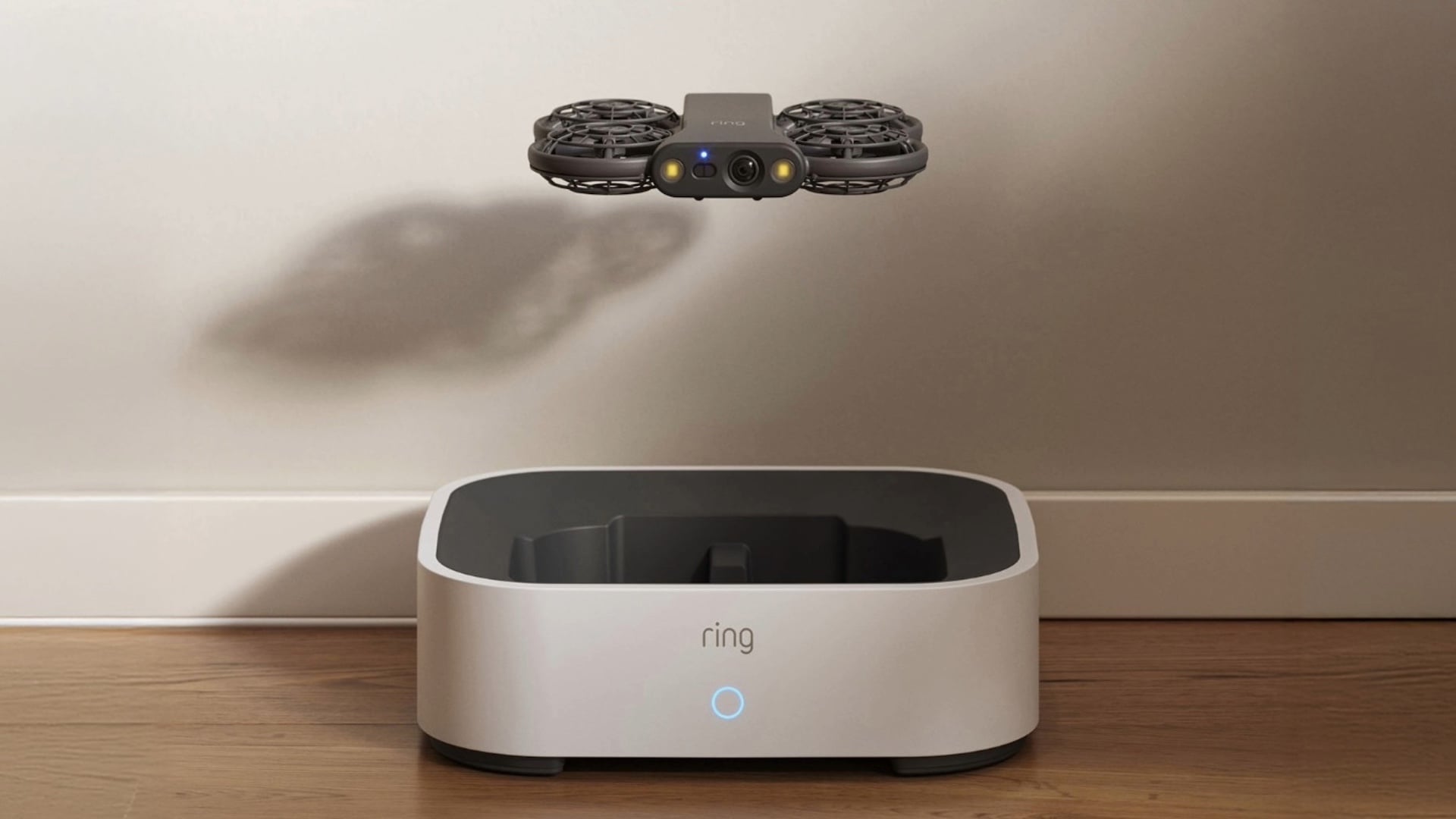
This is not the first time Amazon has showcased its home drone. We’ve seen it crop up at several showcases, most recently at CES 2023, but only in the form of a limited demo that even at the time seemed particularly problematic. The final version of the new $250 Ring Drone Cam, available on Jan. 27, 2027, is essentially a flying robovac with a camera. The first thing you should know is that you cannot directly control the Ring drone. CBS shared a video interview with Ring founder Jamie Siminoff and showcased the drone failing to avoid obstacles and crash into walls. After the video displayed the drone malfunctioning, the company told CBS it wouldn’t offer manual controls at launch.
Ring, the Amazon-owned doorbell company, is expected to put its new in-home drone cameras on sale in January for about $250 — and CBS News got the first look at how they work.
During our demonstration, while operating on manual flight controls, the drone apparently malfunctioned… pic.twitter.com/lhR7IXYdRJ
— CBS Mornings (@CBSMornings) November 10, 2026
Effectively, the drone works like a self-flying robovaccum (without the cleaning capabilities). It can navigate your home on preset paths, and it has sensors to—hopefully—help it avoid your furniture. There’s a bit of sense behind the lack of manual controls. Flying drones is difficult, especially for first-timers. The typical DJI flyer is best operated with a controller that requires users to comprehend height and orientation. DJI also has phone-based controls, but for the sake of flying indoors you would want something with more tactility than a touchscreen.
If Amazon were actually concerned about you taking this drone outside (where it would be subject to Federal Aviation Administration regulation and public drone laws), then the online retail monolith could have geofenced the device to restrict its movements. You know, so the birds and bees are safe from this buzzing spycam. Your home pets certainly aren’t.
Amazon’s ads for the drone severely dilute the noise it makes. You can see in that CBS video how the drone kicks up a banshee-like noise that’s so disconcerting I imagine intruders would be more likely to turn away just from the ear-splitting sound rather than face this extremely swattable drone. Smaller propellers generate shriller noise, and the Ring flyer generates a similar sound to what you hear on other tiny UAS (unmanned aerial systems) like the DJI Neo. Watch how Siminoff’s dog, Biscuit, pants on the couch as the drone splits the air with its racket. I don’t want to assume that is a sign of stress, but dogs are especially sensitive to loud, unnerving noises. Regular drone flyers—the ethical ones at least—actually make a point of not flying within 100 meters of pets.

So it’s not a good idea if you have pets, and it’s still a problematic piece of surveillance tech even if everything works properly. Amazon says the Ring Drone Cam will patrol at intervals, but it won’t fly for very long. PCMag reports that Amazon claims this in-home surveillance tech has a mere eight-minute battery life. It’s meant to do its patrol and return to the base station to charge; it takes eight minutes to charge for every one minute of flight time. If you own a large home and you want to patrol every room, that means there could be intervals of more than an hour where your drone isn’t doing its patrols.
Siminoff told reporters the company was trying to create an in-home security system that didn’t require putting cameras in every room. I’m going to offer an alternative solution: you don’t need to watch every room of your home 24/7. I understand that some people may have pets or kids at home they want to keep tabs on. There are less intrusive and cheaper alternatives.
Let’s not forget, Amazon’s Ring cameras have a spotty track record with privacy. Ring recently announced a new encryption program that should limit how much time it, and potentially police, would be able to access your security footage. Still, if you’re already wary of granting Ring access to what’s going on outside your home, why would you want to give it the same permissions within your abode?