Apple seems to be edging closer and closer to touching the third rail “perv” problem that Meta has been so happy to grip with both blistered hands. It’s the next round of wearable and smart home gadgets that may introduce more sensors for the sake of letting AI get a better look at your life. Apple may soon ask you to accept yet another camera in your home, even if it doesn’t actually record video.
On the latest episode of his Bloomberg podcast, Apple leaker-in-chief Mark Gurman claims Apple is working on more smart home security products. The latest designs include chapstick-shaped sensors that you stick around your house, though they don’t actually record video. They reportedly operate at a very low framerate and resolution and then use AI to interpret what’s happening in each scene. These will supposedly work alongside the recent upgrades to HomeKit that enable Apple Intelligence video summaries, though it requires a potentially pricey subscription.
See Apple Watch Series 12 at Amazon
See Apple Watch Ultra 4 at Amazon
There are already dozens of smart home cameras that use real-time video footage that is then analyzed by AI, like the Google Nest Doorbell. Apparently, these will operate on a similar technology to the rumored AirPods with built-in cameras. This is what Apple calls “Visual Intelligence,” and it will use these features to interpret what’s in front of users without parsing any video that’s better than “potato” quality. We can already guess how Apple will try to avoid appearing like a self-installed Big Brother.
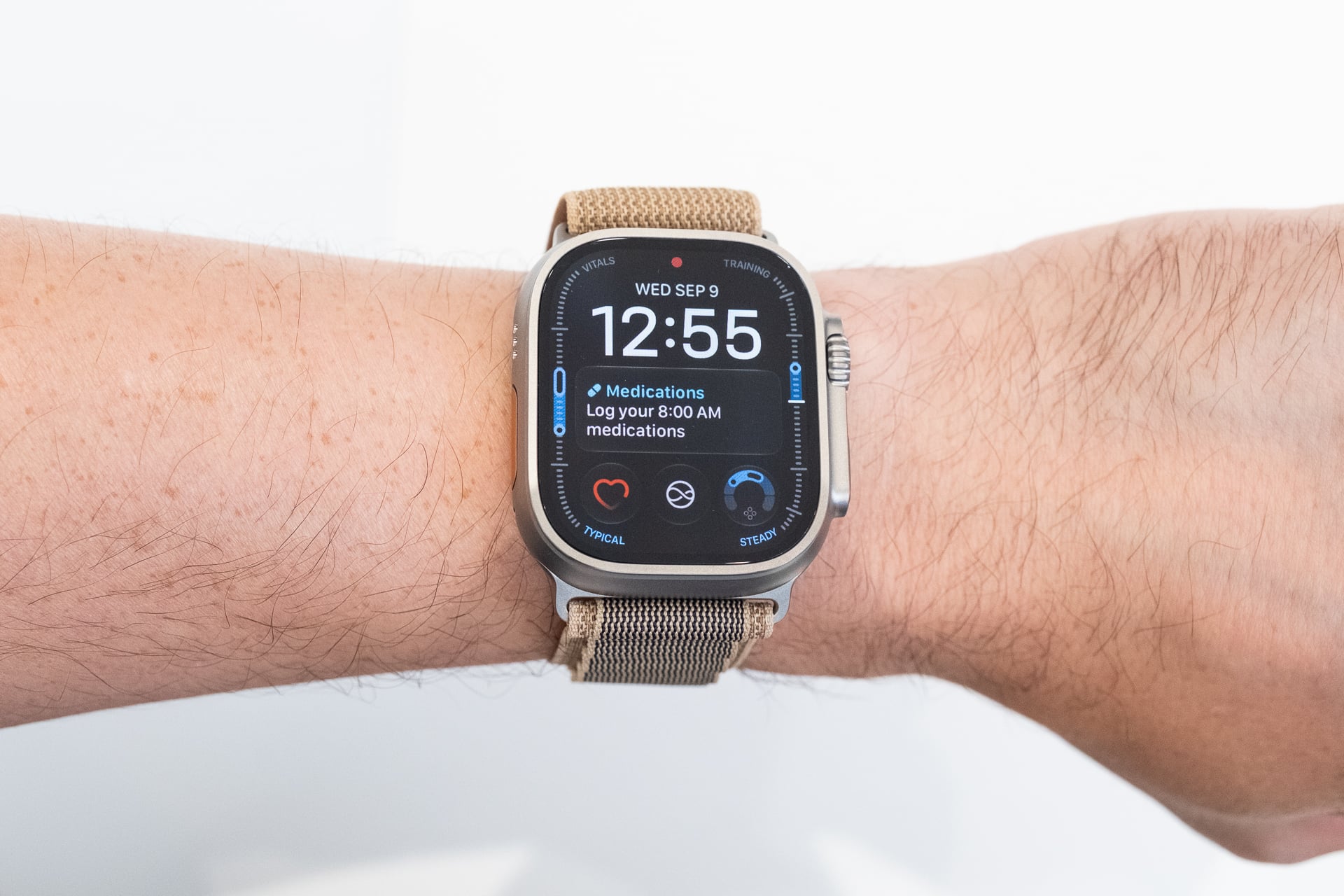
The latest Apple Watch Series 12 and Apple Watch Ultra 4 launched last month without the touted “Audio Intelligence” features, specifically called “Live Rewind” and “Siri Recap.” These AI-centric recording features are exclusive to the new S11 SiP built into the new wearables. With a double-click of the watch’s digital crown, Live Rewind will offer a transcription of the last 15 seconds of conversation you’ve had with anybody. The Siri Recap feature would potentially record even more of your day, providing an AI-generated summary of your activities, including who you talked to and what you jabbered about. Apple has claimed that these features do not create verbatim transcripts of your conversations, identify speakers, or store the recordings.
Here’s the important thing: Apple knows how this sounds. An Apple support document details how each new watch contains a “secure exclave” that’s built to process audio and other sensor data. Apple says it’s not transcribing the audio during this time, which means the company, the user, or some third party can’t claim access to whatever you were talking about. If audio moves between watch and iPhone, which it will need to to transcribe audio, Apple says that its files are first encrypted and then sent using an encrypted connection.

Apple will likely use this same secure exclave for its AirPods and smart home cameras. We can assume this will all be processed by a hub like the rumored HomePad—essentially described as the lovechild between a HomePod and iPad. What’s more important is how the system handles transcriptions. In its document, Apple writes, “You decide what to keep. No raw audio is ever saved or synced. If you use iCloud with two-factor authentication and have a device passcode, any Audio Intelligence text you choose to save syncs across your devices end-to-end encrypted.”
We’ll have to see how well this secure enclave holds up. You don’t have to look far to see how it can go terribly wrong. Microsoft’s AI-centric Recall feature—basically an auto-screenshotting feature using AI image and text recognition—gave users the ick two years ago, deservedly so. Security researchers found they could easily access transcriptions of Copilot AI’s ruminations on users’ screenshots. The AI could potentially scrape up sensitive bank information, so it’s obvious why companies largely rejected Microsoft’s touted “photographic memory” feature.
The only way to know how Apple is different is when we put its devices to the test. Judging by the latest rumors, we won’t have to wait too much longer.
This post was updated to clarify Apple’s mentions of privacy around Siri Recap.