For thousands of years, the ancient Egyptian civilization cultivated a rich, diverse network of cultural, socioeconomic, and architectural achievements. Its influence was so widespread that archaeologists are still finding new artifacts—some hiding more grand messages than others.
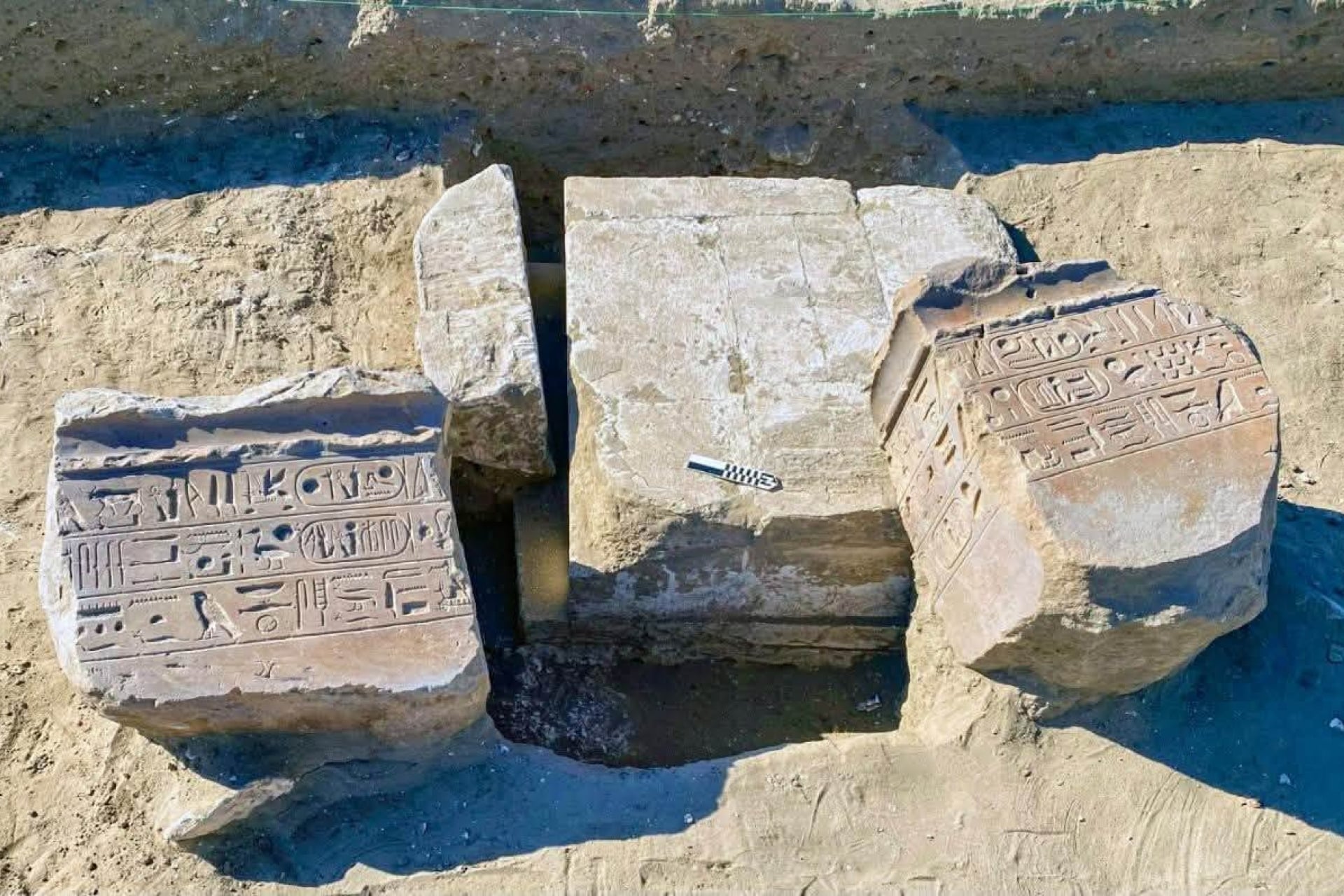
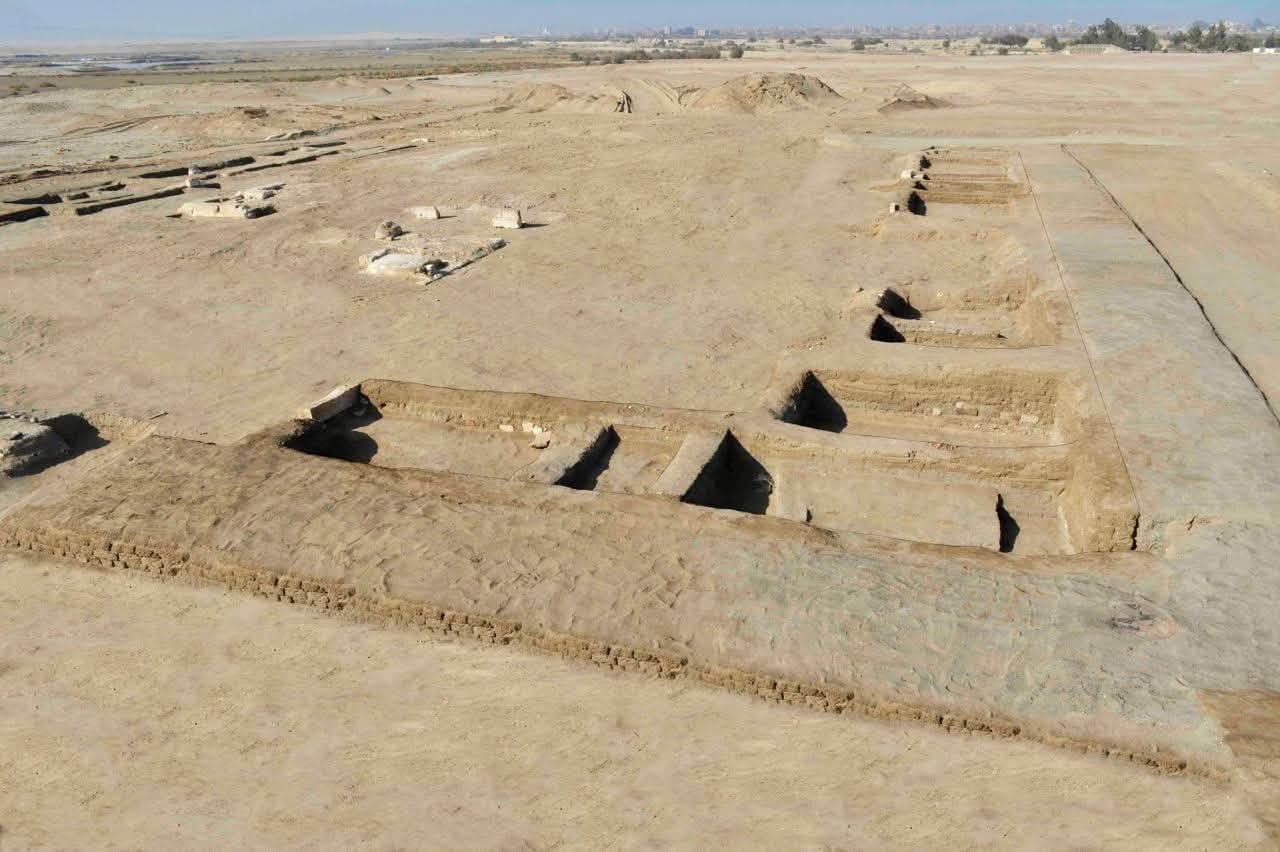
In a recent statement (translated via Google), the Egyptian Ministry of Tourism and Antiquities reported the discovery of a roughly 3,200-year-old stone inscription referring to Horus, a falcon-headed Egyptian god, as the guardian of the City of Mesen. Authorities also found archaeological remains that appear to have once been part of a temple to the god, believed to represent power and healing. According to the statement, the findings indicate that the “lost” city corresponds to modern-day Tell Abu Seifi in northern Egypt.
That said, the team needs to do more research to be absolutely certain, Hesham Hussein, research lead and the director general of Delta and Sinai Archaeology at Egypt’s Ministry of Tourism and Antiquities, told Live Science.
The Way of Horus
The findings come from a decades-long project to study the Way of Horus, an ancient route running along the eastern borders of Egypt. The city of Mesen, on the other hand, appeared in texts and other sources during ancient Egypt’s New Kingdom period (1570 to 1069 BCE), according to the statement. But its whereabouts became elusive as subsequent construction work during the Roman era destroyed major parts of the site, the statement explained.
The latest investigations revisited some previously discovered elements in addition to new ones. As a result, the team was able to interpret the architecture more accurately and place it within the context of the “strategic and civilizational role” that the region played in Egypt’s history, Sherif Fathy, Minister of Tourism and Antiquities, said in the statement.
Lost or found?
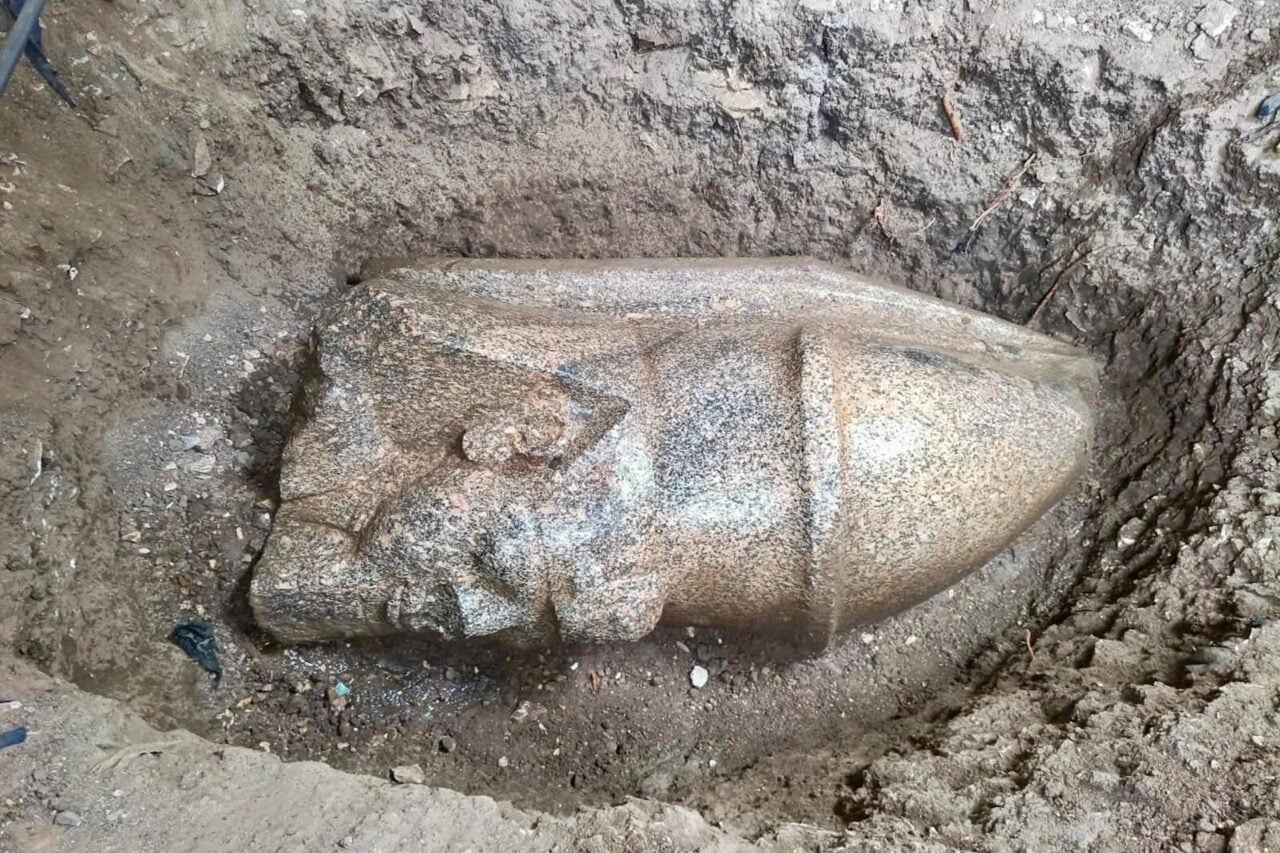
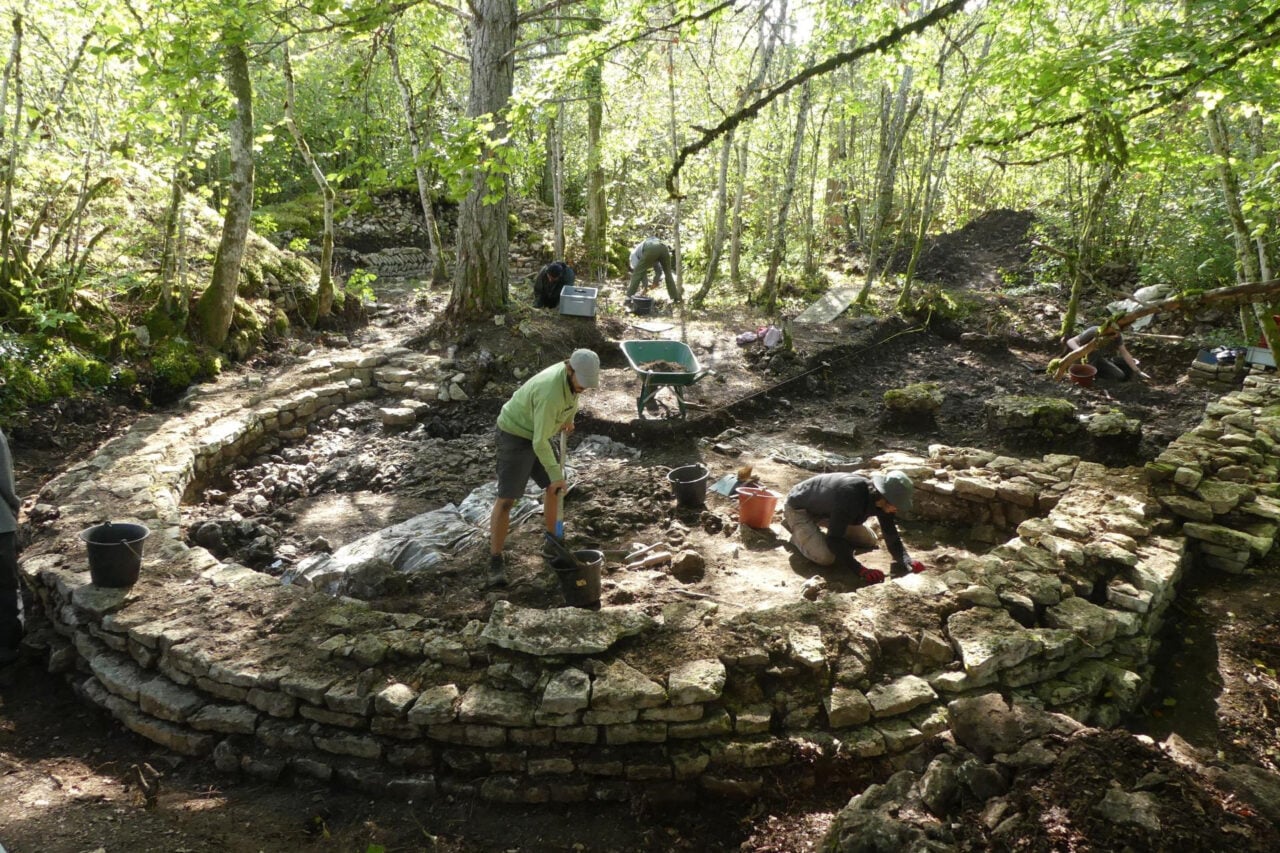
During the excavations, the team found remains of two stone roads, storage rooms, and service rooms consistent with ancient Egyptian temples. In line with the military use of the Way of Horus, the site also contained artifacts with “administrative and military significance,” according to the statement. There were also fragments of a sandstone inscription mentioning Ramesses II, a prominent pharaoh who ruled over Egypt between 1279 and 1213 BCE. Another inscription discussed restoration work of a statue of Horus, “Lord of the City of Mesen.”
However, Hessen and authorities with the Egyptian ministry both stressed that the findings, for now, aren’t conclusive. That is, while there’s compelling evidence that Tell Abu Seifi used to be Mesen, they hope to continue excavations of the site to find more proof. Experts uninvolved in the work also expressed caution in their comments to Live Science. For instance, James Hoffmeier, an archaeologist at Trinity International University, suggested that artifacts like ceramic goods might help support this hypothesis.
“The current findings confirm that Tell Abu Seifi represents one of the main sites along the Way of Horus,” the statement concluded. This “reveals a succession of military, religious, and economic functions at the site, reflecting its strategic importance and its role in protecting the eastern borders of Egypt, as well as its religious status during the Pharaonic, Ptolemaic, and Roman eras.”