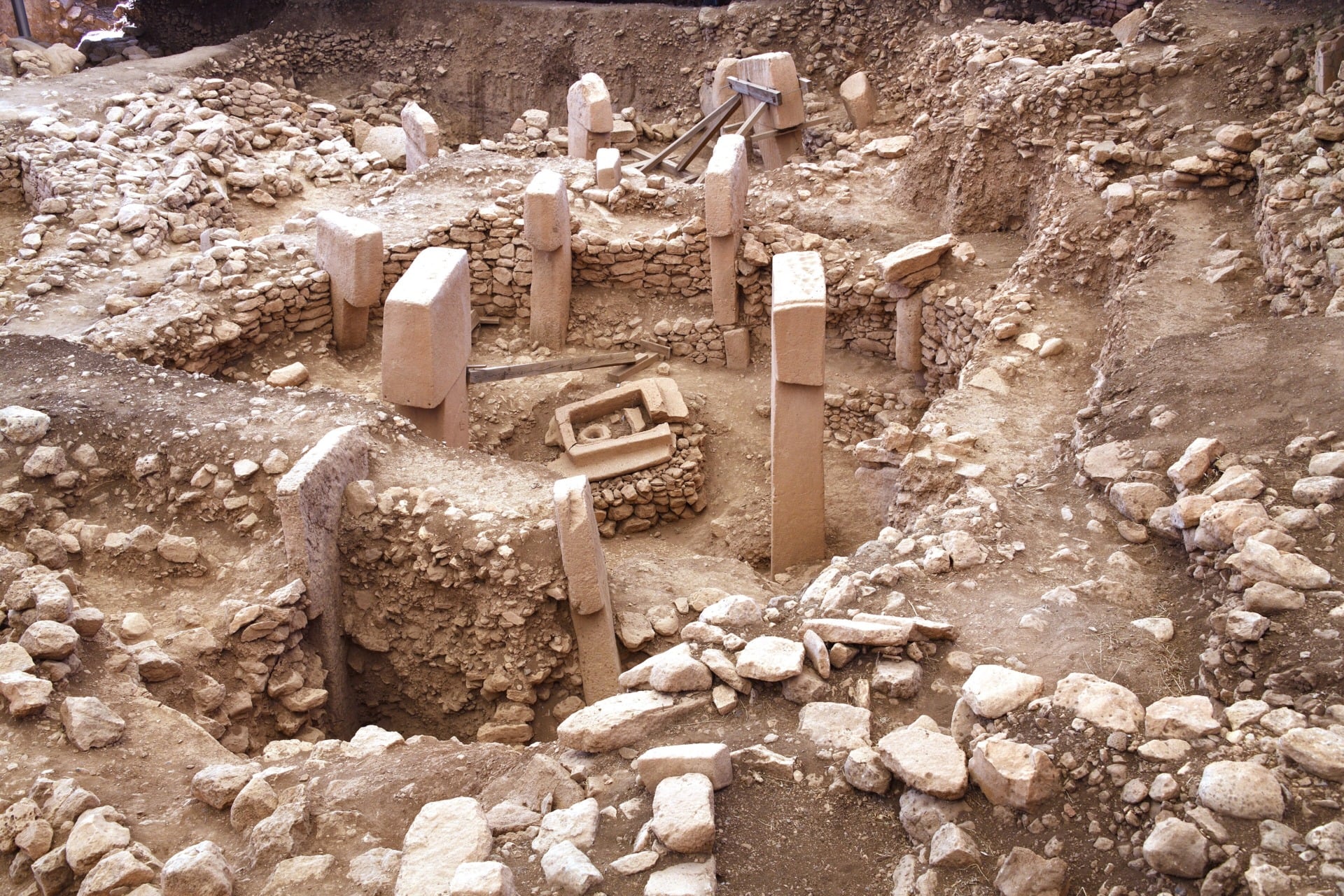
Over the years, excavations have uncovered hundreds of human bones and skulls at Göbekli Tepe, a Neolithic site in Turkey. That led archaeologists to believe the premises must have been run by a “skull cult.” We may owe these people a massive apology, according to new findings.
For a recent study published in PLOS One, archaeologists found evidence in support of an arguably tamer interpretation of Göbekli Tepe—the jumble of bones at the site ended up there as a result of a catastrophic landslide. The latest investigations represented the first time experts studied fully intact burials at the site. To be clear, hunter-gatherers living at the site probably did conduct spiritual rites involving the intentional deformation of bones and skulls. However, those rituals likely weren’t too different from other comparable groups from the region.
That said, this account doesn’t necessarily rule out the possibility of unusual mortuary practices at Göbekli Tepe. Rather, it underscores the “considerable diversity of burial rituals in Neolithic Anatolia,” Julia Gresky and Lee Clare, archaeologists at the German Archaeological Institute who co-authored the study, wrote in the paper.
A Neolithic icon
As Gresky and Clare write, Göbekli Tepe is among the “most significant archaeological discoveries of the twentieth century.” Located in modern southeastern Turkey, the site has turned up an enormous collection of architecture, tools, and symbolic artifacts from a transitional period from mobile hunter-gatherers to sedentary farmers in the region. But perhaps most alarmingly, there were many fragmented bones scattered throughout the site, leading early researchers to believe grim things had happened at Göbekli Tepe.
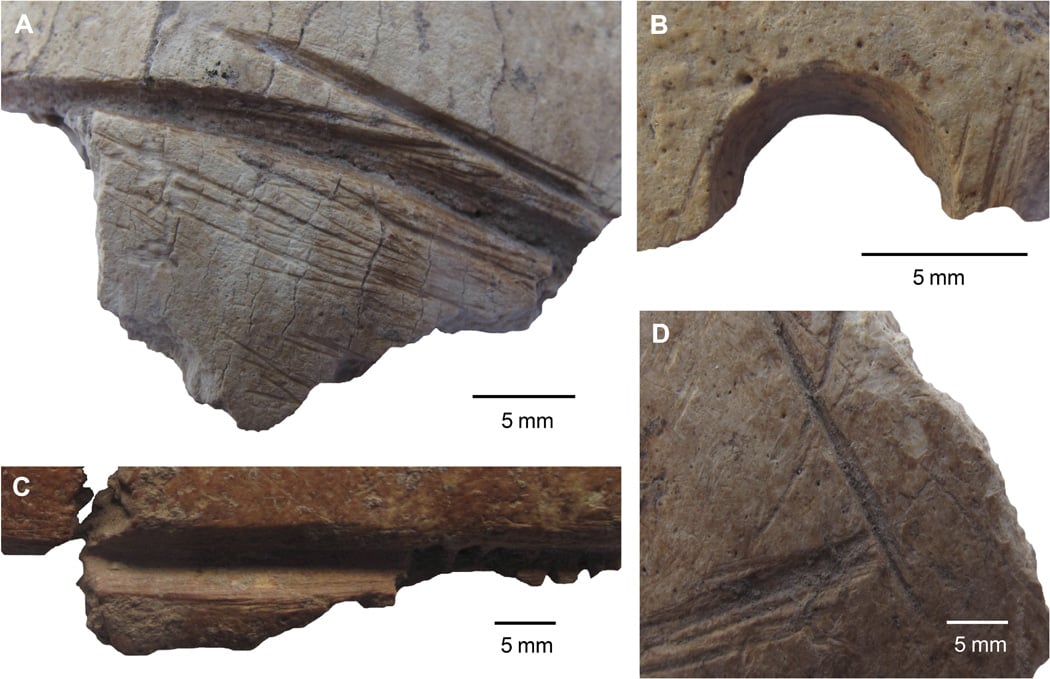
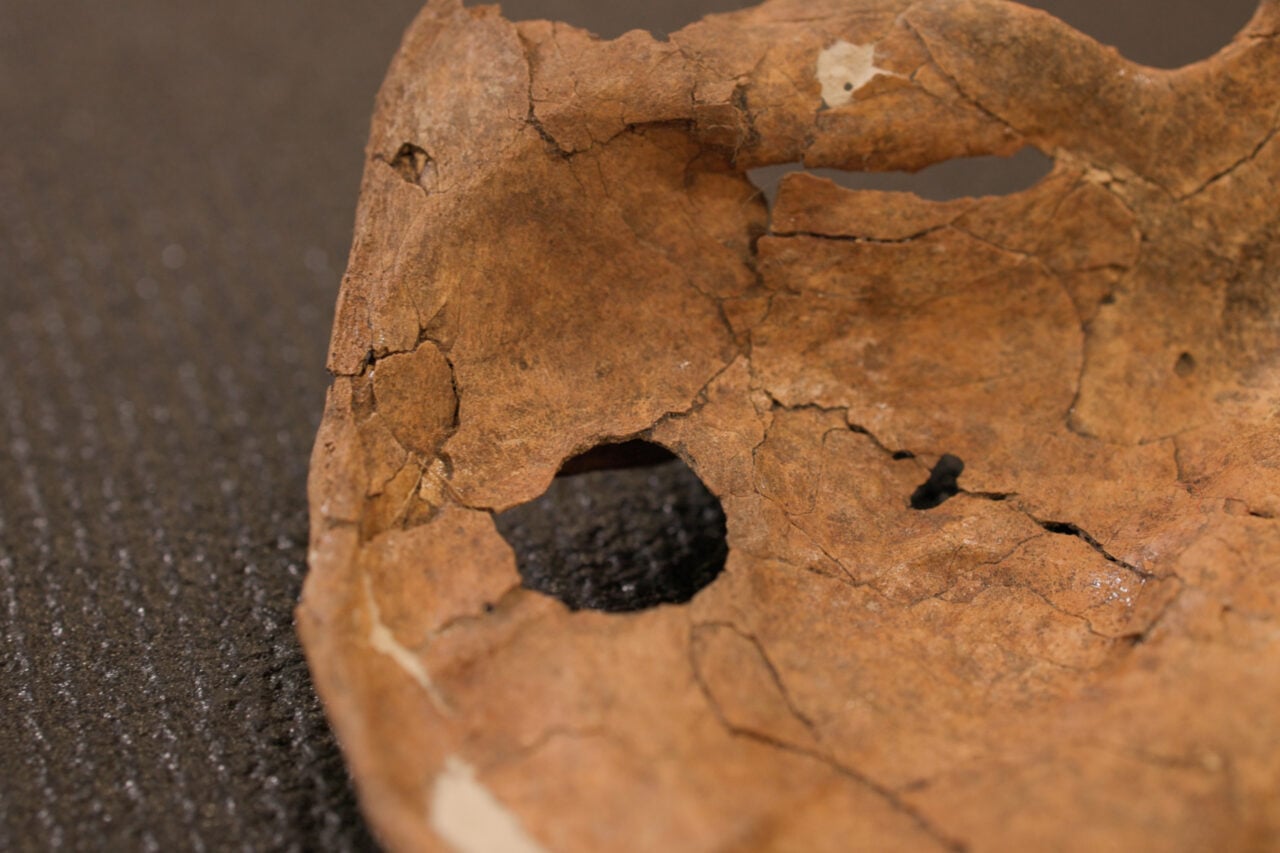
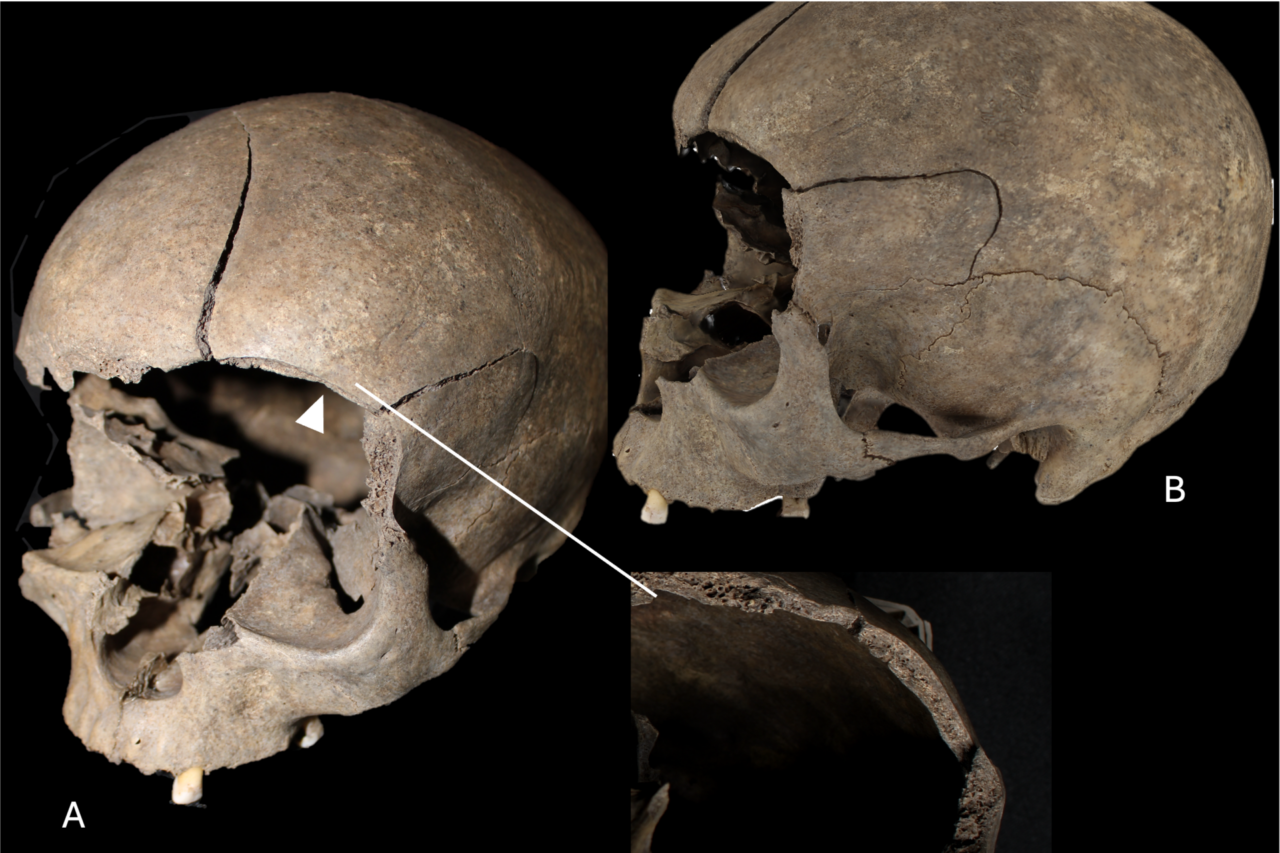
In 2017, a team involving both Gresky and Clare found a trove of fragmented human bones with artificial cut marks. The researchers found four different types of modification “so far unknown from contemporaneous sites and the ethnographic record,” according to the 2017 study. Three fragments were carved out; one fragment had a hole that appeared to have been drilled into the skull. The team also found remnants of ochre on one fragment.
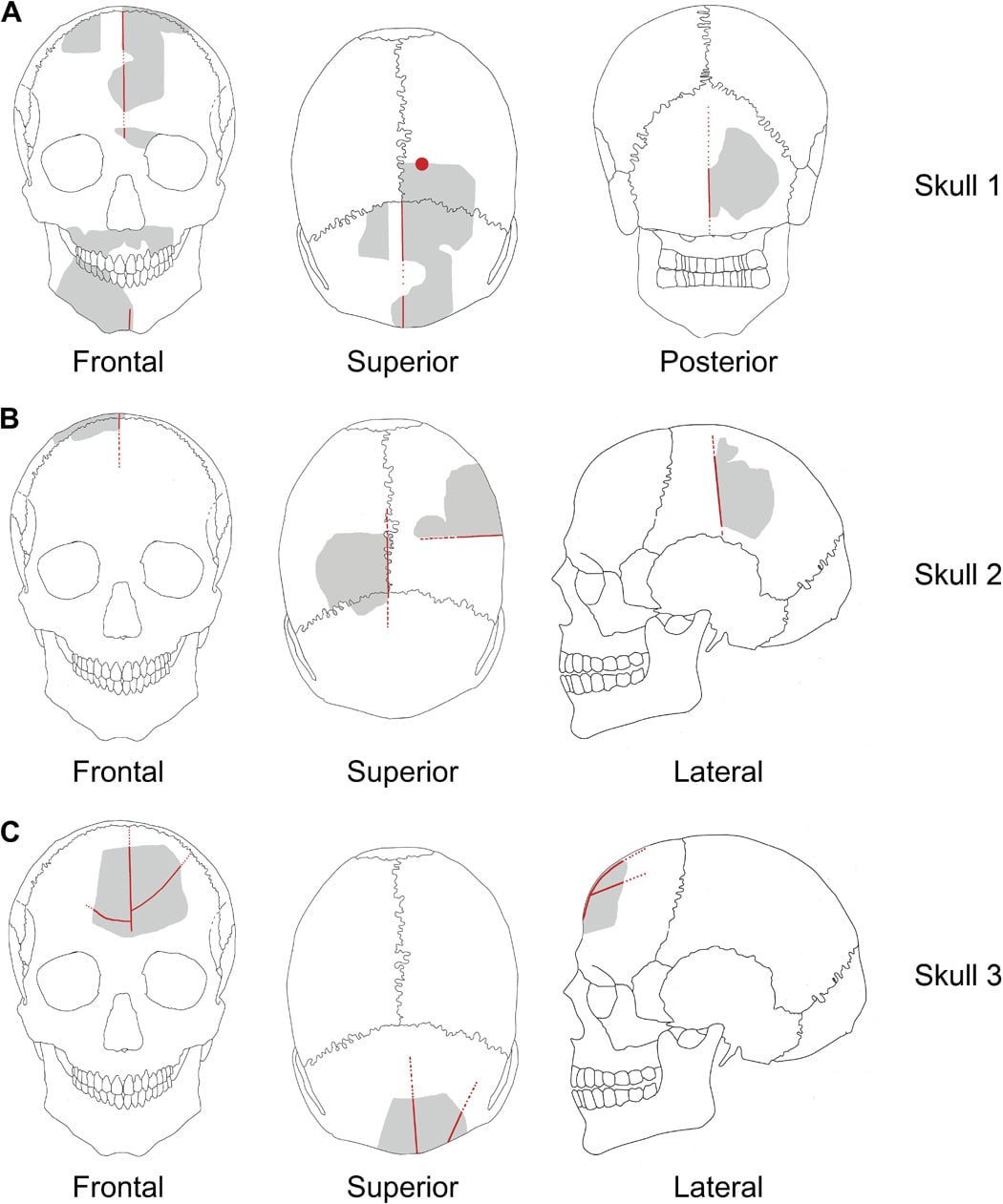
The team concluded that Göbekli Tepe belonged to a “skull cult,” specifically referring to a group of humans who carried out religious rituals involving “treatments” found repeatedly on multiple skulls. If true, this skull cult may have also been involved in the scattering of multiple bone fragments throughout the site, the researchers theorized.
“The narrative emerged that it was a ritual site where nomadic hunter-gatherers came once a year and then left,” Scott Haddow, a bioarchaeologist at the University of Turin who was not involved with the new research, told Science.
A different perspective
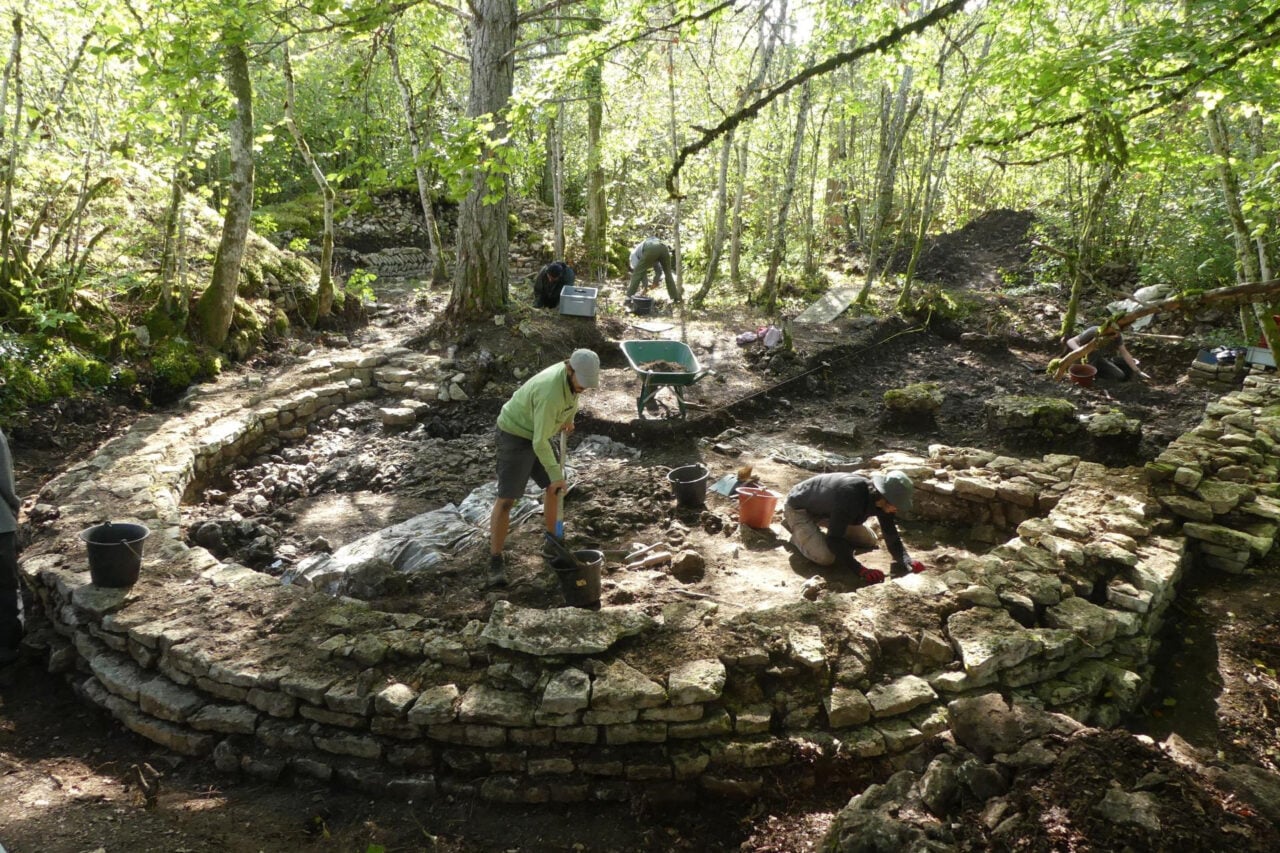
As investigations continued, however, the narrative began to shift. For instance, Clare participated in a 2020 study that indicated Göbekli Tepe wasn’t a temporary stop but a more permanent village with a ritual space at the center. The latest findings further support this idea. For one, the team found “indisputable evidence” of continuous settlement at Göbekli Tepe.
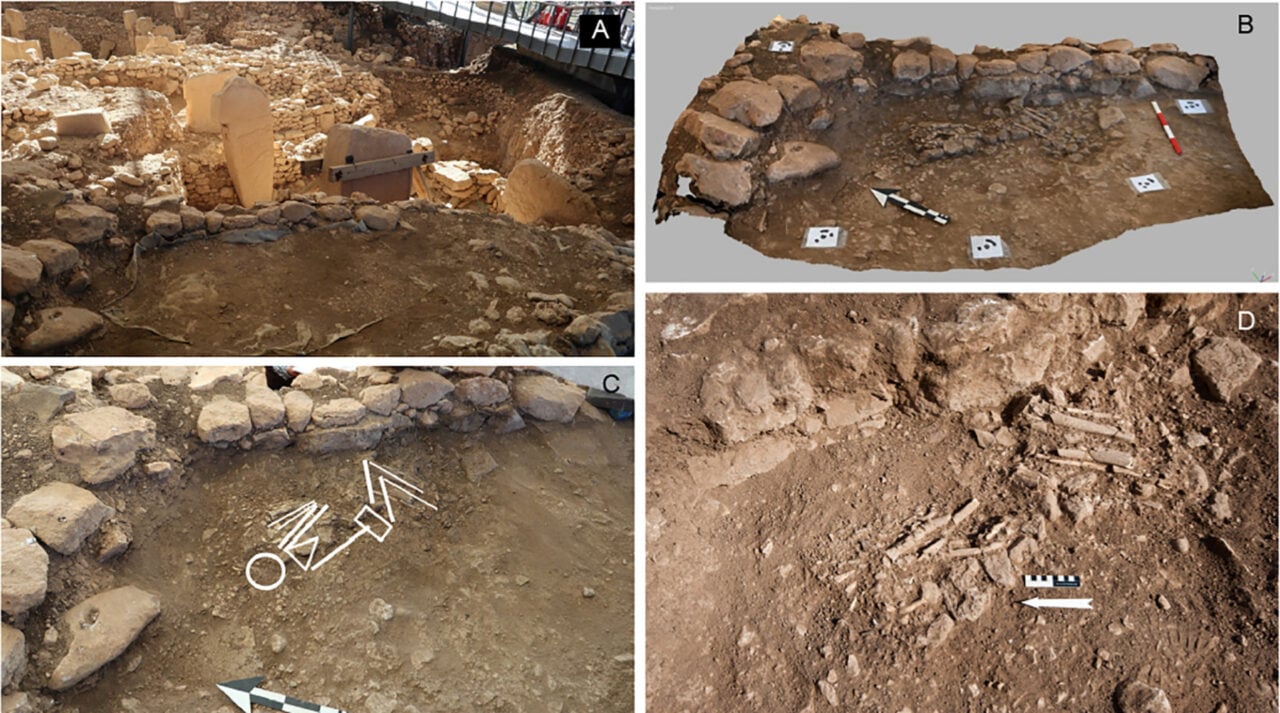
In addition, the newly discovered burials were consistent with known funerary practices from the era, in which people buried their dead in close proximity to their homes. Overall, this raises the possibility that the scattered bones belonged to individuals who were otherwise buried normally but whose remains were forced out of their graves by a landslide or other similar, erosional events, the team concluded in the study.
Then again, the latest findings don’t change the fact that the villagers of Göbekli Tepe did carve some unusual features into the bones of the dead. But what we now know is that they weren’t an extreme outlier, all things considered, Haddow added.
“Universally, there’s this focus or obsession with skulls throughout the Neolithic,” he said. “But they’re all doing it slightly differently when you zoom in.”