People in the United Kingdom love Italy. As of 2023, 16.8% of travelers flying out of London’s Heathrow Airport head to Rome Fiumicino Airport. This affinity isn’t new, however—in the medieval era, Rome had a thriving community of Anglo-Saxon expats.
Archaeologists have discovered 20 medieval Anglo-Saxon coins beneath a garden close to the Vatican. The finding represents the first material evidence of the “Schola Saxonum,” or English quarter, and indicates that these visitors had special privileges from the Pope. Researchers detailed their analysis in a chapter of the newly published Italian book, Rome and the Others (300-1000): Foreigners in the city between conflicts and integration.
“Before this big discovery, we never had any material remains of the English quarter in Rome,” Francesca Tinti, a medieval historian at the University of the Basque Country and co-author of the chapter, said in a statement by the University of Cambridge. “We’ve been hoping this moment might come for most of our careers.”
Ugly coins
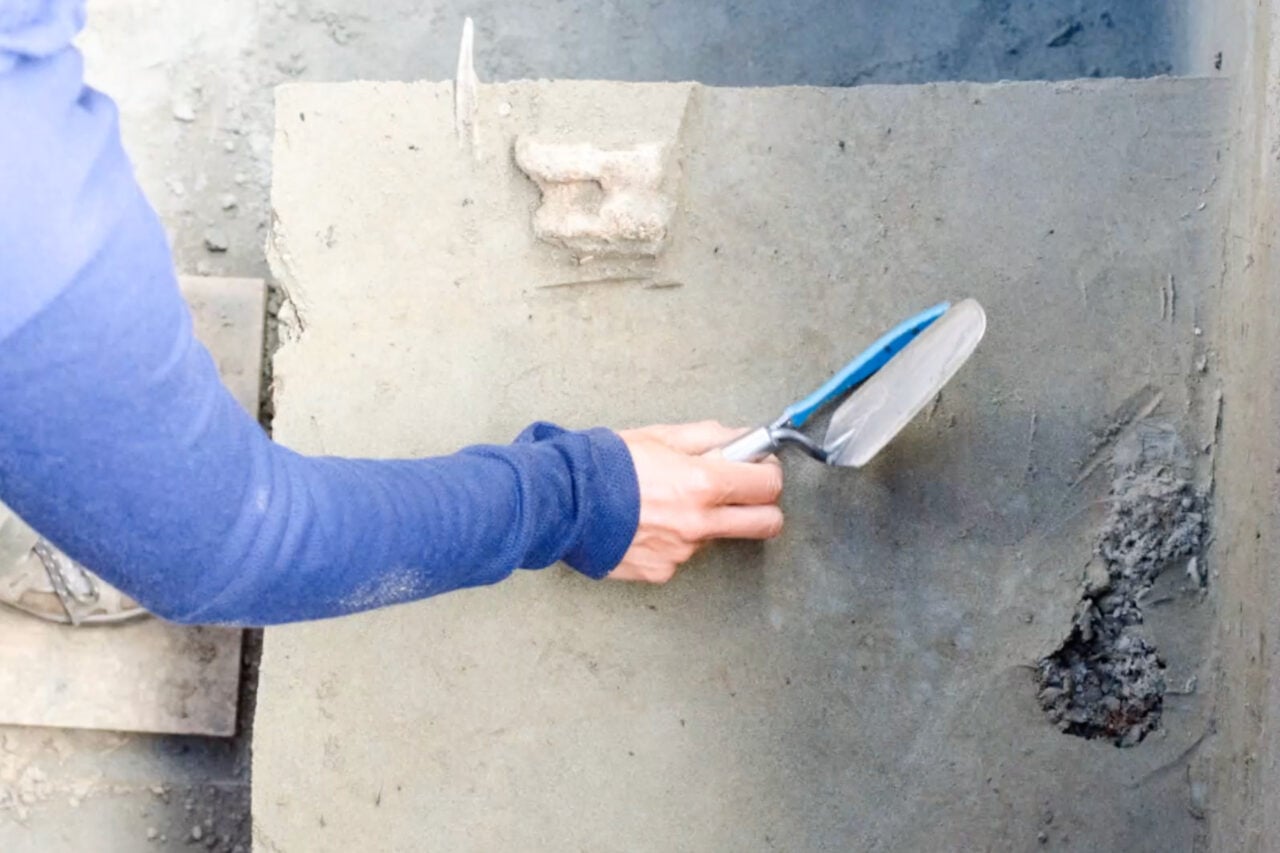
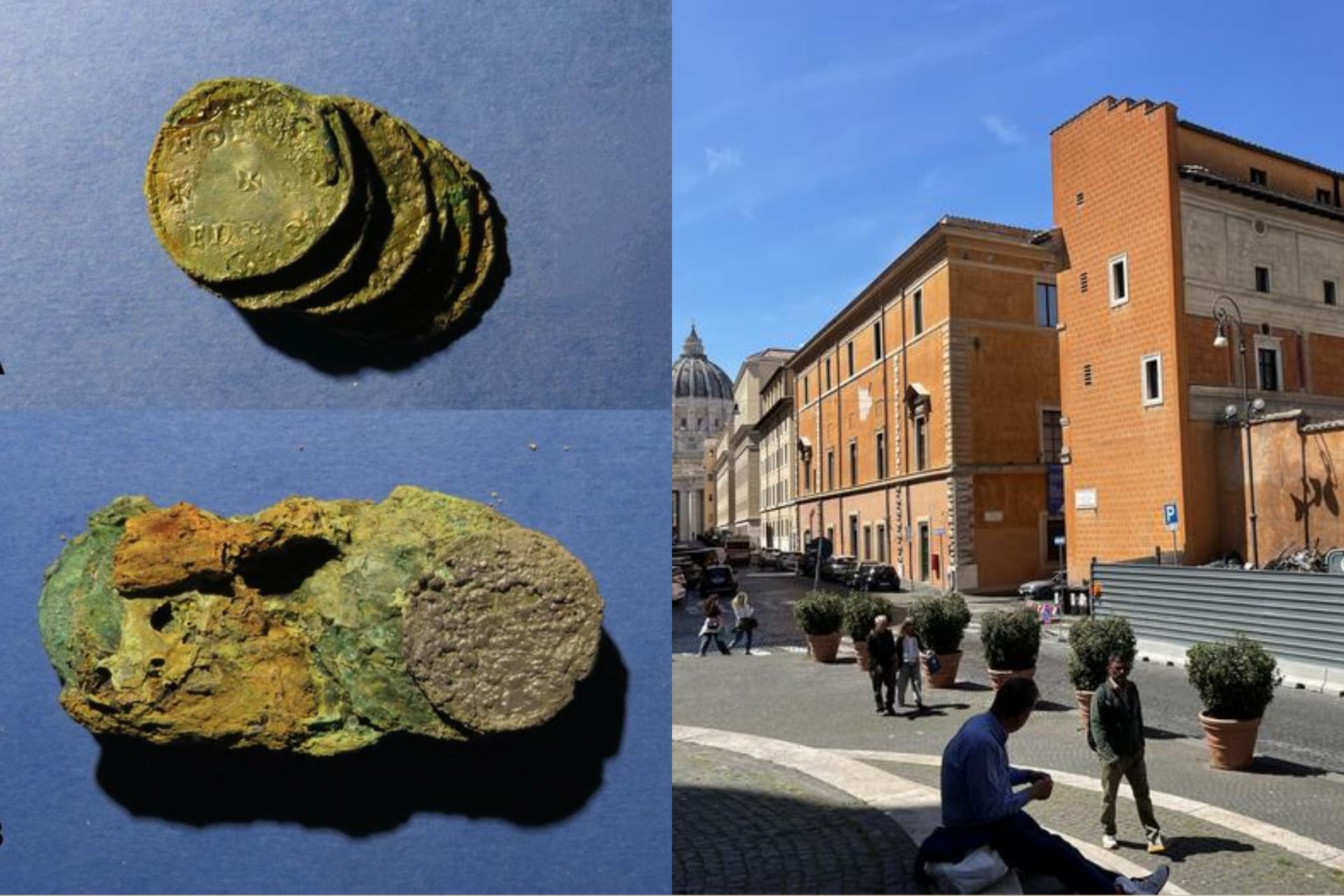
The coins came to light beneath the walled garden of a building near the Vatican called Palazzo della Rovere, the same place where in 2023 archaeologists discovered the remains of ancient Roman Emperor Nero’s theater. This time a team found 19 silver Anglo-Saxon pennies and one Anglo-Saxon halfpenny minted across approximately four decades in the names of Edward the Elder (899–924, Alfred the Great’s son) and Edward’s grandsons Æthelstan (924–939) and Eadred (946–955).
Fourteen of the coins were found in two clusters and in trash pits, and the other six were scattered in the vicinity. Naismith and Tinti determined that the coins came from East Anglia, Kent, London, and the West Midlands.
“The coins aren’t pretty but they have a lot to say,” said Rory Naismith, professor of Early Medieval English History at the University of Cambridge and another co-author of the chapter. “More Anglo-Saxon coins from this period have now been found in Rome than papal coins. This sounds bizarre, but it’s telling us that a very large amount of money was flowing in from England at this time.”
A scattering of money
The recently discovered coins’ physical distribution point to trade, according to Naismith and Tinti. They were found individually or in small clusters and scattered, not in a deliberate hoard. Because the team didn’t find evidence of silver bullion being melted down, the coins must not have originally been destined to be turned into local currency. They were probably lost by craftspeople and shoppers.
According to medieval texts, there was an Anglo-Saxon neighborhood in the area starting in the second half of the eighth century. At the time this would have been on the margins of the city, but it had access to nearby bridges over the Tiber River. Today the embankment road between the Tiber and the Vatican is called the Lungotevere in Sassia after Schola Saxonum. There is also the similarly inspired Santo Spirito in Sassia hospital.
In addition to the Anglo-Saxon coins, the team also found evidence of leather, bone, and metal craftwork. Together these findings demonstrate that Schola Saxonum was a lively craft and trade center.
“The Anglo-Saxons are there to visit the Pope and tour churches in Rome, but they’ve still got to feed themselves. So they’ve got to make things and trade. That’s what these finds tell us,” Naismith explained. “This was a fairly big community, probably hundreds of people, living there on a permanent basis. So they’re keeping a miniature Anglo-Saxon town going.”
Special treatment
Evidence of English coins being used in trade in Rome challenges enduring assumptions that foreign currency in the city was forbidden by the papacy. Still, texts from Rome in this period typically only mention papal coinage, and there are records of foreigners working to secure travel money. The coins indicate that the English were an exception. What’s more, archaeologists also discovered a papal coin, indicating that the two currencies were used in the same spaces.
“The English in Rome were quite unique. They made the greatest effort to get there. Their journey was really dangerous and many people died on the way. But once in Rome, they were special,” said Tinti. “We knew they had the privilege of being able to bury their dead in this area and now, it seems, they were permitted to use their own currency.”
The use of their currency in close proximity to the Pope would have been very prestigious for Anglo-Saxon kings, according to the researchers. More broadly, the coins demonstrate just how significant the connection between Anglo-Saxons and the Papacy was.