During the height of the Maya civilization, two lakes in Mexico had staggeringly high mercury levels.
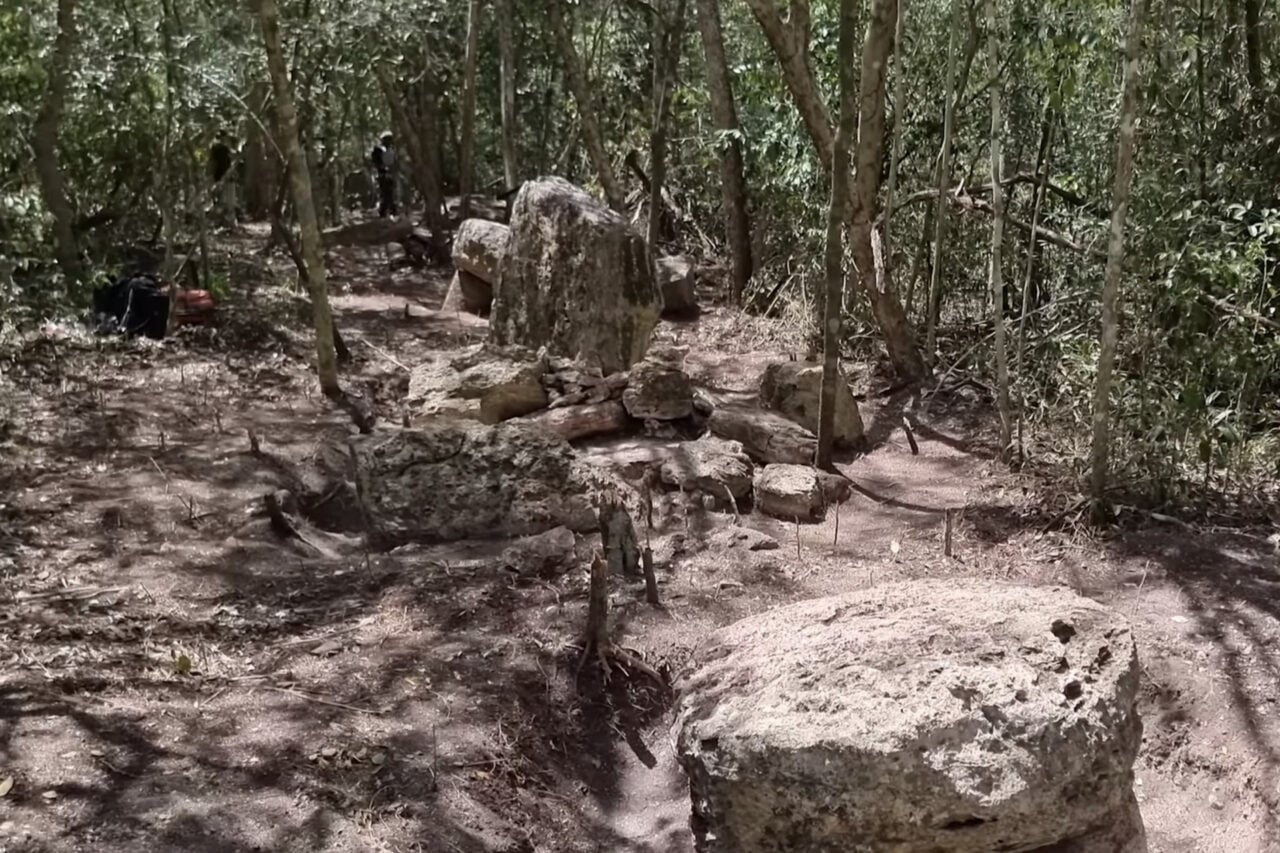
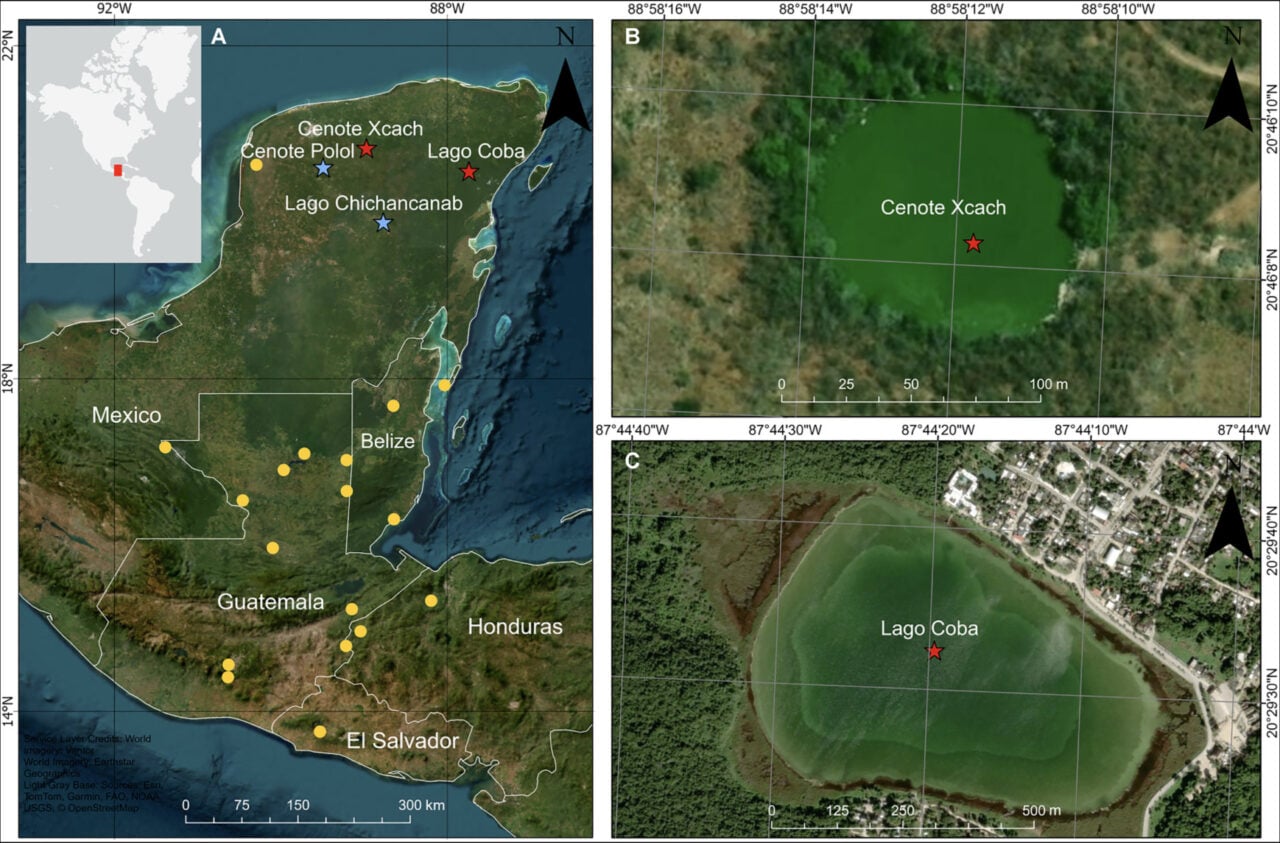
In a study published earlier this month in the journal Science Advances, researchers extracted sediment cores from Cenote Xcach and Lago Coba, two lakes in the Mexican part of the Yucatan. What they found was so surprising that at first they thought they’d made a mistake—for centuries during the Maya Classic period (250 CE to 900 CE), the mercury levels in both lakes were significantly higher than modern mercury toxicity thresholds. The team, which is mostly made up of non-archaeologists, hopes their results will provide new insight into Ancient Maya archaeology.
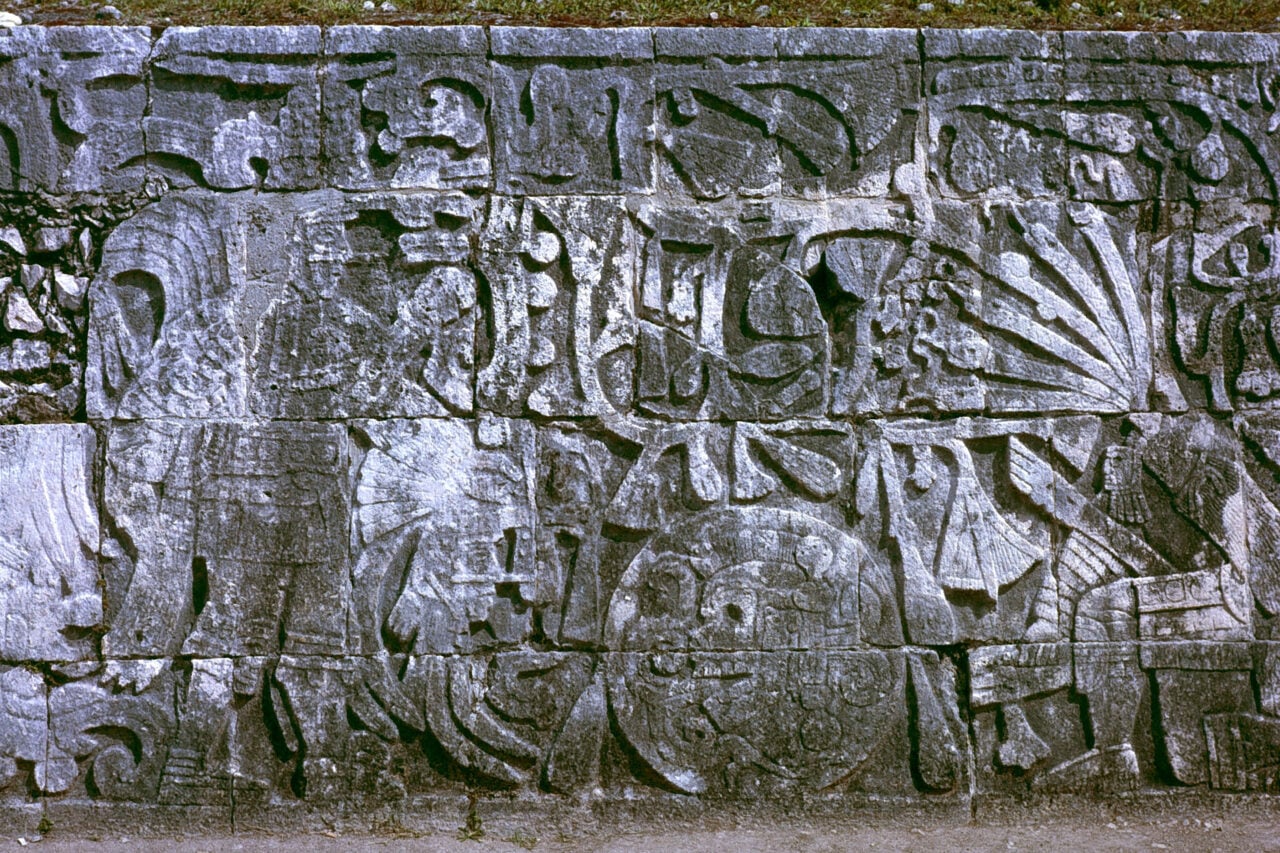
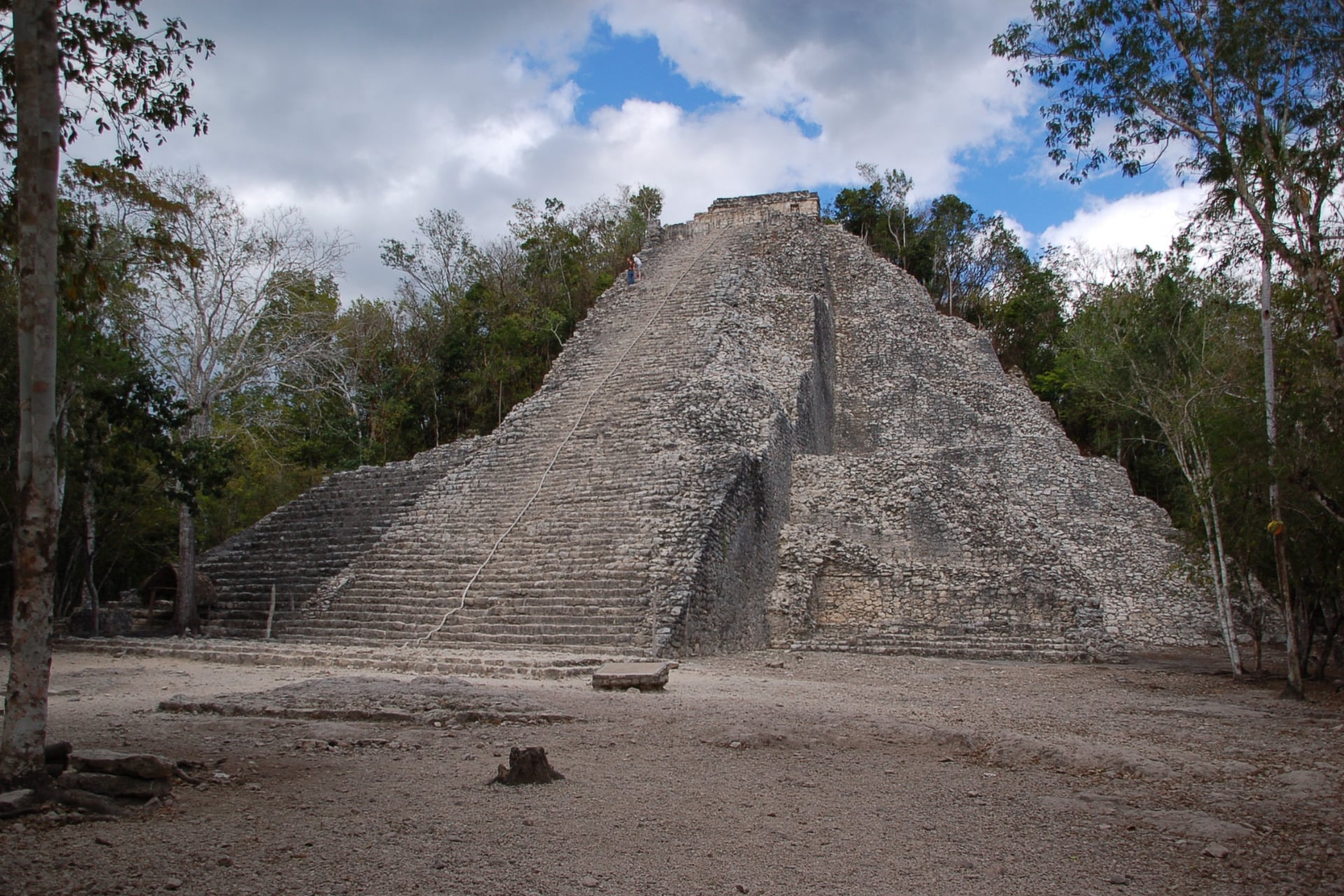
Today, Maya are an Indigenous people of Mesoamerica who descend from the ancient Maya, one of the most advanced civilizations of the Americas. The ancient Maya thrived in Mesoamerica from approximately 1000 BCE to 1500 CE and built monumental architecture, including the famous Chichen Itza Pyramid. The fact that they used mercury is nothing new, study co-author Matthew Waters, a paleolimnologist at Auburn University who studies ancient toxic algal blooms, told Gizmodo. But it hadn’t been documented as much in the Yucatan Peninsula.
In fact, mercury “was not even on our radar to look for,” he said. But paleolimnologists study the history of lakes, “so I go back in time, and when you go back in time, anything can happen. So a lot of times what we do is we just measure everything we can think of to measure,” he added, and “the mercury levels for these two sediment cores came back just higher than anything we could find.” The team pulled cores from four lakes in total but only found mercury in Cenote Xcach and Lago Coba.
In terms of modern toxicology, the mercury levels they measured were up to six times higher than modern sediment quality guidelines’ most severe category. Waters and his colleagues then investigated the impact that such a contamination may have had on the lakes’ ecology. In those same cores, they found evidence of organisms such as algae, bacteria, cyanobacteria, and snails disappearing around the same time as the occurrence of toxic mercury levels.
“So we have two lakes, two levels of mercury that modern toxicology would find astronomical, two levels of bottom-of-the-food-chain being damaged, [and] both lakes showing the next highest level being damaged,” Waters summarized. “We quantified it, compared it to modern guidelines,” and found the mercury in the food chain, he added. “That’s what was unique about our study.”
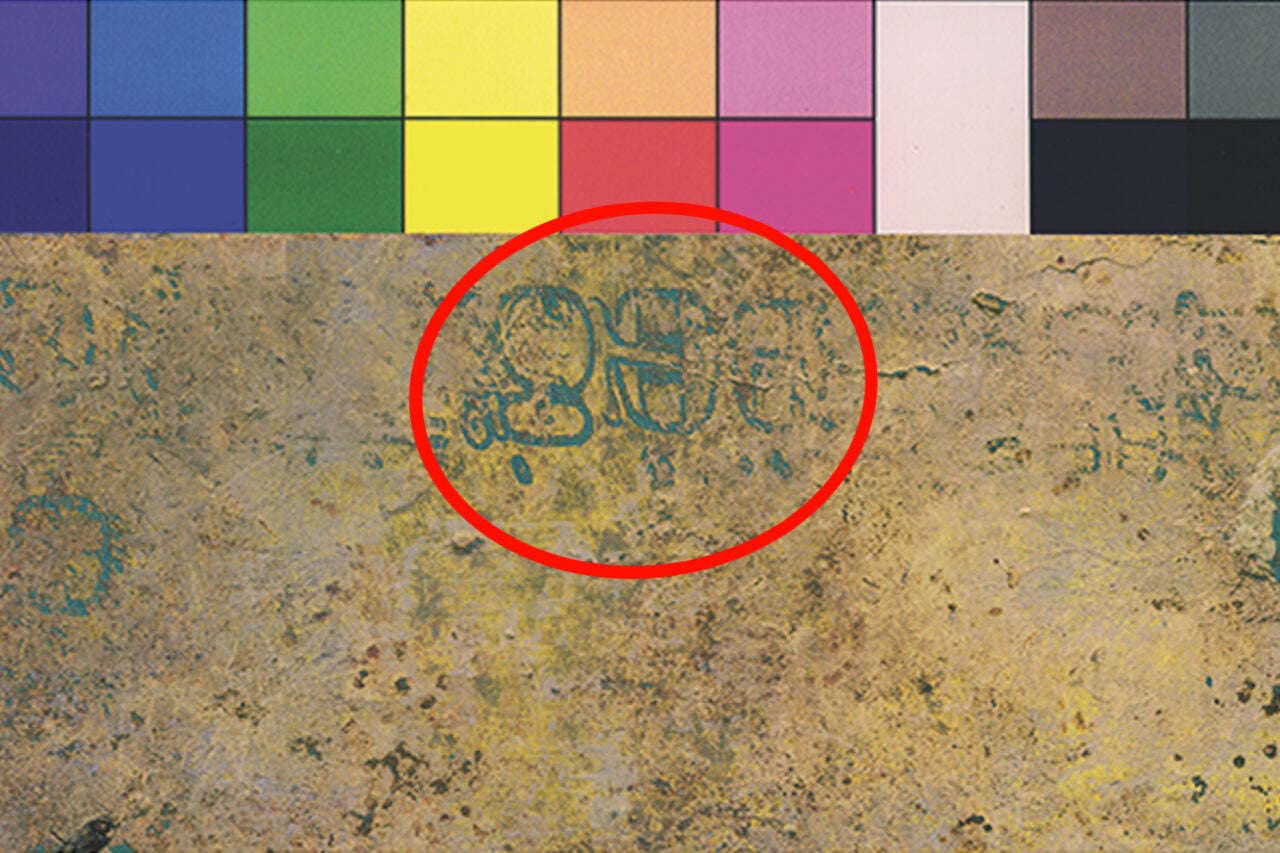
The ancient Maya used mercury in their paint and were certainly behind this ancient pollution, according to Waters. Interestingly, he and his colleagues also found that there is no mercury in the geology of the Yucatan Peninsula, which means there must have been a trade system for it. Ultimately, the ancient Maya in the area during the Classic period would have witnessed an aquatic ecosystem collapse and presumably been exposed to mercury contamination by drinking the lake water and eating its fish and shellfish. These communities may have endured chronic toxic mercury exposure for up to centuries.
Mercury is a neurological toxin and damages reproductive systems. And while it remains to be seen how archaeologists contextualize the contamination within Maya archaeology, Waters said he has spent more time wondering how the ancient Maya would have experienced their declining environment.
“These very intelligent, very recalcitrant, successful society people who were clearly curious, would have witnessed just an ecological catastrophe,” he said. “When modern societies have environmental catastrophes, we freak out. I mean, we just go nuts, and we understand what’s going on,” he pointed out. “So, I’ve been thinking more, like, how did they process this in light of all that they knew?”