For thousands of years, the Maya civilization exerted its influence over Mesoamerica—so much so that, to this day, lost Maya cities keep turning up in unexpected places. And the latest such discovery might be among the most well-preserved sites yet.
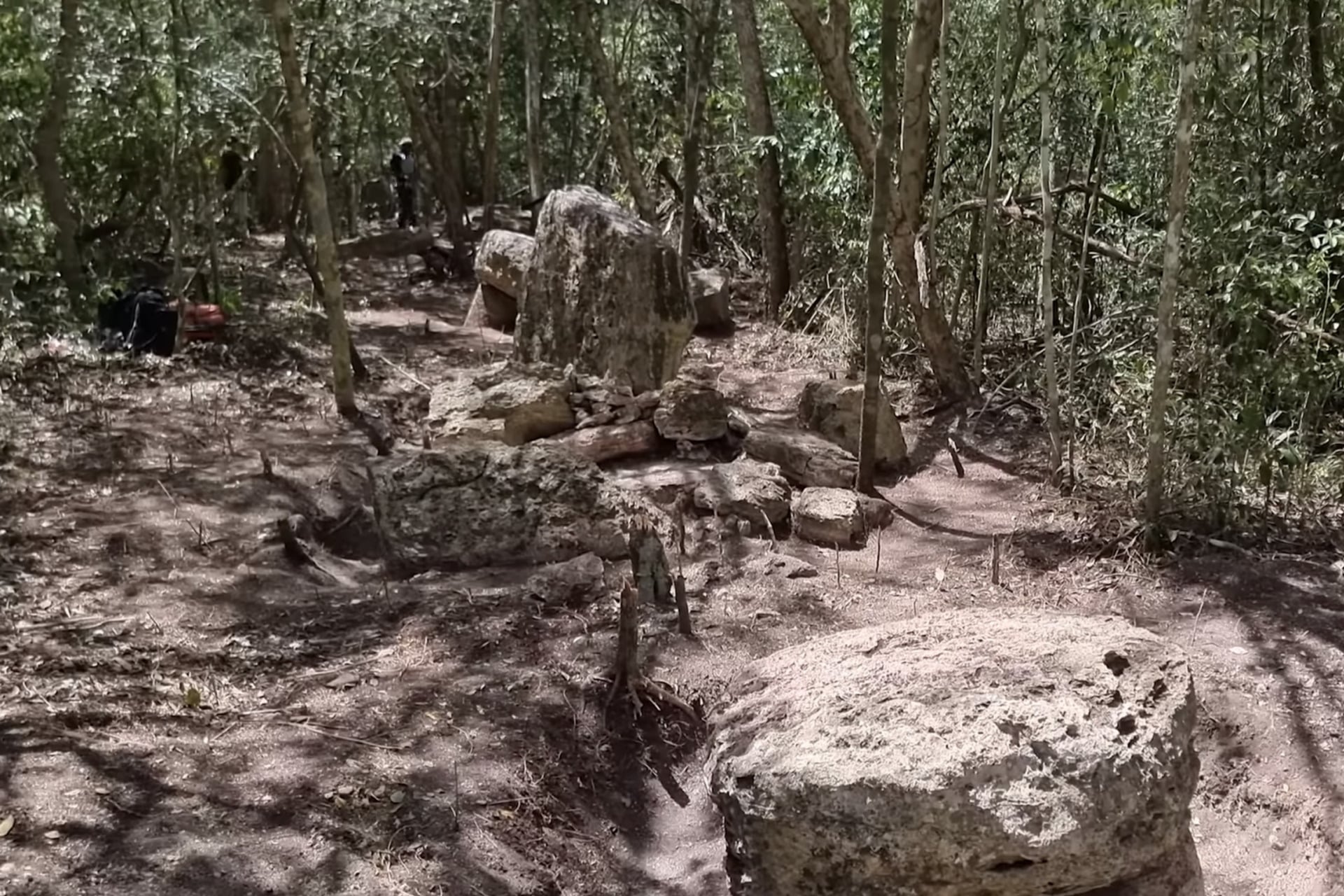
In a recent statement, Mexico’s National Institute of Anthropology and History (INAH) reported the discovery of a lost Maya city hidden deep within the Calakmul Biosphere Reserve in southern Mexico. Archaeologists behind the findings named the place “Minanbé,” which means “there is no path” in Yucatec Maya. Indeed, the team had to hack through thick vegetation to reach the site, and its remoteness kept it surprisingly intact and safe from looters.
“Compared to other places where we did surface surveys, access here was much more difficult,” Ivan Šprajc, an archaeologist at the Institute of Anthropological and Spatial Studies in Slovenia, said in the statement (translated via Google Translate). “However, in the last three years, this is the first one we’ve found intact, with no signs of looting. It was a discovery, a great surprise for us.”
Above and down under
The discovery comes from an older initiative backed by the INAH. Years before, archaeologists with the project conducted overhead LiDAR surveys of selected portions of the Yucatán Peninsula, according to an INAH video on the findings. Then, the team visited regions with promising signatures between 2023 and 2024, but to no avail.
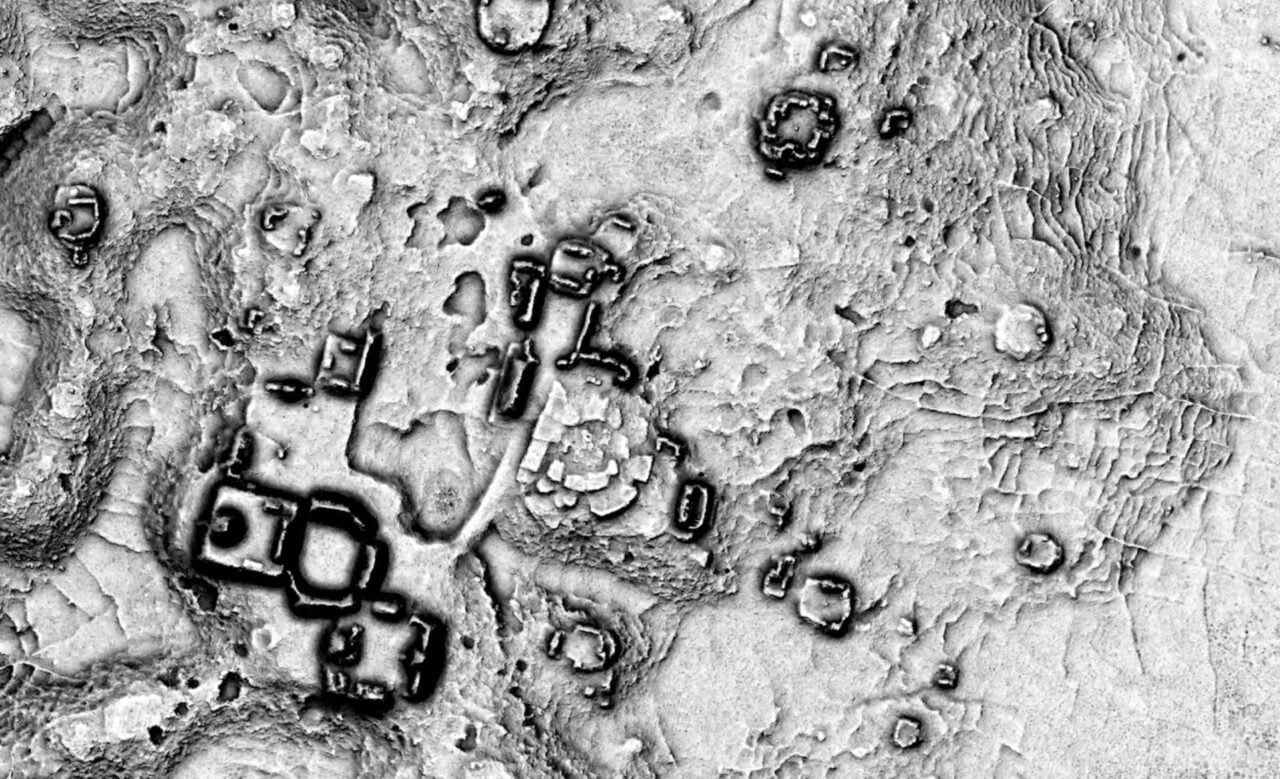
The area hiding Minanbé was the final candidate up for exploration. Thankfully, this time, the team struck gold—but not before they had to clear up roughly 3 miles (5 kilometers) worth of thick jungle growth, then walk up another 3.7 miles (6 kilometers) to reach the site itself.
A hidden jungle city
The intense hike revealed a 37-acre settlement consisting of an urban center, different kinds of buildings, terraces, hydraulic channels, and more. Of particular interest was a pyramidal temple about nearly 43 feet (13 meters) tall, built in the Río Bec style of the Classic Maya era between 600 and 900 CE. The team found 14 stelae and altars at the site.
After an intense imaging session, the team sent around 500 photos back to the team’s epigraphist, who created and analyzed 3D replicas of the artifacts. From the analysis, the researchers were able to identify some key design and engraving elements hinting at the history of the long-faded city. For example, one stela depicted a figure holding a knife or axe to decapitate an individual, as well as calendrical signs.
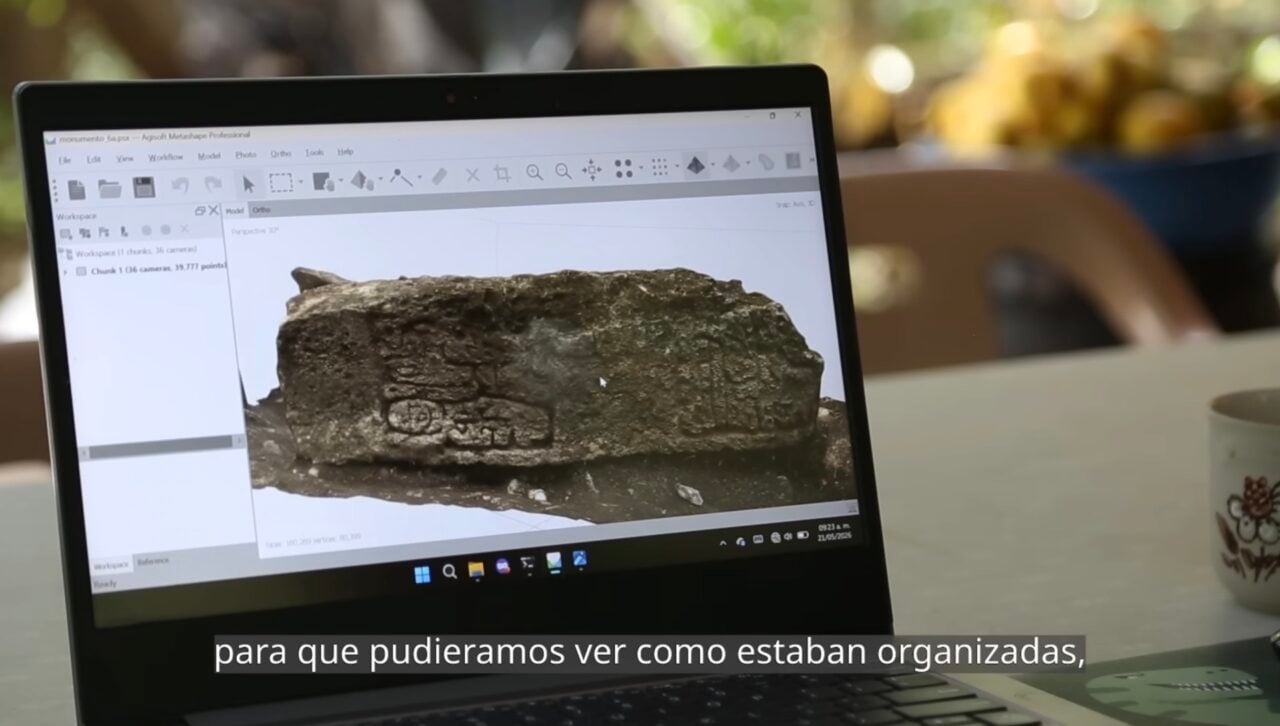
“This is an important clue because we can assume that the entire group of monuments, or some of them, were erected during that period of the Terminal Classic, close to the abandonment of the sites in the region, which occurred in the 10th century AD,” explained Octavio Esparza Olguín, the epigraphist in charge of the analysis.
Other hieroglyphic texts contain engravings pointing to a period in the late 7th century, which would make the artifact among the oldest known in the area. Overall, the findings suggest that the city was part of a complex hierarchy of trade and agriculture during the Late Classic Period of the Maya civilization.