If you weren’t already charmed by catfish, here’s another reason you should be.
The revived organisms resumed their biological activities as if they hadn't been without oxygen and light for thousands of years.
Ancient sponges and corals were found on the exposed seafloor, in an area previously inaccessible to humans.
Within this decade, the Arctic may see days with no floating ice.
Beachgoers in the state have been asked to report any sightings of stranded animals to their local wildlife departments.
The U.S.'s highest court has ruled, counter to science, that it's not important to protect all wetlands from unfettered pollution.
"Residents have been exposed to raw sewage in their neighborhoods, their yards, their playgrounds, their schools and even inside their own homes."
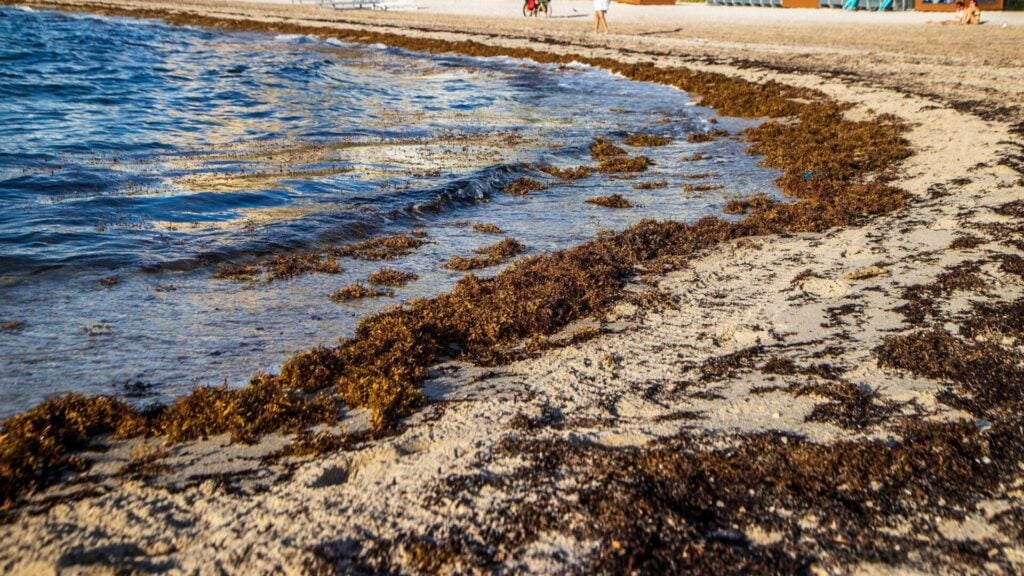
Sargassum algae is having an early, potentially record-breaking bloom in the tropical Atlantic this year. It's a problem for tourism and coastal ecosystems.
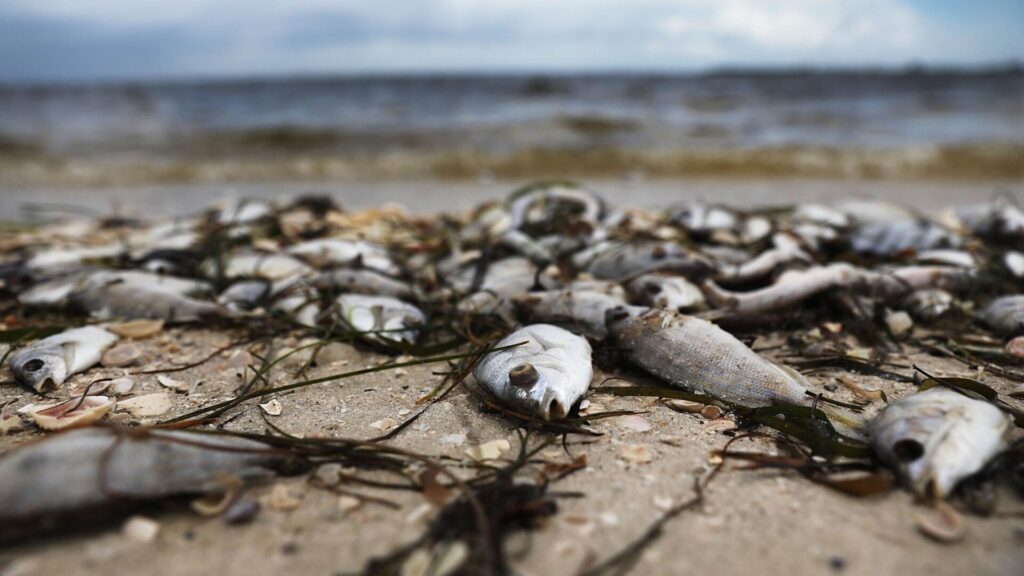
Along more than 140 miles of Florida's west coast, humans and marine life are suffering from a toxic algae bloom.
The most-commonly used blood sensing pulse oximeters routinely fail at accurately registering blood oxygen levels for people with Black and brown skin.
Bad things happen when nature decides to fight back.
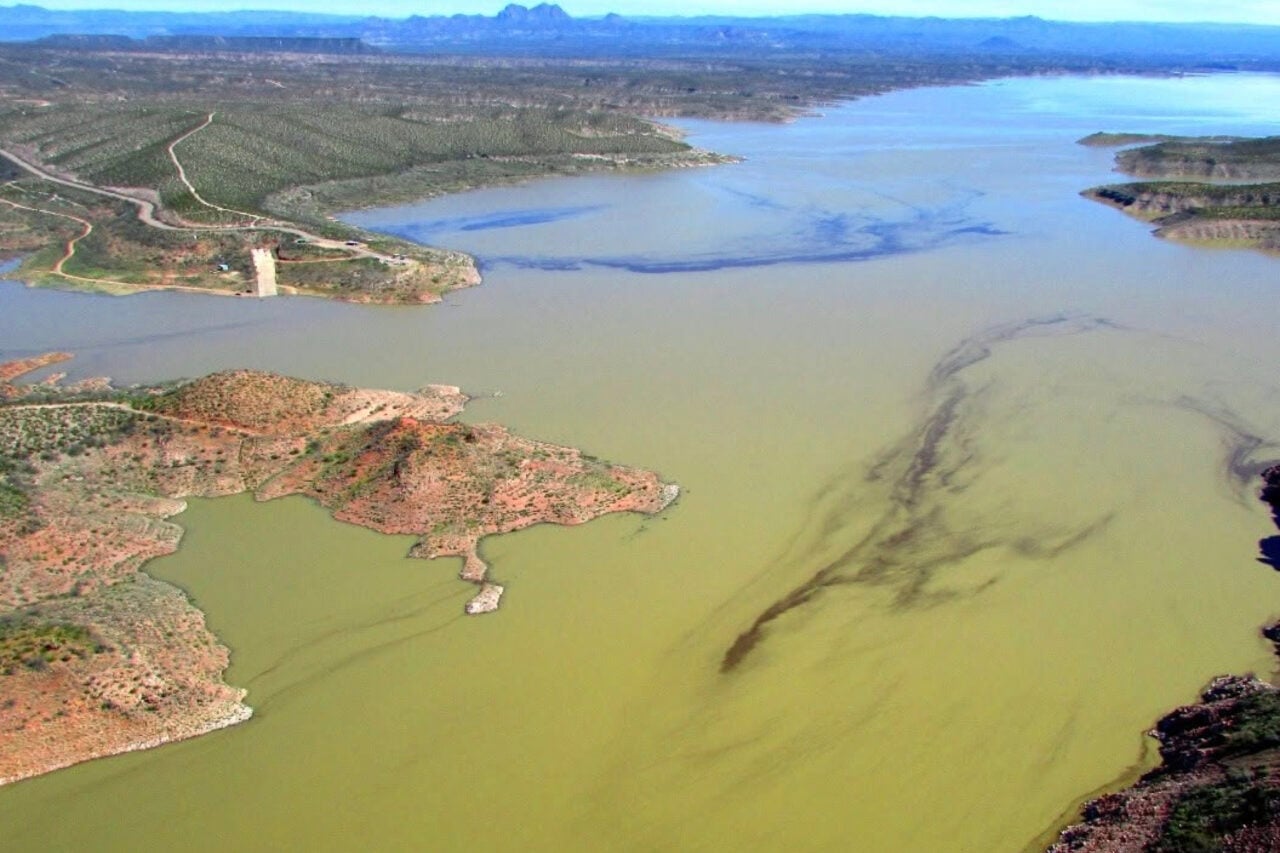
Nearly half the country’s waters could see an increase in toxic agricultural runoff, a study finds.
The blood-like speckles in the snow are created by algae, which can fuel snowmelt.
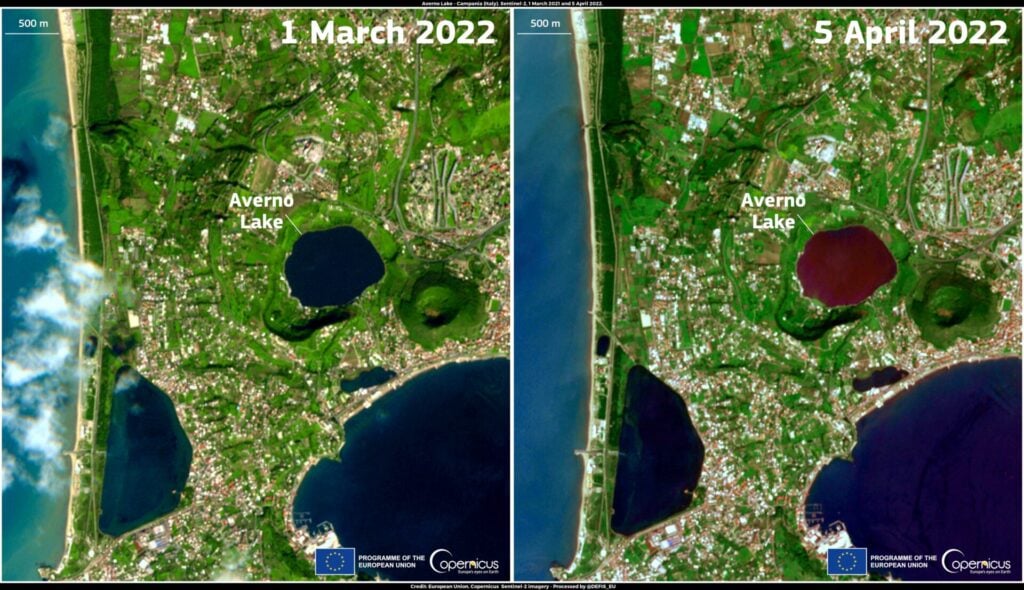
Lago d'Averno has transformed in just month. Scientists say an algal bloom is to blame.
The connection between sea ice and climate isn't understood, but the new record low has scientists alarmed.
A new study reveals just how important deep sea plankton are for removing carbon from the atmosphere.
The National Academy of Sciences released a major report chronicling six techniques to turn the oceans into carbon dioxide vacuums.
Scientists say they've figured out the origin story of a beautiful mangrove forest more than 100 miles away from the coastline in Mexico.
The forest is far from where it’s supposed to be, but that hasn’t stopped it from making a happy home in the Yucatán.
As sea ice retreats in the Arctic, it's leaving more open ocean. That's having unexpected and strange impacts on the region's cloud cover.