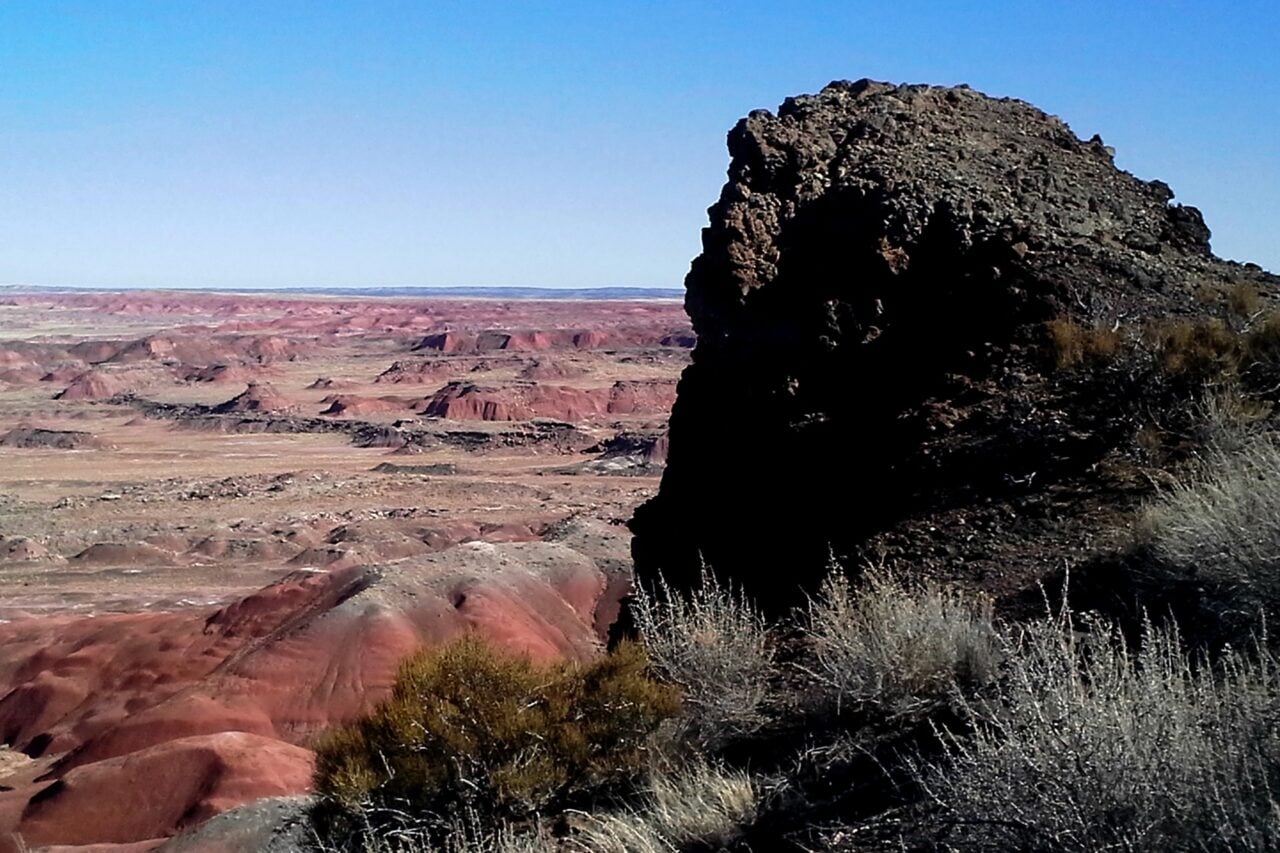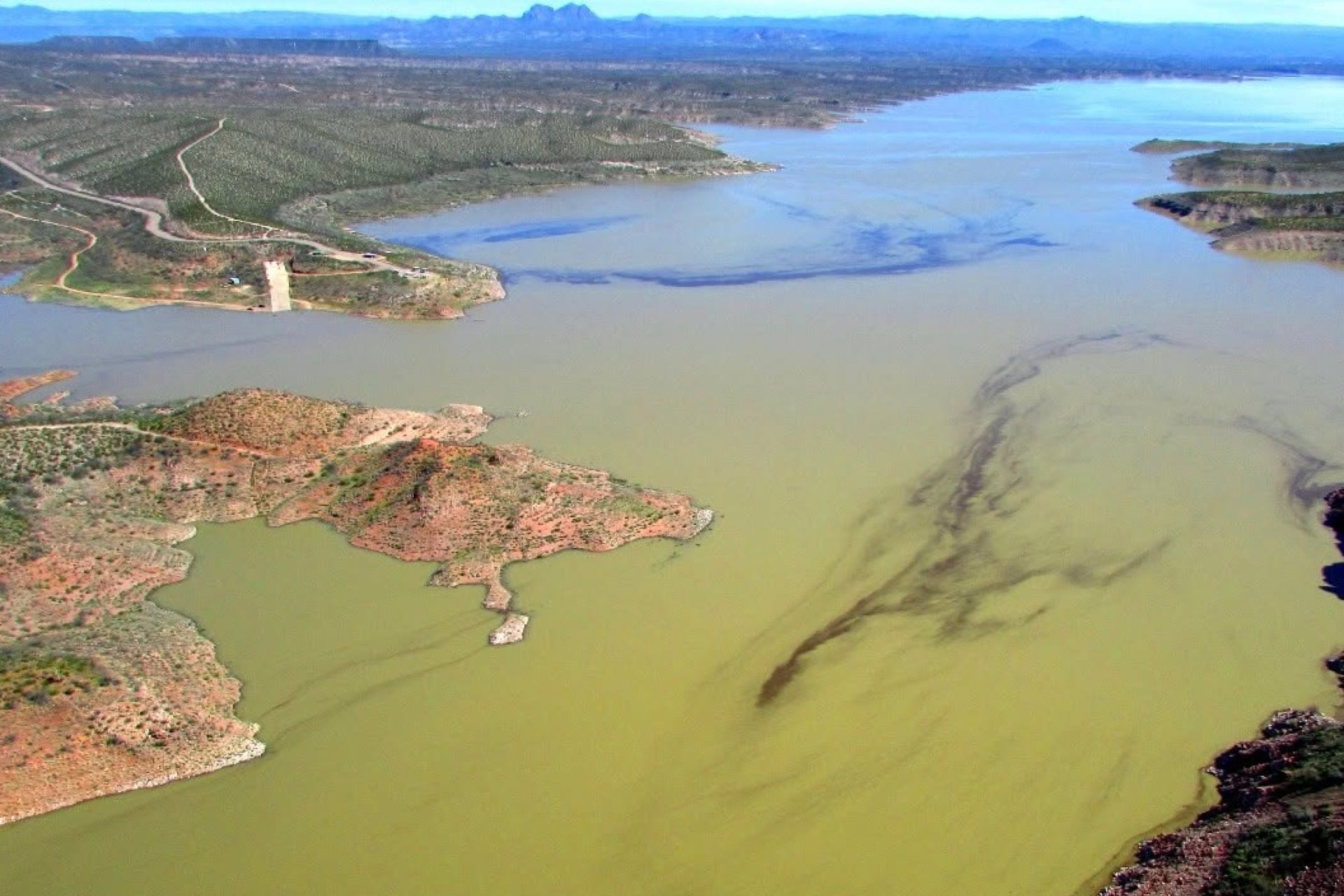
The local authorities who manage San Carlos Lake call it a “fisherman’s paradise.” Boasting 158 miles (254 kilometers) of shoreline, this stocked fishing spot was created by the construction of the Coolidge Dam along the Gila River in 1930. It’s one jewel in a public recreation complex that The New York Times once described as Arizona’s “man-made water wonderland.”
But, for now, those days are gone. The San Carlos Recreation and Wildlife Department issued a warning Friday that the lake (really more of a reservoir) would be closed “until further notice” due to the mass die-off of essentially the entire body of water’s fish population.
“Recent drought conditions, combined with water releases from the dam, have resulted in a major fish kill affecting approximately 100% of the fish population within the lake,” the department announced on Facebook. “Decomposing fish may pose health risks to individuals who enter the area or attempt to fish.”
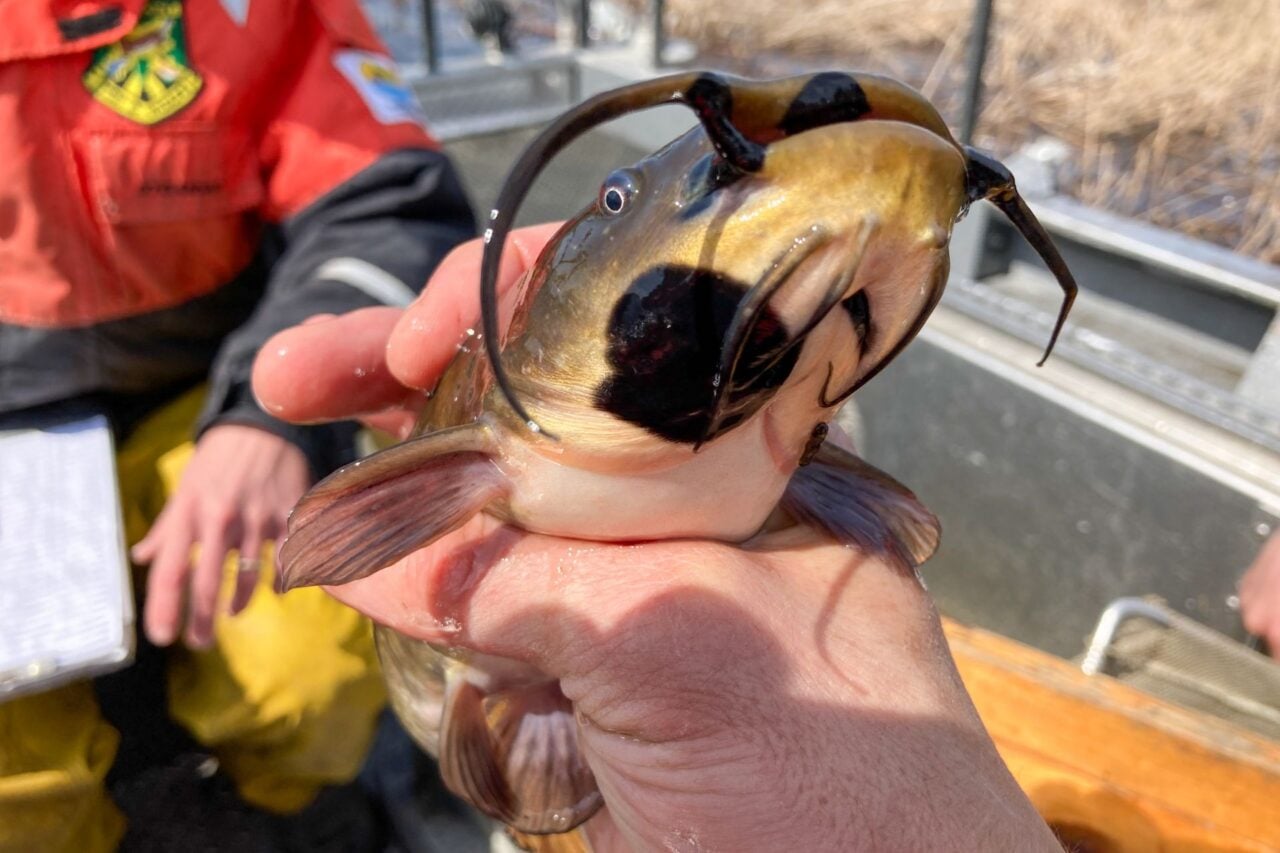
As you can imagine, local TV news is on the case. Reporters at the Fox affiliate in Phoenix, a two-and-a-half-hour drive west, posted images of San Carlos Lake’s macabre shoreline strewn with decaying largemouth bass, flathead catfish, and black crappie.
But, as Gila-area independent reporter Jon Johnson of the Gila Herald pointed out, this kind of apocalyptically tinged ecological collapse is “a recurring scar for San Carlos Lake,” which was not built to be an aquatic habitat.
A dry place
San Carlos Lake’s primary purpose since the Coolidge Dam was first proposed has been to irrigate local agricultural land in the desert southwest. It’s been full only three times in its near century of existence, but it has drained down to dead-pool levels at least 20 times since 1930, with predictable “fish kill” events occurring in their wake.
Over the years, Arizona’s billion-dollar, 336-mile (541-km) irrigation network, the Central Arizona Project (CAP), has been used to siphon water from the Colorado River to relieve the lake of irrigation duties and help it retain its stocked and self-sustaining fish populations.
The problem is not new. According to a University of Arizona Water Resources Research Center publication in 1999, “water level of the lake is sufficiently low that reservoir releases to serve the San Carlos Irrigation and Drainage District (SCIDD) and the Gila River Indian Community (GRIC) threaten the fish population.”
Suffocation and poisoning
Arizona’s Game and Fish Commission has been exploring the causes of fish kills in its state for years. It’s a complex issue with several common, sometimes overlapping factors.
For one thing, a lake can be simply overstocked, leading to drought scenarios where a shrinking body of water leaves big fish packed like sardines literally sucking up all the oxygen. The same local agribusiness economy that San Carlos Lake was intended to support, however, has also played a role, according to a 2022 report by the commission: “Fertilizer runoff increases nutrients in water bodies, leading to algal blooms which can lower dissolved oxygen levels, causing stress, disease, and death of sensitive aquatic species.”
As an aquatic plant species, it’s true that algae also introduce needed oxygen into these waters while performing photosynthesis during the day, but these species can suck that oxygen up during the night. Worse, some species of algae, including a relative newcomer to Arizona known as golden algae, “produce potent toxins leading to extensive fish kills,” according to the commission.
The lake is currently within San Carlos Apache tribal lands and managed by the San Carlos Reservation in coordination with the federal government’s Bureau of Indian Affairs and the bureau’s San Carlos Irrigation Project. (As you can imagine, that relationship has led to some serious legal conflict over how to use this water over the years.)
While no explanation for the cause of this latest fish kill has been made public yet, the San Carlos Recreation and Wildlife Department noted that it plans to “continue to monitor conditions and provide updates as they become available.”