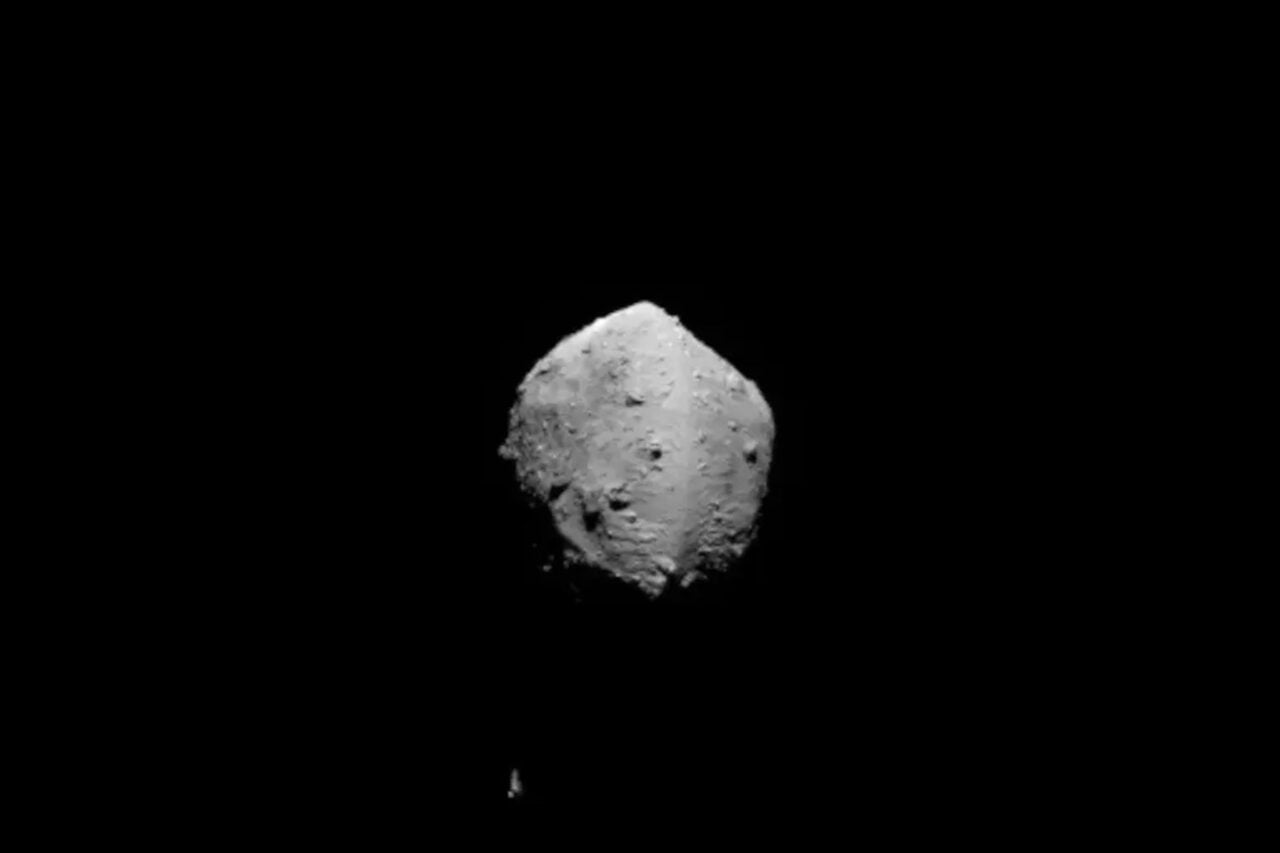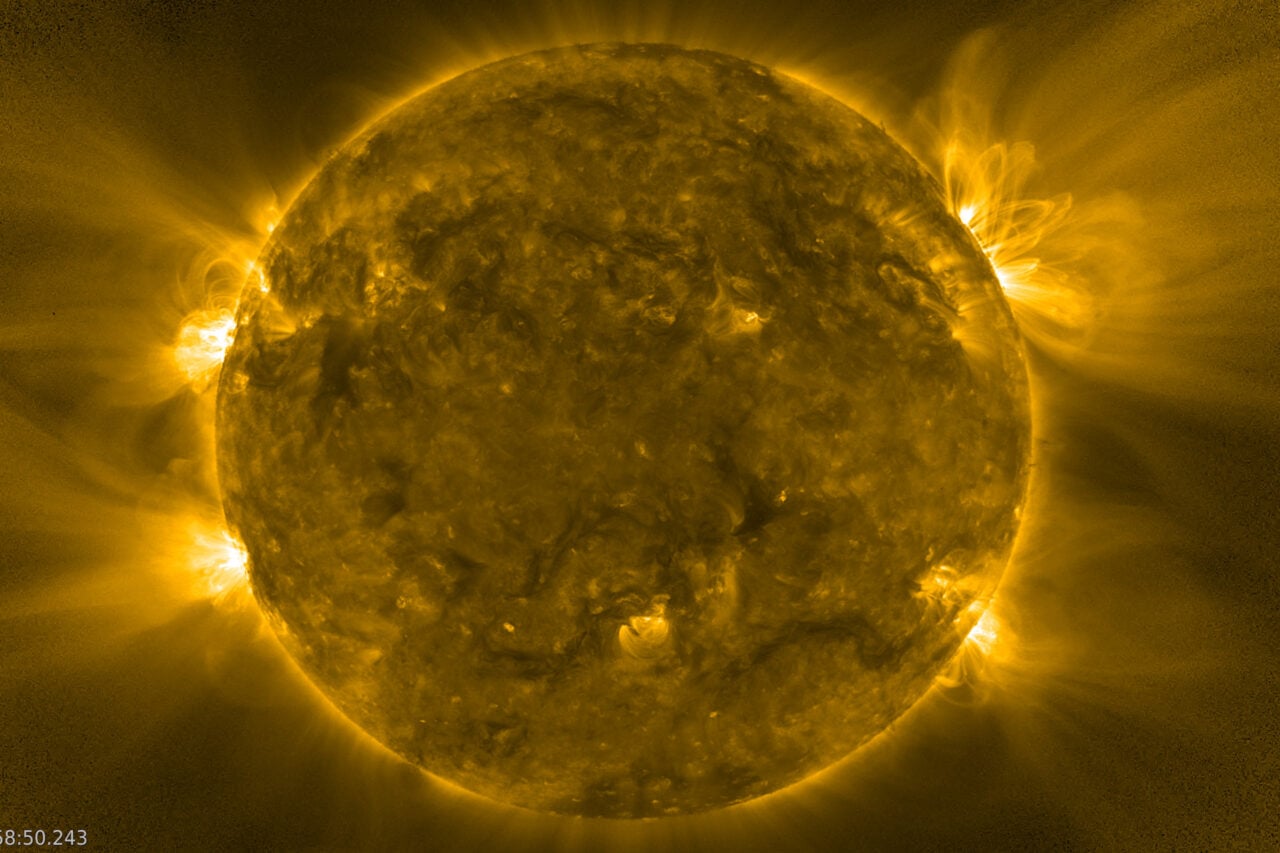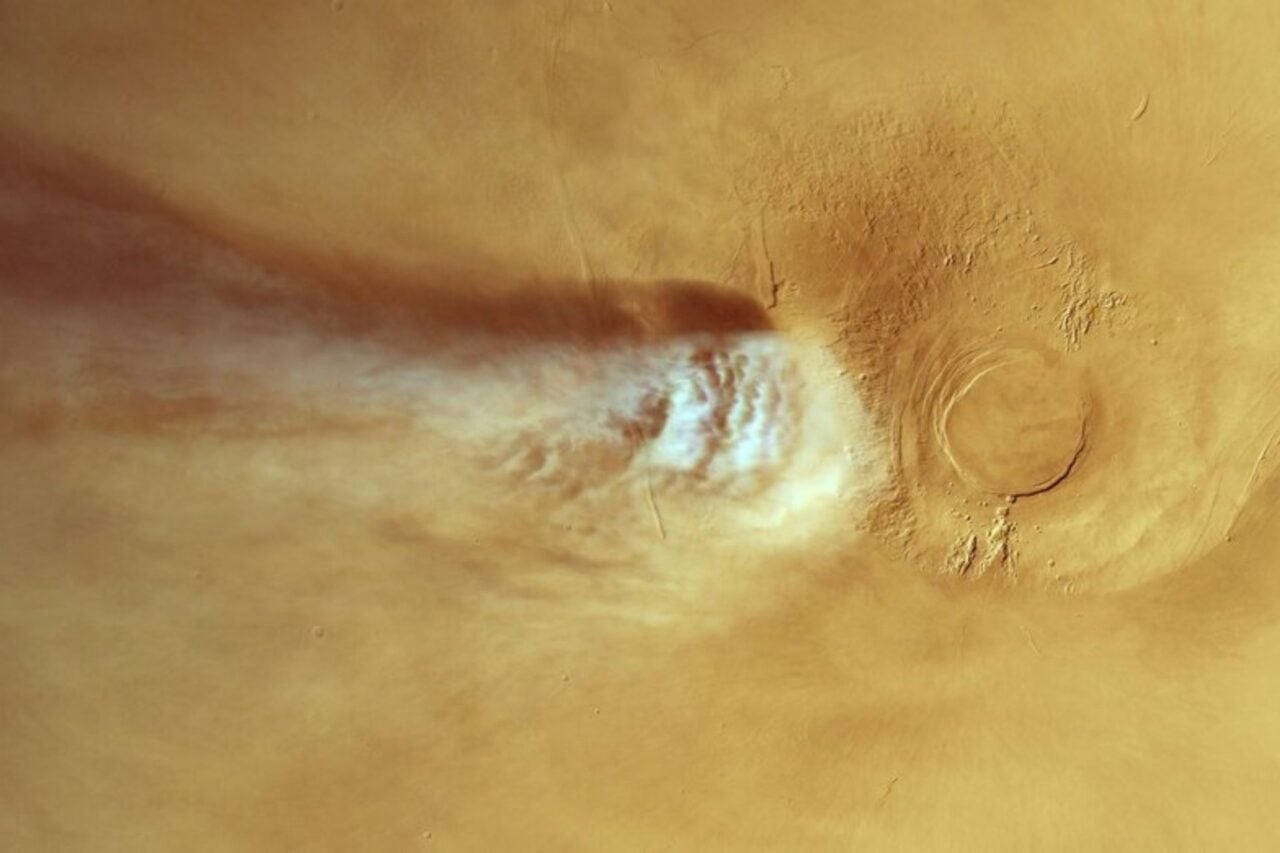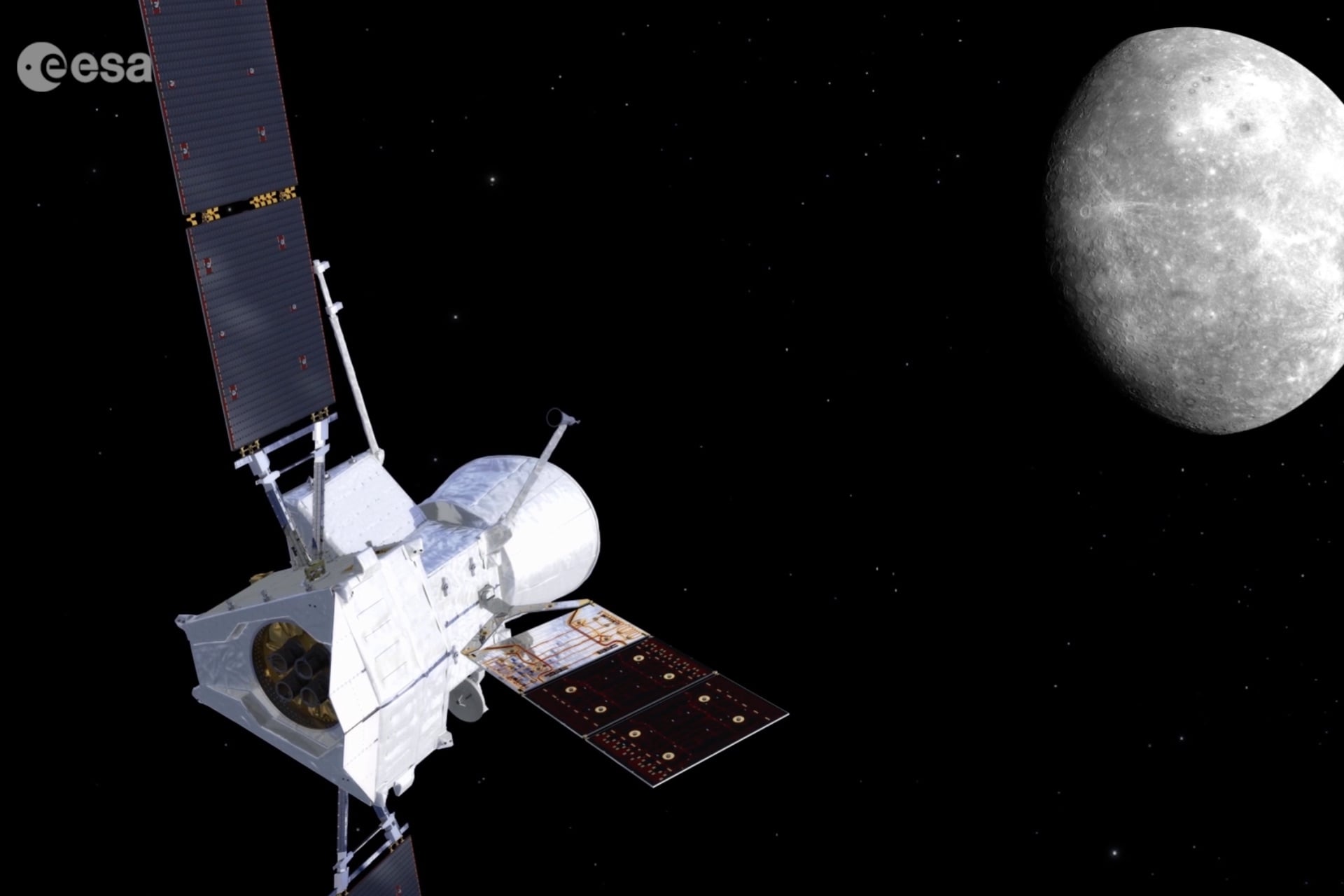
For the past eight years, BepiColombo has been making its way toward the innermost planet of our solar system. On Saturday, the spacecraft finally entered Mercury’s orbit. There was one hiccup, however.
On Sunday, the European Space Agency (ESA)—which developed and launched the mission alongside the Japan Aerospace Exploration Agency (JAXA)—said a software glitch caused BepiColombo’s thrusters to cut off early during the orbital insertion burn. Despite this, the spacecraft still managed to enter Mercury’s orbit.
ESA confirmed that BepiColombo is safe and that teams at the European Space Operations Centre are working to figure out what went wrong. That’s good news, but a premature thruster shutdown could have left the spacecraft in a higher (and more unstable) orbit than planned. What’s more, fixing this issue will be critical to the maneuvers that the next phase of the mission requires.
Yesterday, we confirmed BepiColombo’s successful capture into orbit around Mercury. During the manoeuvre, the thruster burn was shorter than planned due to a software issue. The spacecraft is safe & teams at ESOC are working to understand what happened. Updates provided on…
— BepiColombo (@BepiColombo) November 22, 2026
Upcoming maneuvers in question
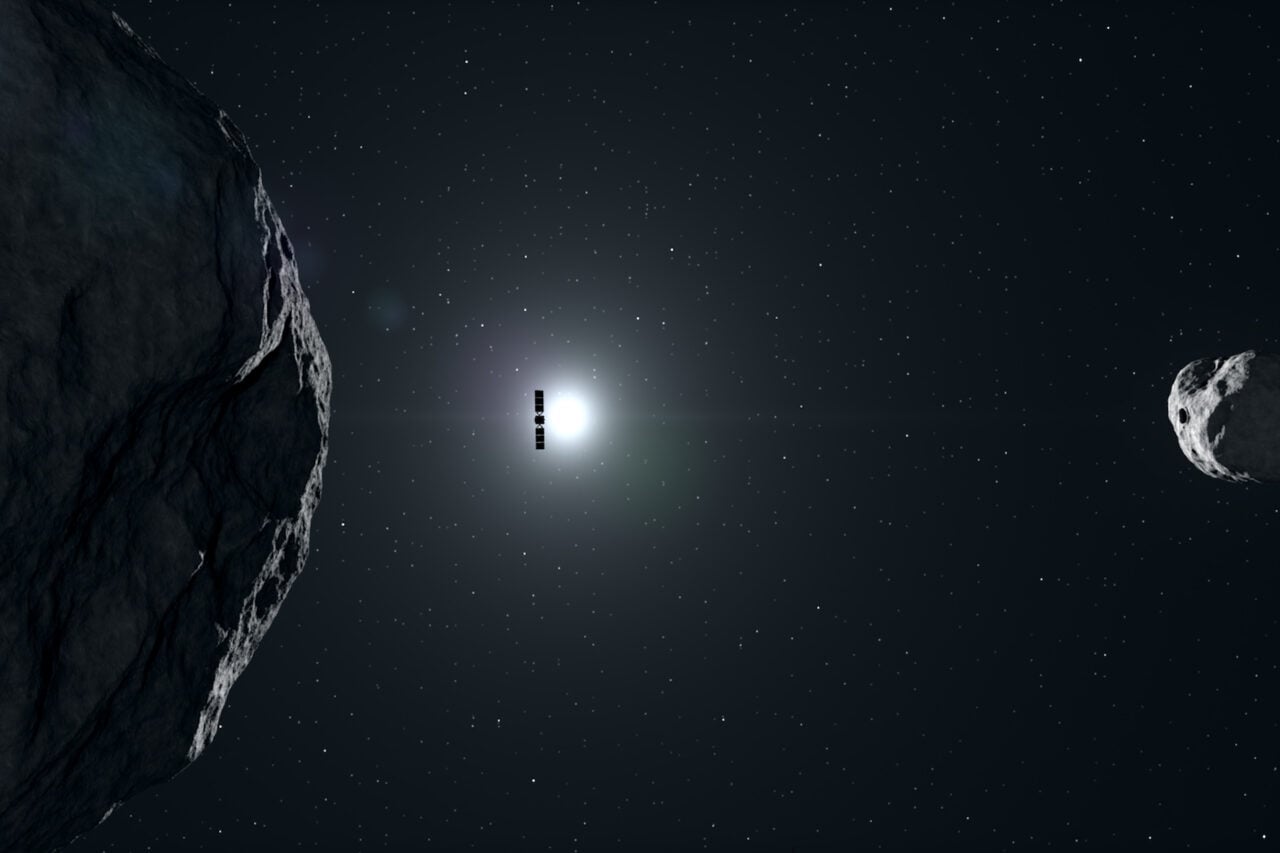
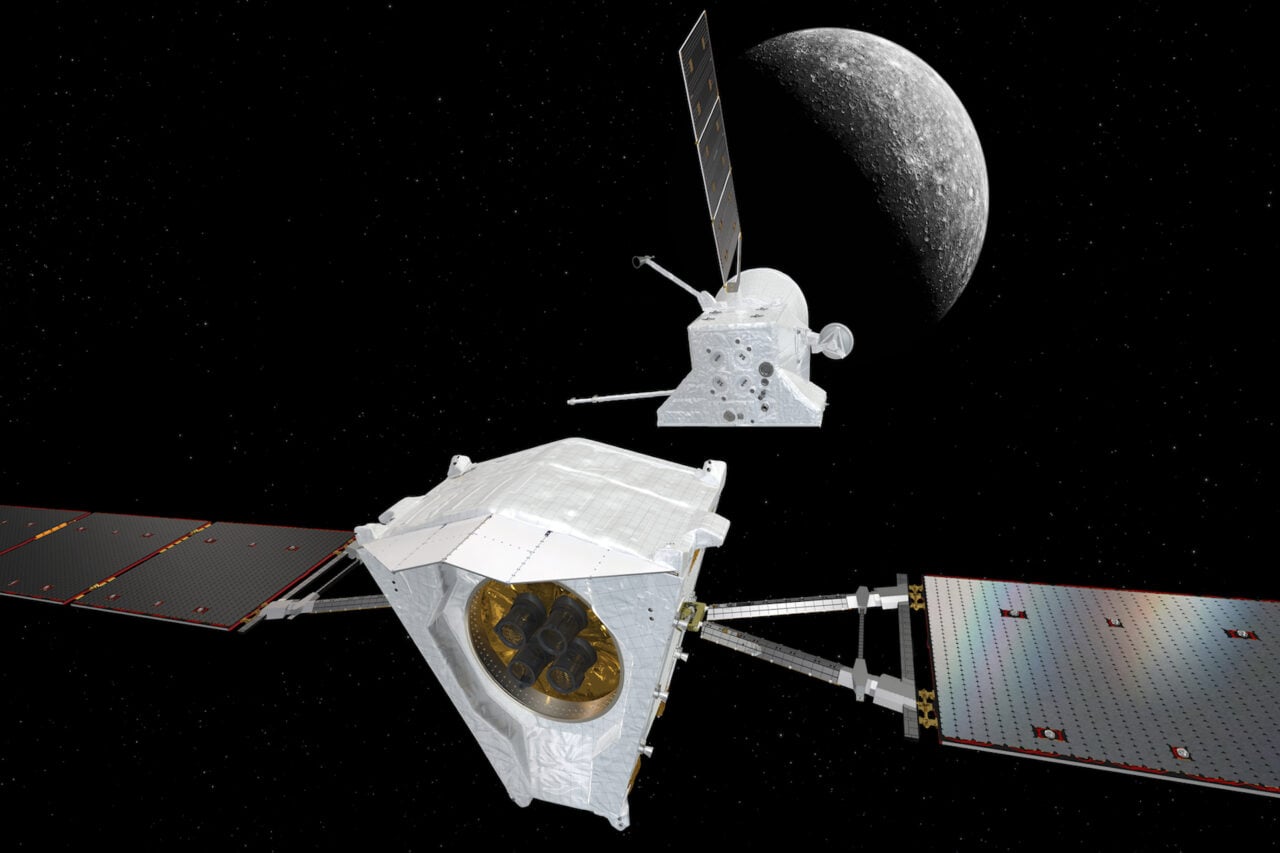
BepiColombo launched in October 2018 on a mission to study Mercury’s surface, interior, and magnetic field. The spacecraft is actually two conjoined twin probes—ESA’s Mercury Planet Orbiter (MPO) and JAXA’s Mercury Magnetosphere Orbiter (Mio)—that were carried to the innermost planet by ESA’s Mercury Transfer Module (MTM).
In early September, MTM separated from the probes and MPO’s thrusters took over steering, kicking off BepiColombo’s Mercury arrival sequence. The conjoined probes’ orbital insertion was the next step in this complex series of maneuvers. Now, the two spacecraft need to separate so they can each enter a distinct orbit around Mercury.
Between December 9 and 10, MPO is supposed to use its thrusters to deliver itself and its twin to Mio’s final elliptical polar orbit around Mercury. Once there, MPO will eject Mio, sending it off to begin its independent science mission. On December 16, MPO will release Mio’s sunshield and use its thrusters to descend to its own orbit. That’s expected to take nearly three months, with MPO entering its final orbit around March 10, 2027.
The recent MPO thruster glitch throws all of this into question. ESA has not said whether the software issue could derail the mission’s schedule, but it will need to be fixed before the BepiColombo probes can separate and begin science operations. If any one of the upcoming maneuvers goes wrong, it could jeopardize the mission’s objectives.
Glitching again
This isn’t the first time BepiColombo has glitched out. In April 2024, the MTM failed to deliver enough electrical power to the module’s thrusters before a scheduled maneuver.
The mission team managed to restore 90% of its thrust by May 7 of that year, but the reduced propulsion still slowed the mission down significantly. BepiColombo was originally supposed to reach Mercury in December 2025.
Hopefully ESA will get to the bottom of this new issue just as quickly. This is only the second mission in history to orbit Mercury, and after decades of development and an eight-year flight, it would be tragic to see BepiColombo fail to deliver on its objectives.
Right now, there’s no reason to believe that will be the case. ESA should share more details about the thruster glitch and how the mission team is planning to address it soon.