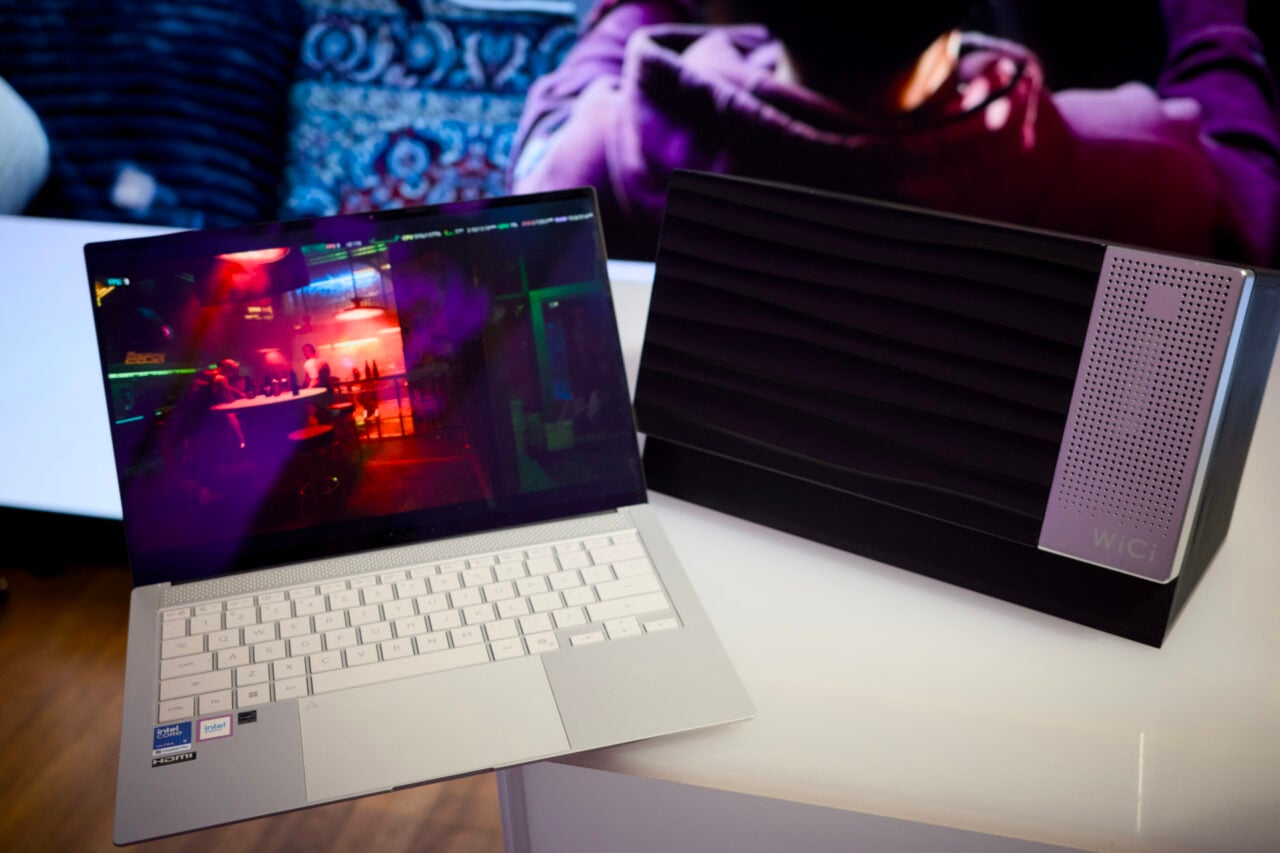
No laptop can escape the plague of spiking RAM prices. In what feels like a watershed moment for notebooks everywhere, Dell’s longtime high-end XPS laptops now cost close to or more than $3,000 if you want the latest and greatest specs and screen.
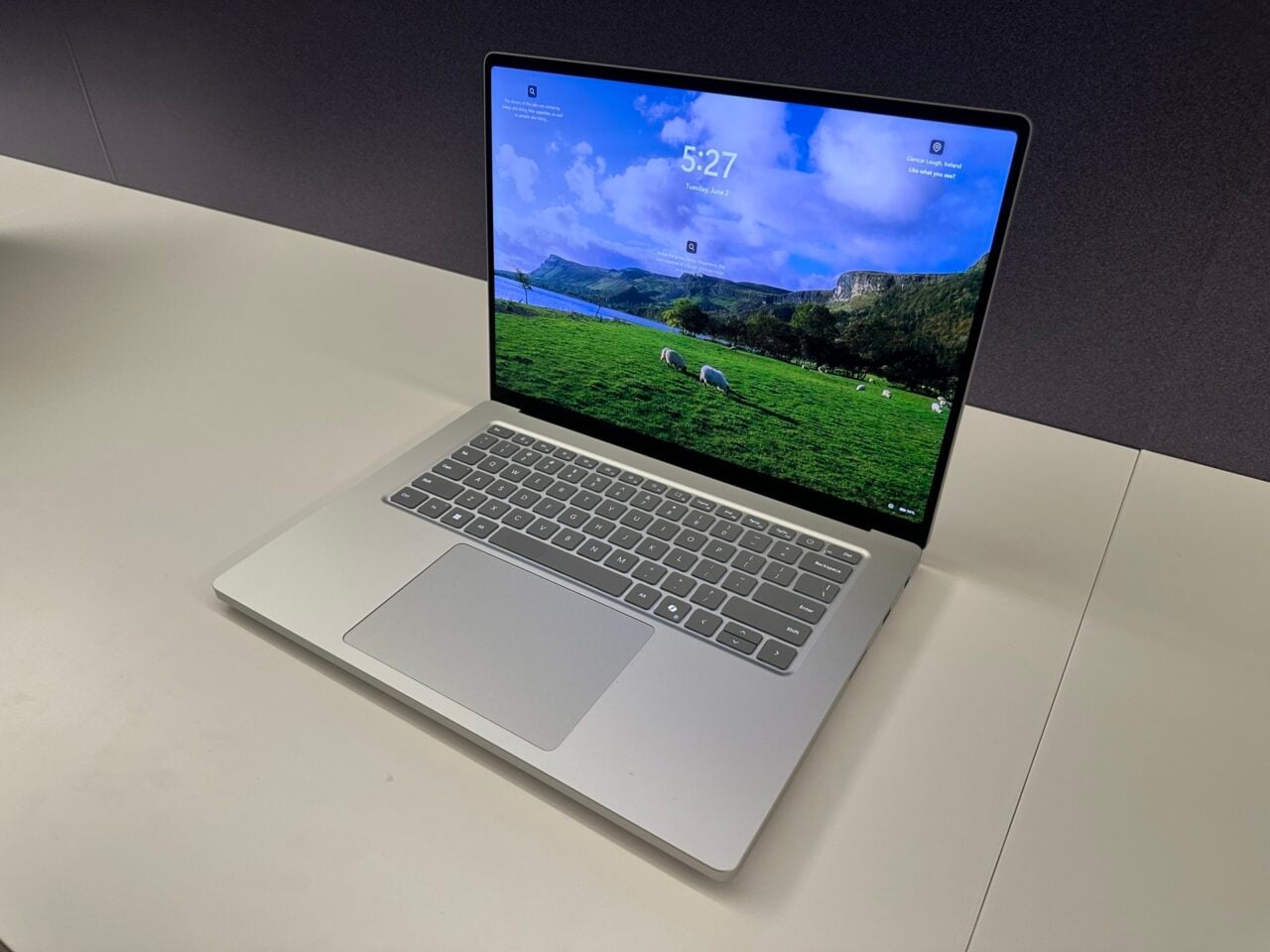
The company’s revised XPS 14 and XPS 16 models were supposed to help get the company’s notebook brands back on track. Now, these already expensive laptops cost nearly 25% more. When we first reviewed the XPS 14, it cost $2,200 for the high-end model that comes with an Intel Core Ultra X7 358H chip, 32GB of RAM, and the OLED touch display. Now, as of May 18, the laptop costs $2,900 at Best Buy. An XPS 16 came with a $2,350 price tag when Gizmodo reviewed it this month. Now, it’s $2,950.
These laptops cost even more on Dell’s own webstore (these laptops also come with limited game and creative software bundles when ordering direct from Dell). Those prices are not even the highest-end version of the laptops. There are additional configurations with a higher-end Intel Core X9 388H that cost $3,000 at 14 inches and $3,050 at 16 inches. Overall, Dell’s new pricing scheme for its longtime XPS laptop lineup feels more like our PC-loving brains are being pile-driven into hard concrete.
There is one non-OLED version of the XPS 16 with the same chip that currently costs $2,480 on Dell’s online storefront. In an email, a Dell spokesperson confirmed that these were indeed the new prices of its 2026 XPS models, adding, “It has been a dynamic time in our industry for component costs along with other factors.”
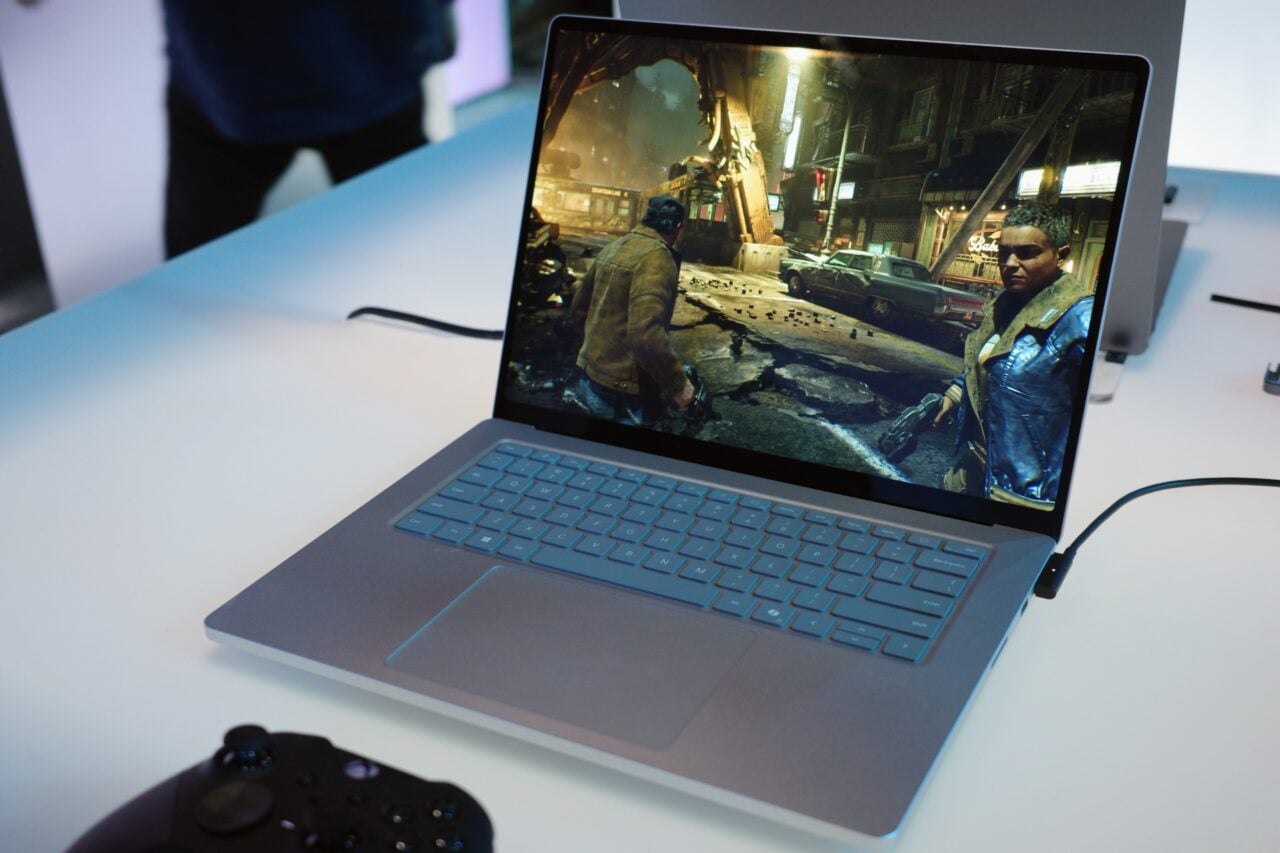
Just two years ago, you could expect to grab a decently powerful gaming laptop with an OLED screen and a discrete GPU for under $3,000. In 2026, Dell’s beloved Alienware brand now hopes to sell an Alienware 15 “budget” laptop starting at $1,300 for the lowest-end configuration and costing $2,300 with a higher-end GPU and 32GB of RAM.
Essentially, the pricing scheme consumers had come to expect for all PCs is getting thrown out the window. Fellow PC maker Lenovo recently spiked the price of its Legion Go 2 gaming handheld to $2,000. More device makers are actively considering scaling back the capabilities of their gadgets in order to keep prices steady, a process best described as “shrinkflation.”
Gizmodo was pretty positive about Dell’s redesigned XPS models. They featured bright, beautiful OLED displays, strong performance with Intel’s latest Core Ultra Series 3 chips, and a high-quality chassis. Sure, their seamless keyboards grew increasingly annoying to type on, but they at least captured their own unique look in a world full of dull, gray boxes.
Are either of these laptops worth close to $3,000? It may not matter anymore. Soon, more and more PCs may hike costs to compensate for the ballooning prices of RAM and other memory components.