Update, June 17, 8:12 a.m. ET: After publication, Rocket Lab provided Gizmodo with the following statement: “Rocket Lab has never placed any object into orbit unintentionally.” The company did not provide additional details about the mission or the object tracked in orbit.
Rocket Lab’s latest mission, named Curveball, has earned its title. The company launched a mysterious payload on its suborbital rocket, and it somehow ended up in orbit.
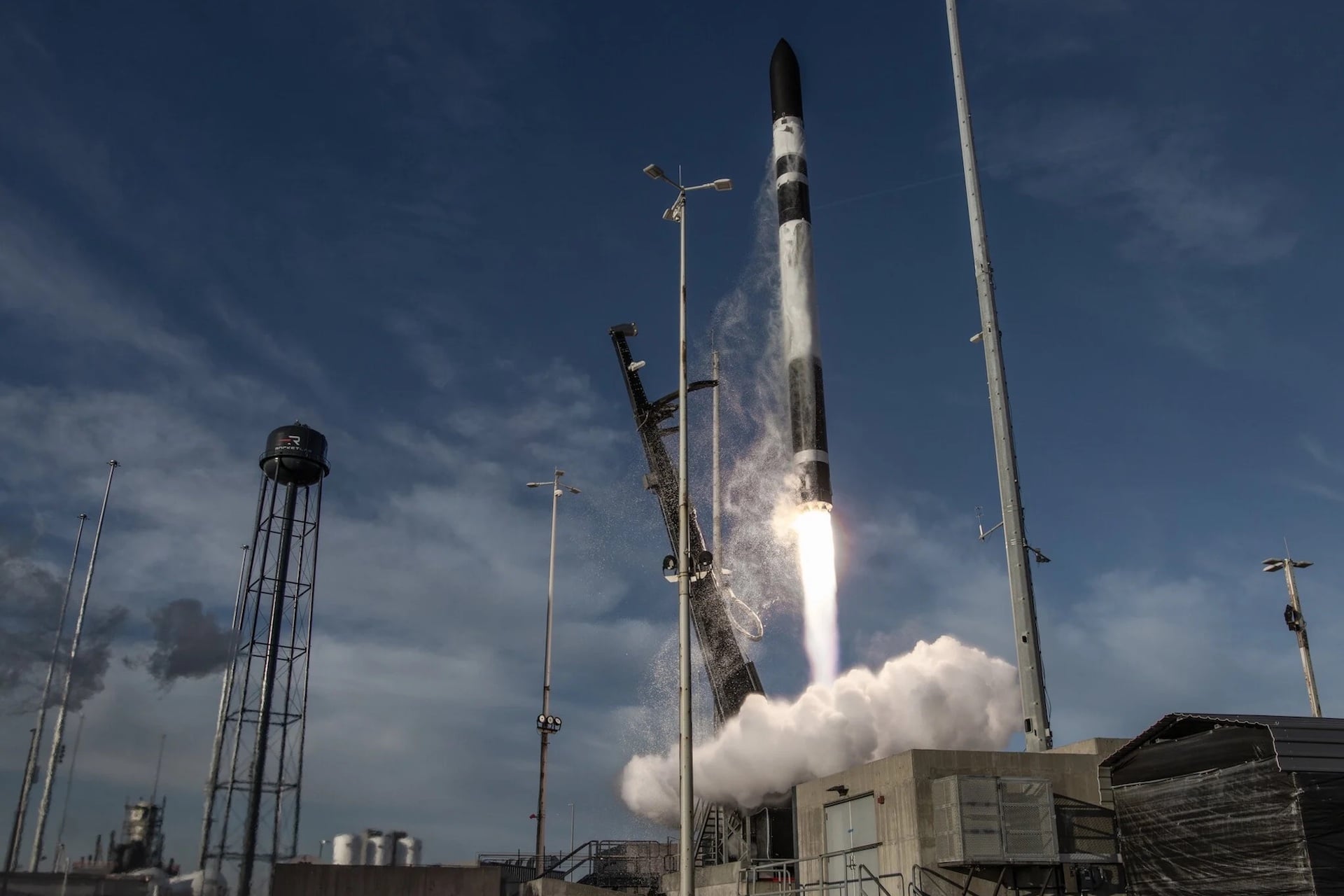
On June 11, Rocket Lab’s HASTE vehicle lifted off from NASA’s Wallops Flight Facility in Virginia on a government mission. HASTE, short for Hypersonic Accelerator Suborbital Test Electron, is a modified version of the company’s Electron rocket that’s designed to fly at hypersonic speeds up to five times the speed of sound. Another important distinction is that HASTE is a suborbital launch vehicle that has flown seven times without reaching low-Earth orbit.
A few days after its latest launch, however, the U.S. Space Force spotted the rocket in orbit. It’s not clear how HASTE ended up there, or what happened to its payload.
Secret missions
Prior to its debut on June 17, 2023, Rocket Lab shared little information on its HASTE vehicle. The suborbital rocket serves as a commercial testbed for the U.S. Department of Defense and other developers of hypersonic technology.
The rocket provides “reliable, high-cadence flight test opportunities needed to advance hypersonic and suborbital system technology development,” according to Rocket Lab. Prior to Thursday’s launch, HASTE’s most recent mission, also contracted by the Department of Defense, was to deploy a scramjet-powered aircraft developed by Australian aerospace engineering firm Hypersonix.
For Curveball, Rocket Lab did not disclose the payload on the mission. It is simply listed as a government mission, but there’s little else known about the launch. That’s not very unusual for these types of launches.
It is unusual, however, for a suborbital rocket to end up in low-Earth orbit.
Gizmodo reached out to Rocket Lab for clarification. After publication, the company provided the following statement: “Rocket Lab has never placed any object into orbit unintentionally.”
Unexpected trajectory
Following its latest launch, the orbital parameters for HASTE’s Curveball mission indicated that the rocket’s stages are being tracked in a 120-mile (200-kilometer) orbit with a 40-degree inclination, according to astronomer Jonathan McDowell.
There is, however, no associated orbital data for the rocket’s payload. “Does this mean CURVEBALL reached orbit and then the payload was deorbited on first orbit?” McDowell wrote on X. Another possibility, he suggests, is that the payload completed most of an orbit and was recovered over the western U.S. It may have ended up at the Utah Test and Training Range, a military testing and training area located in Utah’s West Desert.
The mission appears to have reached orbit in some fashion, and Rocket Lab says it doesn’t place objects into orbit by accident, suggesting that whatever was tracked in orbit may have been there intentionally. As the company continues to advance its vehicle’s hypersonic capabilities, we hope we will learn more about HASTE and its missions.