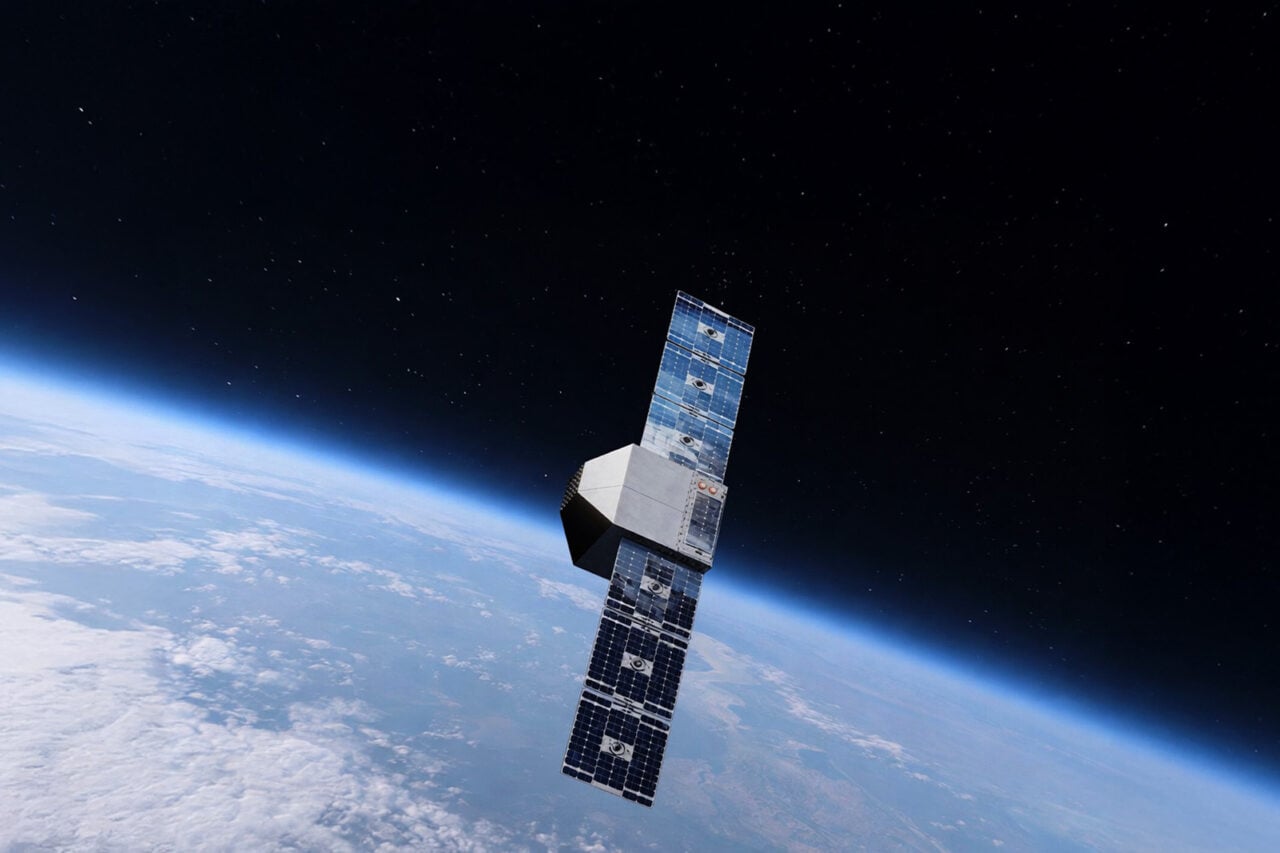
Mantis Space will use $10 million in seed funding to develop its prototype payload.
Congress instructed NASA to not begin deorbiting the ISS until at least one commercial successor is in space.
A rescue mission could reach the gamma-ray observatory this summer.
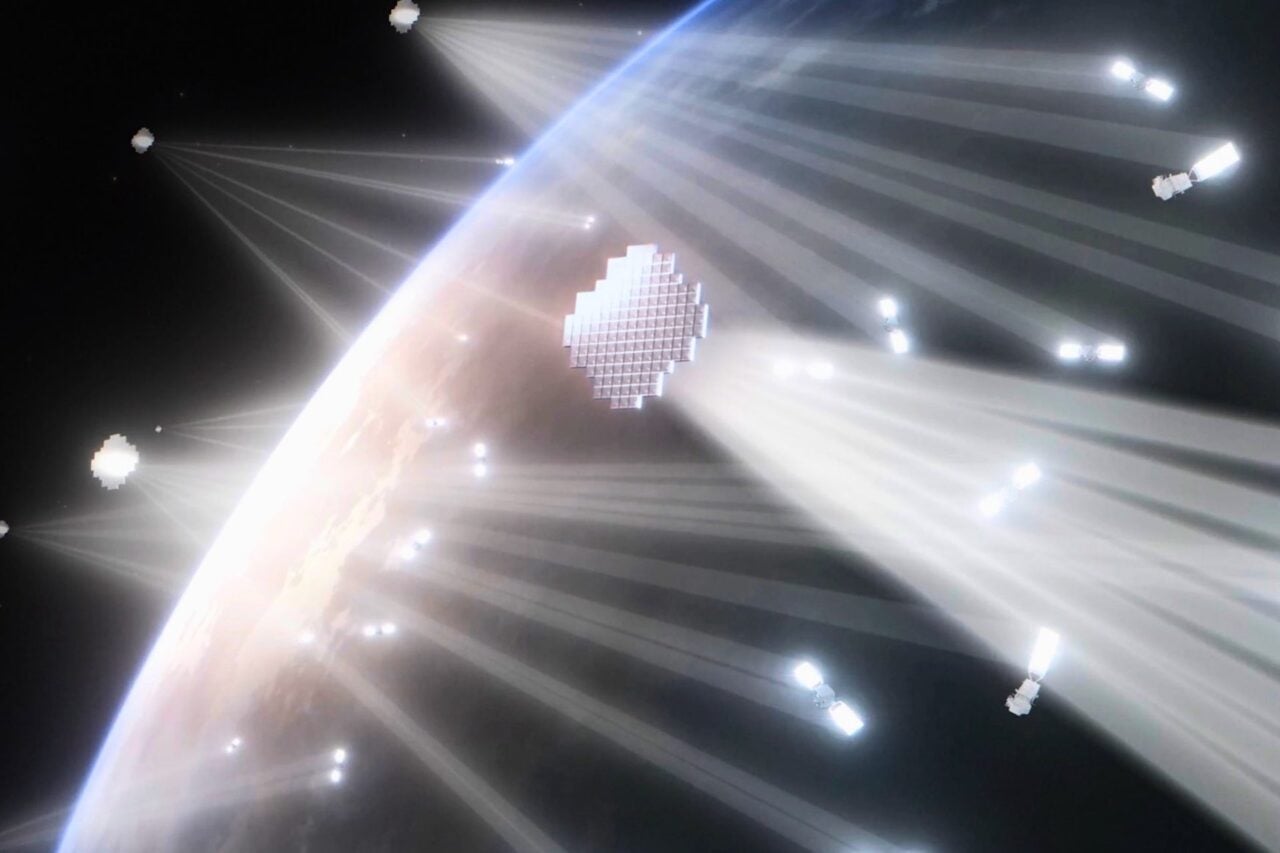
In a newly filed FCC application, Musk’s SpaceX outlines plans to launch a data center constellation of up to 1 million satellites.
The reconfiguration will reduce the orbital altitude of nearly half of the Starlink megaconstellation.
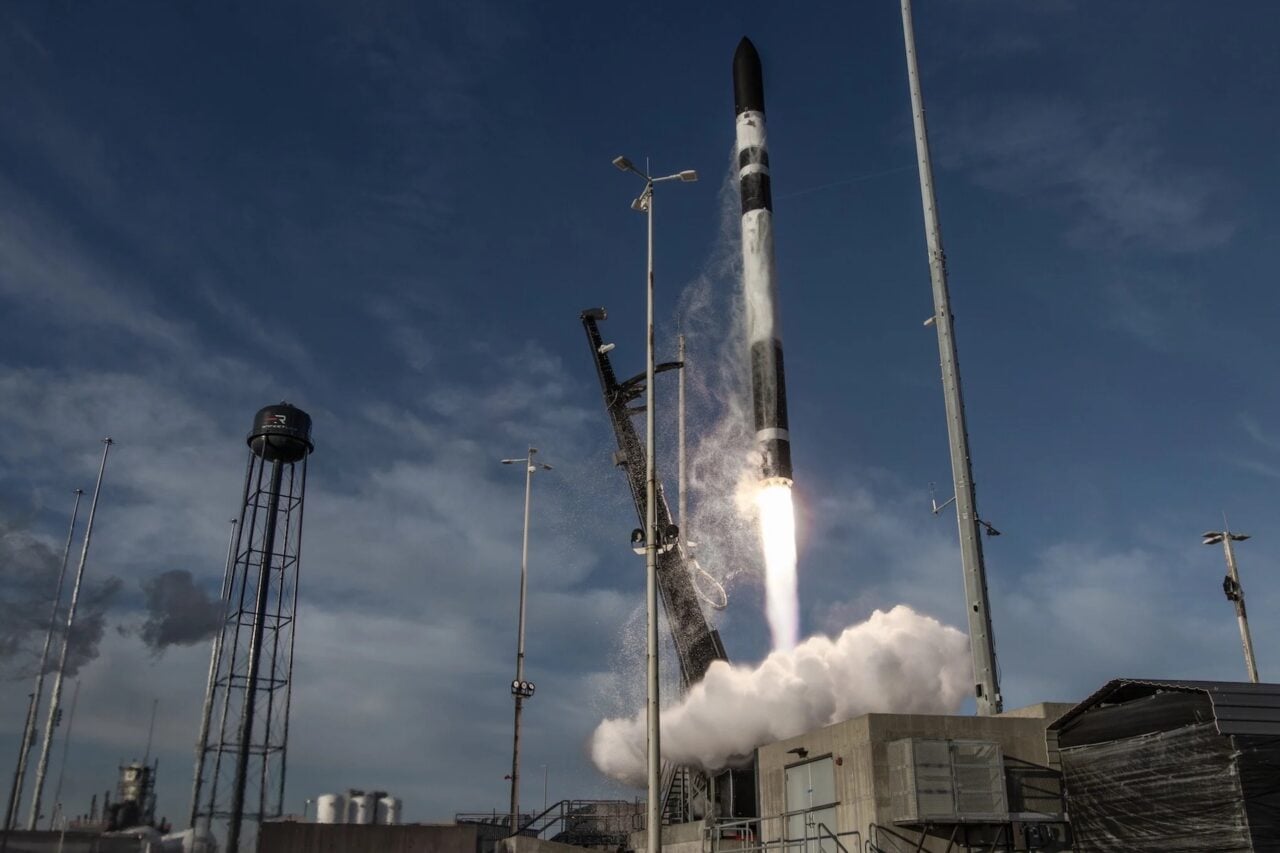
In 2026, a first-of-its-kind spacecraft—launched on a rocket dropped out of a plane—will attempt to save NASA’s Swift observatory from a fiery demise. Yes, really.
Arc is designed to deliver cargo anywhere in the world within an hour's time.
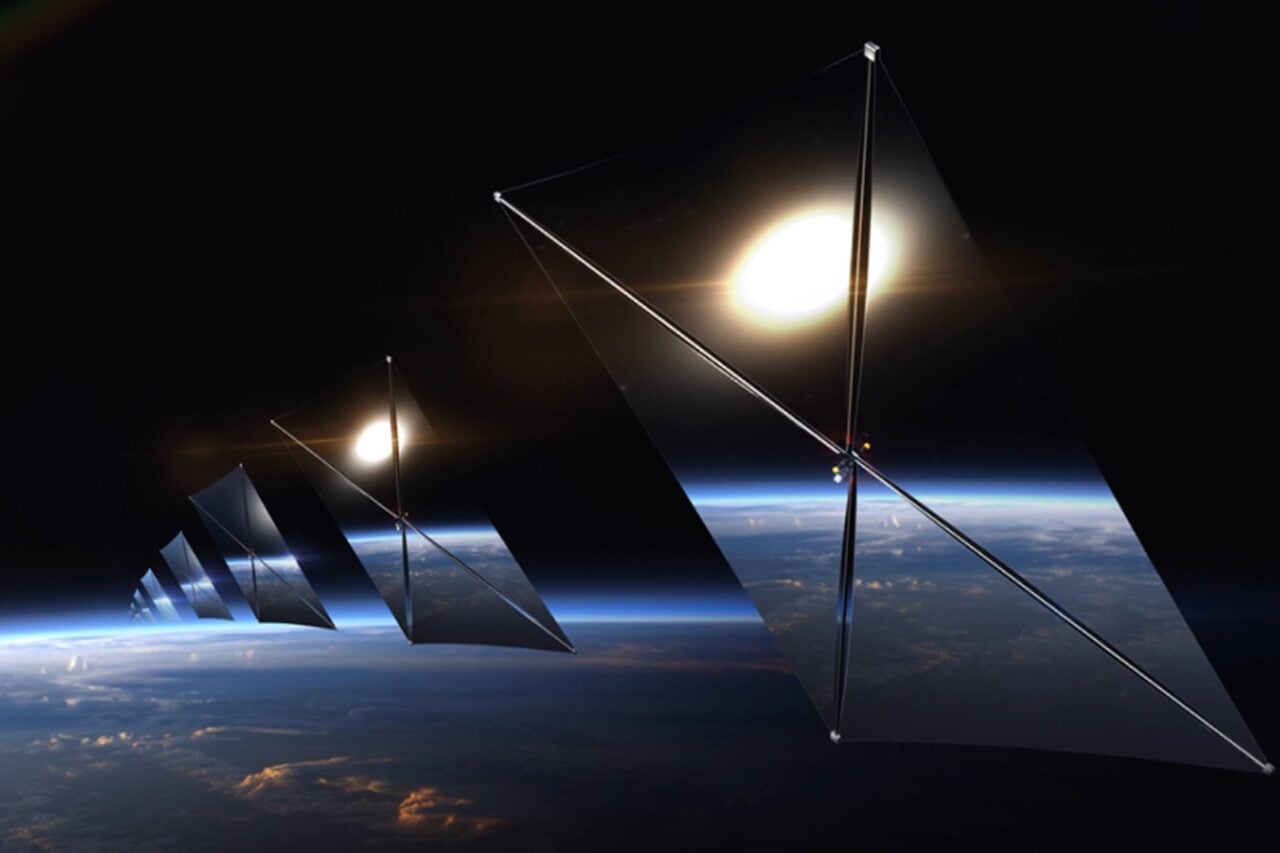
Most satellite constellations exceed recommended brightness levels, with some even visible to the naked eye.
The orbital demonstration could be a game-changer for extending the lifespan of satellites in space.
ESA's Proba-3 just achieved a world-first: millimeter-precise formation flying, entirely on its own.
Space advertising is not currently a problem, but the enterprise needs to be smothered before it has a chance to grow, according to a group of concerned astronomers.
The imaging satellite was decommissioned two years ago and abandoned to burn up upon reentry through Earth's atmosphere.
The space agency is looking to maintain human presence in the microgravity environment as it transitions to commercial stations.
A mystery looms over the end-of-life maneuvers of the UK's oldest satellite.
The small satellite survived an impact that was either caused by a micrometeorite or a small piece of space junk.
The reentry of defunct satellites is anticipated to increase the amount of harmful chemicals in the atmosphere by nearly 650% over natural levels.
The non-Earth imaging satellite was less than 50 miles away from the space station when it snapped the shot.
The two satellites came to within less than 30 feet of each other back in February, a distance far closer than initial estimates suggested.
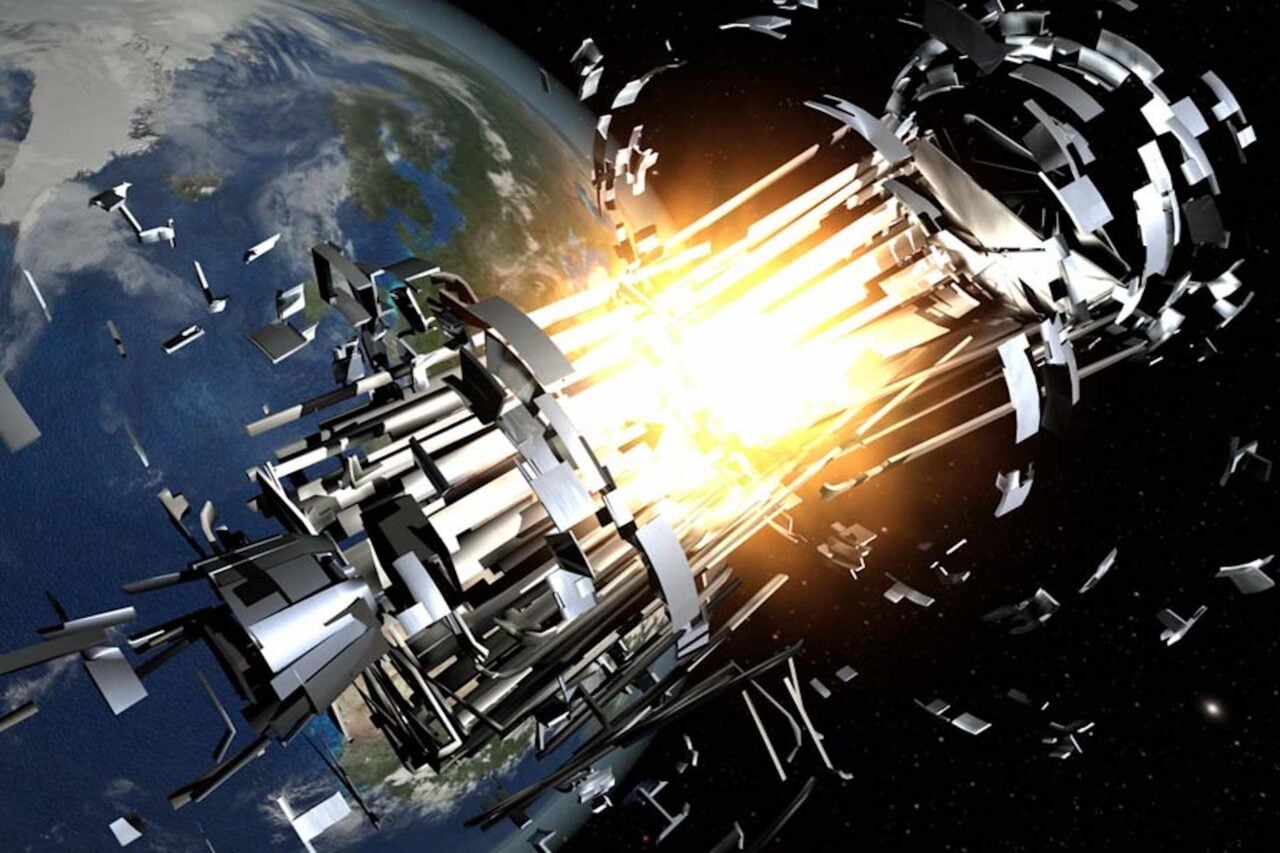
Two satellites missed each other by less than 66 feet on Wednesday, a close call that could have significantly increased orbital debris.
The removal of so many satellites at once is unprecedented, highlighting the challenges of huge satellite constellations.