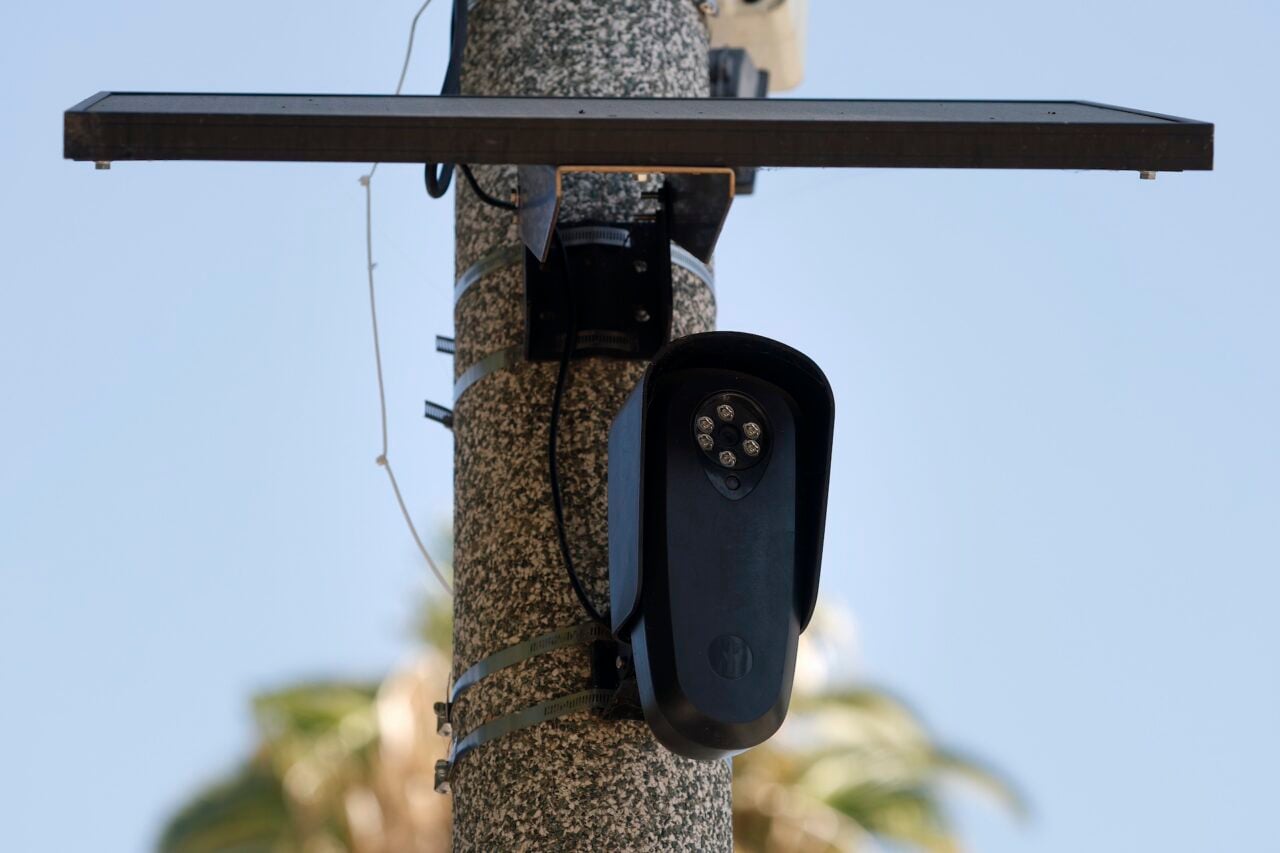
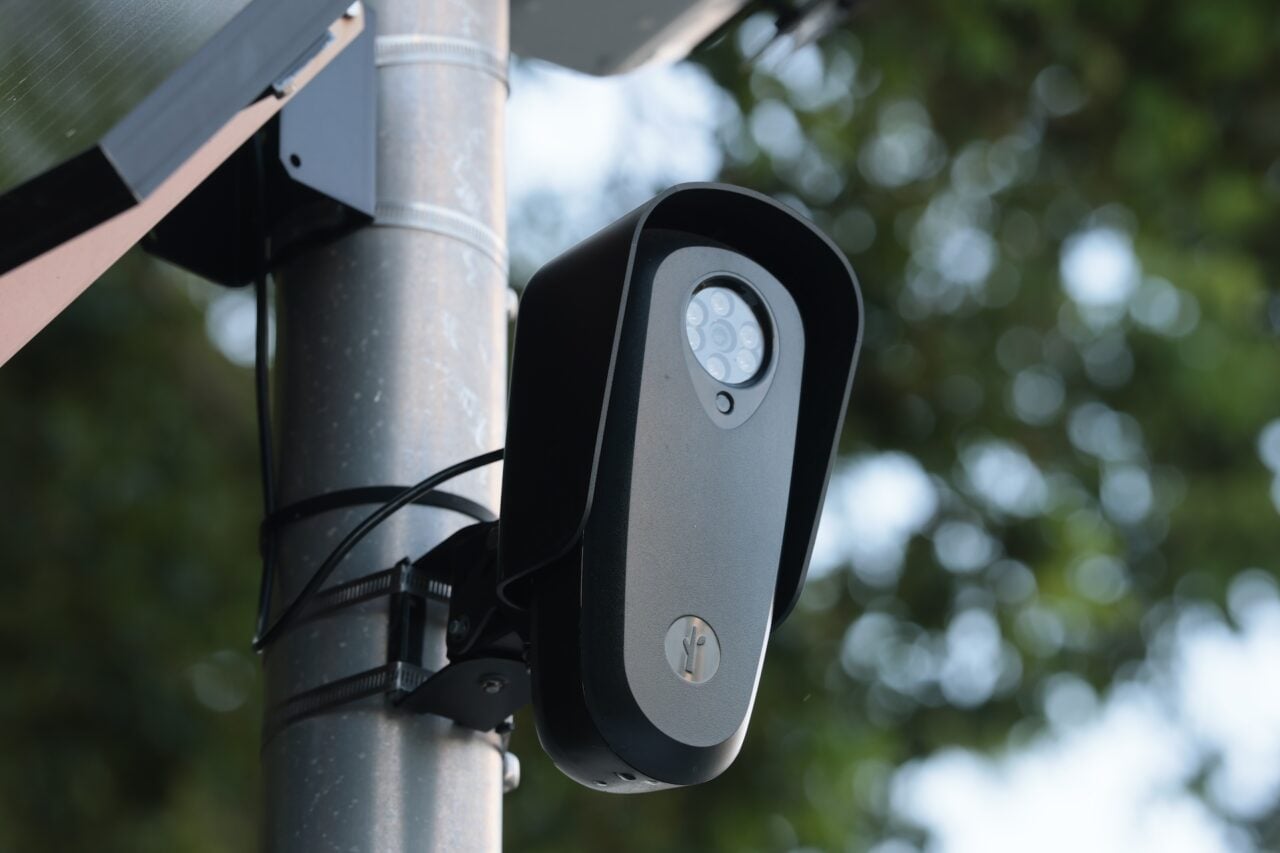
Massachusetts State Police will have to disclose where license plate readers are in the state and submit to audits about when, where, and what data they’re collecting, a judge ruled this week. It’s a win for groups demanding transparency on how agencies are surveilling people.
A Suffolk County Superior Court judge ruled on Wednesday that the state police did not justify withholding information obtained from the automatic license plate readers.
Filed in November 2023, ACLU of Massachusetts v. Massachusetts State Police was a suit seeking public records, “about the state’s deployment and use of a powerful and unregulated surveillance technology,” according to the summary. The ACLU contended in the case that as of June 7, 2023, there were more than 290 million records in the database which then allowed the state police to track particular vehicles and get alerts from license plates recorded as far back as 12 months.
In particular, the state’s ACLU chapter said that Massachusetts was unlike 16 other states that lacked oversight as to how law enforcement was using the collected data and did not require a warrant or court order before obtaining the information. The ACLU of Massachusetts filed a public records request in August to obtain the rules the state was using when it accessed data from the license plate readers, but did not receive a response at the time of the initial court filing.
The ACLU win comes as surveillance devices, Flock in particular, come under scrutiny not just in Massachusetts but nationwide. Increasingly, cities and counties are turning their backs on renewing contracts with Flock, and residents continue to take matters into their own hands.
“People from cities and towns across the state have been organizing to push back against local police adoption of Flock and other license plate readers,” Kade Crockford, director of technology and justice programs at the ACLU of Massachusetts, said Wednesday in a statement. “But what many residents don’t know is that the Massachusetts State Police maintains its own statewide network of license plate readers.”
Just this week, the Florida Department of Transportation pulled the ability of local law enforcement agencies to place automatic license plate readers at their discretion, citing “reports of misuse, data privacy concerns, and surveillance schemes.”
The year of Flock and surveillance backlash continues and increasingly, it appears, the legal and legislative systems feel the public’s anger.