A first-of-its-kind study measured the extent to which bright constellations affect astronomers’ view of the night sky, setting a proposed limit to how many satellites should be in Earth’s orbit.
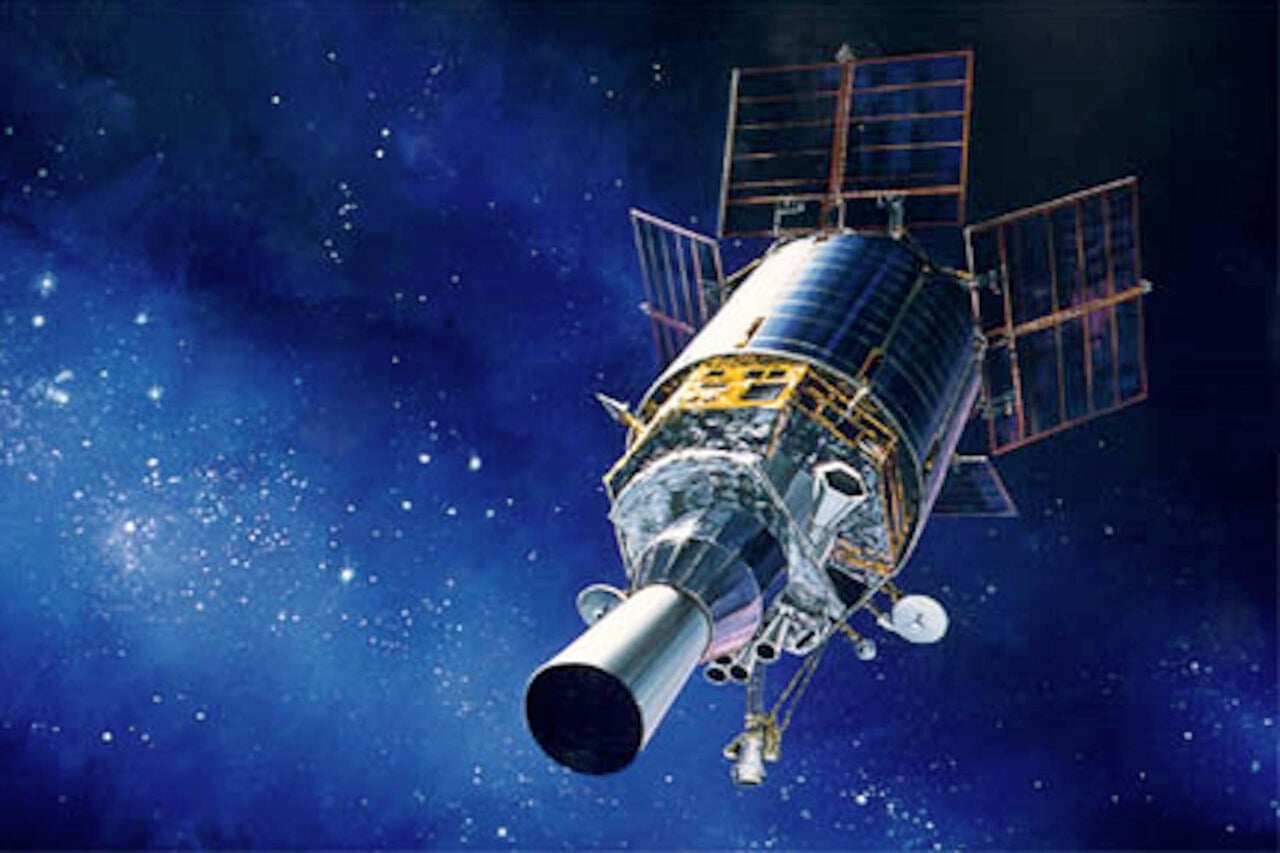
There are currently over 14,000 satellites orbiting Earth, but that number is set to increase dramatically over the next few years. Companies like SpaceX and Reflect Orbital are proposing launching a combined total of 1.7 million satellites, which would have devastating consequences for astronomy, according to the European Southern Observatory (ESO).
By measuring the impact of large satellite constellations, researchers at ESO suggest limiting the total number of existing and future satellites to 100,00 that are faint enough not to be seen with the naked eye from a dark site.
“This is not a hard number, like 99 999 is good and 100 001 is bad: clearly I’d prefer 50 000,” Olivier Hainaut, an astronomer at ESO and lead author of the new study, said in an ESO statement. “But 100 000 causes losses at about the level of other technical losses, such as equipment failure.”
The findings are detailed in a paper that will appear in Astronomy & Astrophysics.
The dwindling night skies
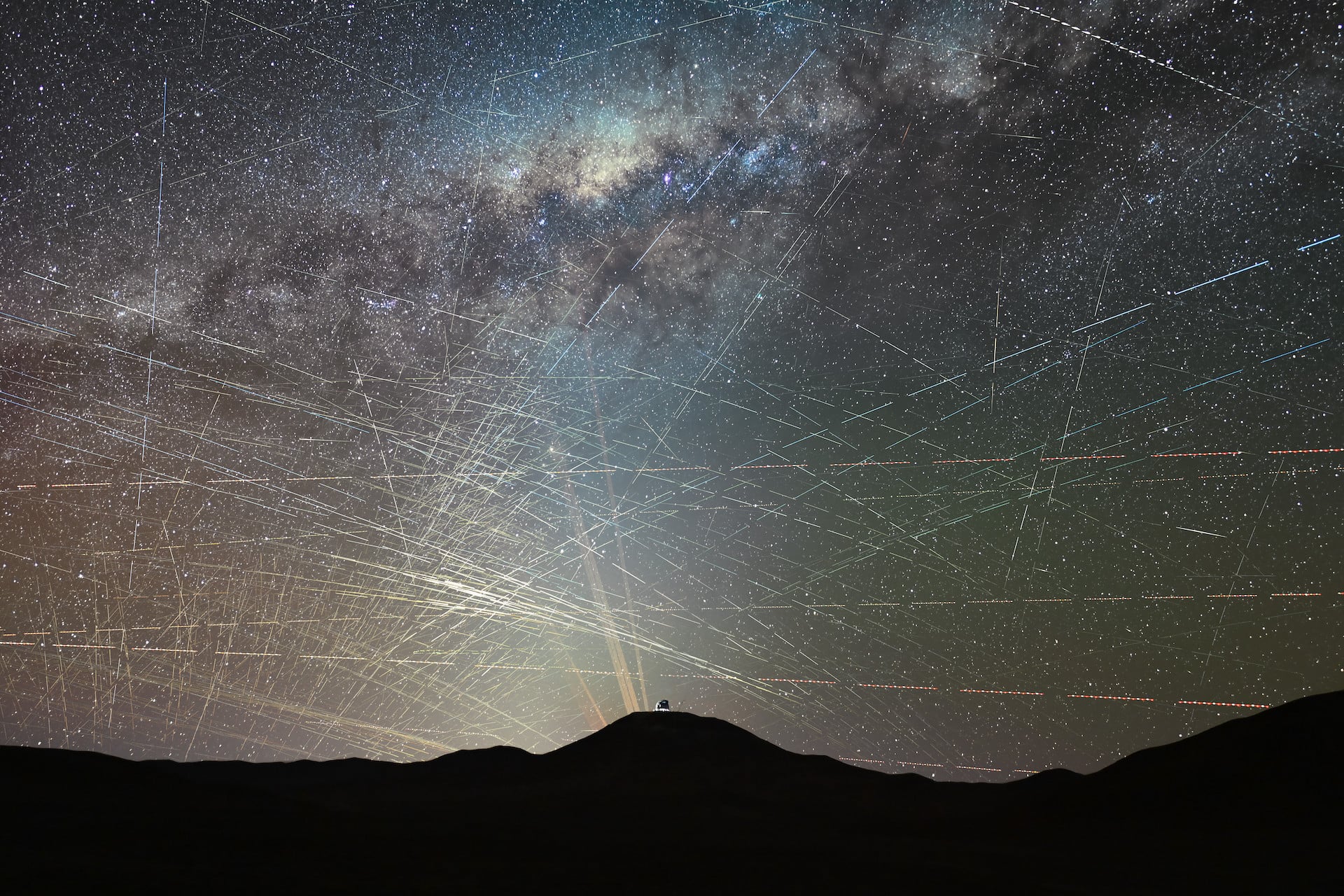
The number of satellites in Earth’s orbit has nearly doubled in less than three years. Those bright satellites have already been a major nuisance for astronomers, often appearing as bright streaks in telescope images of the universe and tarnishing views of the night skies.
“Satellites, illuminated by the Sun, are much brighter than distant galaxies,” Hainaut explained. “When a satellite crosses what we observe, it makes a bright streak on our image, zapping whatever is behind it.”
“Until now we have managed, but it’s getting worse,” he added, stressing that current satellite proposals are going beyond the limit of what astronomy can withstand.
Just last month, SpaceX founder and CEO Elon Musk revealed the company’s plans to launch up to a million satellites. “Space is really big, so it’s not like space is going to get crowded,” Musk said in a video posted on X.
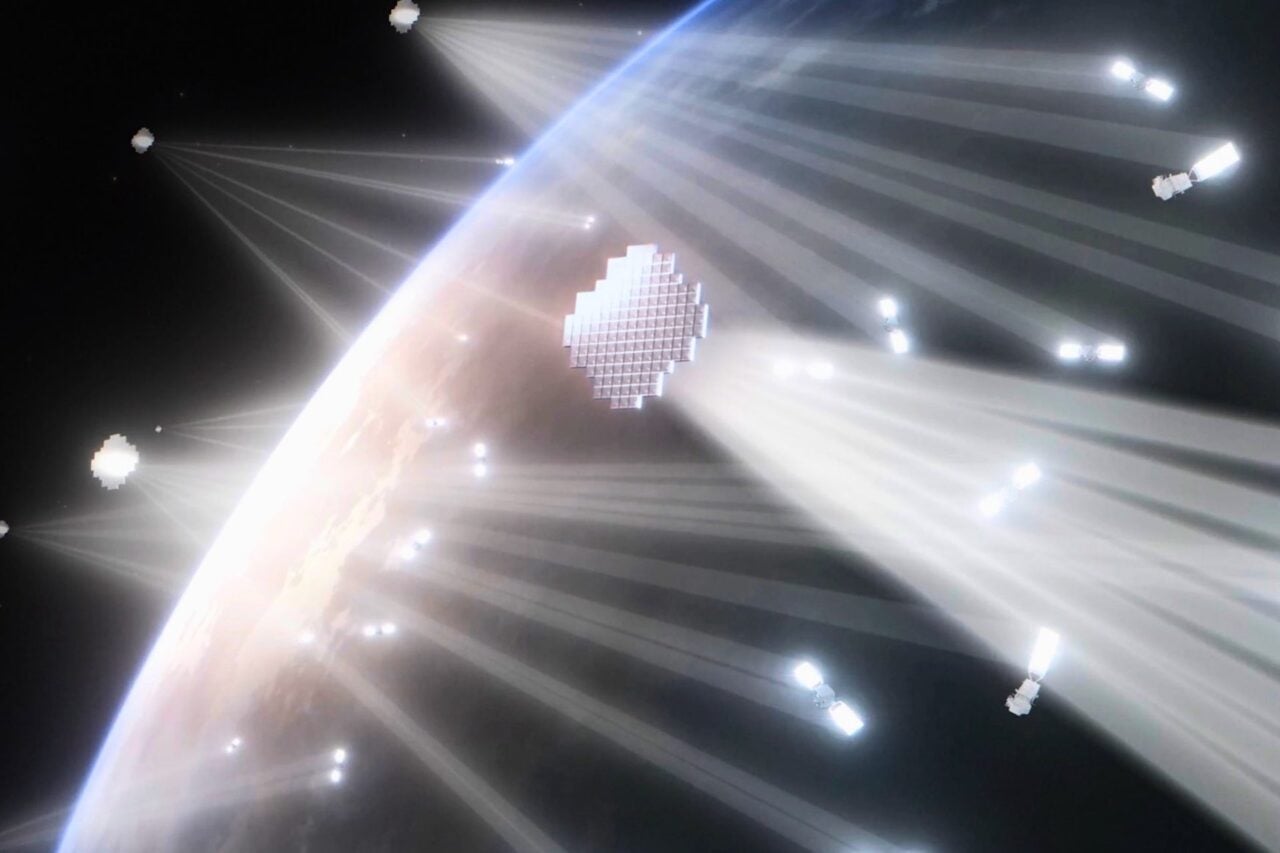
SpaceX is not the only culprit in proposed plans to overcrowd Earth’s orbit. Earlier this year, California-startup Reflect Orbital stated that it wants deploy up to 50,000 in-space mirrors mounted on satellites to create sunlight after dark.
The proposed number of satellites would dramatically brighten the night sky and hinder our ability to observe faint cosmic targets like distant galaxies, Earth-like planets, as well as potentially dangerous asteroids, according to ESO.
Is there a limit?
To measure the impact of the proposed satellites, the researchers behind the new study simulated the positions, motion, and brightness of all present and planned constellations.
The researchers found that SpaceX’s megaconstellation would produce dozens of trails in each image taken two hours into the night with ESO’s Very Large Telescope, leading to a field-of-view losses of up to 28%. That’s if the satellites are faint enough not to be seen with the naked eye. If they were to be a little bit brighter, most images captured by the National Science Foundation’s Vera C. Rubin Observatory would be rendered unusable for several hours each night.
As for Reflect Orbital’s proposed constellation, the trail from a single mirror-satellite could spoil an observation with a camera like that of the Rubin Observatory. The full fleet of Reflect Orbital’s satellites, when illuminated by the Sun, would lead to the loss of every image from such a camera, according to the study.
Based on these effects, the study proposes a limit of 100,000 satellites below the brightness magnitude 7. If some of them should fall above the minimum threshold for naked-eye visibility, then the limit would need to be much lower.
As of today, both SpaceX and Reflect Orbital are waiting for approval to launch their satellite constellations from the Federal Communications Commission (FCC). “The ball is now in the FCC’s court, and we wait to see the determinations they make on both filings,” said ESO Institutional Affairs Officer Betty Kioko, who is responsible for coordinating ESO’s response to the proposed constellations. “For optical astronomy, this is an existential threat, and we hope that the regulators will share that view.”
In a statement sent to Gizmodo after the publication of this article, Reflect Orbital said the following: “We are committed to ongoing dialogue with astronomers and other researchers as we move forward.”
Updated on July 2, 2026: This story has been updated to include a comment from Reflect Orbital.