U.S. Transportation Secretary Sean Duffy is starting beef with Ford over its business ties to China, just weeks before Chinese President Xi Jinping is set to meet with President Donald Trump in Washington, D.C.
Duffy sent a letter to Ford CEO Jim Farley earlier this month calling on the company to cut its business ties with Chinese firms over vague national and economic security concerns. The Department of Transportation made the letter public Tuesday.
“While DOT recognizes the intense competitive pressures of the global market, the company’s recent strategic decisions paint a troubling picture of a foundational American brand actively intertwining its future with Chinese state-backed enterprises,” Duffy wrote.
The letter specifically calls out Ford’s use of licensed technology from Chinese battery giant CATL at its BlueOval Battery Park in Michigan, as well as its partnership with Chinese automaker Geely, which allows it to manufacture vehicles at Ford’s factory in Spain.
Duffy also highlighted Ford’s talks with BYD over sourcing hybrid vehicle components and claimed the company proposed a framework at the Detroit Auto Show that could facilitate joint ventures between U.S. and Chinese automakers.
Finally, Duffy criticized Ford’s plan to move production of some Lincoln vehicles from China back to the U.S. starting in 2030, arguing that it leaves the company dependent on Chinese manufacturing for several more years.
“When a company intentionally chooses to deepen operational dependencies on strategic competitors, it fails to act as the reliable partner the American public and this DOT require,” Duffy wrote. “Iconic American companies, like Ford, are also expected to out-innovate competitors. To that end, they need to chart clear paths to technological self-reliance.”
The clash comes as lawmakers and the auto industry are pushing to further restrict Chinese vehicles from entering the U.S. market.
Chinese cars already face a 100% tariff, along with other applicable import duties, while Commerce Department rules restrict the sale or import of connected vehicles and certain vehicle software and hardware tied to China or Russia over national security concerns.
Sens. Elissa Slotkin and Bernie Moreno have also introduced the bipartisan Connected Vehicle Security Act of 2026, which would put those restrictions into law and block Chinese vehicles from the U.S. market. The Senate Commerce Committee unanimously advanced the bill in July.
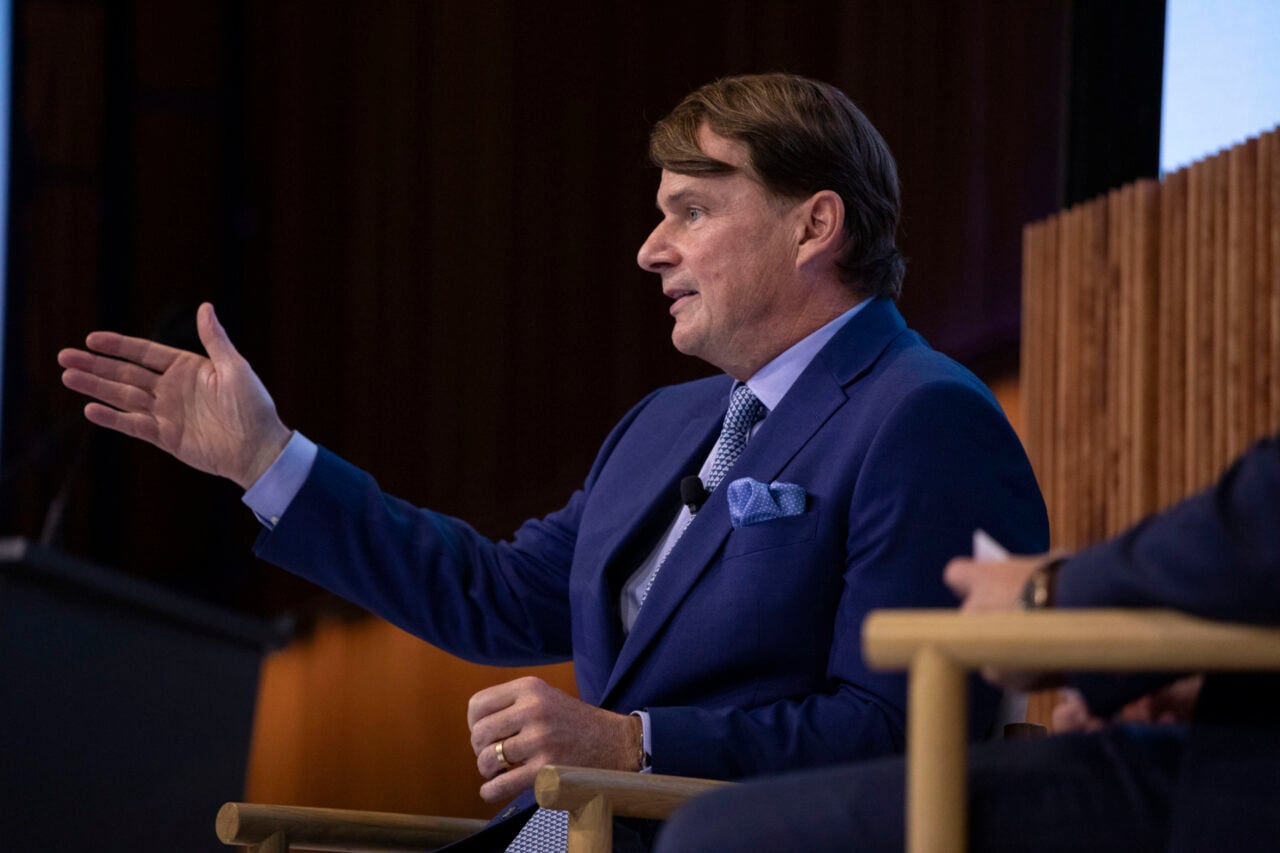
Interestingly, keeping Chinese automakers out of the U.S. is something Farley himself has called for.
“We should not let them into our country,” Farley said during an appearance on Fox & Friends, according to Bloomberg. “Manufacturing is the heart and soul of our country, and for us to lose that to those exports would be devastating to our country.”
The public spat also comes at an interesting time for U.S.-China relations. Trump is expected to meet with Xi in Washington on Sept. 24 to discuss trade, AI, and other economic issues.
For its part, Ford is shooting right back at Duffy and questioning his intentions with the letter.
“Secretary Duffy’s letter is a wrongheaded attempt to capture headlines at the expense of a company that has done more for American manufacturing than virtually any other in the nation’s history,” Ford said in a statement.
The company defended its CATL deal, arguing that BlueOval Battery Park Michigan is bringing battery production and jobs to the U.S. Ford has invested $3 billion in the plant and says it expects to employ around 1,700 people there.
The company also pointed out that the White House itself touted Ford’s investment in the Michigan battery plant just last month as an example of growing U.S. manufacturing.
Ford said its arrangement with CATL “is a limited technology-licensing and services agreement” and not a joint venture or foreign-owned manufacturing operation. The company also denied it proposed a joint-venture framework at the Detroit Auto Show.
While still showing support for Trump’s broader manufacturing agenda, Ford took a more direct shot at Duffy.
“Ford supports the Trump administration’s vision for advancing American innovation and manufacturing,” the company said. “Had Secretary Duffy reached out before issuing his letter to the press, we would have been happy to share more details about Ford’s U.S. commitment.”