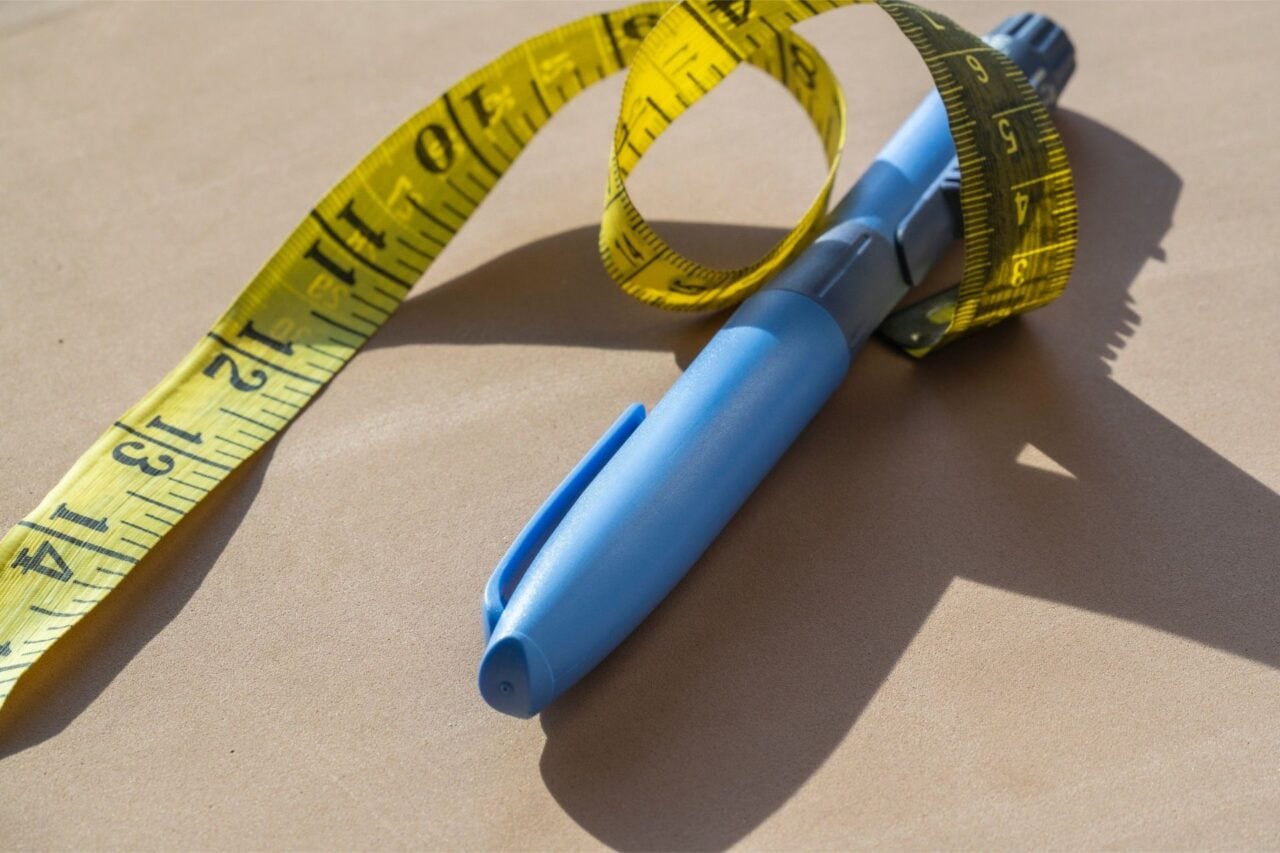
The use of GLP-1 weight loss drugs has skyrocketed in recent years, with a whopping 11% of American adults currently using them according to the latest tally from Gallup. That’s up from 3% in 2024.
But new trends in medicine can present challenges that may be unexpected. Like the rise of injuries among sanitation workers who are getting pricked by GLP-1 needles thrown away in the trash.
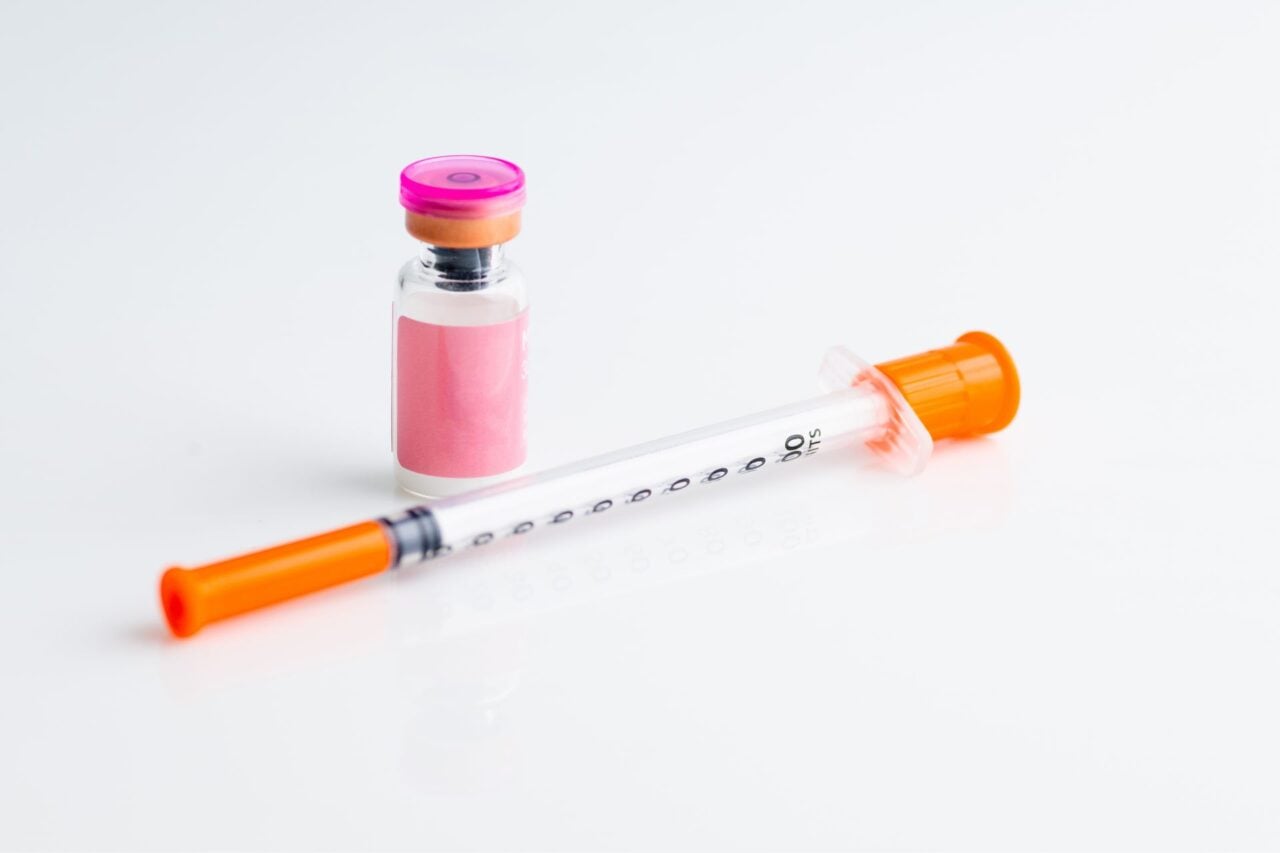
ABC News has a new report about the problem and spoke with the New York Department of Sanitation, which released a PSA about how to dispose of needles injected at home. Home sharps containers for disposal of needles are available for purchase at retailers like pharmacies, but the New York Department of Sanitation suggests other hard plastic containers can also be used to help keep sanitation workers safe.
“If you want to get rid of your needles and syringes, you must do it the right way. You can use any strong plastic container, a sharps container or an empty laundry detergent bottle will do,” New York Sanitation Commissioner Gregory Anderson says in the video.
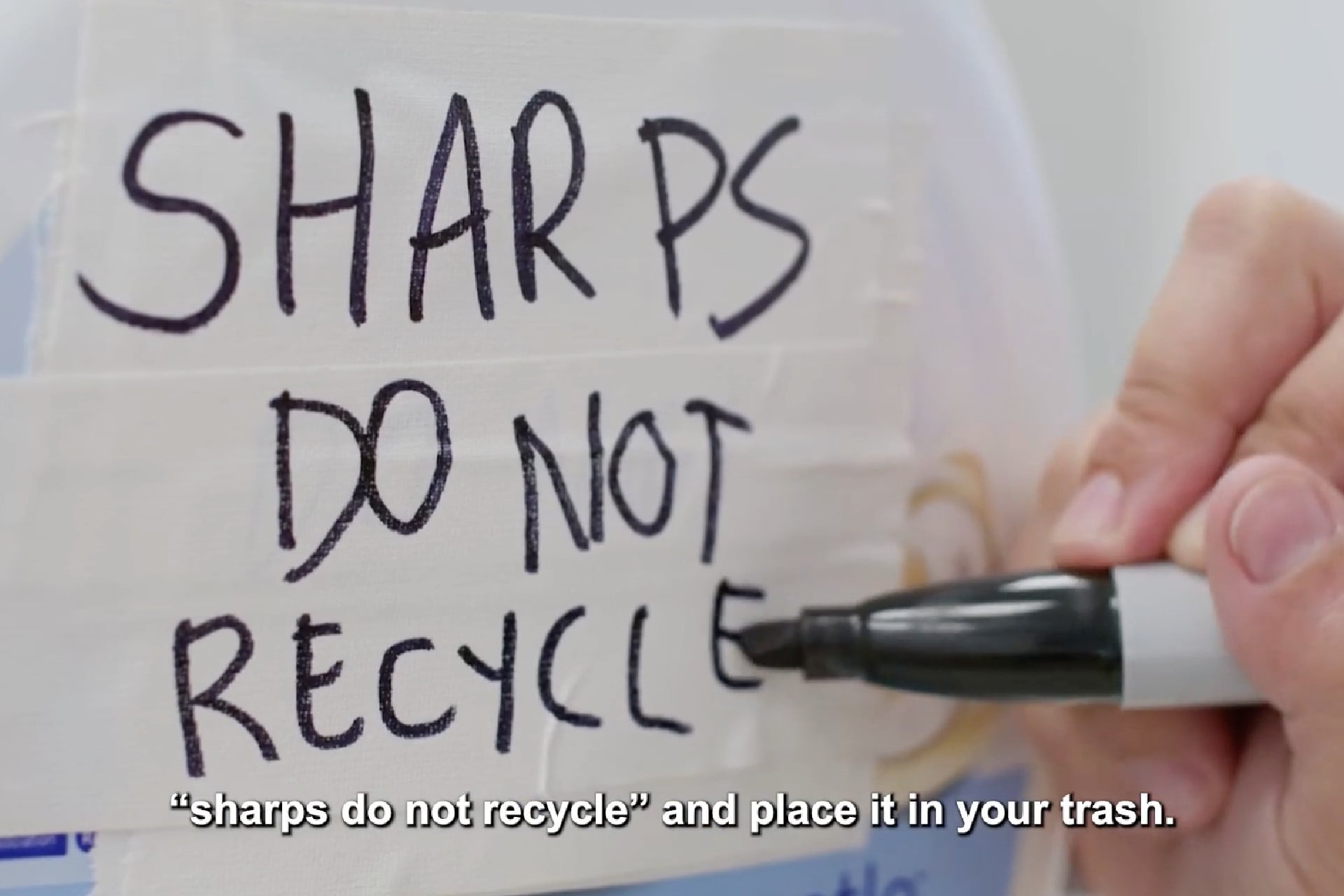
“When it’s almost full, seal the container, label it ‘Sharps, Do Not Recycle.’ And place it in your trash. Never put them in your recycling or flush them down the toilet,” continued Anderson.
It’s not just a nice thing to do. New York has increased the fine for people who improperly dispose of needles to $250. The fine used to be $100, according to Gothamist. Unfortunately, 49 workers have been pricked by needles so far this year, according to ABC7.
This isn’t just a danger in New York, obviously. Everywhere from Florida to Colorado, officials are warning about how important it is to dispose of sharps properly to keep sanitation workers safe. And it’s not just weight loss drugs that have created a flood of injectable drug waste. There are roughly 38 million Americans with diabetes, a disease that needs to be treated with insulin injections.
GLP-1 drugs are obviously the big culprit at the moment, especially as they become much more mainstream. While 11% of Americans currently report being on the medications, 15% report having ever tried them, according to Gallup.
While GLP-1s have been shown to have benefits far outside weight loss, these drugs aren’t without some risks. One in six children who go on the drugs, for example, have developed nutritional deficiencies, according to the Northwestern University Feinberg School of Medicine.