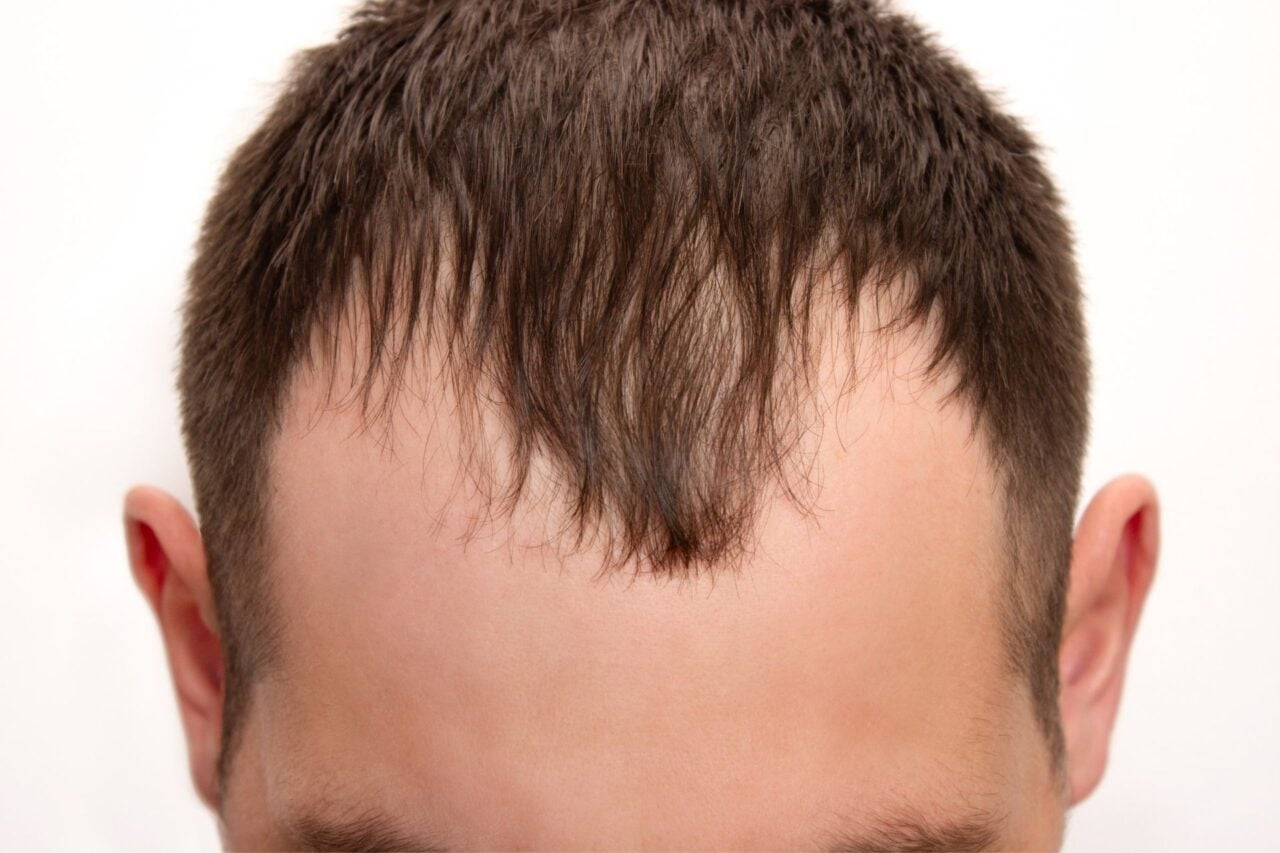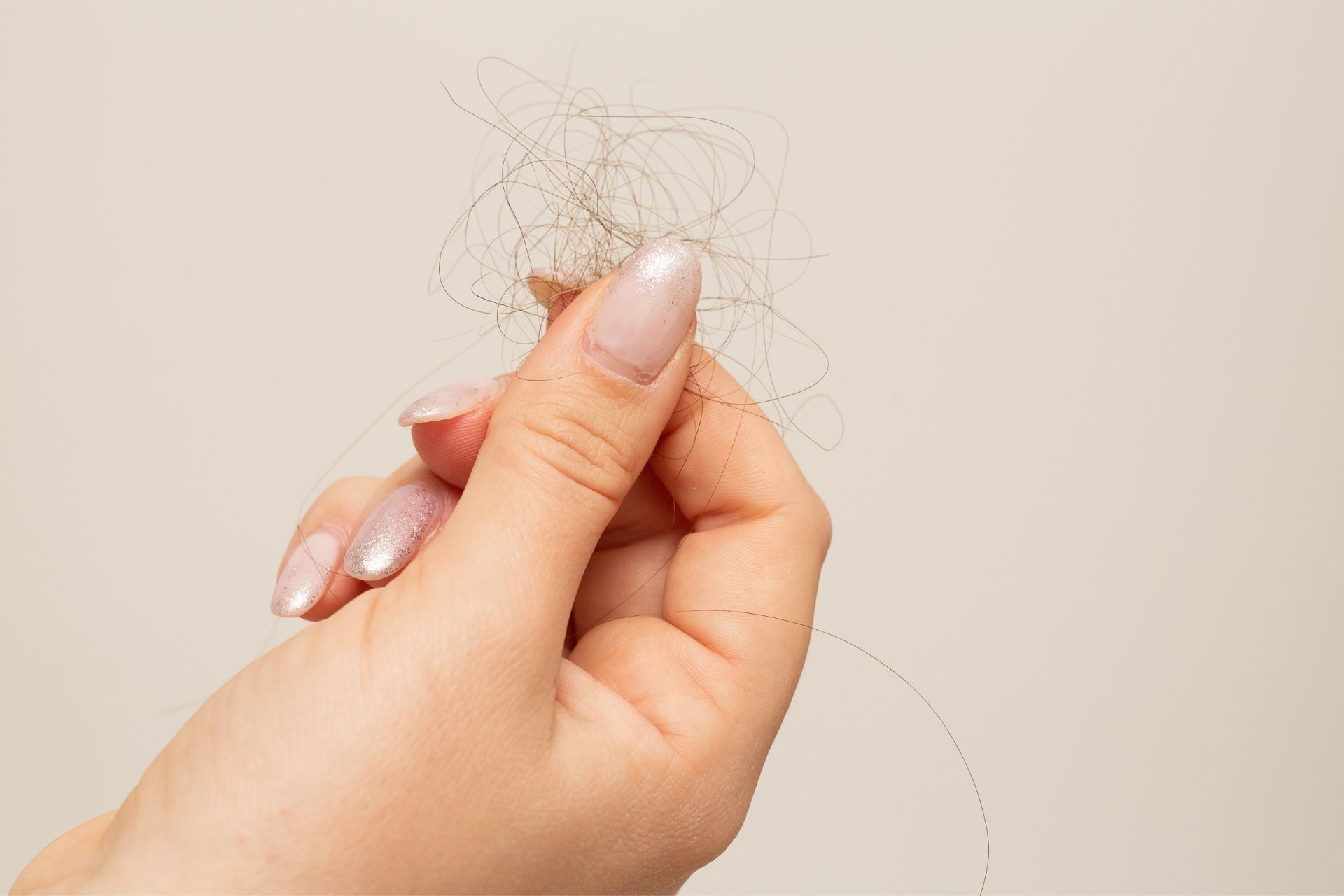
GLP-1 medications like semaglutide and tirzepatide may come with some unexpected hair-raising side effects, research out this week suggests—or rather, hair- and nail-losing ones.
Scientists in Europe studied hundreds of people taking a GLP-1. Compared to non-users, people on GLP-1s were significantly more likely to develop hair loss and nail-related problems, particularly nail detachment, they found. Though these issues aren’t necessarily too serious, both patients and doctors should be aware of the potential risk, the researchers say.
“For people taking or considering GLP-1 receptor agonists, the main takeaway is: do not panic, and do not stop an effective treatment on your own because of your hair or nails—but do mention these symptoms to your doctor,” study author Charles Taïeb, a clinical dermatologist at Necker University Hospital in Paris, told Gizmodo.
Losing nails and hair
Numerous studies in recent years have found a link between GLP-1 use and hair loss, also called alopecia. And the Food and Drug Administration, following its own investigation of post-market data, now requires GLP-1 drugs like Ozempic (semaglutide) and Zepbound (tirzepatide) to list alopecia as a potential adverse reaction on their product labeling. Some people have also anecdotally reported changes to their nails after starting a GLP-1, but this possible complication has never been formally studied until now, according to the authors.
The researchers formed a team, called SCOP-GLP1, to investigate both of these topics. The team is composed of scientists in France and Italy, and the project was funded by the pharmaceutical company Pierre Fabre, one of the largest dermo-cosmetics firms in the world (in fact, Pierre Fabre markets hair loss products via brands like Ducray and René Furterer, so the company has a commercial interest in this line of research). They conducted two similar studies, one that focused on nail-related changes following GLP-1 use and the other on hair-related changes.
The studies each compared the outcomes of 575 people taking a GLP-1 for their type 2 diabetes or obesity to 1,379 controls with these conditions who hadn’t started GLP-1 therapy. According to the authors, both the GLP-1 users and controls were selected from a representative sample of people in four countries: France, the United States, Brazil, and Mexico. People’s average length of treatment was 18.5 months, and the researchers tracked weight changes over a three-month period.
As other studies have shown, GLP-1 users were more likely to lose significant weight and to report hair issues than non-users, the researchers found. Roughly half of people on a GLP-1 reported “unusual hair loss” compared to a third of controls, for instance. The former were also more likely to report scalp irritation. Doctors have long known, even before GLP-1s were around, that weight loss can sometimes trigger (usually temporary) hair loss. Interestingly, though, the researchers found that people’s likelihood of scalp problems wasn’t correlated with the amount of weight they lost. That suggests these hair issues aren’t entirely caused by weight loss while taking a GLP-1.
About 66% of GLP-1 users reported nail problems in general compared to 53% of non-users. The difference was far more substantial when it came to nail detachment, however, with roughly 39% of GLP-1 users reporting it compared to 9% of controls; 46% of people on GLP-1s also reported nail discoloration compared to 17% of controls.
What should this mean for GLP-1 users?
The studies were presented this week at the annual conference of the European Academy of Dermatology and Venereology. That means this research has yet to go through the formal peer-review process. The researchers also cautioned that their findings do not prove that GLP-1 drugs can cause nail or hair loss. But the research should warrant further follow-up, according to Taïeb.
“Both studies are cross-sectional and based on self-reported symptoms without dermatological examination, so they describe associations, not causes, and call for confirmation in prospective studies with clinical assessment,” he said. The team is now planning to conduct such a study that will proactively follow people at the start of GLP-1 therapy and objectively track their skin and hair health over time. That will allow the researchers to not only better study the causes of these problems but also whether they’re reversible.
In the meantime, there is reason to hope that these added risks, if genuine, can be managed effectively. The researchers found evidence that people’s nail issues were often better explained by their preexisting health problems, skin conditions, and nutritional deficiencies rather than the direct bodily effects of the drug itself, for instance. That should suggest it’s possible to treat these conditions without needing to discontinue GLP-1 use. Either way, it’s important for people on these medications to inform their doctors if they’re having these symptoms so action can be taken when needed.
“In practice: patients and clinicians should look at the scalp (itching, redness, scaling) and not only at hair shedding when starting or monitoring GLP-1 RA therapy; nail changes should be interpreted in the context of the patient’s overall health rather than automatically blamed on the drug, while persistent or progressive nail detachment deserves dermatological attention,” Taïeb said.