One of the main complaints at the launch of ARM-based Windows 11 PCs in 2024 was the awkward interaction between those chips and some legacy apps and drivers. Now, with Googlebooks and its christened Googlebook OS, the tables have turned, with ARM-based Googlebooks reportedly looking to have a cleaner launch experience than Intel-based ones. Just keep this in the back of your mind as Googlebooks go on sale starting today.
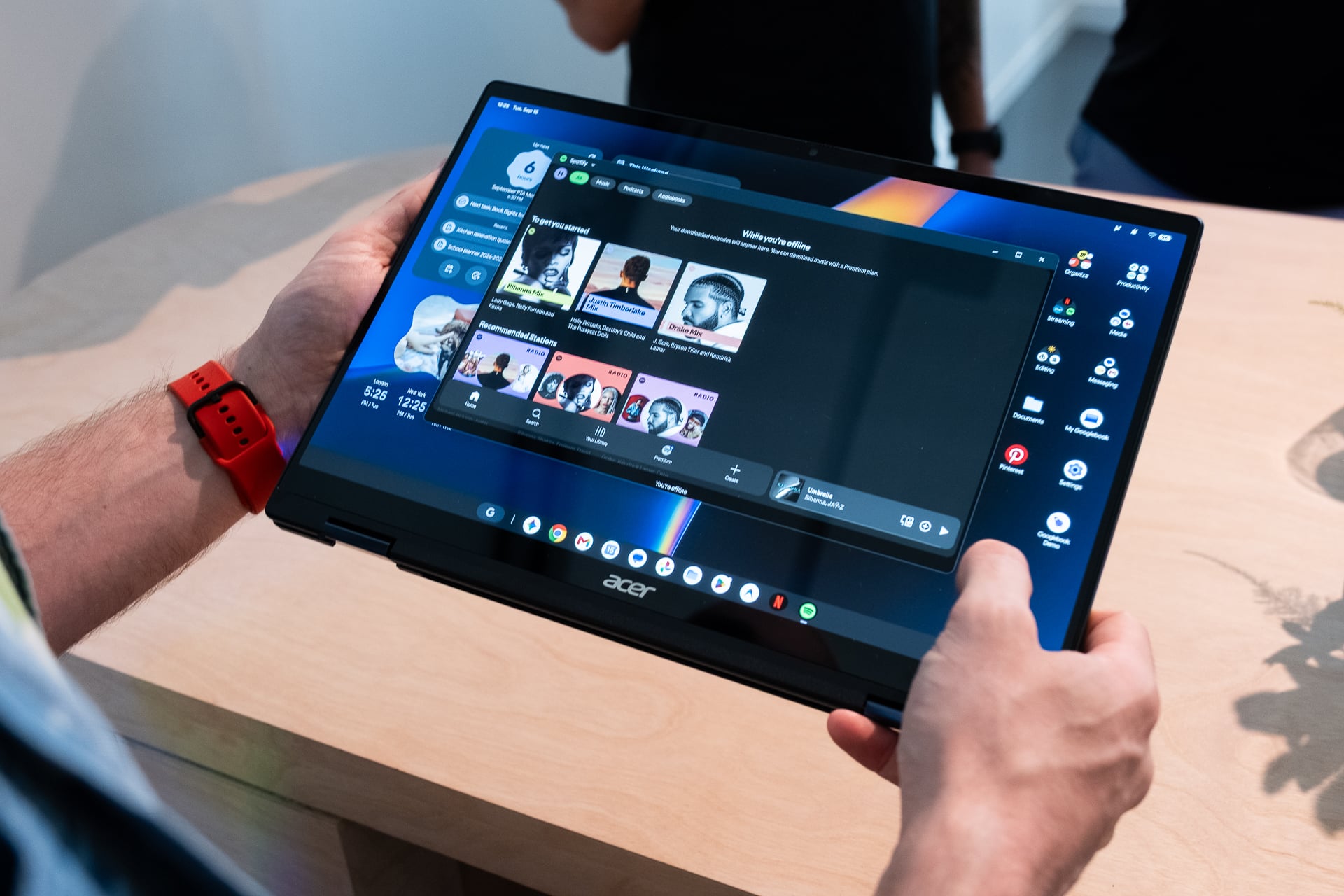
There are five laptops launching today with Google’s new OS, combining many parts of Android and the old ChromeOS. Two of those—namely the Dell XPS Googlebook and HP Googlebook 14—use ARM-based Snapdragon X Elite chips from Qualcomm, while the other three are making use of Intel’s latest Core Ultra Series 3 processors. That means the majority of launch laptops are making use of the Ancien Régime of x86 microarchitecture. However, that means these laptops may be confounded with compatibility issues at launch, according to Google in a statement made to Android Authority.
Here’s Google’s full statement:
“The vast majority of Android apps run smoothly across both Intel and Qualcomm Googlebooks right out of the box. Because many Android apps were originally designed for ARM chips, a small handful of complex apps or games need some developer tuning to run their best on Intel-based platforms. We’re working hand-in-hand with app developers, Intel, and Qualcomm to continuously optimize performance and expand compatibility across the entire portfolio.”
That makes sense for more than a few reasons. Google has promised that users will be able to use many Android apps right in the typical big-screen format on laptops. However, there will still be plenty that have not been redesigned for a larger display than a phone. Some apps can be cast from your Android device directly to a Googlebook.
However, Intel disagrees. In a statement provided to Gizmodo, the chipmaker said that Googlebooks are incorporating Intel Bridge Technology, a post compiler that can make Android apps run better on x86. Intel further said:
“The translation layer is built on the same underlying technology used in ChromeOS today, but without the additional overhead of a virtualized runtime environment. Combined with extensive optimization across the Android framework and Intel’s longstanding expertise in Linux and open-source performance optimization, our expectation is that users will experience strong application compatibility alongside fast and responsive performance.”
We’re still digging into the full Googlebook experience, and that includes tests for app compatibility. Intel isn’t promising users won’t experience any problems, but we’ll have to determine just how usable everything is out of the box.
Google previously said it will showcase a selection in the Play Store of many of those Android apps that run well on the new operating system. However, developers designed many of the less-popular or legacy apps for the ARM-based architecture that makes up the vast majority of smartphones today. Windows machines can make use of Fex or Prism emulation or compatibility layers for x86 to ARM emulation.
What complicates this even more is that Googlebook OS is operating on the Android kernel developed by Google, not the Linux kernel employed by ChromeOS. Google had to develop its new operating system for two entirely distinct microarchitectures simultaneously, all while recreating many of the unique features Chromebook users had come to expect. This is a huge amount of work for any company, and it’s why we don’t expect Google’s new laptop ecosystem to be pristine at launch.
This post was updated to include a statement from Intel.