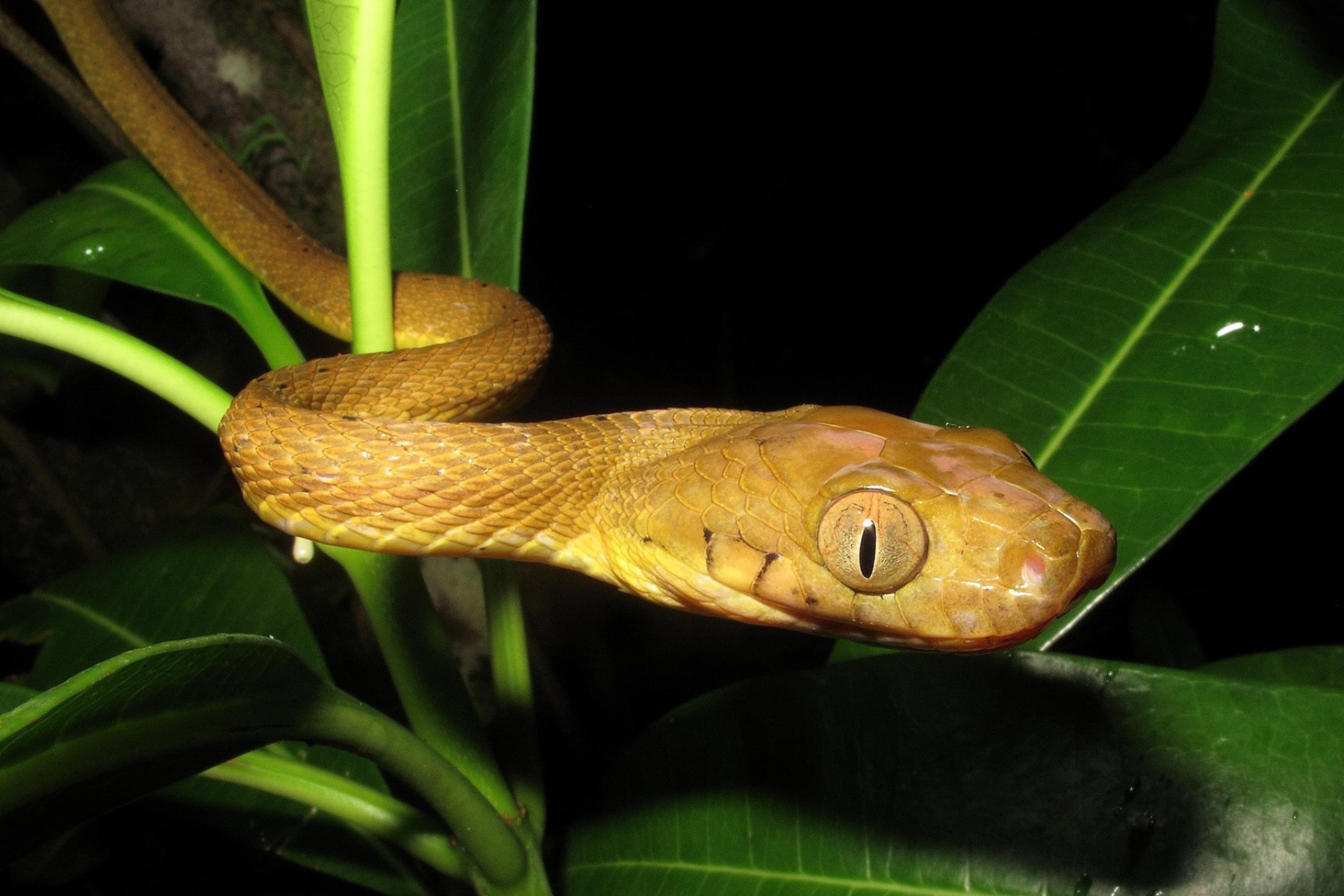
Brown tree snakes are a textbook example of an invasive species. Sometime after World War II, the snakes took over Guam’s native forests, caused power outages, and generally caused a lot of unwanted chaos. A new study now suggests that the snakes’ “success” depends on their unexpected genetic diversity.
The small number of brown tree snakes initially introduced to Guam should have created a genetic bottleneck for the invaders as inbreeding should have limited their ability to adapt and proliferate—except that’s not what happened. In a recent paper published in Science Advances, scientists describe how an extensive genetic study of the snakes revealed thousands of variations in their genome. As a result, despite starting out in small numbers, the snakes were able to reach densities as high as 30,000 individuals per square mile in the United States.
“It’s possible that endangered species may have more flexibility in their genes than we realize,” Christopher Osborne, the study’s first author and currently an aquatic biologist with State University of New York Oswego, said in a statement. “We’re now getting a better understanding of unappreciated sources of genetic diversity that may explain how some inbred species can still respond to their environment.”
New neighbors in town
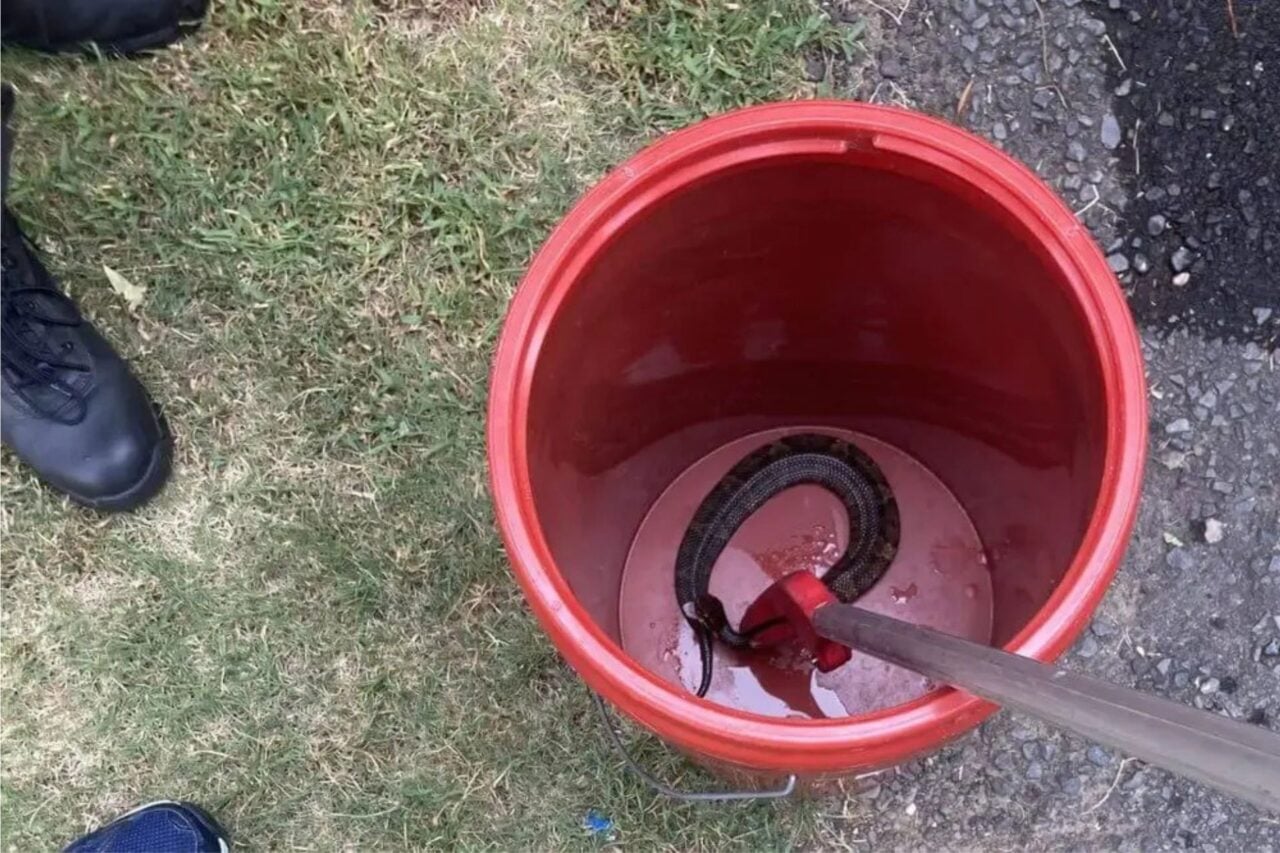
According to the U.S. Geological Survey (USGS), the brown tree snake is native to Indonesia, the Solomon Islands, Papua New Guinea, and Australia, but was sighted in Guam around the 1950s. Researchers hypothesize that a handful of snakes hitched a ride on cargo ships. Since then, they’ve reproduced at concerning speeds. In addition to wreaking havoc on native animal populations, the snakes also slither onto electrical lines and trigger power outages.
Both former and current researchers with USGS were involved in the latest study. In other words, the scientists were well aware of the influence of brown tree snakes in Guam. What they also noticed, however, was a growing literature on “highly inbred populations exhibiting rapid and complex adaptive evolution,” according to the study. The team wondered if recent developments in sequencing technology could uncover previously unidentified characteristics of the snakes’ genome.
“It’s like looking at portions of two books letter by letter with a magnifying glass and thinking they’re the same, but not realizing entire paragraphs have been moved around or duplicated,” Levi Gray, a study co-author and a postdoctoral researcher at the University of Buffalo, said in the statement. “Older sequencing technology didn’t allow us to easily see that DNA in one individual might be in a completely different place on the chromosome than in another.”
DNA, extended edition
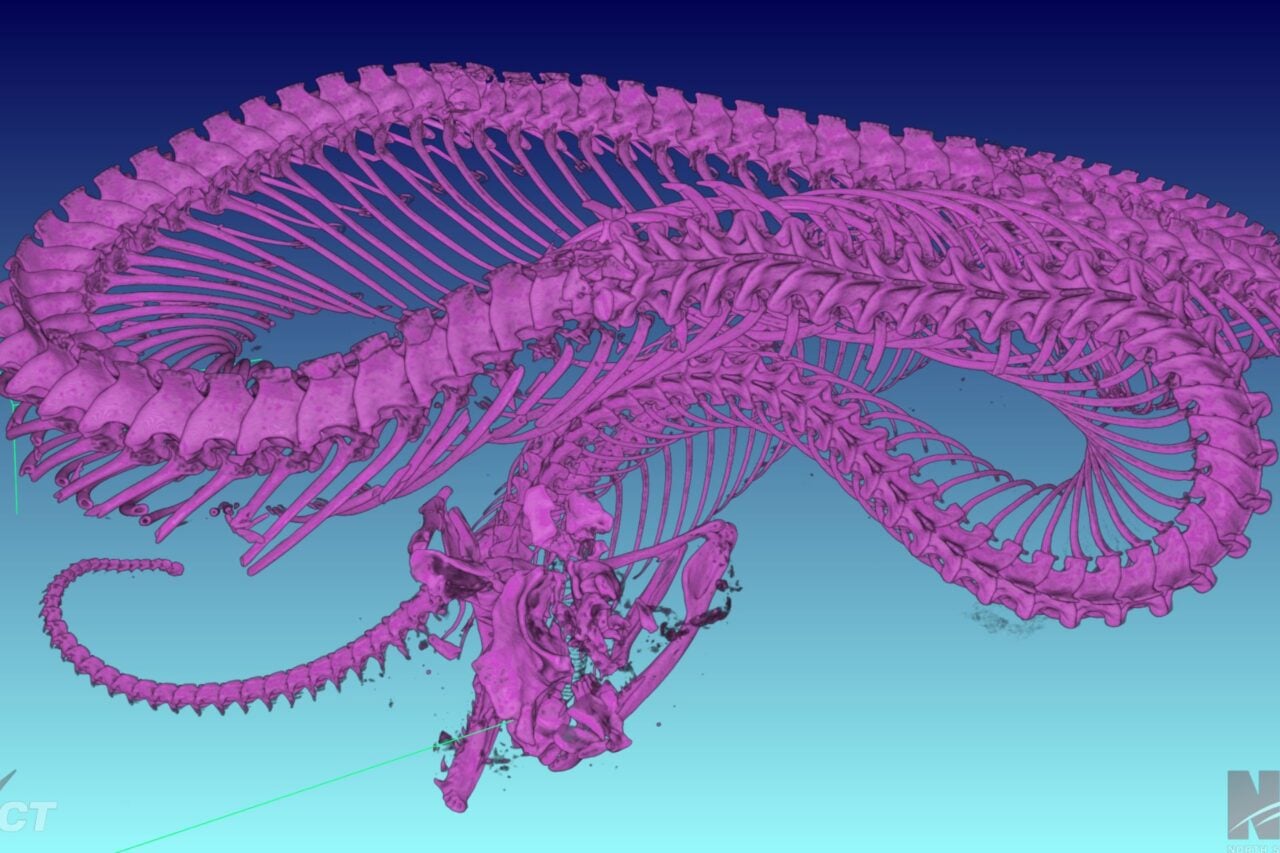
For the latest analysis, the team turned to long-read sequencing, which is capable of reading longer pieces of DNA, as opposed to studying single base pairs. Shockingly, this extended study found over 19,000 structural variants—rearrangements, deletions, or duplications—in the brown snake genome.
Given the circumstances around the snakes first arrived in Guam, it’s very likely that there were high levels of inbreeding at first. However, the snakes then developed genetic differences that gave them an enriched sense of smell and immunity, according to the study. Basically, these changes gave them exactly what they needed to thrive, and in fact, this might even be why Guam’s brown tree snakes aren’t known to engage in cannibalism, unlike their counterparts living in the snakes’ native habitats.
“The snakes’ heightened sense of smell may allow them to recognize one another as something more like siblings—especially given the high levels of inbreeding—than as prey,” Gray added. “Is it possible some of this diversity emerged after the invasion? It is, but we would have to sequence snakes from the native populations to know for sure.”