Mosquitoes tend to be one of the worst parts of summer. And unfortunately, scientists are still coming across undocumented species in the United States that could threaten to make the season even more uncomfortable.
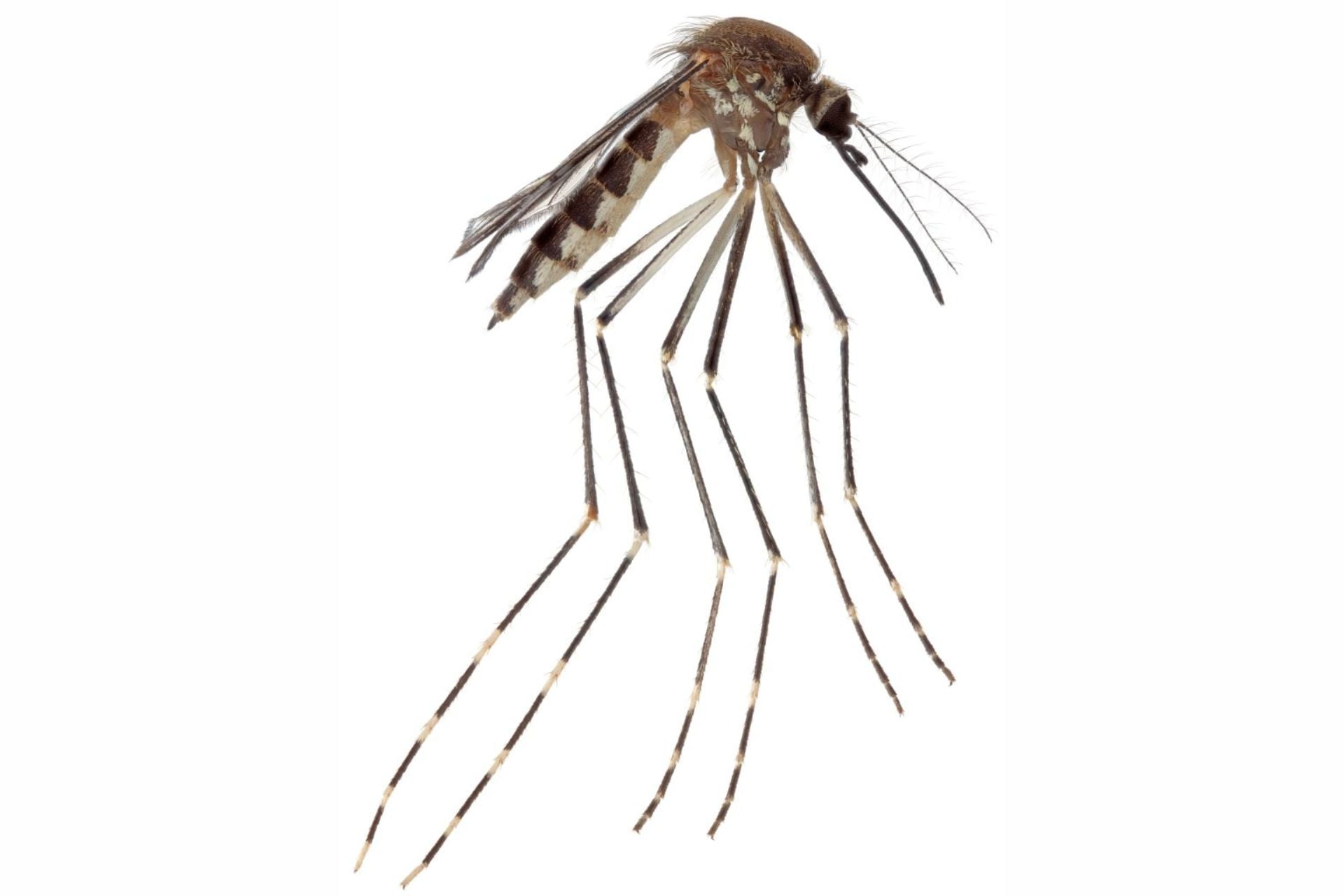
Researchers at the University of Florida have confirmed the presence of Aedes amateuri in the U.S. for the first time. The mosquito was found in several mountain ranges of Arizona and may have already reached New Mexico as well. The species can bite humans, though the researchers aren’t too worried about its potential to spread dangerous diseases.
“While this species is unlikely to affect the risk to people from mosquito-borne disease, we should be concerned with detecting and preventing future introductions of nonnative species, especially those known to be important vectors for pathogens,” lead study author Lawrence Reeves, an entomologist at UF’s Institute of Food and Agricultural Sciences, told Gizmodo.
A mountainous mosquito
A. amateuri was only recently discovered in 2019. Until now, it had only been documented in parts of northeastern Mexico.
Reeves and his team have been collecting mosquitoes from the Madrean Sky Islands of southeastern Arizona, a region known for its isolated mountain ranges separated by “seas” of desert and grasslands. This unusual set-up has made the Sky Islands a hotspot of diversity.
The researchers isolated one specimen of A. amateuri from the Santa Rita Mountains and 19 specimens from the Dragoon Mountains. They confirmed the mosquito’s identity with both morphological (an animal’s bodily structure) and genetic evidence. Their findings were published last week in the Journal of Medical Entomology.
A spreading nuisance?
Little is known about A. amateuri, including its current range. Populations of the mosquito may have existed in the Sky Islands for quite some time before the team’s discovery, for instance, yet it’s also possible that the mosquito only recently arrived in the U.S.
The specimens detailed in this study were collected in 2022. Earlier this summer, however, the team went back to Arizona and discovered them elsewhere in the region, in the Peloncillo Mountains. Notably, these mosquitoes were found just a mile outside of the border shared with New Mexico. That could indicate this species is moving further into the country.
Two other invasive species of Aedes mosquitoes found in the U.S. can spread various diseases to people, including dengue, Zika, and chikungunya. But though more research and surveillance will be needed to assess the risk, if any, that A. amateuri poses to the public, there are several reasons why Reeves isn’t too concerned about its overall threat.
“There is no evidence to suggest it will be involved in transmitting disease—closely related species in the US are not important vectors, and the species has not been found infected with pathogens, though this mosquito has received little research attention,” he said. “On top of that, at this time, the only places where this species has been found are wild areas in the mountains of southeastern Arizona, and it is not known from populated areas. Assuming this remains the case, few Arizonans will ever encounter this mosquito.”
That said, scientists like Reeves have generally noticed a recent uptick in the detection of invasive mosquito species to the U.S. So even if A. amateuri won’t be a major concern for people, it’s still vital to keep a close eye out for other species that could become more of a danger.
“Detections of mosquito species outside of their native ranges appear to be increasing in the U.S., likely in response to changing climates and increased global connectivity,” he said. “Because mosquitoes are important as the vectors of disease-causing pathogens, monitoring these changes is essential in this time of changing climates and increasing movement of people and goods.”