You’re going to end up squinting long and hard at the new iPhone 18 Pro to spot the differences between the new and previous generations. To save your eyes, I’m here to give you the breakdown of what’s actually changed. TL;DR: you’re going to care if you’ve always wanted more control over your phone’s cameras or a phone that doesn’t get as hot as quickly.
Of course, the other major differentiator is the launch price. The iPhone 18 Pro and Pro now start at $1,200 and $1,300, respectively. They’re both $100 more than what the iPhone 17 Pro and Pro Max cost in 2025. That’s a symptom of the ongoing RAM shortage, and Apple has already increased the price of its iPhone Air and iPhone 17e just after it revealed its iPhone 18 at Wednesday’s event.
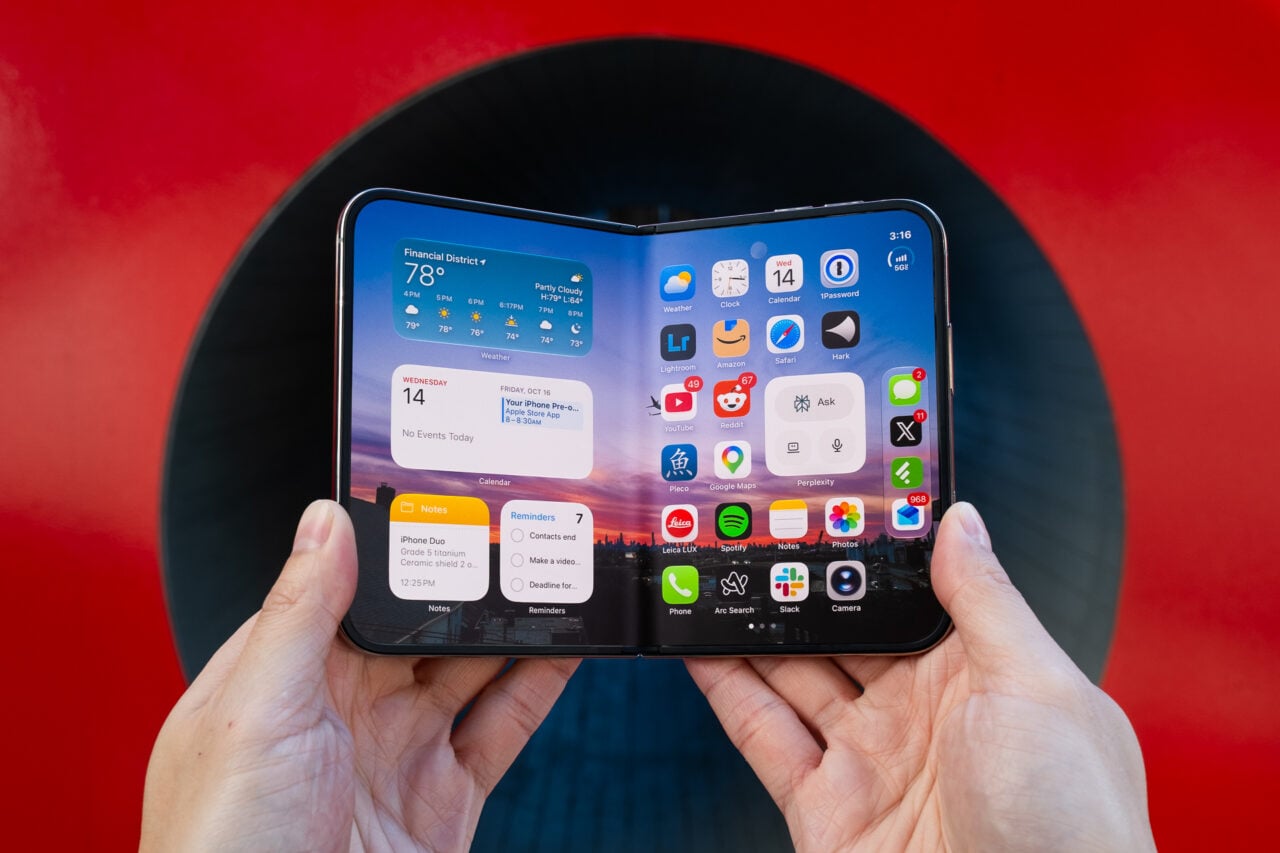
If we’re being honest, the biggest change this year is more what this means for the iPhone lineup. First, the new, most expensive device in Apple’s newly announced cellular lineup is the iPhone Duo, a wide foldable that takes the cake as the largest shakeup in iPhones since—well—ever. It’s a device built for media consumption, whereas the iPhone 18 Pro is relegated as the “professional” level device for people who really want the best phone pics. Also, Apple has decided to hold off launching a new regular iPhone 18 this month. It may save it for next year, when it debuts an iPhone 18e budget device and—possibly—an iPhone Air 2.
See iPhone 18 Pro and Pro Max at Apple
iPhone 18 Pro vs. iPhone 17 Pro: Colors
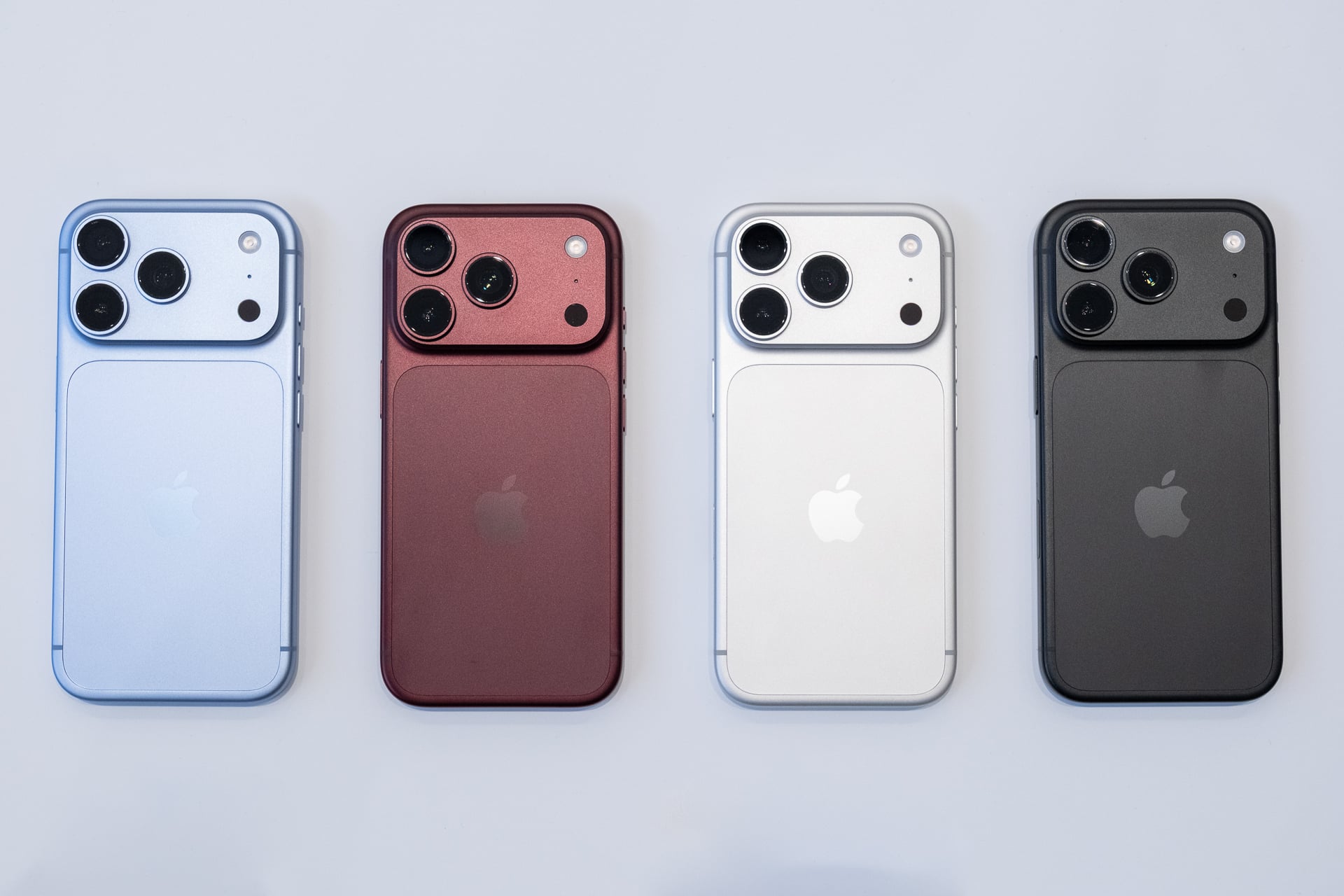
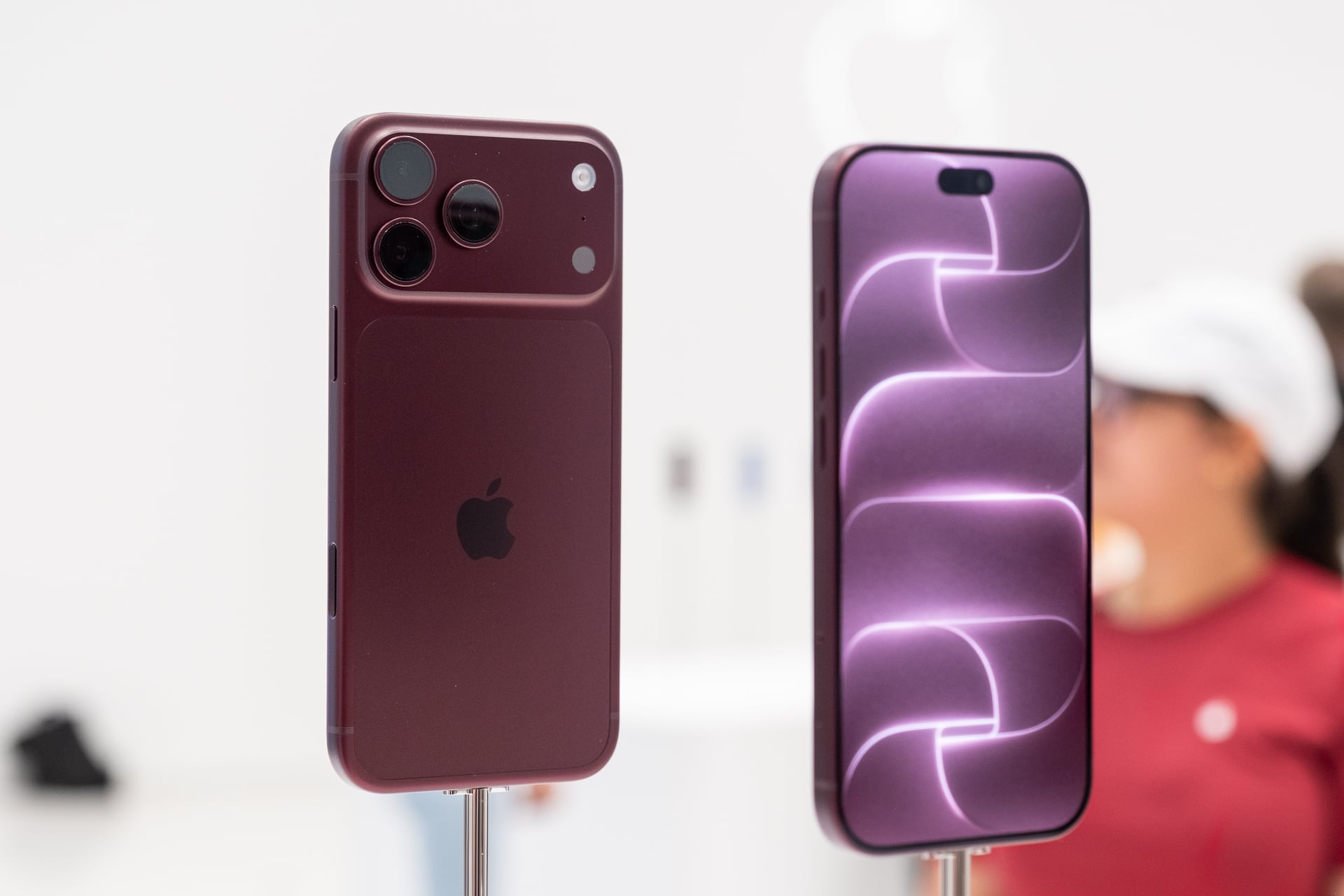
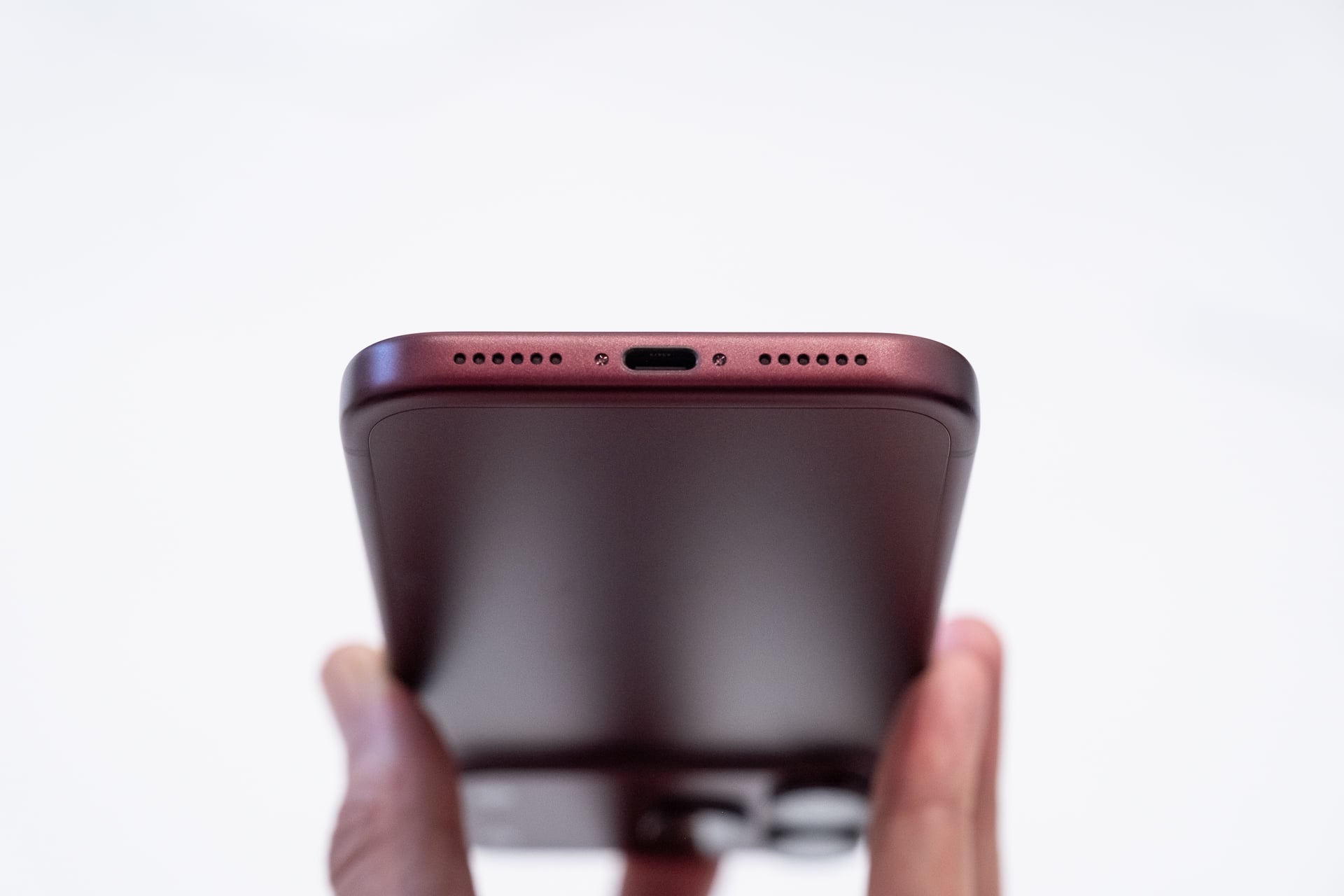
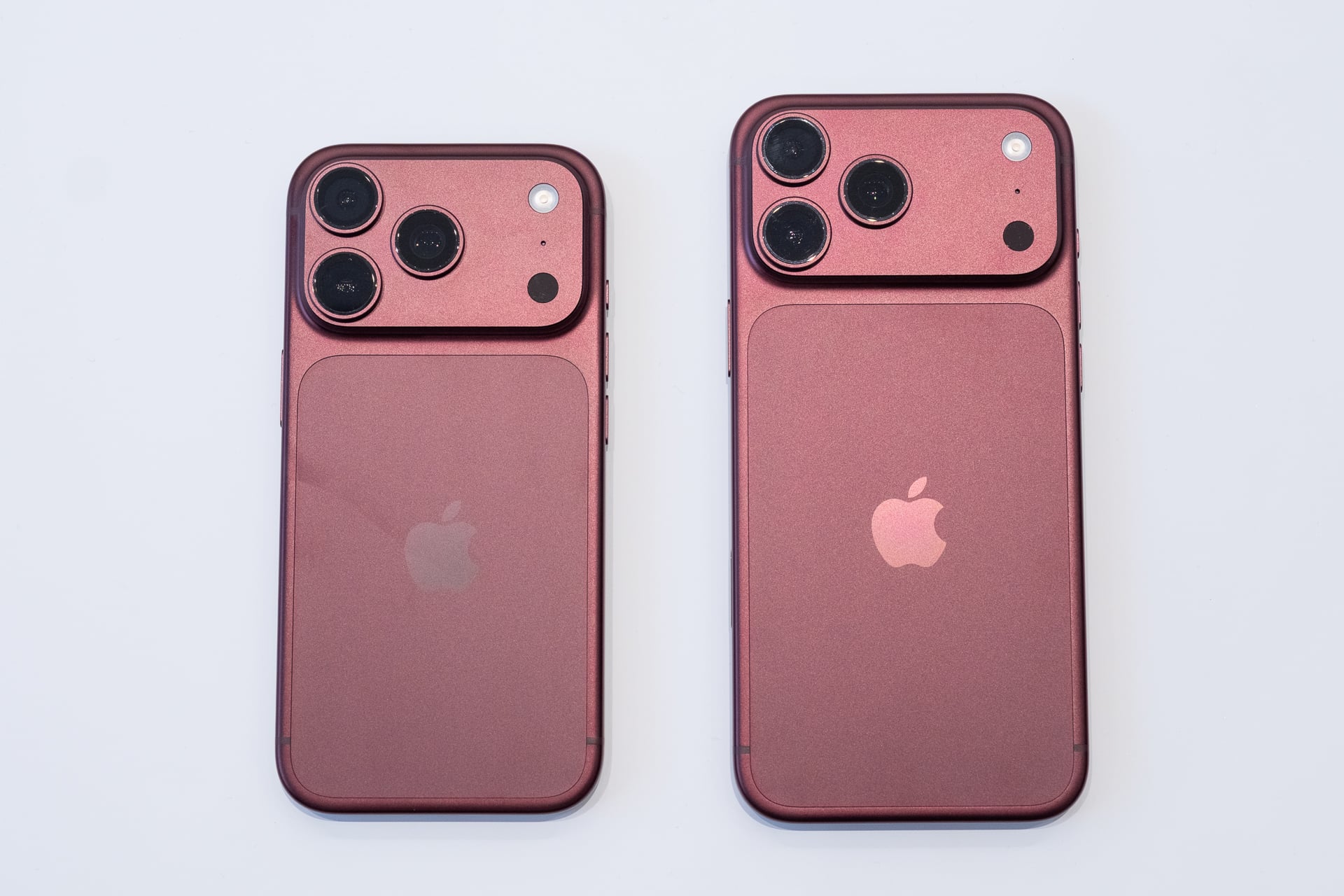
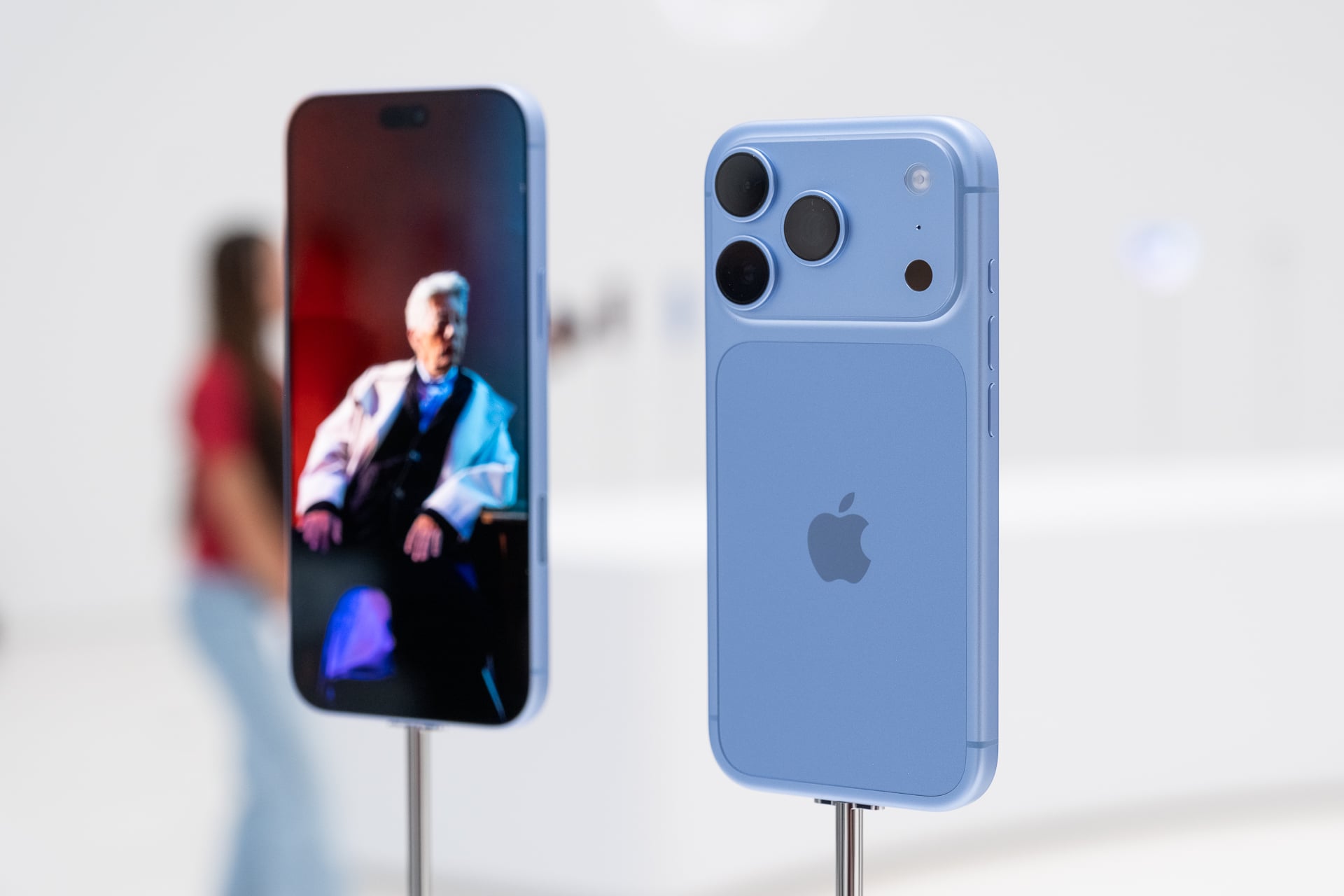
Goodbye, Cosmic Orange. The new leading color for 2026 is a dark red burgundy. It’s not exactly the kind of color that creates a slew of tone-matched accessories like orange did, though it’s certainly more obvious than some past devices like the iPhone 14 Pro’s ultra-dark purple. In addition, the iPhone 18 Pro also comes in a muted “glacier” blue, a silver colorway, and—finally—an actual black, rather than some dark gray.
It may be a semi-controversial take, but I never liked the look of the iPhone 17 Pro’s orange. It was too bright, too in your face, and way too trendy. Burgundy happens to be my favorite color—not the least because of the interesting history behind the area of Burgundy in France. I guess we’re setting up a war between the Prince of Orange in the Netherlands and the Duke of Burgundy, but I digress.
Apple is also color-matching the back glass to the phone itself, whereas the iPhone 17 Pro’s back glass appeared a lighter shade than the rest of the device. Apple is sticking with aluminum sides for this generation—a decision that still rankles some who miss the sturdier titanium frame. Just like the previous generation, the front glass is still using Ceramic Shield 2, while the back panel is base Ceramic Shield. They’re still sturdy devices and are rated IP68 for dust resistance and survivability in water up to 6 meters for 30 minutes.
iPhone 18 Pro vs. iPhone 17 Pro: Screen
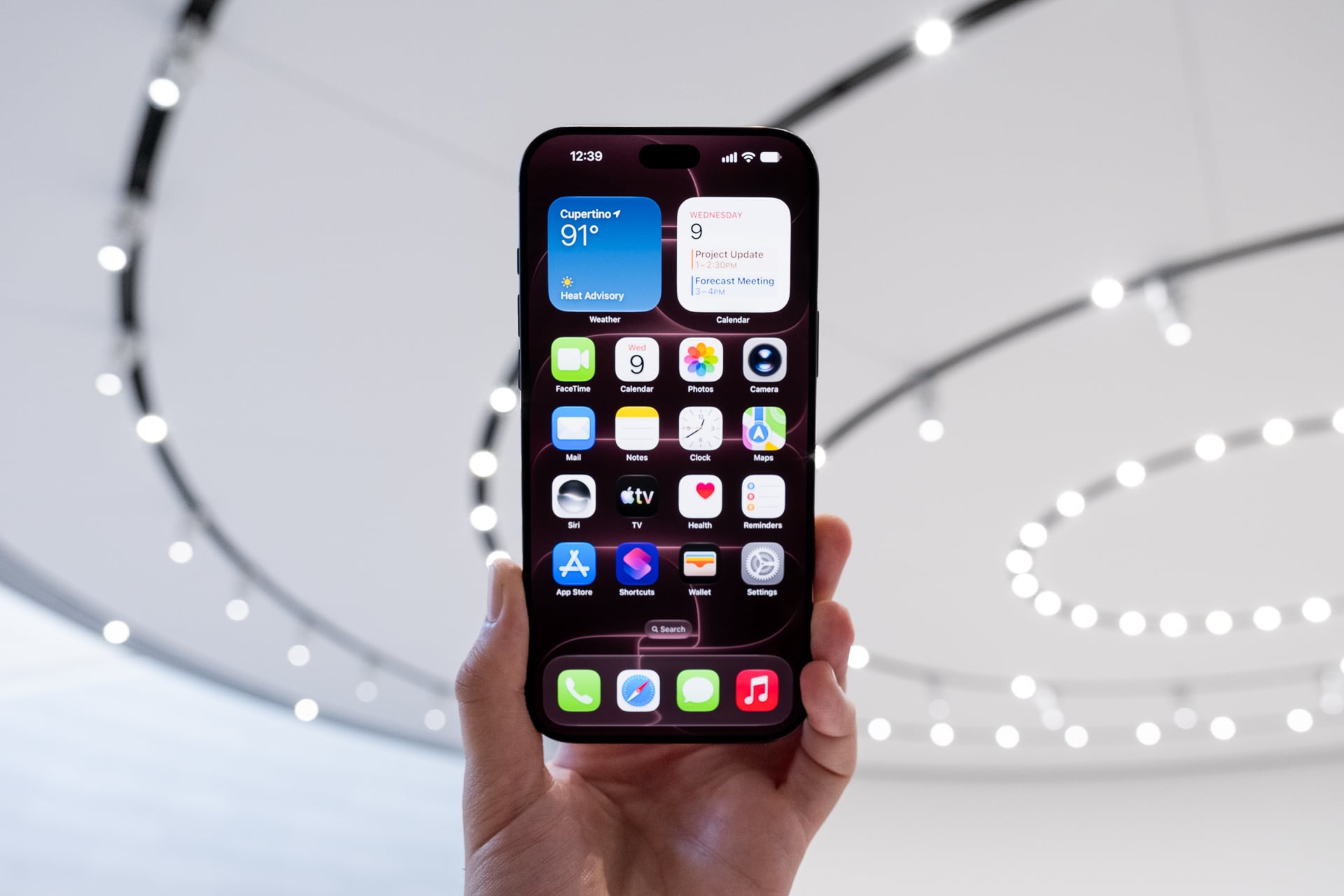
If you’re comparing each generation’s screen, you’ll first notice the iPhone 18 Pro has a shrunken Dynamic Island. That’s because Apple managed to stick its infrared camera—used for FaceID—behind the screen. Now, the Dynamic Island is 25% smaller when not in use, but it can expand to include up to three live activities at once.
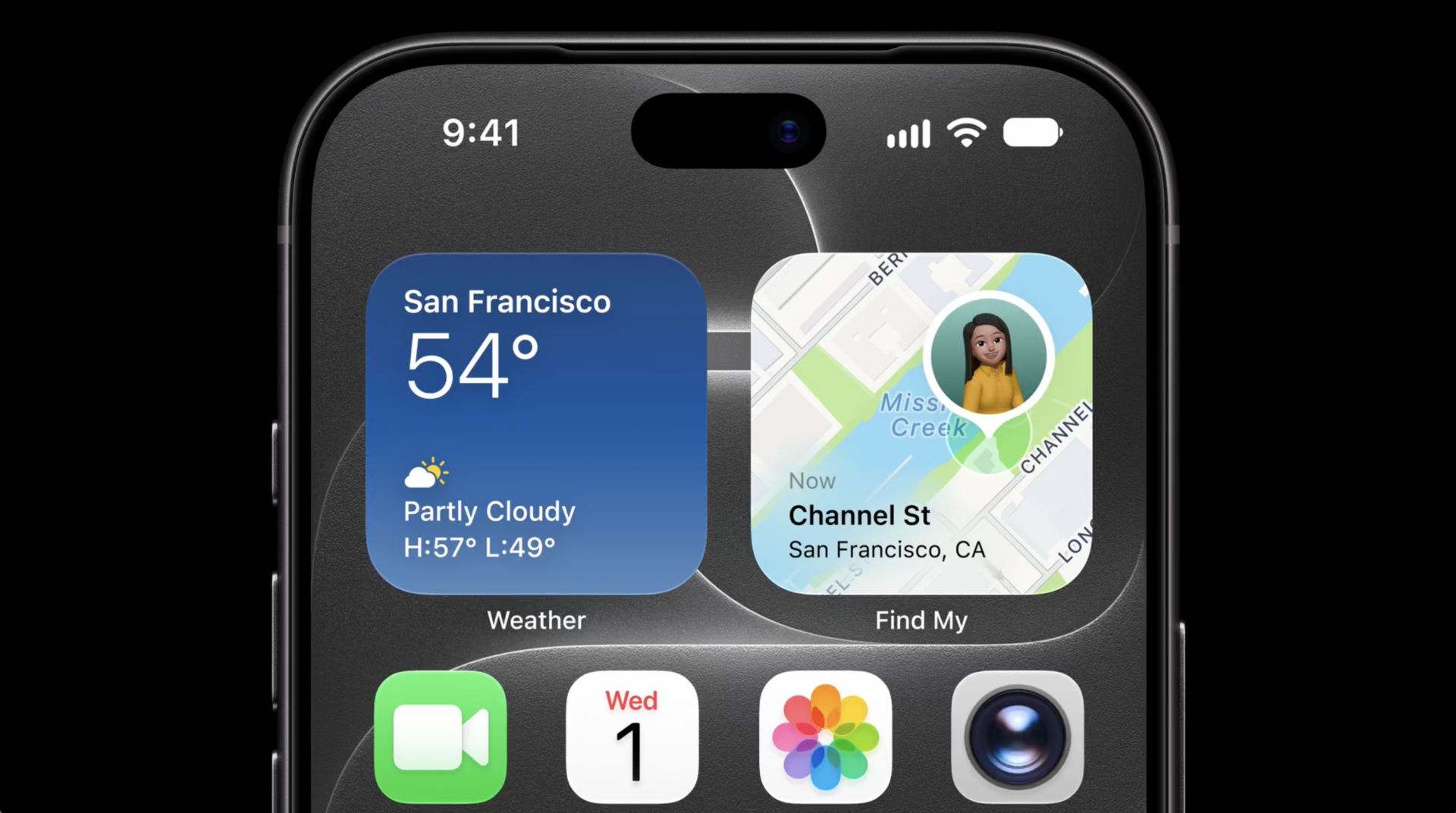
The iPhone 18 Pro is still sporting a 6.3-inch OLED display, while the Max version boosts that size to 6.9 inches. Each model supports the usual ProMotion up to 120Hz of refresh rate, the same as the iPhone 17 Pro. You could stare at each screen for hours and find there’s essentially no difference between the past and new generations of slab phones.
iPhone 18 Pro vs. iPhone 17 Pro: Internals
The phones’ internals are where things get interesting. First up, Apple’s new phone is breaking through with its first 2nm chip, the A20 Pro. Compared to the 3nm A19 Pro inside the iPhone 17 Pro, the smaller die size leads to better efficiency. The six-core CPU also integrates neural accelerators to handle all the new Apple Intelligence and Siri AI tasks in iOS 27. Apple also claims the CPU has 50% more memory bandwidth than the A19 Pro. To assist with that AI, there’s also a new dual-16-core neural engine.
GPU-wise, Apple claims it’s given the new phone a big boost. It’s supposed to be 40% faster than the previous generation, so that could be a big boon if you were looking to game on your phone. Apple has also reengineered its chips so it packages the processor die close to the phone’s memory, reducing latency and allowing it to sit directly on the newly redesigned vapor chamber.
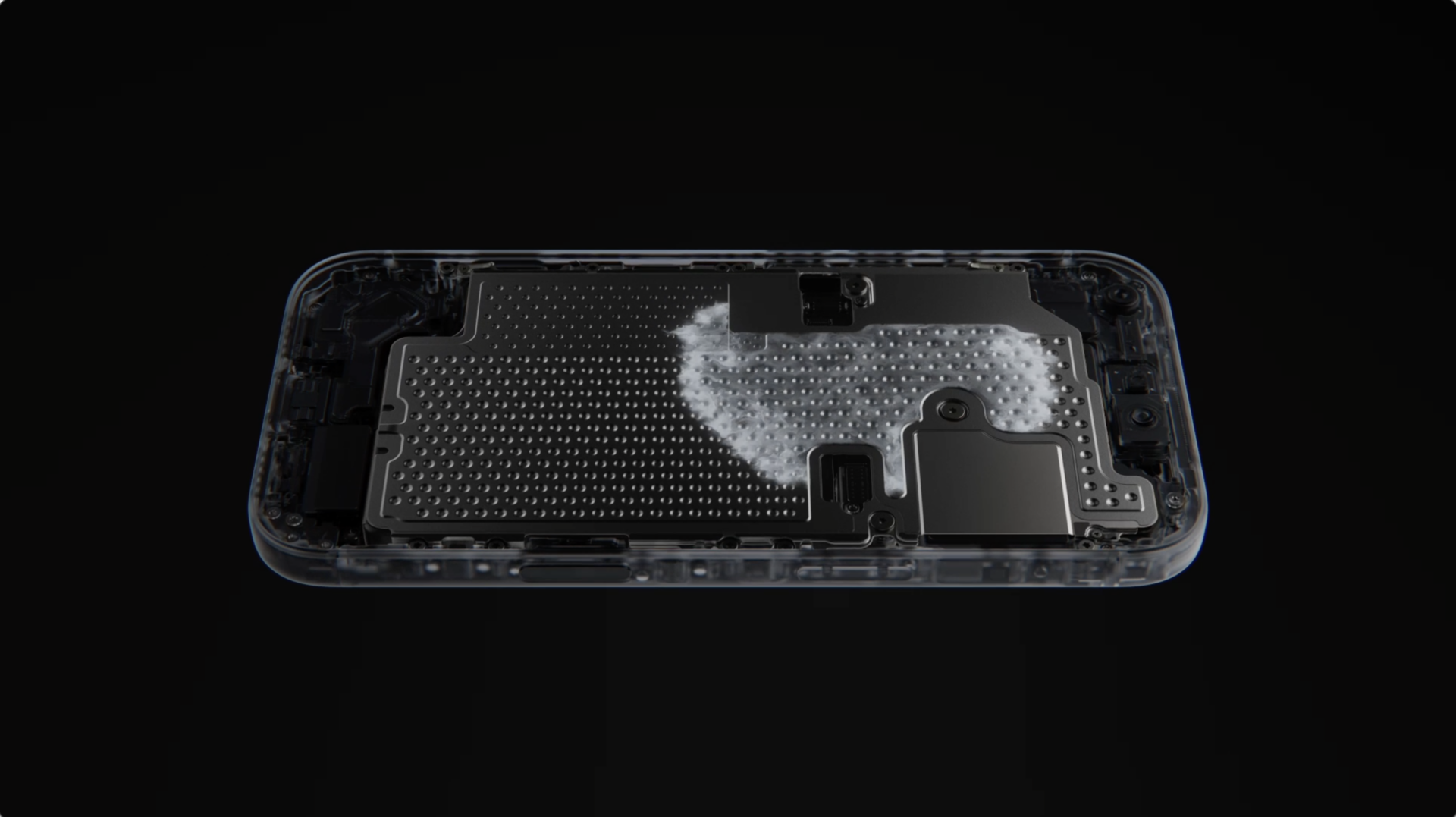
The extra capabilities of this new chip would mean Apple has to do more to keep these phones running well. As to that, the company says it created a new vapor chamber that supposedly has 3X more surface area than the iPhone 17 Pro’s. Not only is that chamber supposed to aid with cooling, it may greatly enhance sustained performance by 40%. These all seem like small things, but these internal additions add up.
As a final note, Apple is including its N1 Wi-Fi 7 and Bluetooth 6 chip in both the Pro and Pro Max phones—same as last year. However, this year the Pro and Pro Max chips now sport different modems. The iPhone 18 Pro contains the new C2 cellular modem, which Apple says is more efficient than the C1. However, the iPhone 18 Pro Max doesn’t have a listed modem in its spec sheet. As first noted by MacRumors, the two phones have different LTE bands, which indicates they’re not running the same exact chip setup.
iPhone 18 Pro vs. iPhone 17 Pro: Battery
The improvements to the iPhone 18 Pro chip are significant, though they may not play out into huge performance improvements if you’re already used to the iPhone 17 Pro. What may be more grokable is that if you jump from 17 Pro to 18 Pro, there is an increased battery life. The new eSIM-only models contain a 4,288 mAh capacity battery, slightly larger than the previous generation’s 4,252 mAh.
In reality, it’s the efficiency claims that are doing the most for battery life. Apple claims you’ll be able to get iPhone 17 Pro Max battery life on a regular iPhone 18 Pro. Meanwhile, the iPhone 18 Pro Max is supposed to have the best longevity of any iPhone ever. Apple claims you can get 36 hours on a non-Max iPhone 18 Pro during video playback tests, but those don’t matter one bit compared to real-life scenarios. Again, this is something we’ll have to test ourselves.
Both phones also support ultra-fast charging, with the iPhone 18 Pro Max meant to hit 50% battery in 30 minutes. It’s essentially equivalent to what we had on the iPhone 17 Pro.
iPhone 18 Pro vs. iPhone 17 Pro: Camera
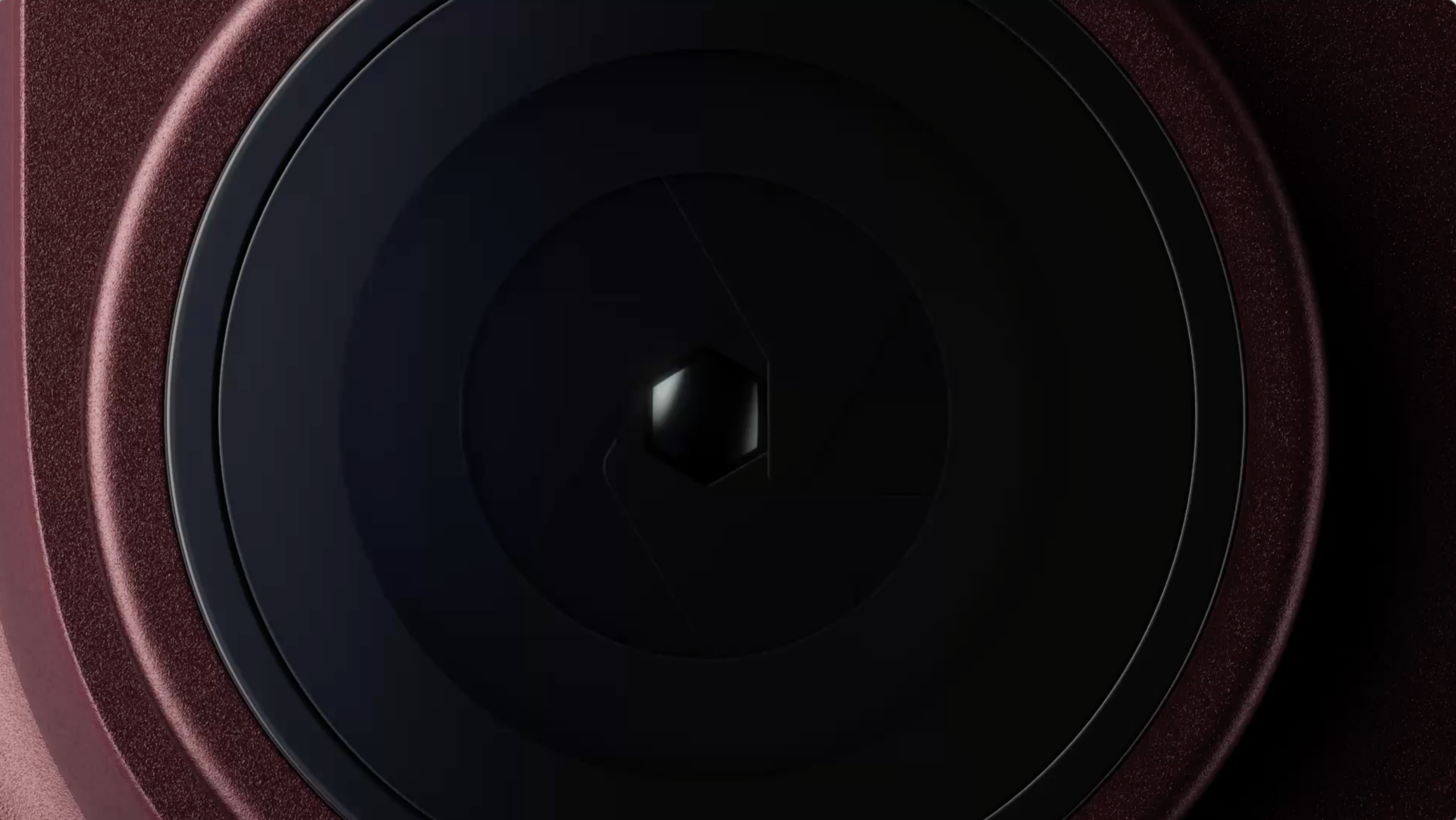
Apple explicitly wants you to know the iPhone 18 Pro is its camera phone. For the first time, Apple’s adding a mechanical aperture to its main 48-megapixel wide lens, allowing up to four f-stops of f/1.48, f/1.8, f/2.8, and f/4.0. Those settings can drastically change your camera’s depth of field as well as how you can light and frame your subjects.
Samsung previously tried this on its Galaxy S9 and S10 series, though those phones only allowed for either a wide-open or f/2.4 aperture. China-centric phones like the Xiaomi 14 Ultra include variable apertures between f/1.63 and f/4.0. Still, this is a new capability that no previous iPhone could claim.
Most regular phone users will stick with automatic settings. On the flip side of things, if you were actually interested in understanding more about how photographers understand cameras, the iPhone 18 Pro could be your first taste. Google’s latest camera capabilities in devices like the Pixel 11 Pro are all focused on software for photo processing. Somehow, it’s Apple who’s trying to give its users more fine-tuned control.
The iPhone 18 Pro still has three lenses: a 48-megapixel Fusion wide lens, a 48-megapixel Fusion periscope telephoto lens, and a 48-megapixel Fusion ultra-wide lens. Other than a variable aperture, not much has otherwise changed. Apple said it has upgraded its photo processing pipeline to help it produce better photos. Apple also added new “Pro” controls to the camera app to finally give all the “shot on iPhone” people more manual options for their photos and video—such as shutter speed or white balance.
iPhone 18 Pro vs. iPhone 17 Pro: Software features
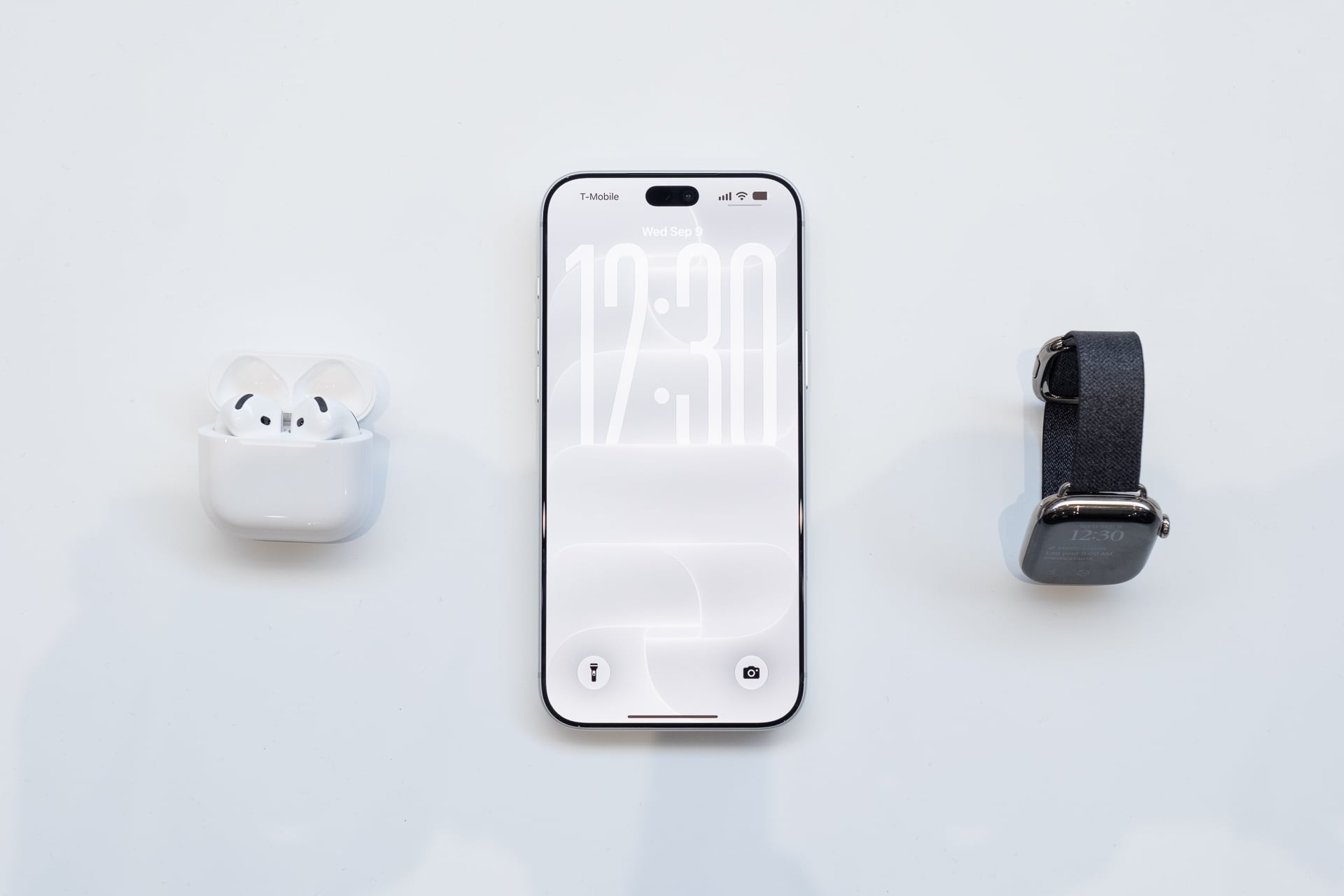
The iPhone 17 Pro is perfectly capable of running all the newfangled iOS 27 features, including Siri AI. However, there’s at least one other iPhone 18 Pro-exclusive feature: Apple Reference Image. The phone will essentially take your photo and process it through Apple’s Private Cloud Compute servers to create an unalterable reference photo. If somebody takes your shot or deepfakes it, you’ll be able to compare theirs to your original.
Other than that, iPhone 17 Pro users may have very few reasons to upgrade. The main focus this year is on cameras, and if you only got your “Pro”-level phone for clout, then there’s not much here for you to care about. However, for those of us waiting for the most powerful iPhone, this one certainly fits the bill.
Also, if—like me—you were dreaming of a Pro-level iPhone in red, burgundy may be the closest we’ll ever get. The iPhone 18 Pro and Pro Max are up for preorder Sept. 12, and they should start shipping Sept. 18.